Queen Elizabeth National Park Through the Lens
There are places in the world that seem almost purpose-built for photography, where the light falls at magical angles, the wildlife is abundant and accessible, and the landscapes provide the kind of dramatic backdrops that make photographs truly sing. Queen Elizabeth National Park in western Uganda is one such place, and for photographers of every level of experience, from those just beginning to discover wildlife photography to seasoned professionals on assignment for international publications, it offers an almost inexhaustible supply of subjects, scenes, and moments that reward the patient and the prepared.

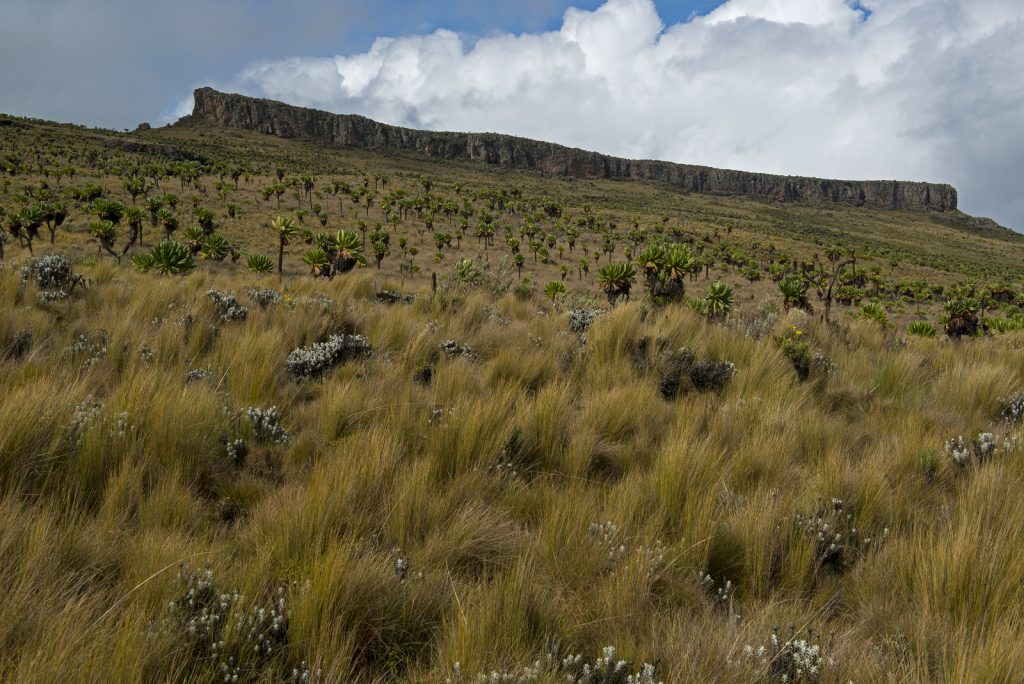
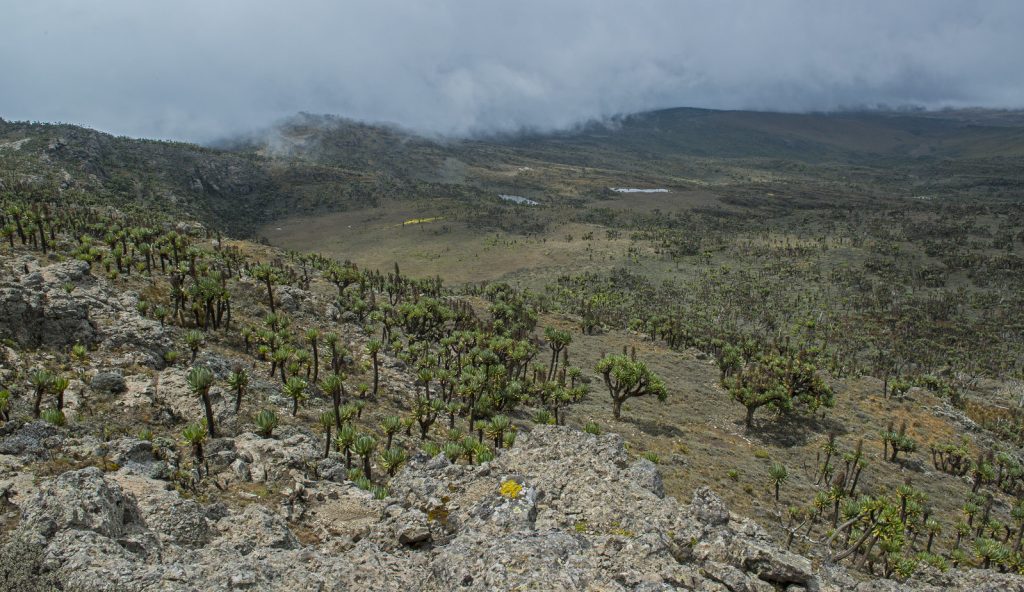
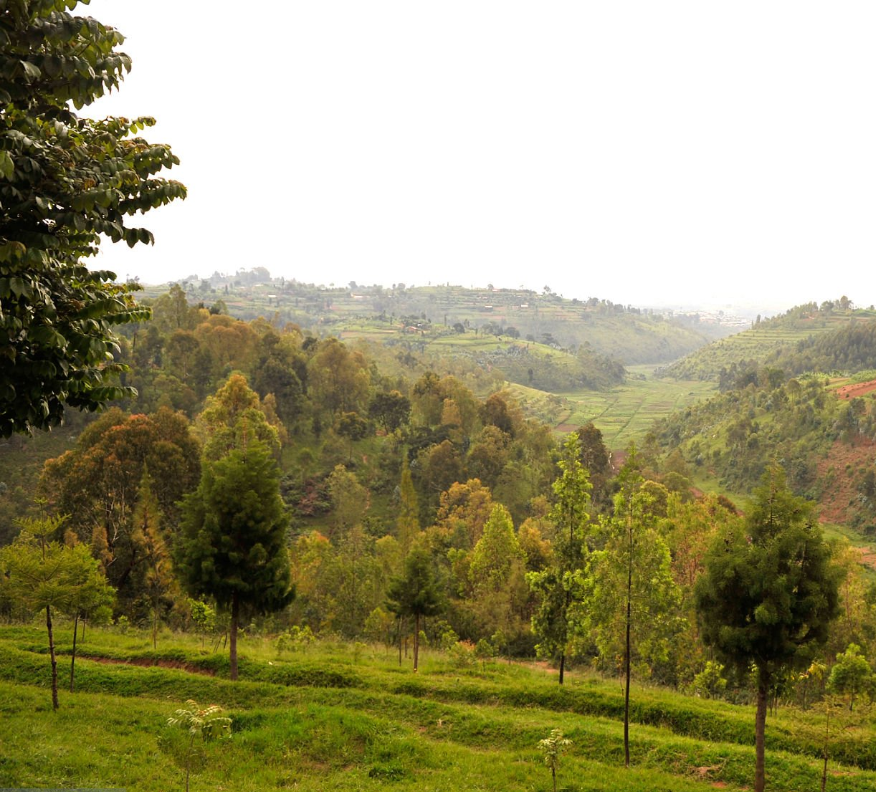
The park’s diversity of habitats is one of the primary reasons it is such a rich photographic environment. Within the boundaries of Queen Elizabeth, you can photograph open savannah game in the morning, waterbirds and hippos on the Kazinga Channel in the afternoon, and forest primates in the late afternoon light. The variety of subjects and settings means that no two days of photography are alike, and returning visitors consistently discover new perspectives and new subjects with every visit.
Golden Hour on the Kasenyi Plains
For wildlife photography, the Kasenyi Plains in the northern sector of Queen Elizabeth are something close to paradise during the golden hours of early morning and late afternoon. At these times, the warm, low-angled light transforms the savannah into a landscape of extraordinary beauty, casting long shadows across the grass and illuminating the coats of Uganda kob, buffalo, and elephant with a warm, honeyed glow that is every photographer’s dream. Lions on the plains during golden hour, with the burnt orange light catching in their manes and the long shadows stretching behind them, make for images that belong on magazine covers.
Photographing Lions
Queen Elizabeth’s lions are well habituated to safari vehicles, meaning that you can often get remarkably close to them without disturbing their natural behavior. Patient waiting in the right location during the early morning, when lions are most active and most likely to be engaged in social behavior, grooming, playing, or moving between resting spots, tends to yield the best photographic results. A good long lens, a 400mm telephoto or longer for wildlife work, allows you to fill the frame with individual animals while maintaining a respectful distance that preserves their natural behavior. The light in Queen Elizabeth is particularly beautiful in the hour after sunrise and the hour before sunset, and these are the times to be in position on the plains.
The Tree-Climbing Lions of Ishasha
The southern Ishasha sector of Queen Elizabeth is famous for its tree-climbing lions, and this unique behavior creates photographic opportunities that are unlike anything you will find elsewhere in Africa. The image of a large lion or lioness draped elegantly across the branches of a massive fig tree, with the Rwenzori Mountains or the Congo forests as a backdrop, is one of wildlife photography’s most striking compositions. Getting the best photographs of the Ishasha lions requires being on location during the cooler parts of the day, when the cats are most likely to be in the trees, and having a vehicle positioned to give you a clear sightline without too much intervening foliage. A dedicated game drive to Ishasha with an experienced guide is essential for maximizing your chances.
Waterbird Photography on the Kazinga Channel
The Kazinga Channel boat trip is one of the finest wildlife photography opportunities in East Africa, and for bird photographers in particular it is an experience not to be missed. The two-hour journey along the channel brings you within touching distance of the wildlife on the banks, and the slow speed of the boat allows for careful composition and the tracking of moving subjects. African fish eagles perched on dead trees are a classic composition, while the goliath heron, the world’s tallest heron standing over 1.5 meters tall, makes for dramatic images when caught hunting or standing motionless in the shallows.
Hippos and Crocodiles
Hippos are endlessly photogenic, and the Kazinga Channel supports hundreds of them. In the shallow areas, they congregate in groups of dozens, creating fascinating compositions of overlapping bodies, open mouths, and expressive faces. Early morning on the channel often finds hippos still in the water, while by mid-morning some will have hauled themselves out to bask on the banks, creating different photographic opportunities. Nile crocodiles, ancient and atmospheric, provide compelling subjects for photography when caught basking in the sun or sliding silently into the water. The interplay between hippos and crocodiles sharing the same section of bank is a classic channel scene.
Primate Photography in Kyambura Gorge
For photographers interested in primate behavior, chimpanzee tracking in the Kyambura Gorge offers intimate access to one of our closest relatives in a spectacular natural setting. The light inside the gorge is challenging, filtered through the dense forest canopy and often requiring higher ISO settings and wider apertures than open savannah photography. However, the close proximity of the habituated chimps and the extraordinary expressiveness of their faces and body language more than compensates for the technical challenges. Wide-angle shots that include the dramatic gorge walls and forest canopy in the background create powerful environmental portraits. For more on this experience, see our chimpanzee trekking guide.
Landscape Photography at the Crater Lakes
Queen Elizabeth’s crater lakes offer landscape photography of a completely different character from the open savannah. The Bunyaruguru Crater Lakes, in particular, are stunning subjects at sunrise and sunset, when the calm water reflects the changing colors of the sky and the surrounding green hillsides create a deeply layered composition. Some of the crater lakes turn vivid green or blue-green due to the presence of algae or minerals, creating surreal and beautiful subjects for photography. Flamingos that occasionally visit the crater lakes add a splash of pink that makes for extraordinary images when combined with the volcanic landscape.
Practical Photography Tips for Queen Elizabeth
The dust in Queen Elizabeth’s savannah sectors can be hard on camera equipment, particularly on dry-season game drives when vehicle movement kicks up clouds of fine red soil. Protecting your gear with a dust cover and keeping lenses clean is essential. Beanbags mounted on the vehicle window are ideal for supporting long telephoto lenses during game drives, providing a stable platform that is far more practical than a tripod in a moving vehicle. Arrive at the park as early as possible in the morning, as the first hour after the gates open consistently provides the best light and the most active wildlife.
For anyone serious about wildlife photography in East Africa, Queen Elizabeth National Park belongs near the top of the list. Its combination of accessible, habituated wildlife, extraordinary diversity of subjects, and stunning landscapes makes it one of the continent’s finest photographic destinations. Combine it with a gorilla trekking experience in Bwindi for an unparalleled East African photography safari, or explore our full range of Uganda safari options. Book your trip and start planning your photography adventure today.