Bat Cave Visits
January 28, 2026
Tea & Coffee Plantation
January 28, 2026


Forest Night Walks
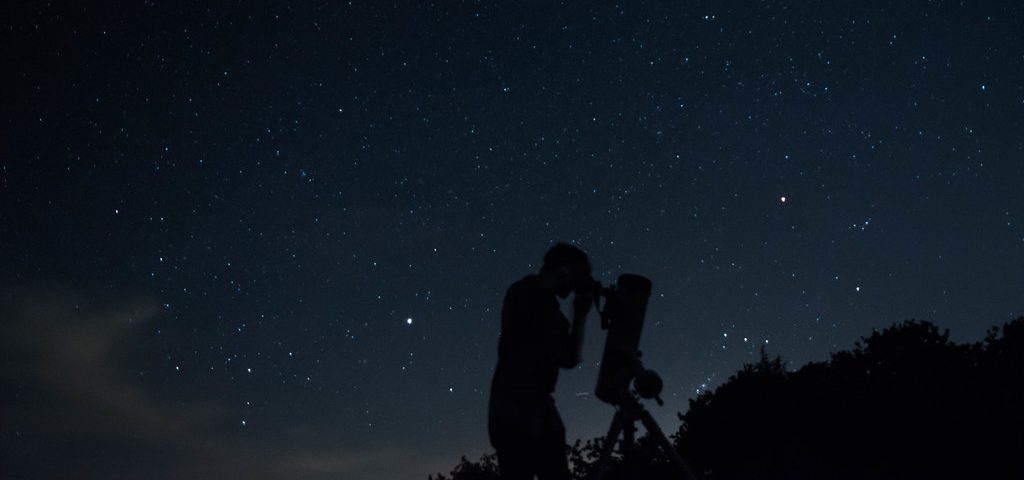
Forest night walks in Africa reveal a side of nature that remains unseen during daylight hours. As the sun sets and darkness settles over ancient forests, an entirely different ecosystem awakens. Sounds intensify, shadows move, and nocturnal creatures begin their nightly routines. A forest night walk is not about speed or distance but about awareness, patience, and immersion in nature’s most mysterious hours.






Chimpanzee Trekking
Chimpanzee trekking in Africa is a powerful and intimate wildlife experience that combines adventure, education, and conservation. From the dense forests of Uganda and Rwanda to the remote shores of Lake Tanganyika in Tanzania, each destination offers a unique perspective on chimpanzee life in the wild.
Forest Night Walks: A Complete Guide to Experiences Across the Region
Why Forest Night Walks Are a Unique Safari Experience
Forest night walks stand apart from traditional safaris because they bring travelers face-to-face with smaller, elusive species that play vital roles in forest ecosystems. Many animals avoid daylight and human activity, choosing the safety of darkness to hunt, forage, and communicate. Walking quietly through the forest allows visitors to observe these behaviors without the noise of vehicles or crowds.
The experience encourages mindfulness and presence. Guides lead small groups at a slow pace, stopping frequently to listen and observe. This deliberate rhythm allows participants to fully absorb the forest’s nocturnal energy, creating a connection that feels personal and profound.
African Forests That Offer Exceptional Night Walks
Africa’s diverse forest habitats provide ideal settings for night walks. Tropical rainforests, montane forests, and riverine woodlands all host rich nocturnal wildlife. Uganda is particularly renowned for forest night walks, especially in areas surrounding Bwindi Impenetrable Forest, Kibale Forest, and Bigodi Wetland Sanctuary. These regions are alive with nocturnal primates, insects, amphibians, and birds after sunset.
Rwanda’s Nyungwe Forest offers a mystical night walk experience through dense montane forest, where the calls of nocturnal birds echo through ancient trees. In Tanzania and Kenya, forest reserves near national parks provide guided night walks that complement classic savannah safaris. Southern Africa also features woodland night walks that highlight reptiles, insects, and small mammals adapted to arid environments.
What to Expect During a Forest Night Walk
A forest night walk usually begins shortly after sunset. Before entering the forest, guides provide a briefing on safety, behavior, and expectations. Visitors are equipped with torches or headlamps, often filtered to reduce disturbance to wildlife.
As the walk begins, the forest feels different from daytime. Temperatures cool, scents intensify, and the canopy blocks most ambient light. Guides use their experience to locate animals by sound, movement, or eye shine. Encounters may include bush babies leaping between branches, pottos clinging silently to tree trunks, chameleons changing color, or frogs calling from hidden pools.
Nocturnal Wildlife Encounters
Forest night walks offer rare opportunities to see animals that are almost impossible to spot during the day. Nocturnal primates are among the highlights, particularly species adapted to life in darkness. Their large eyes reflect torchlight, revealing cautious yet curious expressions.
Reptiles and amphibians are also more active at night. Tree frogs, geckos, and snakes emerge to hunt or mate, often displaying vivid colors and behaviors unseen in daylight. Insects dominate the night forest, from glowing fireflies to giant beetles and camouflaged moths, each playing a crucial ecological role.
The Soundscape of the Night Forest
One of the most powerful elements of a forest night walk is sound. With limited visibility, hearing becomes the primary sense. Crickets chirp in rhythmic patterns, owls call from hidden perches, and distant mammals communicate through the darkness.
Guides often pause the walk to allow visitors to stand quietly and absorb the forest’s soundscape. These moments of stillness are deeply grounding, offering a rare chance to disconnect from modern noise and reconnect with nature’s rhythms.
The Educational Value of Forest Night Walks
Forest night walks are as educational as they are adventurous. Guides explain animal behavior, ecological relationships, and the importance of nocturnal species in maintaining forest health. Visitors learn how predators and prey coexist, how insects support pollination and decomposition, and how forests regenerate through complex nighttime processes.
These insights deepen appreciation for ecosystems that operate continuously, day and night. Understanding nocturnal life challenges common perceptions of wildlife and highlights the importance of protecting habitats around the clock.
Safety and Responsible Night Walking
Safety is a priority during forest night walks. All walks are guided by trained professionals who understand animal behavior, terrain, and emergency protocols. Participants are advised to stay close to the guide, move slowly, and follow instructions carefully.
Responsible night walking emphasizes minimal impact. Loud noises, sudden movements, and flash photography are discouraged to avoid disturbing wildlife. Respect for animals and their habitat ensures a safe and ethical experience for both visitors and the forest’s inhabitants.
Best Time for Forest Night Walks
Forest night walks are generally available year-round, but conditions vary depending on season and location. Warmer months often bring increased insect and amphibian activity, while cooler periods may highlight nocturnal mammals and birds.
Weather plays a significant role, as heavy rain can affect visibility and trail conditions. Dry or lightly damp nights tend to offer the most comfortable and rewarding experiences, with clear sounds and active wildlife.
Cultural Connections to the Night Forest
In many African cultures, forests at night are deeply symbolic spaces associated with folklore, spirituality, and ancestral stories. Guides may share local beliefs and traditional knowledge related to nocturnal animals and forest spirits.
These cultural narratives add depth to the experience, reminding visitors that forests are not only ecological systems but also living cultural landscapes shaped by generations of human interaction.
Family and Adventure Travel Appeal
Forest night walks are suitable for adventurous travelers and families with older children. The experience encourages curiosity, observation, and respect for nature, making it both educational and memorable. Children often find night walks thrilling, as the forest transforms into a place of discovery and imagination.
The controlled pace and guided nature of the walk ensure that participants feel safe while still experiencing the excitement of nighttime exploration.
Combining Forest Night Walks with Other Experiences
Forest night walks complement a wide range of African safari activities. They pair exceptionally well with chimpanzee trekking, gorilla trekking, birdwatching, nature walks, and cultural tours. Including a night walk adds depth to itineraries, offering a complete picture of forest life across a full 24-hour cycle.
For travelers exploring rainforest regions, a night walk often becomes one of the most memorable parts of the journey, providing contrast to daytime wildlife encounters.
The Emotional Impact of Walking Through the Forest at Night
Walking through a forest at night evokes a unique emotional response. The darkness encourages introspection, while the presence of unseen life fosters humility and respect. Many visitors describe feeling more connected to nature during night walks than during any other safari activity.
The experience sharpens awareness and reminds participants of humanity’s small place within vast, interconnected ecosystems. Forest night walks in Africa offer a rare and intimate way to experience wildlife and ecosystems after dark. From nocturnal primates and glowing insects to haunting soundscapes and cultural stories, the adventure is rich in discovery and meaning.
For travelers seeking depth, authenticity, and a deeper connection with nature, forest night walks provide an unforgettable journey into Africa’s hidden nocturnal world.
Our Recommended Tour Ideas

Please the content should be 110 characters.

Please the content should be 110 characters.
Please the content should be 110 characters.
Please the content should be 110 characters.
Please the content should be 110 characters.

7 Days Rwanda & Uganda Gorilla and Wildlife Safari from Kigali with Volcanoes, Bwindi & Big Game Experiences

Please the content should be 110 characters.

Please the content should be 110 characters.
Please the content should be 110 characters.
What Our Travelers Enjoyed About Primate Safaris

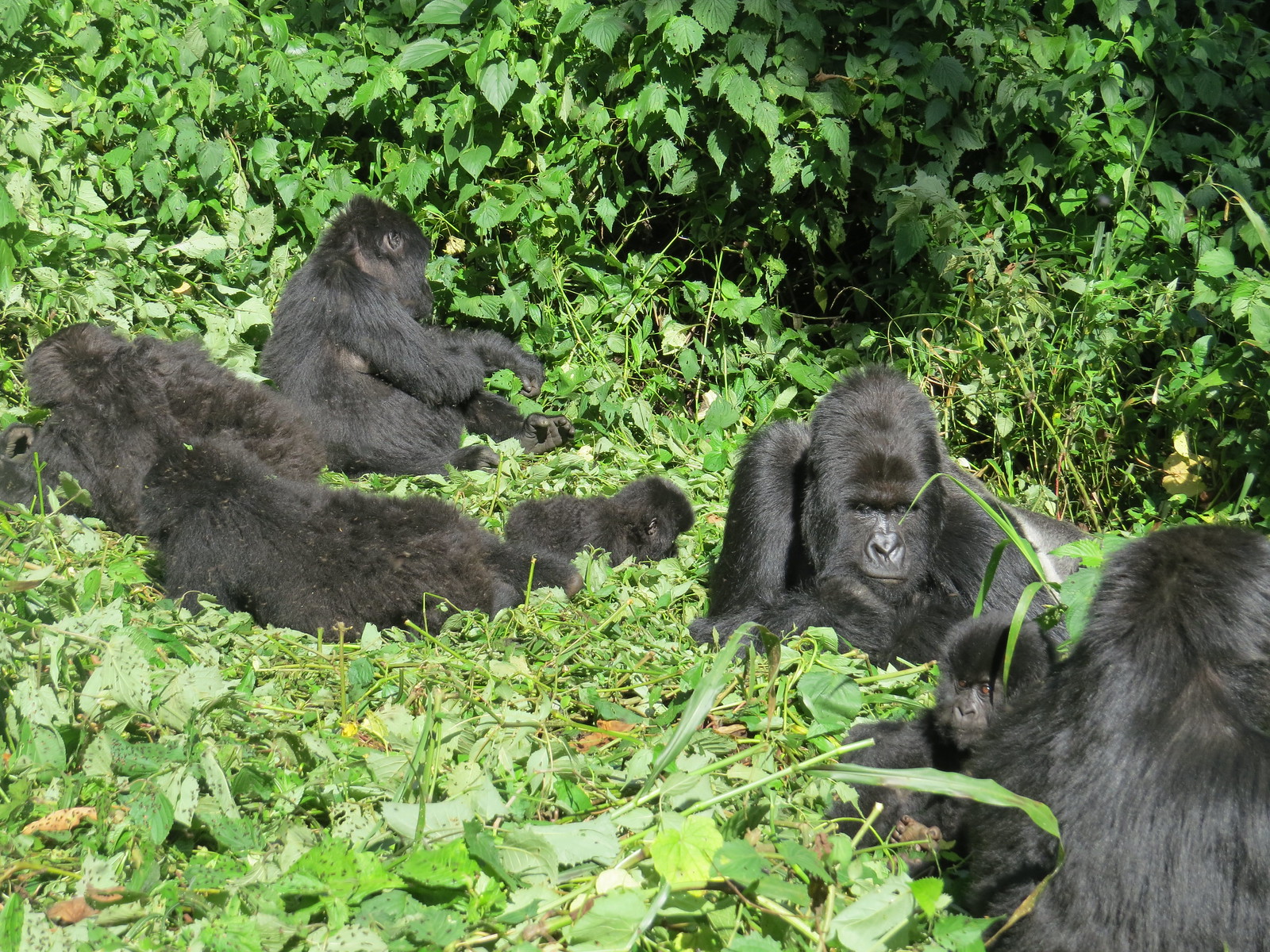
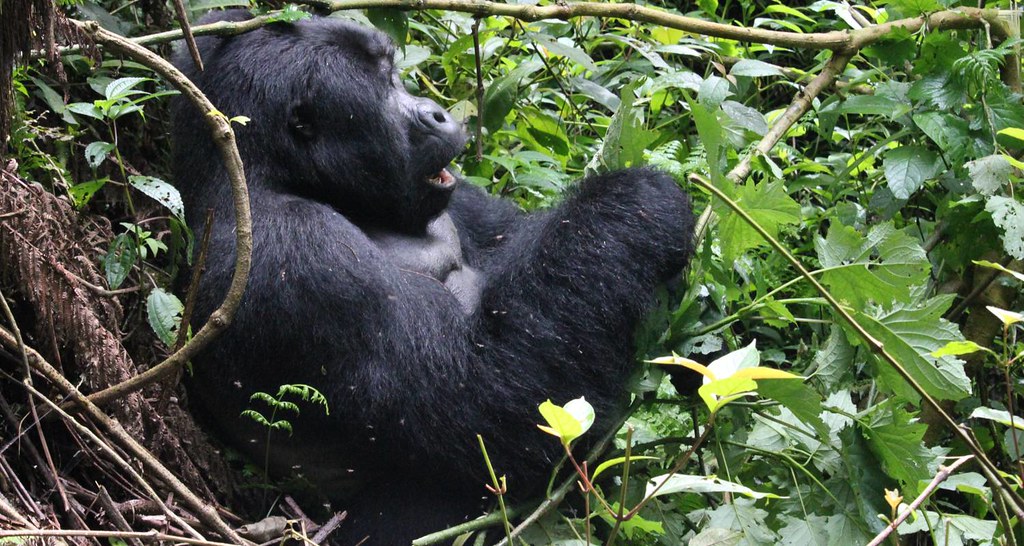
Gorillas "Silverback"

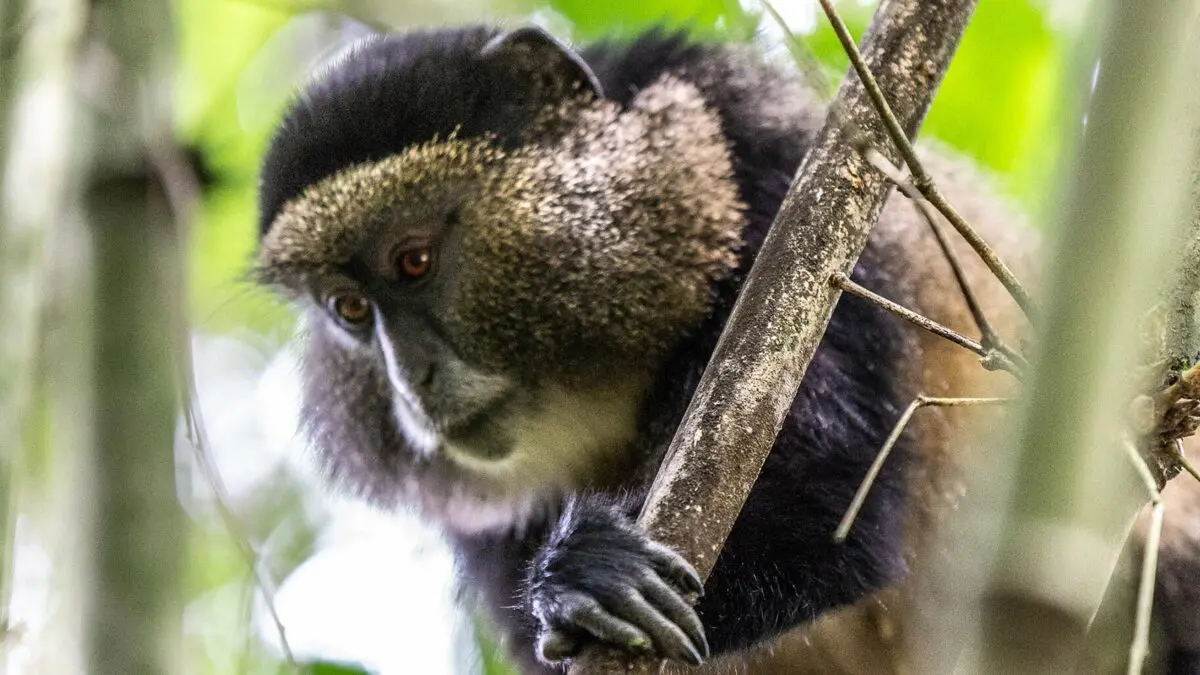
Golden Monkey "Photogenic"

Chimpanzees "Pant-hoot"