Canopy Walks
January 28, 2026
Nature Walk
January 28, 2026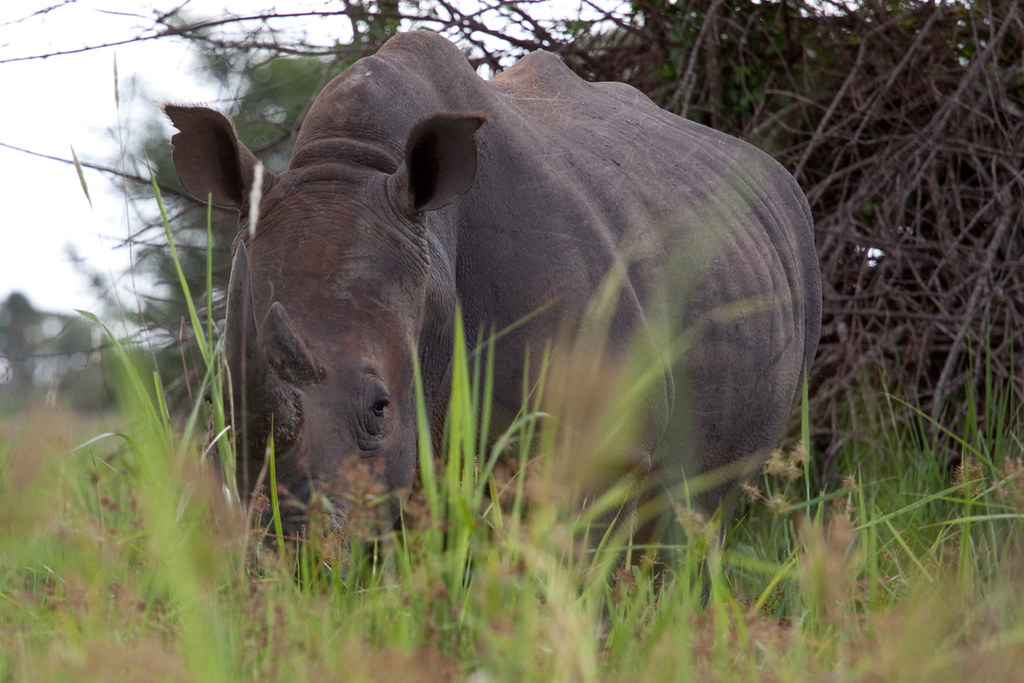


Rhino Tracking
Rhino tracking is one of the most meaningful and immersive wildlife experiences available in Africa today. Unlike traditional game drives, rhino tracking involves following footprints, dung, broken vegetation, and subtle landscape signs on foot, guided by expert rangers and trackers. This experience transforms wildlife viewing into active participation, allowing travelers to understand how conservation works on the ground while coming face to face with one of Africa’s most endangered giants.



Chimpanzee Trekking
Chimpanzee trekking in Africa is a powerful and intimate wildlife experience that combines adventure, education, and conservation. From the dense forests of Uganda and Rwanda to the remote shores of Lake Tanganyika in Tanzania, each destination offers a unique perspective on chimpanzee life in the wild.
Rhino Tracking: A Complete Guide to Experiences Across the Region
Why Rhino Tracking Is Different from Game Drives
Traditional safari game drives offer comfort and broad wildlife coverage, but rhino tracking delivers depth and connection. Walking through the wilderness heightens the senses. Sounds are clearer, scents are stronger, and the landscape feels alive. Travelers learn how trackers read the bush, identify individual rhinos, and interpret behavior patterns that vehicles often pass by unnoticed.
Rhino tracking places travelers within the ecosystem rather than observing it from a distance. This proximity creates a deeper understanding of the challenges rhinos face and the effort required to protect them. The experience becomes both educational and emotional, leaving a lasting impression that goes far beyond photographs.
Where Rhino Tracking Safaris Take Place
Rhino tracking safaris are offered in select conservation areas where rhinos are closely protected. Uganda is renowned for rhino tracking experiences, particularly in protected sanctuaries where white rhinos have been reintroduced after decades of absence. These controlled environments allow safe, ethical tracking while supporting long-term conservation goals.
Other African destinations also offer rhino tracking in private reserves and national parks, where black and white rhinos roam under intensive protection. These locations are chosen for their strong conservation management, trained ranger teams, and commitment to responsible tourism. Each destination offers a unique landscape, from open savannahs to woodland and bush terrain, shaping the tracking experience itself.
The Conservation Importance of Rhino Tracking
Rhino tracking is inseparable from conservation. Many rhino populations survive today because of dedicated protection programs funded partly through tourism. By participating in a rhino tracking safari, travelers directly contribute to ranger salaries, anti-poaching patrols, veterinary care, and habitat management.
Tracking experiences often include conservation briefings that explain monitoring techniques, threat management, and the realities of protecting rhinos in modern Africa. Learning about horn trafficking, translocation efforts, and population recovery adds depth and purpose to the experience. Rhino tracking becomes more than a safari activity; it becomes a form of conservation participation.
What to Expect During a Rhino Tracking Experience
A typical rhino tracking safari begins with a briefing from rangers and guides. Safety procedures, behavior guidelines, and conservation context are explained in detail. Travelers then set out on foot, following fresh tracks and signs through the bush.
The pace is slow and deliberate, allowing time to observe smaller details such as insects, birds, and plant life along the way. Trackers interpret signs in real time, adjusting direction and strategy based on wind, terrain, and rhino movement. When a rhino is located, visitors observe quietly from a safe distance, often watching feeding behavior, social interaction, or simple moments of stillness.
The encounter is usually limited in time to avoid disturbing the animal, reinforcing the ethical foundation of the experience.
Best Time for Rhino Tracking Safaris
Rhino tracking is possible year-round in many destinations, but certain seasons enhance the experience. Dry seasons generally offer easier walking conditions and clearer visibility, as vegetation is less dense. Tracks are easier to read, and rhinos tend to remain closer to water sources.
Wet seasons bring lush landscapes and dramatic scenery, but tracking can be more challenging due to thick vegetation and dispersed wildlife. However, these conditions also provide a richer ecological experience, highlighting the resilience and adaptability of rhinos within their environment.
Choosing the best time depends on traveler preferences, physical comfort, and overall safari itinerary.
Physical Requirements and Accessibility
Rhino tracking does not require extreme fitness, but a reasonable level of mobility is important. Walks can last from one to several hours and may involve uneven terrain. Guides adjust the pace to suit participants, ensuring safety and enjoyment.
This experience is well-suited for travelers seeking active engagement with wildlife rather than passive observation. For many, the physical involvement enhances the sense of achievement and connection.
Photography and Observation During Rhino Tracking
Photography during rhino tracking is about patience and presence rather than rapid shooting. Rhinos move slowly, allowing time to compose thoughtful images that capture texture, scale, and environment. Natural light filtering through vegetation often creates dramatic visual opportunities.
Beyond photography, observing behavior is deeply rewarding. Watching a rhino feed, listen, or respond to scents and sounds reveals the intelligence and awareness of these animals. These quiet moments often become the most powerful memories of the experience.
Ethical Considerations and Responsible Tracking
Ethical rhino tracking prioritizes the welfare of the animal above all else. Strict guidelines govern distance, time spent near rhinos, and group size. Trackers ensure that rhinos are never surrounded or pressured, and encounters end at the first sign of stress.
Travelers are encouraged to follow instructions carefully, move quietly, and respect the authority of guides and rangers. Responsible behavior ensures that rhino tracking remains sustainable and beneficial for both wildlife and conservation programs.
Combining Rhino Tracking with Other Safari Experiences
Rhino tracking fits seamlessly into broader safari itineraries. Many travelers combine it with Big Five game drives, chimpanzee trekking, gorilla trekking, cultural experiences, or scenic fly-in safaris. This combination creates a diverse and enriching journey that showcases multiple facets of Africa’s natural heritage.
Including rhino tracking often adds emotional depth to a safari, as it represents active involvement in conservation rather than observation alone.
The Emotional Impact of Tracking Rhinos on Foot
Standing quietly in the presence of a rhino is a humbling experience. These ancient animals, shaped by millions of years of evolution, symbolize both strength and vulnerability. Seeing them on foot, without the barrier of a vehicle, creates a profound sense of respect and responsibility.
Many travelers describe rhino tracking as one of the most powerful moments of their safari journey. It changes how they view wildlife, conservation, and humanity’s role in protecting the natural world.
Rhino tracking safaris offer one of the most authentic, educational, and emotionally rewarding wildlife experiences in Africa. By combining active exploration, conservation insight, and close encounters with one of the continent’s most endangered species, rhino tracking stands apart from traditional safari activities.
This experience is not just about seeing a rhino. It is about understanding its world, supporting its survival, and walking alongside the people dedicated to protecting it. Rhino tracking leaves travelers with more than memories—it leaves them with purpose, awareness, and a lasting connection to Africa’s wild heart.
Our Recommended Tour Ideas
Please the content should be 110 characters.
Please the content should be 110 characters.
Please the content should be 110 characters.
Please the content should be 110 characters.
Please the content should be 110 characters.

7 Days Rwanda & Uganda Gorilla and Wildlife Safari from Kigali with Volcanoes, Bwindi & Big Game Experiences
Please the content should be 110 characters.
Please the content should be 110 characters.
Please the content should be 110 characters.
What Our Travelers Enjoyed About Primate Safaris

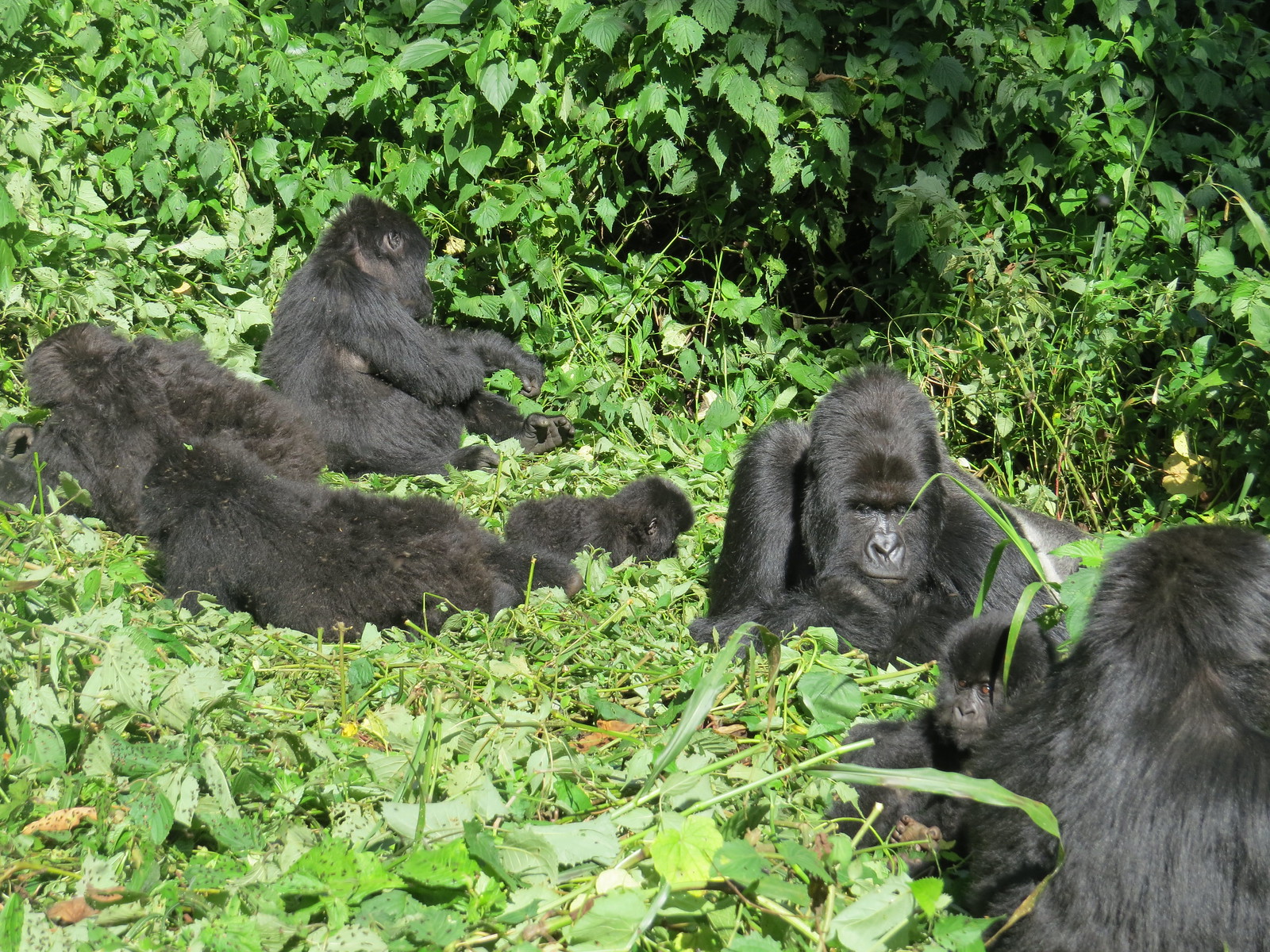
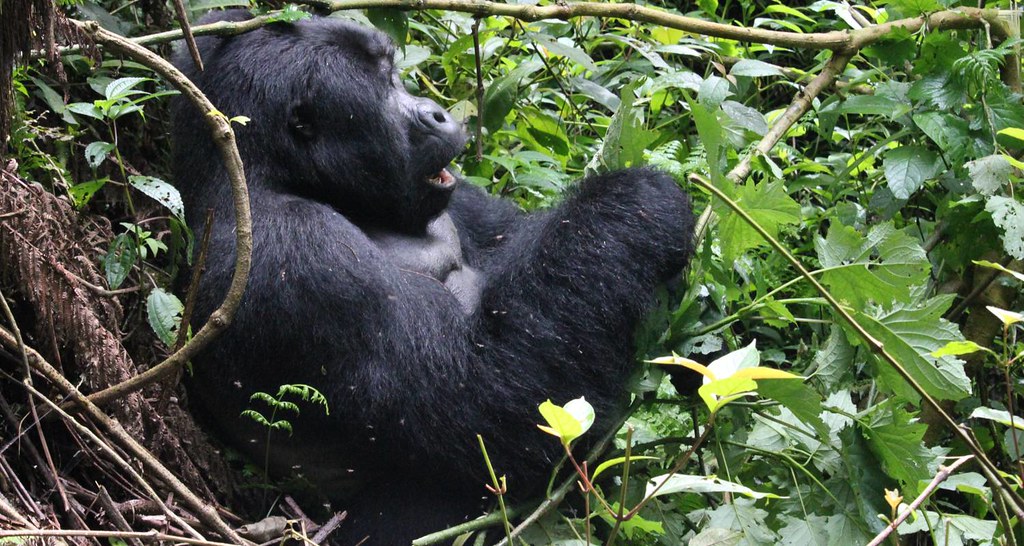
Gorillas "Silverback"
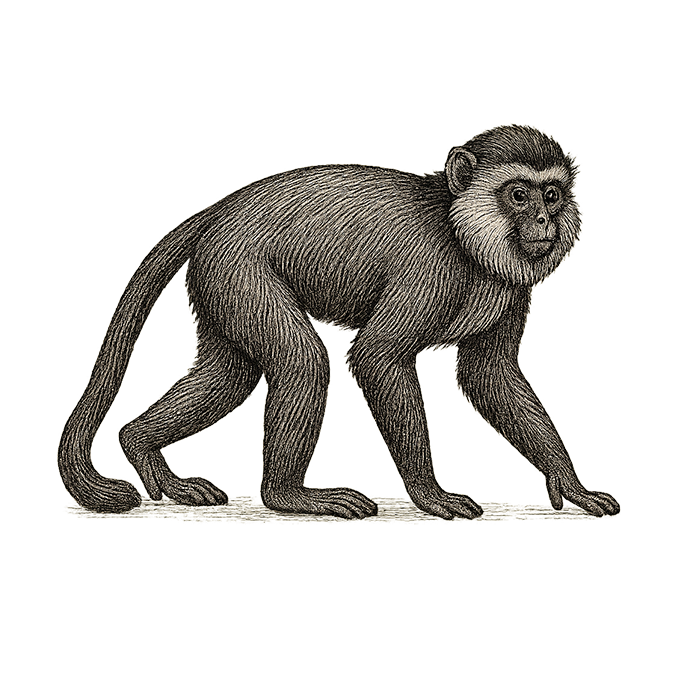
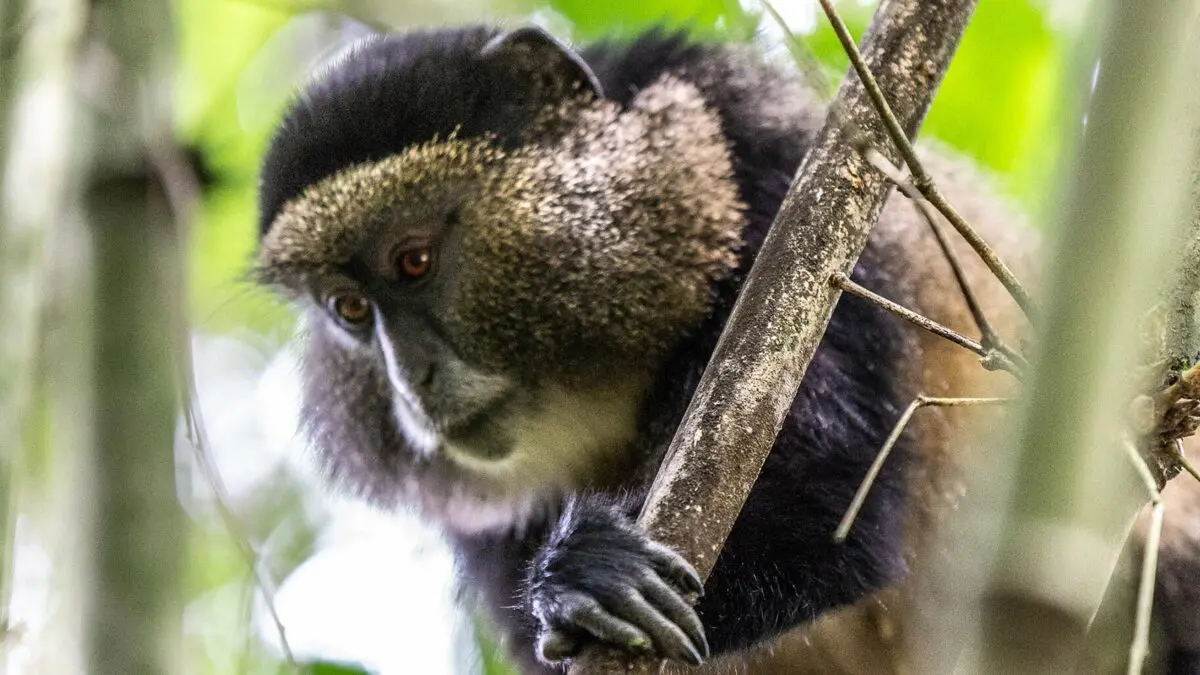
Golden Monkey "Photogenic"
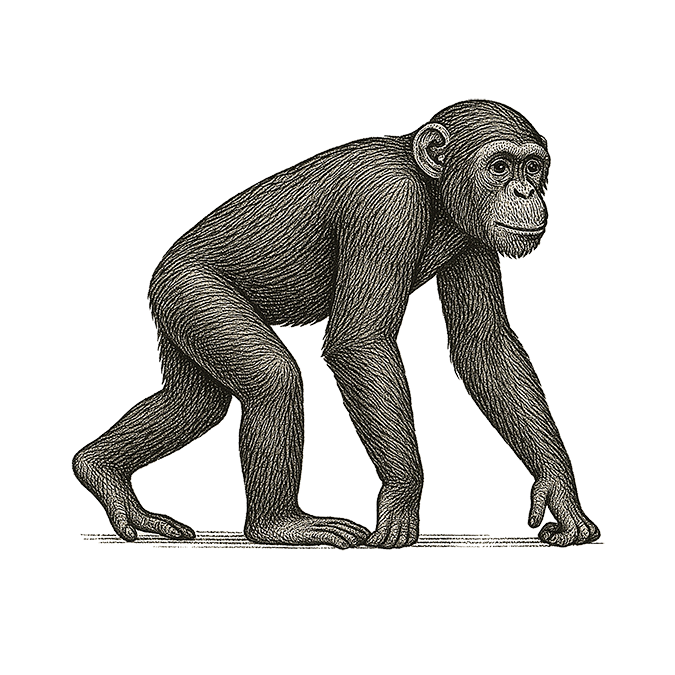
Chimpanzees "Pant-hoot"