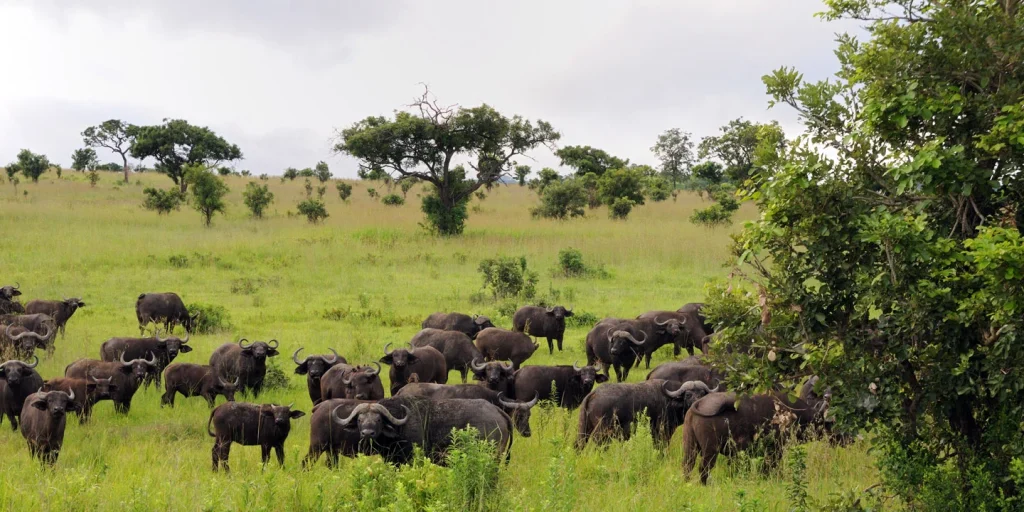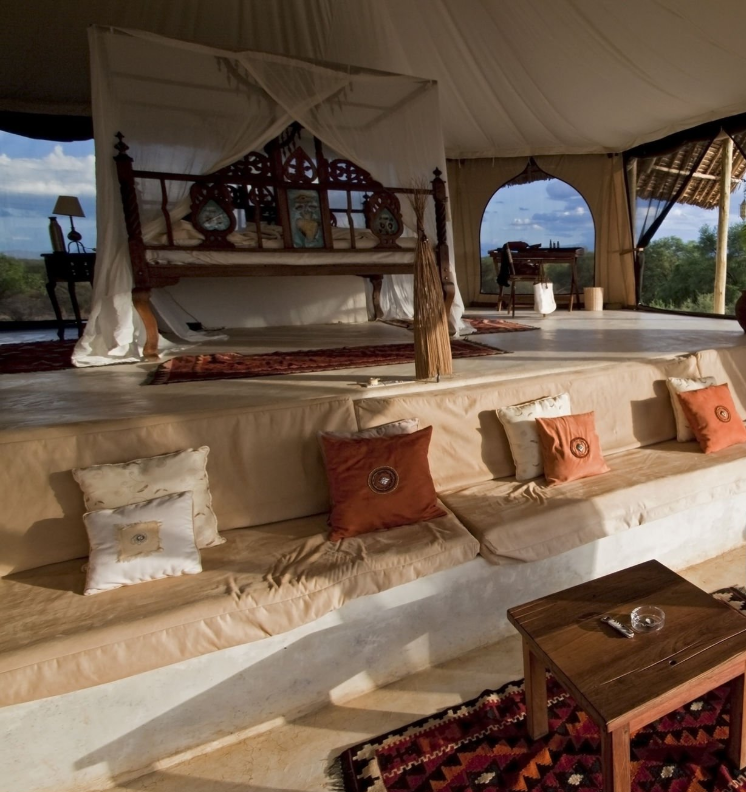
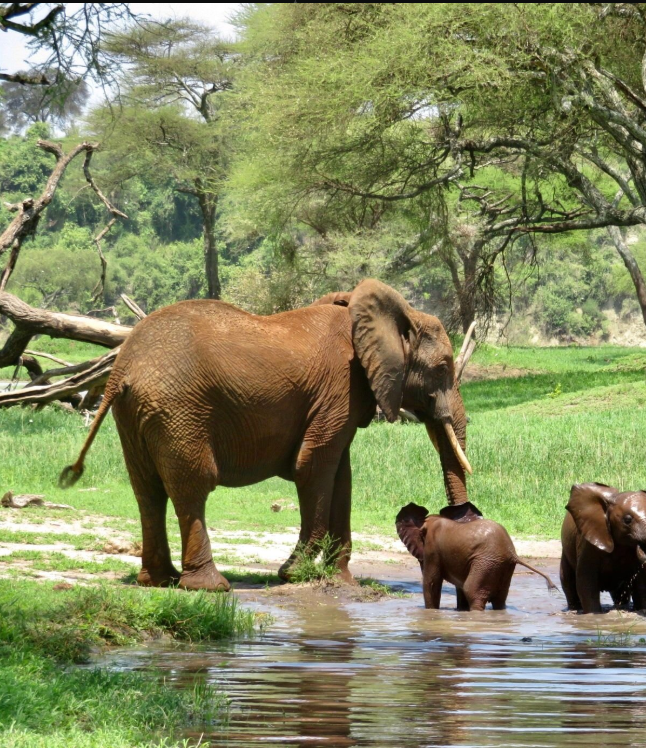
Traveling from Arusha to the Serengeti National Park is an exciting journey that takes you through some of Tanzania’s most breathtaking landscapes. Whether you’re embarking on a safari adventure or simply exploring the natural wonders of East Africa, knowing the best routes, transportation options, and travel tips will ensure a smooth and enjoyable trip. This guide covers everything you need to know about making the journey from Arusha to the Serengeti, including road travel, flights, costs, and essential stops along the way.
1. Overview of the Journey from Arusha to Serengeti
Arusha, often referred to as the “safari capital of Tanzania,” is the primary starting point for travelers heading to the Serengeti. The distance between Arusha and Serengeti National Park varies depending on the entry gate, but it typically ranges between 250 km to 370 km (155 to 230 miles). The most common routes pass through the Ngorongoro Conservation Area, offering stunning views of the Great Rift Valley and the Ngorongoro Crater.
The Serengeti has several entry gates, including:
- Naabi Hill Gate (southeast, most commonly used)
- Ndabaka Gate (western Serengeti)
- Klein’s Gate (northeastern Serengeti)
The travel time can take anywhere from 6 to 10 hours by road, depending on road conditions and stops. Alternatively, travelers can opt for a short 1.5-hour flight from Arusha to one of the Serengeti’s airstrips.
2. Best Ways to Travel from Arusha to Serengeti
A. By Road: Self-Drive or Safari Tour
Route Options:
- Arusha → Karatu → Ngorongoro → Serengeti (Naabi Hill Gate)
- This is the most popular route, passing through the scenic Ngorongoro Conservation Area.
- Distance: ~325 km (~202 miles)
- Travel Time: ~8-10 hours (including stops at viewpoints and park fees processing)
- Arusha → Mto wa Mbu → Lake Manyara → Serengeti (Ndabaka Gate)
- A less common but equally scenic route, passing near Lake Manyara.
- Distance: ~370 km (~230 miles)
- Travel Time: ~7-9 hours
- Arusha → Tarangire → Serengeti (Klein’s Gate)
- Ideal for those visiting Tarangire National Park first.
- Distance: ~280 km (~174 miles)
- Travel Time: ~6-8 hours

Transportation Options:
- Private Safari Vehicle (4×4 Land Cruiser) – The most comfortable and recommended option, usually arranged by tour operators.
- Public Buses & Shared Taxis – Cheaper but less convenient, requiring multiple transfers.
- Self-Drive – Only recommended for experienced drivers with a rugged 4×4 vehicle.
Road Conditions:
- The roads from Arusha to the Serengeti are a mix of tarmac and rough dirt roads, especially inside the parks.
- During the rainy season (March-May & November), some roads may become muddy and difficult to navigate.
Essential Stops Along the Way:
- Ngorongoro Crater Viewpoint – Stunning panoramic views.
- Olduvai Gorge – A significant archaeological site known as the “Cradle of Mankind.”
- Maasai Villages – Cultural stops to learn about local traditions.
B. By Air: Domestic Flights to Serengeti
For those looking to save time or avoid long road trips, domestic flights are an excellent alternative.
Flight Options:
- Arusha Airport (ARK) or Kilimanjaro International Airport (JRO) → Seronera Airstrip (Central Serengeti)
- Flight Duration: ~1.5 hours
- Airlines: Coastal Aviation, Auric Air, Safari Air Link
- Other Airstrips in Serengeti:
- Grumeti Airstrip (Western Serengeti)
- Kogatende Airstrip (Northern Serengeti, great for the great migration)
- Lobo Airstrip (Northern Serengeti)
Pros of Flying:
- Saves time (1.5 hours vs. 8+ hours by road).
- Scenic aerial views of the Serengeti plains.
- Avoids rough roads during the rainy season.
Cons of Flying:
- More expensive than road travel.
- Limited luggage allowance (typically 15 kg per person).
- Less flexibility in terms of stops along the way.
3. Cost of Travel from Arusha to Serengeti
A. By Road:
- Private Safari Vehicle (4×4 Land Cruiser with Driver): $200- $400 per day (depending on the operator).
- Public Transport (Bus & Shared Taxi): $30- $50 (not recommended for first-time visitors).
- Park Entry Fees:
- Serengeti National Park: $70 per person ( foreign adults ), $30 (children).
- Ngorongoro Conservation Area: $70 per person (foreign adults) + additional vehicle fees.
B. By Air:
- One-Way Flight: $250- $400 per person (depending on the season).
- Park Fees Still Apply upon arrival.
4. Best Time to Travel from Arusha to Serengeti
- Dry Season (June-October): Best for wildlife viewing, road conditions are good.
- Wet Season (November-May): Lush landscapes, fewer tourists, but some roads may be challenging.
- great migration Period:
- December-July (Southern & Central Serengeti)
- July-October (Northern Serengeti, Mara River crossings)
5. Tips for a Smooth Journey
✔ book in Advance – Safari vehicles and flights fill up quickly, especially in peak season.
✔ Pack Essentials – Sunscreen, binoculars, camera, light clothing, and a good hat.
✔ Carry Cash – Some remote areas don’t accept credit cards.
✔ Check Visa & Vaccination Requirements – Yellow fever vaccination may be required.
✔ Hire a Knowledgeable Guide – Enhances wildlife spotting and cultural insights.
6. Final Thoughts
Traveling from Arusha to the Serengeti is an unforgettable experience, whether you choose the adventurous road trip through Ngorongoro or a quick flight over the vast plains. Each option offers unique advantages, so your choice depends on budget, time, and travel preferences.
No matter how you get there, the Serengeti’s breathtaking wildlife, endless savannas, and stunning sunsets make the journey well worth it. Plan wisely, and prepare for the adventure of a lifetime!