Best Time to Visit Uganda: A Month-by-Month Guide
The best time to visit Uganda depends heavily on what you’re planning to do once you’re there, since the country’s near-equatorial climate doesn’t swing between a single obvious high season and low season the way some destinations do. Uganda sees rain in every month of the year to some degree, but the difference between its two drier stretches and its two wetter stretches is enough to meaningfully shape trekking conditions, road access, and how crowded the parks feel. This guide walks through the year month by month, so you can match your travel dates to the experience you actually want.
Uganda’s Climate in Brief
Uganda sits almost directly on the equator, which gives it a relatively stable temperature range year-round, generally warm during the day and cool at night, with more variation coming from altitude than from season. What changes throughout the year is rainfall. Uganda has two rainy seasons, a longer one from March to May and a shorter one from October to November, separated by two drier windows, June through September and December through February. Trekking, hiking, and road travel all get noticeably easier during the drier months, while the wetter months bring lush scenery, fewer tourists, and lower prices at the cost of muddier trails.
January and February: Reliable Dry-Season Trekking
January and February sit within Uganda’s short dry season, making them some of the most popular months for gorilla trekking and general wildlife safaris. Trails through Bwindi and Mgahinga are at their most manageable, roads between parks are in good condition, and game viewing in Queen Elizabeth and Murchison Falls tends to be excellent as animals gather more predictably around remaining water sources. The trade-off is that this popularity pushes gorilla permits and lodge availability tighter than in quieter months, so travelers set on these dates should book well ahead.
March, April and May: The Long Rains
These three months bring Uganda’s heaviest rainfall, and trekking becomes noticeably more physical as trails turn muddy and slippery, particularly in Bwindi’s steep terrain. It’s not a reason to avoid the country entirely; the landscape turns a vivid green, birdlife is at its most active, and both permits and lodges become considerably easier to book, often at reduced rates. Travelers who don’t mind rain gear and a slower pace, and who are drawn to the quieter parks and lower prices, often find this an underrated window to visit.
June, July and August: Peak Dry Season
June through August marks Uganda’s most popular travel window, coinciding with the Northern Hemisphere’s summer holidays. Dry trails, clear skies, and strong wildlife visibility make this an excellent stretch for both gorilla trekking and classic game drives, and it’s also a strong period for chimpanzee tracking in Kibale. Expect the busiest parks, the highest lodge rates, and permits that can sell out months in advance, particularly for July and August, so this is the window where booking early matters most.
September: The Dry Season’s Final Stretch
September often gets overlooked in favor of the more heavily marketed June-to-August window, but it typically retains good dry-season trekking conditions while seeing a slight dip in visitor numbers as the Northern Hemisphere’s summer travel season winds down. For travelers who want dry trails and strong game viewing without quite the same crowds or peak pricing as mid-summer, September is worth serious consideration.
October and November: The Short Rains
The short rainy season brings less consistent rainfall than the March-to-May stretch, often arriving as afternoon showers rather than sustained downpours, which still leaves plenty of good trekking days. Crowds thin out noticeably compared to the dry season peaks, permits are easier to secure, and lodges frequently offer better rates. Birdwatchers in particular favor this period, since migratory species pass through Uganda’s wetlands and forests during these months, adding to the country’s already excellent resident birdlife. Serious birders sometimes plan trips specifically around this window for that reason alone, treating the short rains as a specialist season in their own right rather than simply a quieter alternative to the dry months.
December: The Start of the Short Dry Season
December marks the beginning of Uganda’s second dry window, though early in the month conditions can still carry over some rain from November. By the middle of the month, trails are drying out and wildlife viewing conditions are improving heading into the busy holiday period. December sees a surge in demand around Christmas and New Year specifically, so travelers planning a holiday-season trip should book permits and lodges even further ahead than usual.
Regional Differences Worth Knowing
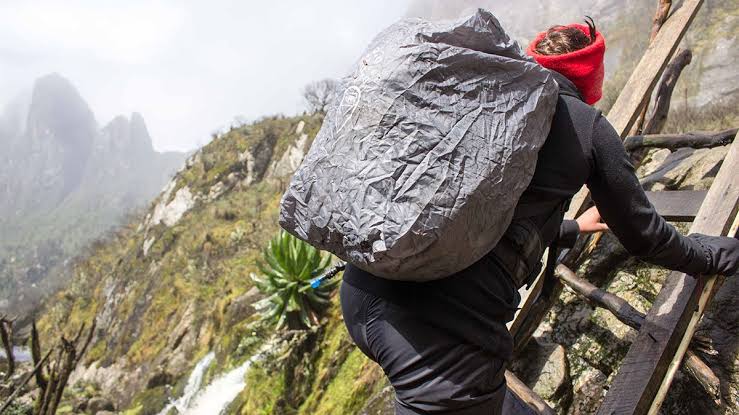
Uganda’s climate isn’t perfectly uniform across the country, and travelers combining several parks in one trip should account for that. Bwindi Impenetrable Forest, at higher altitude in the southwest, tends to run cooler and can hold onto muddy conditions a little longer after the rains ease than lower-lying areas. The Rwenzori Mountains, higher still, see their own distinct and often unpredictable mountain weather regardless of the season in the lowlands. Murchison Falls and Kidepo Valley, further north, generally see a somewhat different rainfall pattern than the south and southwest, sometimes staying drier when Bwindi is still working through the tail end of a wet spell. Building a small buffer into your itinerary between regions, rather than assuming one national forecast applies everywhere, helps avoid surprises.
What to Pack Depending on When You Travel
Regardless of season, layered clothing, a good rain jacket, and sturdy waterproof hiking boots belong in every Uganda packing list, since even the driest months can bring an unexpected shower and temperatures drop noticeably after dark. Travelers visiting during the wetter months should prioritize proper rain gear and gaiters for muddy trekking trails, along with dry bags to protect cameras and electronics. Dry-season visitors can travel slightly lighter on rain protection but should still pack sun protection, a hat, and plenty of insect repellent, since mosquito activity doesn’t disappear just because the rain does. Whatever the month, a fleece or warm layer for early morning trekking starts and cool highland evenings is worth having in every bag.
Choosing Based on What You’re Doing
Gorilla trekkers prioritizing easier trails and predictable conditions should lean toward the dry months, June through September or December through February, while those more focused on birdwatching or willing to trade some mud for lower costs and fewer crowds often prefer the rainy season windows. Wildlife safaris in Queen Elizabeth and Murchison Falls tend to reward the dry season particularly well, since animals concentrate more predictably around water sources as the landscape dries out, making sightings more reliable. If your itinerary combines gorilla trekking with a wider wildlife circuit, reading through our gorilla tracking guidelines alongside this seasonal breakdown will help you plan both halves of the trip around the same weather window.
Budget Considerations by Season
Timing your trip around Uganda’s quieter months is one of the most effective ways to manage overall cost, since lodge rates in particular can drop meaningfully outside the peak dry-season windows. Travelers working through a detailed Uganda safari budget breakdown will find that shifting travel dates by even a few weeks, out of late June through August or the December holidays, can noticeably lower accommodation costs without meaningfully compromising trekking conditions, particularly if you land in September or late in the short rains around November.
How Far Ahead to Book by Season
Booking lead time should shift depending on which window you’re targeting. Anyone traveling during June through August or the December holiday period is best served by booking gorilla permits and lodges six months or more ahead, since these are consistently the tightest months across the whole industry. Shoulder months like September and the second half of the short rains in November carry a more moderate lead time, often three to four months, while the quieter stretches of the long rains from March through May offer more flexibility, sometimes allowing bookings just a few weeks out, though popular lodges near Bwindi can still fill up even in quieter months. Whatever window you’re aiming for, permits are the one component of the trip that consistently rewards booking earlier rather than later, since availability, not price, is usually the binding constraint.
Planning Your Trip Around the Calendar
There’s no single correct answer to when to visit Uganda; the right month depends on whether dry trails and guaranteed sunshine matter more to you than lower prices and quieter parks. Once you’ve settled on a rough window, the next steps are the same regardless of season: confirm your Uganda visa requirements, book gorilla or chimpanzee permits as early as your dates allow, and lock in accommodation before the best lodges near Bwindi and the northern parks fill up. Whichever month you choose, Uganda’s parks deliver a genuinely rewarding trip, the calendar simply shapes which version of that trip you get. Travelers who stay flexible on exact dates and let permit and lodge availability guide the final decision, rather than fixing on one month too early, often end up with the smoothest planning experience of all.
Recommended Tours: 7 Days Uganda Gorilla Trekking and Cultural Experience | 9 Days Uganda Gorilla Safaris & Jinja Nile Cultural Experience