Bikingi and Bushaho: Uganda’s Newest Habituation Groups
Bikingi and Bushaho represent two of the more recent additions to Uganda’s ongoing gorilla habituation program, part of the steady, multi-year effort to expand sustainable trekking capacity as Bwindi Impenetrable National Park’s gorilla population continues its encouraging recovery. Both groups illustrate the same patient, careful process that has shaped every family currently available for trekking across the park’s four sectors, a process spanning years rather than months. This guide covers what makes these newer groups significant and what travelers should know before planning a trek to see them.
Why New Habituation Groups Keep Emerging
As Uganda’s overall mountain gorilla population has grown steadily over recent decades, thanks to sustained conservation investment funded largely through trekking permit fees, park authorities have continued identifying and habituating additional family groups to responsibly expand tourism capacity without overburdening any single existing family with excessive visitor traffic. Bikingi and Bushaho both fit this ongoing pattern of measured, sustainable expansion.
What Sets Newer Groups Apart
Trekking a newly emerging group like Bikingi offers a genuinely different dynamic than visiting a long-established family, with rangers and trackers still actively building out their full understanding of the group’s territorial habits and individual member personalities. Some repeat visitors specifically seek out newer groups for exactly this reason, appreciating the sense of witnessing an early chapter in a family’s documented tourism history.
The Careful Process Behind Every New Group
Before any group reaches the point where standard trekkers or habituation experience participants can safely visit, a dedicated team spends years conducting slow, controlled exposure sessions designed to reduce the family’s natural wariness without ever provoking distress. This patient methodology, refined considerably since Uganda’s earliest habituation work, ensures newer groups like Bikingi and Bushaho are genuinely ready for visitor access by the time they join the trekking roster.
Checking Current Availability for These Groups
Because newly habituated families can see occasional adjustments to permit allocation and access arrangements as park authorities continue refining their management approach, confirming current availability directly with an experienced operator before finalizing travel plans matters more for these groups than for longer-established families. An operator with up-to-date knowledge of the current family roster can advise accurately on what’s actually bookable for your travel dates.
Where These Groups Fit Within Bwindi’s Sectors
Newer habituation groups are typically integrated into the existing sector structure, joining the roster of families available for trekking within their specific geographic area rather than establishing an entirely separate trekking zone. This means visiting Bikingi or Bushaho still follows the same familiar sector-based booking and briefing process trekkers already understand from Uganda’s other four sectors.
Trekking Difficulty and What to Pack
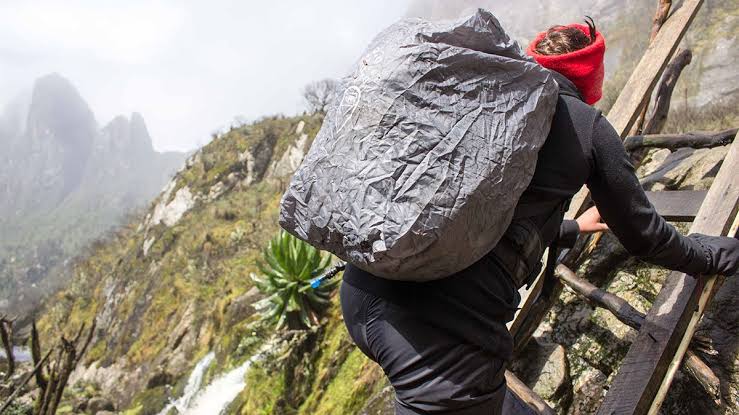
Trekking difficulty for newer groups varies depending on their specific territory and current position, and proper waterproof hiking boots, trekking poles, and rain-ready layered clothing remain essential regardless of which family you’re ultimately assigned to visit. Porters remain worth hiring at the trailhead for both practical support and direct community income.
What This Expansion Means for Permit Booking Long-Term
As Uganda continues adding new habituation groups over time, the overall pool of available permits gradually grows, potentially easing some of the booking pressure that currently makes certain sectors and peak-season dates harder to secure. This long-term trend benefits future travelers even more than those visiting today, as the cumulative effect of ongoing habituation work continues expanding sustainable trekking capacity across the park.
Conservation and What Your Permit Supports
Every gorilla trekking permit fee, regardless of which family you’re assigned to, funds a substantial share of Uganda’s ongoing conservation work, and the continued emergence of new habituation groups like Bikingi and Bushaho stands as direct, tangible evidence of that funding at work, expanding sustainable trekking capacity as the population continues to grow.
What Makes Documenting a Brand-New Group Exciting for Researchers
For the researchers and rangers involved, working with a genuinely new group like Bikingi or Bushaho offers the rare chance to document a family’s tourism story from its very earliest days, building the kind of detailed foundational record that will inform how this specific group is understood for decades to come. This documentation work mirrors, in miniature, the same careful process that produced the rich historical record now available for Uganda’s longest-established families.
Common Questions About These Newer Groups
Trekkers frequently ask whether newer groups are less reliable to visit than established families, and the answer is no, families are only opened for tourism once fully habituated, meaning the fundamental viewing experience remains consistent regardless of how recently a family joined the roster. Visitors also ask how to specifically request one of these newer groups, and communicating this interest clearly to your operator, while final assignment ultimately rests with park authorities, gives you the best realistic chance.
Why This Progress Reflects a Broader Regional Trend
The ongoing expansion of habituated gorilla families across Uganda parallels similar growth in Rwanda and DRC’s own gorilla populations, together forming a genuinely encouraging regional trend that stands in stark contrast to the mountain gorilla’s critically endangered status just a few decades ago. New groups like Bikingi and Bushaho are a direct, visible piece of that broader, remarkable conservation recovery story.
Why Expanding Family Numbers Matters
Adding newly habituated families to the trekking roster serves a genuinely important conservation function beyond simply accommodating growing visitor demand, helping distribute tourism pressure across a wider number of groups rather than concentrating repeated daily visits on the same handful of long-established families. This approach supports both gorilla welfare and a more sustainable long-term tourism model for the entire park.
What the Names Bikingi and Bushaho Suggest
Like most habituated gorilla families across Uganda, both groups likely draw their names from local geographic features, plant life, or other meaningful references tied to their specific home territory within Bwindi, following the same naming conventions seen across the park’s other habituated families. Rangers familiar with each group’s specific territory can usually explain the exact story behind a name during the pre-trek briefing for visitors curious to learn more.
How Trekkers Have Responded to These New Groups
Early feedback from trekkers who’ve visited newly opened groups like Bikingi has generally been positive, with visitors describing encounters just as emotionally powerful as those with longer-established families, reinforcing that a group’s tourism history length has little bearing on the fundamental quality of the actual gorilla encounter itself. This consistency across both new and established families reflects the rigor of Uganda’s habituation standards before any group opens to visitors.
What Comes Next for Uganda’s Habituation Program
Bikingi and Bushaho almost certainly won’t be the last new groups to join Uganda’s trekking roster, since the country’s ongoing conservation success continues to support further expansion of habituated families as the broader gorilla population grows. Travelers interested in staying current on Uganda’s evolving family roster should check with their operator for the latest updates closer to their travel dates.
How These Groups Compare to Rwanda’s Newer Families
Rwanda’s Volcanoes National Park has followed a broadly similar pattern of periodically introducing newly habituated families as its own gorilla population has grown, meaning travelers curious about newer groups have options on both sides of the border. Comparing the two countries’ approaches to expanding trekking capacity offers an interesting window into how each nation balances tourism growth with genuine conservation priorities.
Why First-Time Visitors Shouldn’t Worry About Choosing a Newer Group
Travelers occasionally worry that being assigned to a newer, less-documented family somehow represents a lesser experience compared to a historically significant group, but this concern doesn’t hold up in practice, since every family, regardless of how recently it joined the roster, must meet the same rigorous habituation standards before opening to visitors. First-time trekkers assigned to Bikingi, Bushaho, or any other newer group can trek with full confidence in the quality of the encounter ahead.
Why Some Operators Actively Recommend These Newer Groups
Given their generally lower current profile compared to Bwindi’s most famous families, some operators actively steer flexible clients toward Bikingi or Bushaho specifically to help distribute visitor numbers more evenly, a recommendation that genuinely benefits both trekkers seeking a quieter experience and the broader sustainability goals behind expanding the habituated roster.
What Long-Term Trekkers Can Learn From Following These Groups
Serious repeat visitors who track Uganda’s evolving gorilla family roster over multiple trips find genuine value in specifically visiting newer groups like Bikingi and Bushaho early, then returning years later to observe how each family’s story and composition has developed since that first encounter.
Planning Your Visit
Whether you’re drawn to Bikingi, Bushaho, or one of Uganda’s more established families, working with an experienced operator who stays current on the country’s evolving habituation program gives you the clearest, most accurate picture of your options before booking your gorilla trekking trip, ensuring your assignment matches what you’re genuinely hoping to experience, whether that’s a storied founding group or a family still writing its first chapters of documented tourism history, each contributing to the same remarkable conservation story.
Recommended Tours: 3 Days Bwindi Gorilla Trekking Safari | 7 Days Classic Rwanda Safari