Bird Watching at Lake Nakuru National Park: A Feathered Paradise in the Heart of Kenya
Nestled in the heart of Kenya’s Rift Valley, Lake Nakuru National Park is a sanctuary where birds, wildlife, and scenic beauty converge to create one of Africa’s most extraordinary natural experiences. Famous for its alkaline waters, spectacular flocks of flamingos, and rich biodiversity, the park has long been recognized as a global bird-watching destination. For travelers, photographers, and nature enthusiasts, Lake Nakuru offers a rare combination of adventure, tranquility, and immersive wildlife observation. Every visit presents the chance to witness a living mosaic of feathers, color, and motion, all set against the backdrop of sweeping savannahs and shimmering waters.
The Shimmering Heart of the Park: Lake Nakuru
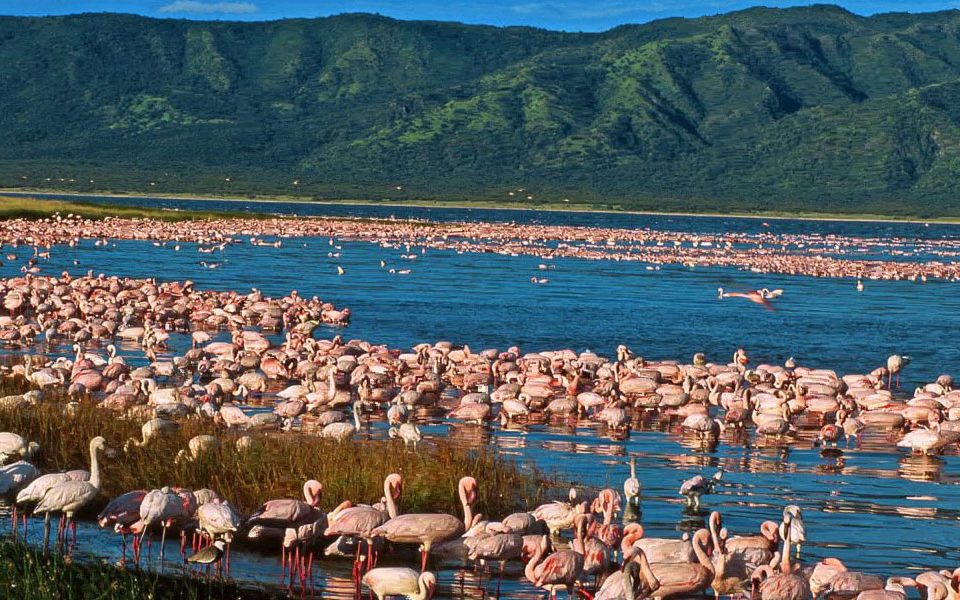
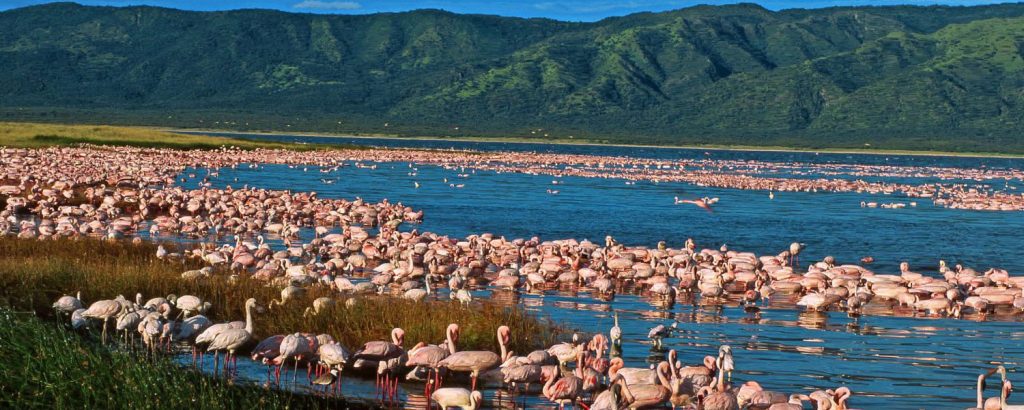
At the center of the park lies Lake Nakuru, a shallow alkaline lake whose mineral-rich waters support vast colonies of algae and invertebrates, forming the primary food source for many bird species. The lake’s shores are often adorned with thousands, sometimes hundreds of thousands, of flamingos, creating a spectacle of pink that stretches across the horizon. The sight of these birds wading, feeding, and taking flight in synchrony is mesmerizing-a natural display of rhythm, color, and movement that draws visitors from around the world.
Lake Nakuru’s water levels fluctuate seasonally, influencing the distribution of birds and their feeding patterns. During the rainy season, the lake expands, attracting more flamingos and migratory species. Conversely, in drier months, the concentration of birds in shallower areas creates opportunities for closer observation and photography. This dynamic ecosystem ensures that no two visits are ever exactly the same, and bird-watchers are constantly rewarded with new and unexpected sightings.
The Flamingos: Stars of the Alkaline Lake
No discussion of bird watching at Lake Nakuru would be complete without the flamingos. Both lesser flamingos and greater flamingos grace the lake, forming vast, densely packed flocks that create vivid patterns across the water. Their pink and coral hues, a result of their diet rich in algae and crustaceans, provide a striking contrast against the turquoise waters and green shoreline.
Watching flamingos feed is a rhythmic and mesmerizing experience. They often bend gracefully, submerging their heads in the water while elegantly balancing on one leg. When startled or in unison, their synchronized flight creates waves of color and motion, an awe-inspiring spectacle that remains etched in memory. Bird-watchers and photographers alike find endless fascination in observing the subtle social behaviors within these massive flocks.
Beyond Flamingos: The Avian Diversity of Lake Nakuru
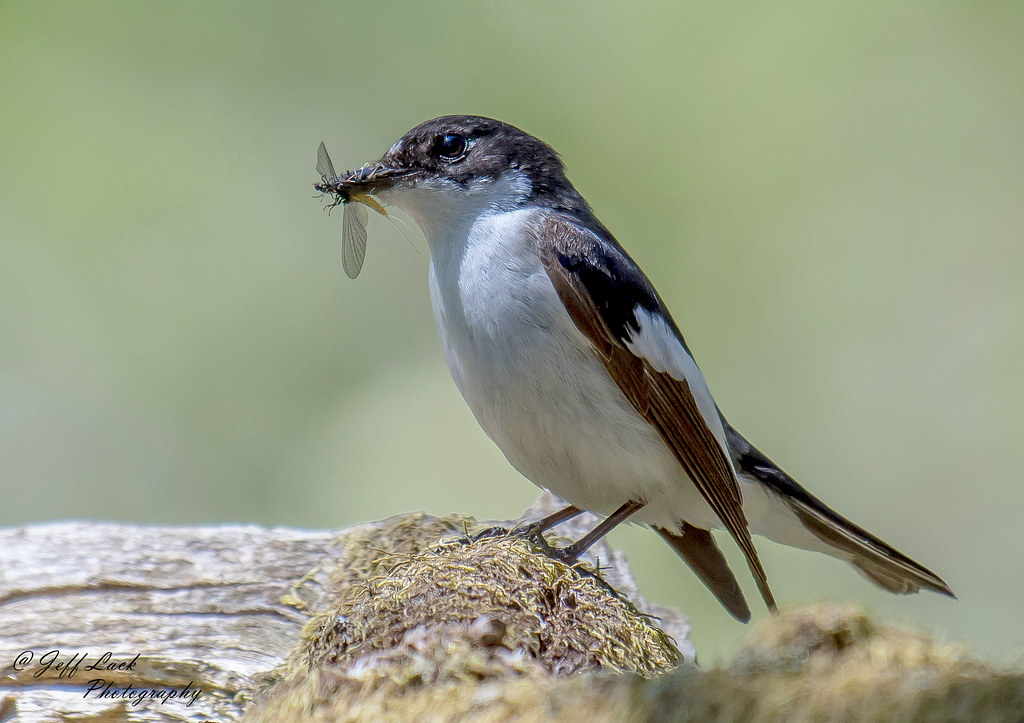
While flamingos dominate the landscape, Lake Nakuru National Park is home to over 450 species of birds, making it a paradise for bird enthusiasts. These species span waterfowl, raptors, waders, and forest-dwelling birds, each contributing to the park’s vibrant avian ecosystem.
Some of the park’s notable species include:
-
African Fish Eagles, soaring high above the lake with piercing calls.
-
Great White Pelicans and cormorants, diving skillfully into the lake for fish.
-
Grey Crowned Cranes, adding elegance and movement to the grassy plains.
-
Kingfishers, their bright plumage flickering along the lake’s edges.
-
Herons, storks, and ibises, foraging gracefully in shallow waters.
Migratory species from Europe and Asia also frequent the park, particularly during seasonal movements, adding variety and excitement for bird-watchers keen on recording rare or unusual sightings. Each season brings a new cast of characters, ensuring that the park remains a dynamic and engaging destination for ornithologists and travelers alike.
Ideal Locations for Bird Watching
Lake Nakuru offers diverse habitats that attract different bird species, allowing visitors to plan targeted excursions depending on their interests. Key bird-watching zones include:
-
The lake shores and mudflats, where flamingos, pelicans, and wading birds congregate in massive numbers.
-
Acacia and bushland areas, providing shelter and nesting sites for sunbirds, hornbills, and raptors.
-
Riparian zones along small inlets and streams, ideal for kingfishers, herons, and other water-dependent species.
Guided tours maximize bird-watching opportunities. Experienced guides help identify elusive species, locate nesting sites, and provide insights into bird behaviors and ecological relationships. Early morning and late afternoon are particularly productive, as cooler temperatures encourage activity among both resident and migratory birds.
Combining Bird Watching with Safari
Lake Nakuru is not only a birding destination; it is also home to a rich array of mammals, allowing visitors to combine bird watching with classic safari experiences. The park is known for:
-
Black and white rhinos, carefully protected within fenced areas.
-
Buffaloes, giraffes, and zebras, roaming freely across the savannah.
-
Predators such as lions, leopards, and hyenas, whose presence adds a dynamic dimension to the ecosystem.
The interaction between birds and mammals is fascinating. Observing flamingos near grazing buffaloes or fish eagles patrolling above water highlights the intricate balance of the ecosystem. This blend of avian and terrestrial wildlife makes Lake Nakuru a multi-dimensional adventure for photographers, naturalists, and nature lovers alike.
Bird Watching Tips and Photography
For bird-watchers and photographers, Lake Nakuru provides ample opportunities, but preparation ensures the best experience:
-
Bring binoculars and a spotting scope for distant or hidden species.
-
Use a telephoto lens for photographing birds without disturbing them.
-
Visit during early morning or late afternoon for optimal light and heightened bird activity.
-
Observe quietly and patiently, as sudden movements can startle birds and disrupt natural behaviors.
-
Keep a field guide or notebook handy to record species, behaviors, and observations.
Photography enthusiasts should embrace patience. Capturing a flock of flamingos taking flight or a fish eagle swooping for prey requires both timing and understanding of avian behavior. Every moment on the lake is an opportunity to witness a display of natural elegance.
Conservation and Sustainability
Lake Nakuru National Park plays a critical role in avian and wildlife conservation. Its flamingo populations, rhinos, and other species are protected from poaching and habitat loss, while careful management ensures that water quality and ecosystems remain intact. Ecotourism, including bird-watching visits, provides funding for these efforts and supports local communities by creating jobs and promoting sustainable practices.
Visitors to Lake Nakuru contribute to the ongoing protection of these species simply by participating in responsible tourism. Observing wildlife without interference, adhering to park rules, and supporting guided tours are all part of fostering a sustainable, respectful relationship with nature.
Best Time to Visit
The best bird-watching experiences often occur during the wet season, when flamingo populations peak and the lake is full of life. Migratory birds are most abundant between October and March, providing opportunities to see unusual species and seasonal visitors. Daily timing is also important; mornings and late afternoons offer optimal light, calmer waters, and increased bird activity.
Why Bird Watching at Lake Nakuru is Unforgettable
Bird watching at Lake Nakuru National Park is more than a hobby-it is an immersive journey into one of Africa’s richest ecosystems. From vast flocks of flamingos painting the waters pink to the piercing cries of African fish eagles above, every sight, sound, and movement is an invitation to marvel at nature’s intricacy.
For photographers, naturalists, and adventure travelers, the park offers endless opportunities to observe, record, and connect with wildlife. The combination of stunning landscapes, diverse bird populations, and the presence of iconic African mammals makes Lake Nakuru a destination that rewards patience, curiosity, and exploration.
Recommended Tours: 8 Days Kenya Wildlife Safari | 4 Days Amboseli & Masai Mara