Black-and-White Colobus Monkeys of Nyungwe Forest
Black-and-white colobus monkeys of Nyungwe Forest rank among East Africa’s most visually striking primates, their flowing white mantle and tail contrasting dramatically against jet-black fur as they leap through the forest canopy in some of the largest primate groups found anywhere on the continent. Rwanda’s Nyungwe Forest National Park hosts genuinely exceptional colobus viewing, with troops sometimes numbering in the hundreds moving together through the treetops in a spectacle unmatched elsewhere in East Africa. This guide covers what makes these primates so remarkable and where to find them in Nyungwe.
What Makes Colobus Monkeys So Visually Striking
The Angolan black-and-white colobus, the specific subspecies found in Nyungwe, carries a dramatic cape of long white fur draped across its shoulders and a spectacular white-tufted tail that trails behind as the animal moves, creating a genuinely mesmerizing visual effect during group movement through the canopy. This distinctive appearance, combined with their acrobatic leaping ability, makes colobus sightings a photography highlight for many Nyungwe visitors.
Nyungwe’s Famous Colobus Super-Troops
Nyungwe is internationally recognized for hosting some of the largest documented black-and-white colobus troops anywhere in Africa, with some groups reported to include several hundred individuals moving and foraging together. Witnessing one of these super-troops in motion, dozens or hundreds of colobus leaping simultaneously between trees, ranks among the most spectacular primate encounters available anywhere in East Africa.
Why Colobus Monkeys Form Such Large Groups
Unlike many primate species that maintain smaller, more territorial family units, colobus monkeys’ unusually large group sizes in Nyungwe likely reflect the forest’s rich food availability and relatively low predation pressure, allowing troops to grow considerably larger than typical for the species elsewhere in Africa. Researchers studying these super-troops continue investigating exactly what combination of factors supports such exceptional group sizes.
How Guides Track Down a Super-Troop
Locating a full colobus super-troop requires genuine skill from Nyungwe’s guides, who track recent sightings, listen for the group’s distinctive vocalizations echoing through the canopy, and read subtle signs of recent feeding activity to anticipate where a troop is likely moving next. This tracking expertise, built over years of daily forest work, significantly improves visitors’ chances of witnessing a genuinely large gathering rather than a smaller splinter group.
Where to Find Colobus Monkeys in Nyungwe
Colobus monkeys can be encountered throughout much of Nyungwe’s extensive forest, though certain trails near the park’s main visitor areas offer particularly reliable sighting opportunities. Guided walks specifically targeting colobus viewing, distinct from the park’s chimpanzee tracking activities, give visitors the best chance of witnessing a full super-troop in action.
What Rangers Look For to Confirm a Sighting Is Genuinely a Super-Troop
Distinguishing a genuine super-troop from a smaller splinter group requires experienced observation, since colobus troops sometimes temporarily separate while foraging before reconvening later in the day, and only a trained eye can reliably estimate whether a given group represents the full assembled troop or just a portion moving independently. This is part of why working with Nyungwe’s most experienced guides genuinely improves your odds of witnessing the full spectacular gathering rather than a smaller fraction of it.
Best Time of Day for Colobus Sightings
Early morning hours generally offer the most active colobus viewing, as troops move through the canopy in search of the young leaves and shoots that make up much of their diet, before settling into quieter resting periods during the heat of midday. Planning a dedicated morning walk specifically for colobus viewing maximizes your chances of a genuinely memorable encounter.
Colobus Behavior Worth Watching For
Beyond their dramatic appearance, colobus monkeys display genuinely fascinating leaping behavior, launching themselves across substantial canopy gaps with their tail acting as a counterbalance during flight, a physical feat that never fails to impress first-time observers. Group vocalizations, deep, resonant calls used to coordinate troop movement, add an auditory dimension to the visual spectacle.
Combining Colobus Viewing With Nyungwe’s Other Activities
Nyungwe offers considerably more than colobus viewing alone, including chimpanzee tracking, canopy walk access, and exceptional birding opportunities, making it entirely feasible to combine a dedicated colobus walk with other primate and wildlife activities across a multi-day Nyungwe stay.
What to Wear and Bring for a Colobus Walk
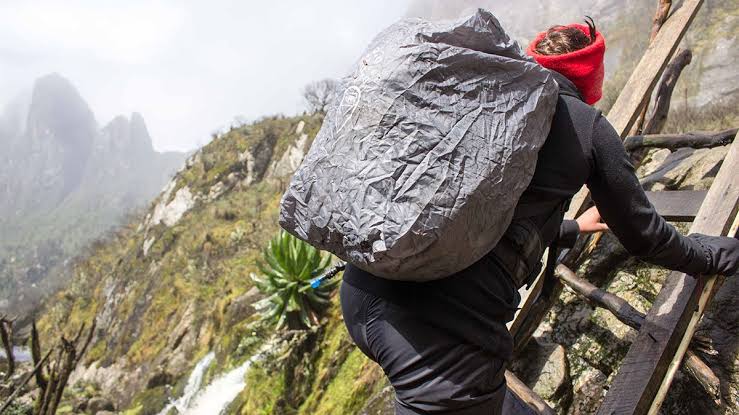
A colobus walk calls for the same general forest-trekking essentials as other Nyungwe activities, sturdy waterproof footwear, rain protection given the forest’s genuinely high rainfall, and binoculars for spotting individual details high in the canopy that even a good camera lens might miss. Comfortable, moisture-wicking clothing suited to Nyungwe’s humid montane climate rounds out a sensible packing list for this specific activity.
Photography Tips for Colobus Monkeys
Capturing colobus monkeys in motion requires a genuinely fast shutter speed given their rapid canopy leaps, and photographers should prioritize good lighting conditions, typically the early morning hours, alongside a telephoto lens capable of reaching well into the forest canopy where colobus spend the vast majority of their time.
What Other Wildlife You Might Encounter Along the Way
A dedicated colobus walk through Nyungwe often turns up incidental sightings of other forest primates, including L’Hoest’s monkeys and various bird species drawn to the same rich forest habitat, adding genuine variety to what might otherwise be framed as a single-species outing. Guides familiar with the forest’s broader wildlife are usually happy to point out these additional sightings along the trail.
Conservation Status and Why Nyungwe Matters
While black-and-white colobus monkeys aren’t currently classified as critically endangered, habitat loss across much of their broader African range makes protected forests like Nyungwe genuinely important strongholds for the species, and Nyungwe’s exceptional super-troop sizes reflect the forest’s overall ecological health.
How Colobus Diet Shapes Their Ecological Role
As primarily leaf-eating primates equipped with a specialized multi-chambered stomach capable of breaking down cellulose that most animals can’t digest, colobus monkeys play a genuinely important ecological role in Nyungwe, influencing forest regeneration patterns through their selective feeding on young leaves and shoots across the canopy. This specialized digestive adaptation also explains why colobus can sustain such unusually large group sizes without the same intense food competition that limits group size in more fruit-dependent primates.
What Sets Nyungwe’s Colobus Apart From Other East African Populations
While black-and-white colobus monkeys occur across several forest habitats in East and Central Africa, Nyungwe’s population stands out specifically for its documented super-troop phenomenon, a scale of group cohesion rarely matched elsewhere in the species’ range. This distinction has made Nyungwe a genuine point of interest for primatologists studying colobus social structure beyond its appeal as a tourist attraction.
Combining Colobus Viewing With Rwanda’s Broader Primate Circuit
Travelers visiting Nyungwe specifically for colobus viewing often find it worthwhile to combine the visit with Rwanda’s broader primate offerings, including Volcanoes National Park’s mountain gorillas and golden monkeys, creating a genuinely comprehensive primate-focused itinerary within a single, relatively compact country.
Common Questions About Nyungwe’s Colobus Monkeys
Visitors frequently ask whether colobus viewing requires a separate permit from Nyungwe’s chimpanzee tracking activities, and yes, these typically represent distinct guided walks with their own booking process, so confirming exactly which activities your itinerary includes matters before arrival. Travelers also ask how long a typical colobus walk lasts, and most guided walks run two to three hours, considerably more flexible in structure than the strict one-hour gorilla trekking format found elsewhere in the region.
Why This Sighting Ranks Among East Africa’s Best Primate Experiences
Few primate encounters anywhere in Africa match the sheer visual spectacle of a Nyungwe colobus super-troop in motion, and travelers who’ve witnessed both gorilla trekking and a major colobus sighting often describe the two as offering genuinely different but equally memorable kinds of primate wonder, one intimate and close-range, the other expansive and dynamic.
Why Video, Not Just Photography, Captures This Sighting Best
Given the sheer motion and scale involved when a full super-troop moves through the canopy together, many visitors find video footage captures the spectacle’s true energy considerably better than still photography alone, a worthwhile consideration for travelers deciding how to document this specific encounter.
How This Sighting Compares to Gorilla Trekking Emotionally
Where a gorilla encounter typically feels intimate and quiet, a colobus super-troop sighting delivers something closer to genuine spectacle, dozens of animals in simultaneous motion, offering trekkers a deliberately different emotional register within the same broader Rwanda primate itinerary.
Why This Sighting Deserves Dedicated Planning Rather Than an Afterthought
Given how genuinely rare a full super-troop sighting can be even within Nyungwe itself, allocating dedicated time and a specifically focused colobus walk, rather than hoping for an incidental glimpse during other activities, meaningfully improves your odds of witnessing this signature spectacle.
Planning Your Visit to See Nyungwe’s Colobus
Working with an experienced operator familiar with Nyungwe’s specific trails and current colobus troop locations helps ensure you maximize your chances of witnessing one of these spectacular super-troops during your Rwanda trip, ideally combined with the park’s other remarkable wildlife offerings, for a primate experience genuinely unlike anything else available in the region.
Recommended Tours: 7 Days Classic Rwanda Safari | 3 Days Bwindi Gorilla Trekking Safari