
In today’s fast-paced financial world, credit cards have become an essential tool for managing money, building credit, and even unlocking opportunities. Yet, many people still ask, “Can I use credit cards responsibly?” The answer is a resounding yes—but with the right knowledge and discipline.

This article will explore the power of credit cards, how to use them wisely, and why they can be a game-changer in your financial journey. Whether you’re a student, a professional, or someone looking to improve their credit score, understanding credit cards can open doors to financial freedom.
The Power of Credit Cards
Credit cards are more than just pieces of plastic—they are financial instruments that, when used correctly, can offer convenience, security, and rewards. Here’s why they matter:
1. Building Credit History
Your credit score is a crucial factor in securing loans, renting an apartment, or even landing certain jobs. Credit cards, when used responsibly, help establish and improve your credit history. By making timely payments and keeping your credit utilization low, you demonstrate financial reliability to lenders.
2. Convenience and Security
Unlike cash, credit cards offer fraud protection. If your card is stolen or misused, most issuers provide zero-liability policies, ensuring you’re not held responsible for unauthorized transactions. Additionally, credit cards are widely accepted, making online shopping and travel hassle-free.
3. Rewards and Perks
Many credit cards come with cashback, travel points, or discounts. From airline miles to exclusive event access, these perks can add significant value if you pay off your balance in full each month.
4. Emergency Financial Backup
Life is unpredictable. A credit card can serve as a temporary safety net during emergencies—whether it’s an unexpected medical bill or a car repair. However, this should be a last resort, not a habitual practice.
How to Use Credit Cards Wisely
While credit cards offer numerous benefits, mismanagement can lead to debt and financial stress. Here’s how to stay in control:
1. Pay Your Balance in Full Every Month
The golden rule of credit cards is to avoid carrying a balance. Interest rates can be high, turning small purchases into long-term debts. If you can’t pay it off immediately, reconsider the purchase.
2. Track Your Spending
It’s easy to overspend with a credit card. Use budgeting apps or set spending alerts to monitor your transactions. Staying within your means ensures you never fall into a debt trap.
3. Avoid Minimum Payments
Paying only the minimum due keeps you in debt longer due to accumulating interest. Always aim to clear the full statement balance.
4. Choose the Right Card
Not all credit cards are the same. Some are designed for travel, others for cashback or students. Research and pick one that aligns with your financial habits and goals.
5. Keep Your Credit Utilization Low
Experts recommend using less than 30% of your available credit limit. High utilization can negatively impact your credit score.
Common Myths About Credit Cards
Many people hesitate to use credit cards due to misconceptions. Let’s debunk a few:
Myth 1: “Credit Cards Lead to Debt”
Truth: Credit cards don’t cause debt—poor spending habits do. With discipline, they can be a tool for financial growth.
Myth 2: “You Need to Carry a Balance to Build Credit”
Truth: You don’t need to pay interest to improve your credit score. Simply using your card and paying on time is enough.
Myth 3: “Having Multiple Cards Hurts Your Credit”
Truth: Multiple credit cards can actually help if managed well. They increase your total credit limit, lowering your utilization ratio.
Inspiring Success Stories
Many financially savvy individuals have leveraged credit cards to achieve their dreams:
-
Travel Hacking: Some travelers use airline credit cards to earn free flights, allowing them to explore the world without breaking the bank.
-
Entrepreneurship: Small business owners often use credit cards to manage cash flow and earn rewards on essential expenses.
-
Debt Recovery: People have rebuilt their credit scores by responsibly using secured credit cards after financial setbacks.
Credit Cards as a Tool for Empowerment
The question isn’t “Can I use credit cards?” but rather “How can I use credit cards to my advantage?” When handled with care, credit cards can be a stepping stone to financial success.
If you’ve been hesitant, start small. Use your credit card for a few monthly expenses, pay it off immediately, and watch your credit score rise. Over time, you’ll gain confidence and unlock greater financial opportunities.
Remember, credit cards are not the enemy—misuse is. With knowledge, discipline, and a strategic approach, you can harness their power to build a brighter financial future.
So, go ahead—swipe wisely, spend smartly, and let your credit card work for you, not against you. Your journey to financial freedom starts today!
East Africa Safari — Essential Travel Information
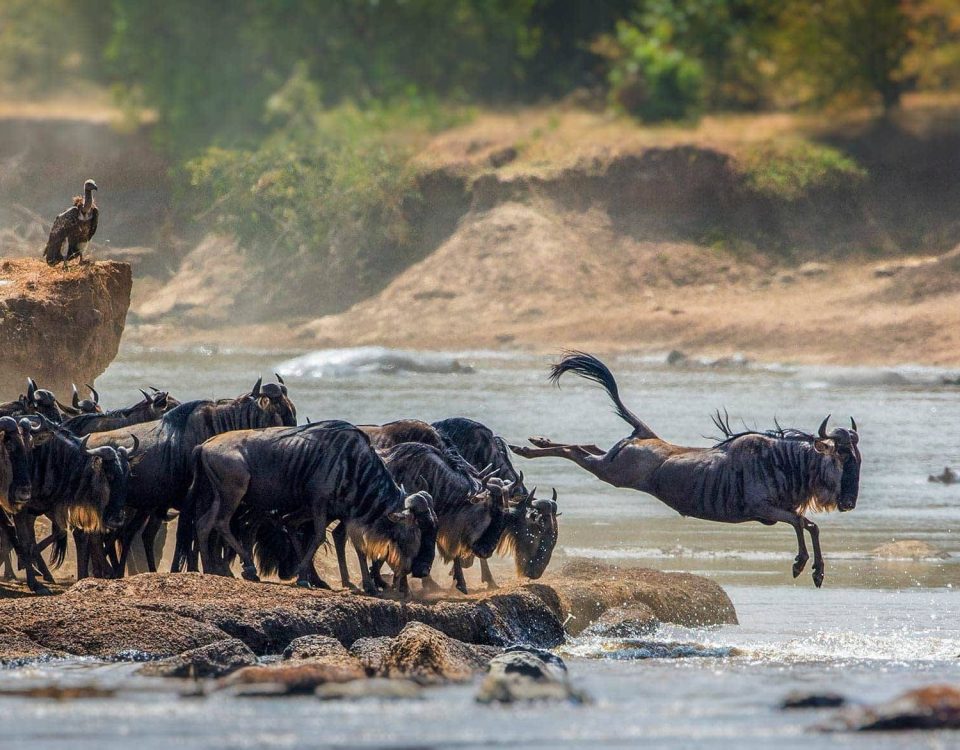
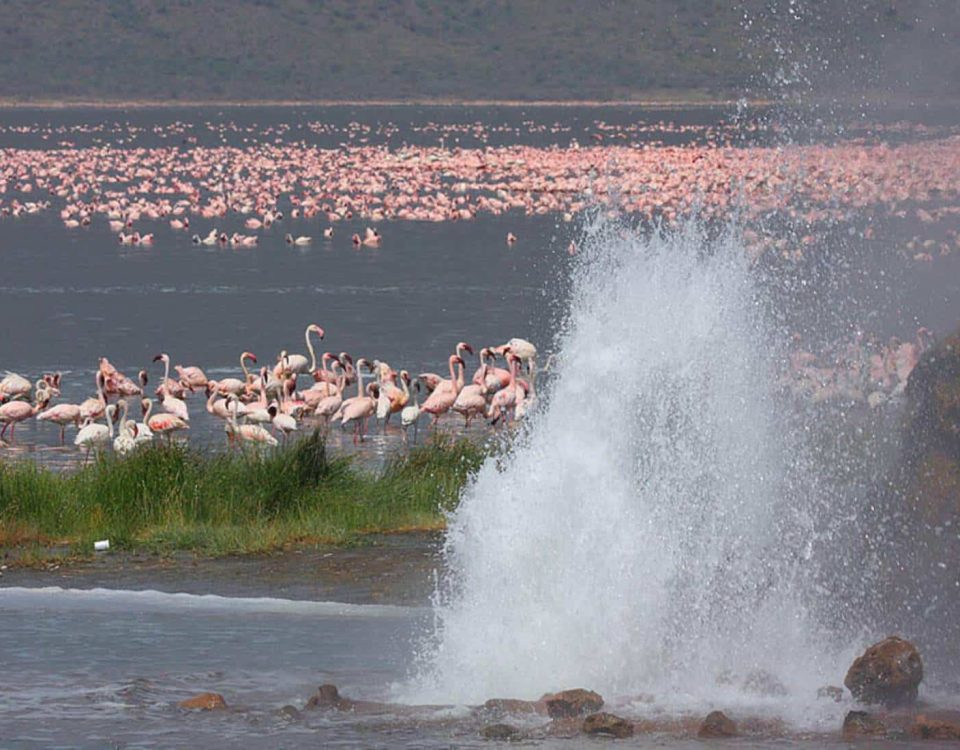
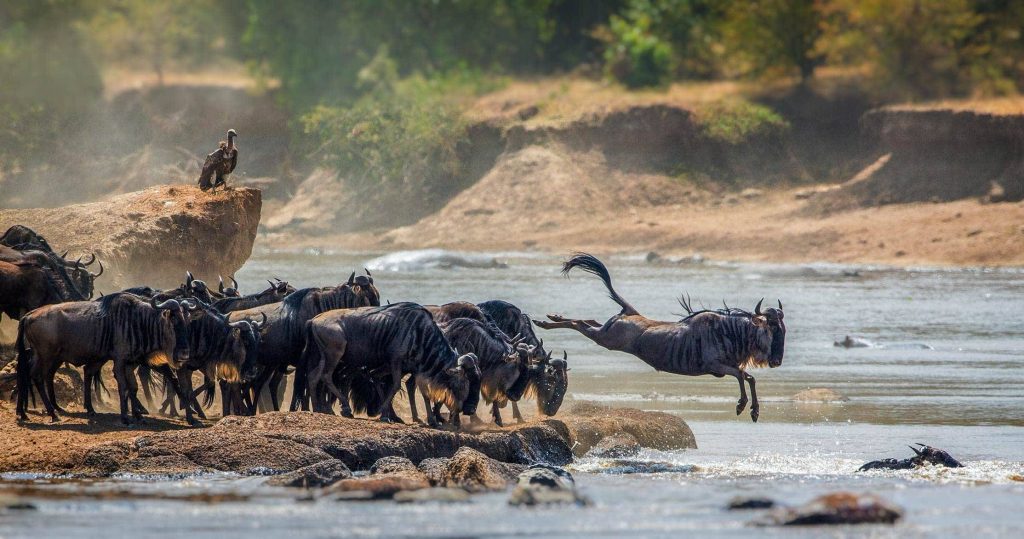
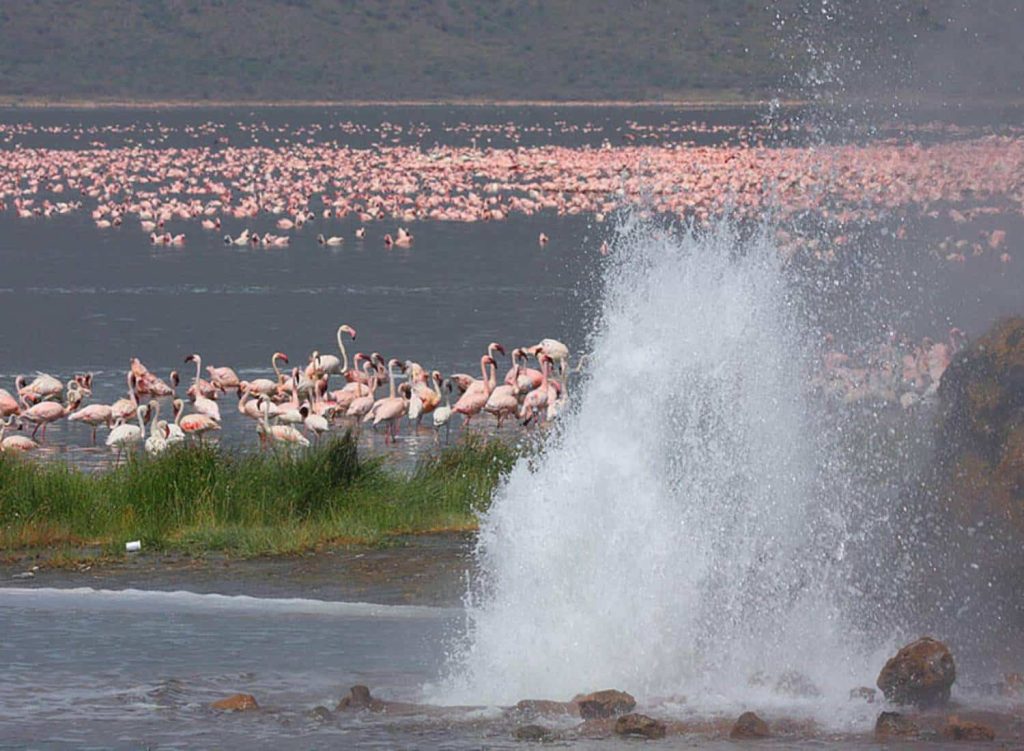
East Africa encompasses some of the world’s most iconic wildlife destinations. Uganda, Rwanda, Kenya, and Tanzania form the heart of the safari region, each offering distinct landscapes, wildlife, and travel experiences. Whether you’re seeking mountain gorillas in misty rainforests, the spectacular wildebeest migration across the Serengeti, or the intimate Big Five encounters of the Masai Mara, East Africa delivers an unparalleled variety of wildlife experiences within a relatively compact geographic region.
The region’s safari infrastructure is mature and well-developed, with a wide range of accommodation from budget campsites to ultra-luxury tented lodges. International air connections serve multiple gateway airports including Nairobi’s JKIA, Entebbe (Uganda), Kigali (Rwanda), Kilimanjaro International (Tanzania), and Julius Nyerere International (Dar es Salaam), giving visitors flexibility in designing multi-country itineraries.
East Africa Safari Planning Tips
- Best time to visit: The dry seasons — June to October and December to February — offer the best wildlife viewing across most of East Africa. The Masai Mara migration peaks in July–October. Gorilla trekking is year-round but June–September is most popular.
- Book early: Gorilla permits (Uganda and Rwanda), popular migration camps in the Serengeti and Masai Mara, and Kilimanjaro climb slots all have limited capacity. Book 6–12 months ahead for peak season.
- Combine countries: East Africa’s geography makes multi-country itineraries practical and rewarding. A classic 10-day circuit might combine Uganda gorillas + Queen Elizabeth wildlife + Rwanda gorillas. A 14-day trip adds the Serengeti and Masai Mara.
- Health preparation: Yellow fever vaccination is required for Uganda and Rwanda and recommended elsewhere in the region. Malaria prophylaxis is essential below 2,500m. Comprehensive travel insurance including medical evacuation coverage is non-negotiable.
- Currency: The US dollar is the de facto currency in most safari operations. Carry clean, undamaged USD bills printed after 2009 — older notes are routinely refused. Each country has its own local currency for smaller purchases.
Recommended Tours: 4 Days Bwindi Gorilla Trekking Safari | 8 Days Kenya Wildlife Safari