Following Chimps to the Treetops: A Guide to Fig-Fruiting Season
Fig-fruiting season transforms chimpanzee behavior across Uganda’s forest parks in genuinely dramatic ways, drawing communities together into large, active feeding gatherings high in the canopy as fig trees produce one of the forest’s most valuable, calorie-dense food sources. Understanding this seasonal pattern helps travelers appreciate why some chimpanzee treks turn up remarkably concentrated, high-energy sightings while others offer a quieter, more dispersed encounter. This guide explains what fig-fruiting season involves and why it matters for trekkers.
The Science Behind Fig Tree Pollination
Fig trees maintain a genuinely fascinating, highly specialized pollination relationship with specific fig wasp species, a mutual dependency so precise that each fig species typically relies on its own distinct wasp partner, an ecological detail that underpins the entire fruiting cycle chimpanzees and countless other species ultimately depend on for this rich, periodic food source.
Why Fig Trees Matter So Much to Chimpanzees
Fig trees produce fruit in genuinely unpredictable, often massive pulses rather than following a strict predictable calendar, and when a fig tree does come into fruit, it offers an exceptionally rich, concentrated food source that draws chimpanzees, along with numerous other forest species, from a considerable distance to feed.
How Fig-Fruiting Draws Communities Together
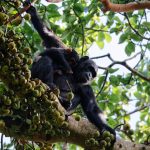
Because a single large fruiting fig tree can support many feeding individuals simultaneously, unlike more scattered food sources that tend to disperse a community into smaller foraging subgroups, fig-fruiting events often bring an unusually large portion of a chimpanzee community together at once, creating genuinely spectacular viewing opportunities for trekkers fortunate enough to encounter one.
What a Fig-Fruiting Sighting Actually Looks Like
Trekkers who encounter an active fig-fruiting event often describe genuinely remarkable scenes, dozens of chimpanzees feeding simultaneously across a single tree’s canopy, considerable vocal activity as individuals communicate around the shared resource, and a level of concentrated activity rarely matched during more routine, dispersed feeding days.
What Trekkers Should Realistically Expect
Given fig-fruiting’s genuine unpredictability, most chimpanzee treks will not coincide with an active fruiting event, and setting expectations around a standard, still genuinely rewarding sighting, rather than specifically banking on witnessing this rarer phenomenon, leads to a more satisfying overall experience regardless of what your particular trek happens to encounter.
How Rangers Track Fig-Fruiting Patterns
Experienced Kibale guides maintain genuine working knowledge of which fig trees within the forest tend to fruit and roughly when, allowing them to factor this information into trek planning and improve the odds of encountering a community during an active fruiting event.
Why Fig-Fruiting Timing Is Genuinely Unpredictable
Unlike more seasonal, calendar-predictable food sources, fig trees can fruit somewhat irregularly, meaning even experienced guides can’t guarantee a fig-fruiting encounter on any specific date, adding a genuine element of luck to what remains, when it happens, one of the most spectacular chimpanzee viewing experiences available.
How Fig-Fruiting Affects Territorial Behavior
A particularly productive fig tree can sometimes draw attention from neighboring chimpanzee communities as well, occasionally leading to tense boundary encounters if a fruiting tree happens to sit near contested territorial edges, adding a genuinely dramatic dimension to what might otherwise be understood purely as a feeding event rather than a moment with real social and territorial stakes attached.
Other Wildlife Drawn to Fruiting Figs
Beyond chimpanzees, fruiting fig trees attract numerous other forest species, including various monkey species and abundant birdlife, meaning a fig-fruiting sighting often turns into a genuinely rich, multi-species wildlife spectacle rather than a chimpanzee-only encounter.
Photography During Fig-Fruiting Events
The concentrated activity and larger number of individuals visible simultaneously during a fig-fruiting event offers photographers genuinely exceptional opportunities, capturing multiple chimpanzees feeding, interacting, and moving through a single tree’s canopy within one extended sighting.
Asking Your Guide About Current Fruiting Conditions
Travelers hoping to maximize their chances of a fig-fruiting encounter should ask their guide directly about current conditions before booking, since experienced local trackers often have genuine, up-to-date knowledge of which trees are currently active.
Combining This Knowledge With Your Trek Planning
While no fig-fruiting sighting can be guaranteed, understanding this seasonal dynamic adds genuine context to your Kibale chimpanzee tracking planning, helping you appreciate both the routine feeding days and the genuinely spectacular fig-fruiting encounters that occasionally unfold.
Why Figs Are Considered a Keystone Species
Ecologists often describe fig trees as a keystone resource within tropical forest ecosystems specifically because of how disproportionately important they become during fruiting periods, supporting a genuinely wide range of wildlife when other food sources run comparatively scarce. This ecological role extends the significance of fig-fruiting events well beyond chimpanzee viewing alone, touching the broader health of Kibale’s entire forest food web.
What Happens Once a Fig Tree Stops Fruiting
Once a fruiting event concludes, typically after the tree’s fruit supply is exhausted, the community that had gathered around it gradually disperses back into smaller foraging subgroups, returning to the more typical fission-fusion feeding pattern until the next significant fruiting event, whether from another fig tree or a different seasonal food source, draws them together again.
How This Affects Trip Timing Decisions
Given the genuine unpredictability of fig-fruiting timing, travelers shouldn’t structure an entire trip around chasing this specific phenomenon, but rather treat any fig-fruiting encounter as a wonderful bonus atop an already worthwhile standard chimpanzee tracking experience, one that delivers genuine value regardless of whether a fruiting event happens to be underway.
What Makes This Behavior Worth Learning About in Advance
Understanding fig-fruiting dynamics before your trek means that if you do encounter this kind of concentrated feeding gathering, you’ll genuinely appreciate what you’re witnessing rather than simply registering an unusually crowded tree, adding real context and depth to what would already be, on its own merits, a remarkable wildlife sighting.
Common Questions About Fig-Fruiting Season
Travelers frequently ask whether there’s a specific month best associated with fig-fruiting activity, and honestly, given the genuinely irregular, tree-specific nature of fig fruiting, no single calendar month reliably guarantees this kind of event, making it more useful to simply ask your guide about current conditions close to your actual travel dates rather than planning around a specific season. Visitors also ask whether fig-fruiting events happen at other chimpanzee tracking destinations beyond Kibale, and yes, the same ecological dynamic occurs wherever fig trees and chimpanzee habitat overlap, including Nyungwe and Kalinzu, though Kibale’s well-documented tracking infrastructure makes it the destination where guides most reliably anticipate and factor in these events.
Why This Phenomenon Fascinates Researchers
Beyond its appeal to trekkers, fig-fruiting behavior offers researchers genuine insight into chimpanzee resource competition, cooperation, and social tolerance, since a shared, temporarily abundant resource like a fruiting fig tree requires community members to navigate feeding access without the same territorial exclusivity that characterizes more scarce, contested food sources.
How This Phenomenon Connects to Broader Forest Health
A forest’s capacity to periodically produce these dramatic fig-fruiting events genuinely reflects its overall ecological health, meaning the continued occurrence of this behavior across Kibale over decades serves as one encouraging indicator of the forest’s sustained ecological function.
Why Some Guides Specialize in Predicting Fruiting Cycles
The most experienced Kibale guides develop a genuinely specialized intuition for fig-fruiting patterns over years of daily forest observation, building informal knowledge that no guidebook or database can fully replicate, making guide selection genuinely worth discussing with your operator if this specific phenomenon particularly interests you.
How This Knowledge Enhances Repeat Visits
Travelers who return to Kibale on a subsequent trip, now understanding fig-fruiting dynamics, often approach their second trek with genuinely different expectations and appreciation than their first visit, actively asking about current fruiting conditions rather than simply hoping for a good sighting.
Why This Phenomenon Deserves Wider Traveler Awareness
Given how few casual visitors ever hear about fig-fruiting dynamics before their trip, taking the time to understand this pattern beforehand genuinely sets travelers apart, transforming an unexpected sighting into a moment of genuine recognition rather than simple surprise.
How This Knowledge Applies Beyond Kibale Specifically
Travelers visiting Nyungwe, Kalinzu, or Budongo can apply this same fig-fruiting awareness to their own chimpanzee tracking experience at those destinations, since the underlying ecological dynamic remains consistent wherever fig trees and chimpanzee habitat overlap across the region.
Why Guides Appreciate Travelers Who Ask About This Topic
Experienced Kibale guides consistently report genuine enjoyment when trekkers ask informed questions about fig-fruiting patterns, since it signals a deeper interest in forest ecology that goes beyond simply wanting a good photograph of the day’s sighting.
Planning Your Chimpanzee Trek
Working with an experienced operator who stays current on forest conditions gives you the best realistic chance of encountering Kibale’s chimpanzee communities during one of these genuinely memorable fig-fruiting feeding events during your Uganda trip, adding a layer of ecological understanding most visitors never think to seek out, one that transforms a lucky sighting into genuine, informed appreciation of the forest’s deeper ecological rhythms and the patient science behind them, long after the trek itself has ended.
Recommended Tours: 4 Days Uganda Gorilla and Chimpanzee Tour | 10 Days Ultimate Uganda Gorilla & Big Five Safari