Community-Run Lodges: Supporting Local People Through Your Stay
Community-run lodges in East Africa offer travellers an opportunity to enjoy wildlife holidays while contributing directly to the livelihoods of people living near national parks, protected forests and wildlife conservancies.
Unlike accommodation facilities owned entirely by private investors, community-run lodges involve local residents in ownership, management or decision-making. Revenue generated through accommodation, meals and tourism activities can support education, healthcare, clean water projects and employment opportunities.
In Uganda, Rwanda, Kenya and Tanzania, community-based accommodation also plays an important role in encouraging wildlife conservation. When residents receive meaningful economic benefits from tourism, protecting natural habitats can become more valuable to their communities.
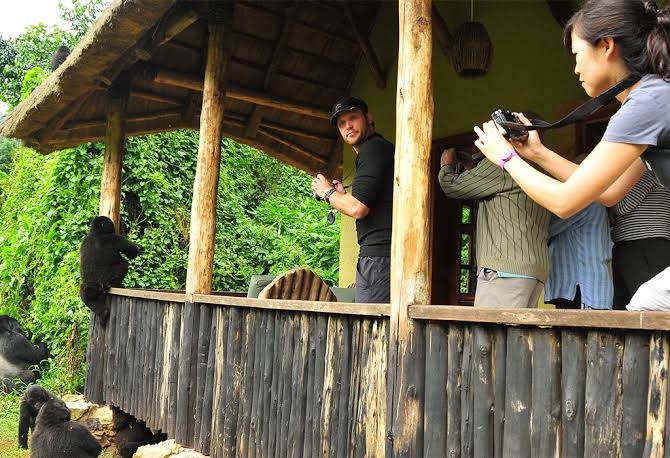
These properties range from affordable campsites near Bwindi Impenetrable National Park to exclusive luxury lodges near Rwanda’s Volcanoes National Park.
Whether you are planning a gorilla trekking holiday or a traditional wildlife safari, choosing community-run accommodation can make your visit more beneficial to the people who live around these remarkable destinations.
What Are Community-Run Lodges?
Community-run lodges are tourism accommodation facilities where local residents participate in ownership, management or financial decision-making.
Some properties are managed directly by community associations, while others are owned by community trusts and operated by professional hospitality companies.
The main objective is to ensure that tourism generates meaningful benefits for residents rather than allowing most profits to leave the area.
| Accommodation model | How local communities benefit |
|---|---|
| Community-owned lodge | Profits support community members and development projects |
| Community-managed campsite | Residents operate accommodation and receive income |
| Community trust-owned lodge | Rental income and tourism levies support local initiatives |
| Community partnership lodge | Private operators share agreed benefits with residents |
| Locally owned guesthouse | Tourism spending supports local entrepreneurs and employees |
A privately owned lodge that employs local people can still contribute positively to community development. However, local employment alone does not necessarily make a property community-owned or community-run.
How Community-Run Lodges Support Local People
Creating Employment Opportunities
Communities surrounding protected areas often have limited formal employment opportunities. Community lodges create jobs in hospitality, guiding, housekeeping, gardening, maintenance and transportation.
Residents can develop professional skills while earning income without relocating to major towns.
Hospitality training may also help younger people establish their own tourism businesses or pursue careers elsewhere in the industry.
Supporting Local Farmers
Community lodges frequently purchase vegetables, fruits, eggs, milk and other agricultural products from neighbouring households.
This creates an additional market for small-scale farmers.
For example, a lodge accommodating 20 guests may require fresh vegetables, bananas, potatoes and other ingredients every day. Purchasing these supplies locally allows tourism spending to reach households that do not work directly in hospitality.
Improving Education
Some community tourism organisations use accommodation profits to construct classrooms, support schools and improve educational facilities.
In Buhoma, the local community development association identifies primary and secondary education among the projects supported through its tourism enterprises.
These investments can provide benefits that extend beyond individuals employed by the accommodation facility.
Buhoma Mukono Community Development association+1
Improving Access to Clean Water
Clean water remains an important development priority in many rural East African communities.
Community accommodation revenue can contribute towards rainwater harvesting systems, protected water sources and village water distribution projects.
These improvements can benefit households while reducing the time residents spend collecting water.
Supporting Women and Young Entrepreneurs
Tourism creates opportunities for women and young people to participate in hospitality, handicraft production, agricultural supply and cultural experiences.
Community organisations can provide training, business support and access to markets.
Purchasing locally made baskets, textiles and other crafts can further support small businesses around your accommodation.
Community-Run Lodges Worth Visiting in East Africa
1. Buhoma Community Rest Camp, Uganda
Location: Buhoma, Bwindi Impenetrable National Park
Established in 1993, Buhoma Community Rest Camp is a longstanding example of community-based tourism in southwestern Uganda.
The camp is managed through the Buhoma Mukono Community Development Association, which was established by residents living around Bwindi.
Its affordable accommodation makes it particularly attractive to budget gorilla trekkers and independent travellers.
By staying at the camp, visitors contribute towards an organisation working to improve local livelihoods and protect natural resources.
Buhoma Mukono Community Development association+1
2. Buhoma Community Haven Lodge, Uganda
Location: Buhoma, Bwindi Impenetrable National Park
Buhoma Community Haven Lodge provides mid-range accommodation for travellers seeking additional comfort while supporting community development.
The property offers private cottages, forest-facing terraces and a family cottage.
Accommodation income supports the community association’s activities, including education, agricultural development and water projects.
Guests can also arrange village walks and cultural experiences through the community organisation.
It is an attractive example of how comfortable safari accommodation can operate under community ownership.
Buhoma Mukono Community Development association+1
3. Wilderness Sabyinyo, Rwanda
Location: Near Volcanoes National Park
Wilderness Sabyinyo demonstrates that community-owned accommodation can also operate within the luxury safari market.
The property belongs to the Sabyinyo Community Livelihood Association, commonly known as SACOLA, while Wilderness manages its hospitality operations.
Rental payments and community fees contribute towards development and conservation initiatives in surrounding communities.
The lodge offers comfortable cottages, mountain scenery and convenient access to mountain gorilla trekking.
Wilderness+1
4. Amajambere Iwacu Community Camp, Uganda
Location: Mgahinga Gorilla National Park
Established in 1994, Amajambere Iwacu Community Camp was founded by families displaced during the establishment of Mgahinga Gorilla National Park.
The camp provides affordable accommodation near the Ntebeko park entrance, making it convenient for gorilla trekking, golden monkey tracking and volcanic mountain hikes.
Its operations support community development and local handicraft initiatives.
Travellers seeking economical accommodation with direct community benefits should consider this property when visiting southwestern Uganda.
Amajambere Iwacu Community Camp+2
5. Il Ngwesi Eco-Lodge, Kenya
Location: Laikipia
Il Ngwesi Eco-Lodge is owned and managed by the local Maasai community. Established in 1996, the lodge combines wildlife tourism with community-led conservation.
Accommodation revenue and donations have helped support educational opportunities, healthcare facilities and community development.
Visitors can participate in wildlife game drives, guided nature walks and cultural experiences.
Il Ngwesi demonstrates how communities can manage tourism businesses while maintaining an active role in wildlife conservation.
Il Ngwesi+2
Community Tourism Partnerships in Tanzania
Tanzania also offers opportunities to support local people through accommodation providers working in partnership with village communities.
In Ololosokwan, near Serengeti National Park, community tourism agreements have created opportunities for villages to receive revenue from tourism businesses operating on community land.
Properties such as TAASA Lodge also support neighbouring communities through employment and development programmes.
However, travellers should distinguish between community-owned accommodation and privately owned lodges operating community partnerships. Both models can provide benefits, but ownership and financial arrangements differ.
UJAMAA COMMUNITY RESOURCE TEAM+1
Community-Run Lodges Compared
| Accommodation | Country | Main community benefit |
|---|---|---|
| Buhoma Community Rest Camp | Uganda | Local livelihoods and development |
| Buhoma Community Haven Lodge | Uganda | Education and clean water projects |
| Amajambere Iwacu Community Camp | Uganda | Employment and community initiatives |
| Wilderness Sabyinyo | Rwanda | Community development and conservation |
| Il Ngwesi Eco-Lodge | Kenya | Education, healthcare and wildlife conservation |
How Community Lodges Contribute to Wildlife Conservation
People living near national parks sometimes experience challenges associated with wildlife conservation. These may include crop destruction, livestock losses and restrictions on access to natural resources.
Community-owned tourism businesses can provide an additional source of income that helps address some of these challenges.
When communities participate in tourism decisions and receive fairly distributed benefits, they may have greater opportunities to support conservation programmes.
However, tourism income alone cannot resolve every conflict between wildlife and local residents. Effective conservation also requires fair land management, wildlife conflict mitigation and meaningful community participation.
Are Community-Run Lodges Comfortable?
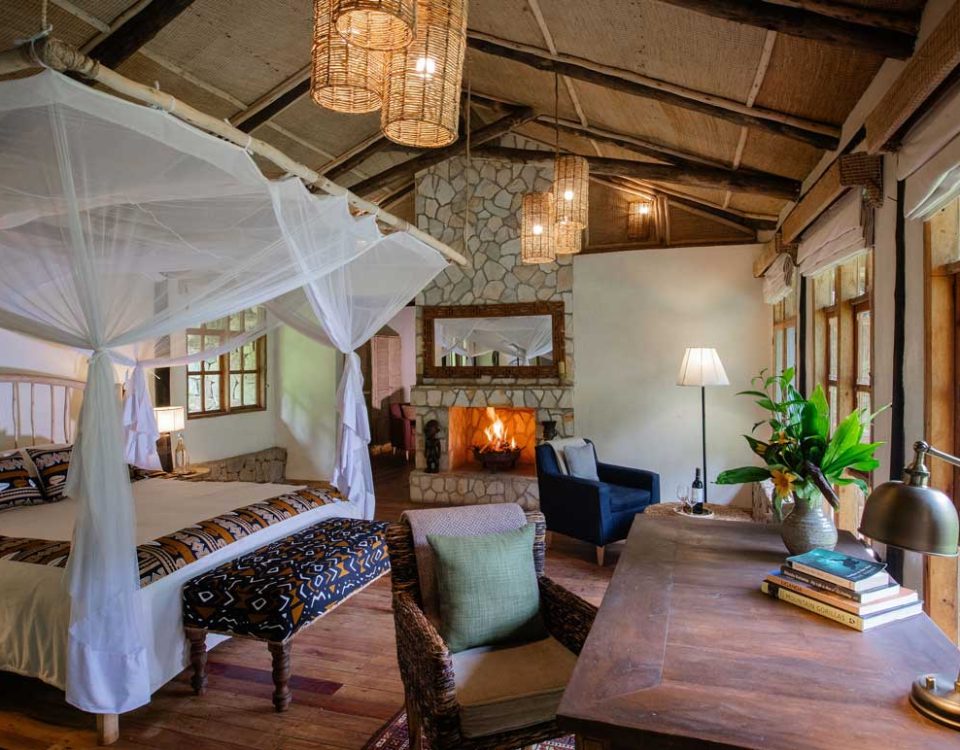
Community-owned accommodation is available at several comfort levels. Visitors do not necessarily need to sacrifice comfort to support local people.
| Accommodation category | Typical facilities |
|---|---|
| Community campsite | Camping spaces and shared bathrooms |
| Budget community lodge | Basic bedrooms and prepared meals |
| Mid-range community lodge | Private bathrooms, cottages and verandas |
| Luxury community lodge | Spacious accommodation and personalised services |
Some community lodges provide excellent hospitality, locally prepared meals, laundry services and assistance with arranging wildlife activities.
Electricity, internet connectivity and hot water availability depend on individual property facilities.
How Much Does Community-Run Accommodation Cost?
Community accommodation prices vary according to destination, facilities and included services.
| Accommodation type | Indicative nightly cost |
|---|---|
| Community camping | $10–$30 per person |
| Basic community guesthouse | $30–$80 per room |
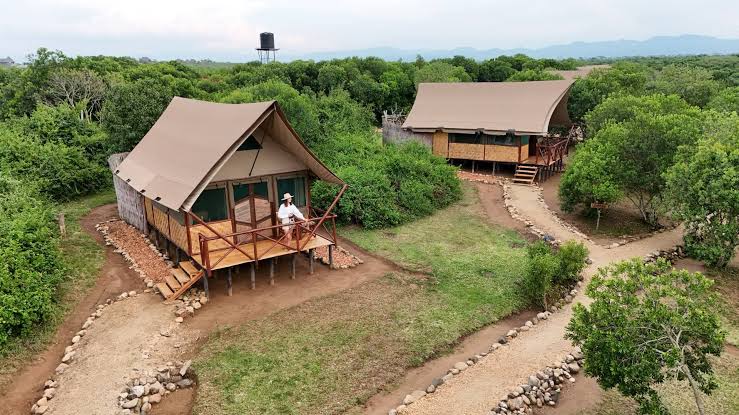
| Comfortable community banda | $50–$120 per room |
| Mid-range community lodge | $100–$250 per person |
| Luxury community lodge | $500–$1,500+ per person |
These figures are general budgeting estimates rather than confirmed accommodation rates.
When requesting a quotation, ask whether meals, community development fees and additional tourism activities are included.
How to Identify Genuine Community-Run Lodges
Before booking accommodation advertised as community-based, investigate its ownership and management arrangements.
Consider asking the following questions:
-
Who owns the accommodation facility?
-
How are community members involved in management?
-
What percentage of revenue or profits supports community projects?
-
Are financial and development reports available?
-
Does the lodge purchase supplies from neighbouring farmers?
-
How are community representatives selected?
-
What conservation projects receive tourism funding?
-
Are employees paid fairly and provided with training?
Transparent organisations should be able to explain how their operations benefit neighbouring residents.
Other Ways to Support Local People During Your Safari
Your accommodation choice is one of several ways to contribute to local development.
Hiring local gorilla trekking porters, purchasing handmade crafts and participating in community-led cultural tours can generate additional income for residents.
Choose locally managed restaurants where appropriate and pay fair prices for products and services.
Always request permission before photographing people or visiting private homes. Cultural experiences should respect the dignity, privacy and preferences of participating communities.
Frequently Asked Questions
Are community-run lodges cheaper than privately owned lodges?
Not always. Community-owned accommodation ranges from affordable campsites to exclusive luxury safari lodges.
Do community lodges support gorilla conservation?
Many contribute through community development, conservation education and alternative employment opportunities. Their specific contributions vary.
Can families stay at community-run lodges?
Yes. Several community-owned properties provide family cottages and child-friendly accommodation.
Are all eco-lodges community-owned?
No. An eco-lodge may be privately owned while maintaining environmentally responsible operations.
Can I book cultural activities through community lodges?
Many community lodges arrange village walks, traditional cooking experiences, craft demonstrations and guided nature excursions.
Does all my accommodation payment go directly to the community?
Not necessarily. Accommodation revenue must also cover salaries, maintenance, food supplies and other operating expenses. Community benefits depend on the property’s financial arrangements.
Community-run lodges provide a valuable opportunity to support local people while enjoying East Africa’s wildlife and natural landscapes.
Buhoma Community Haven Lodge, Amajambere Iwacu Community Camp, Wilderness Sabyinyo and Il Ngwesi Eco-Lodge demonstrate different approaches to community ownership and tourism development.
When planning your safari, consider accommodation providers with transparent ownership structures, responsible employment practices and verifiable community contributions.
Your accommodation spending can help create employment, improve access to essential services and support wildlife conservation. Choosing a genuinely community-run lodge allows your safari to deliver lasting benefits beyond your holiday.