Africa’s Oldest Ranger Corps
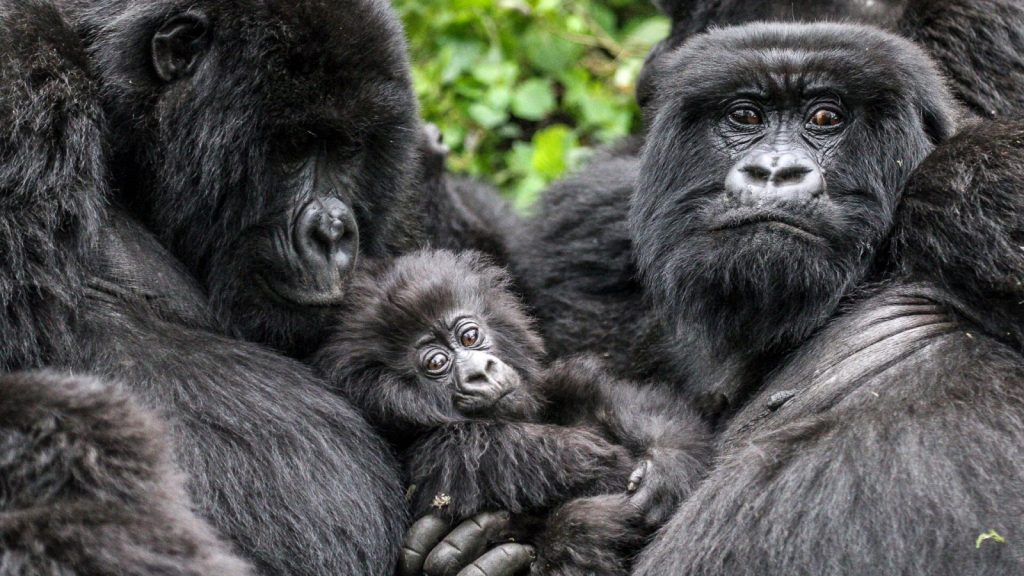
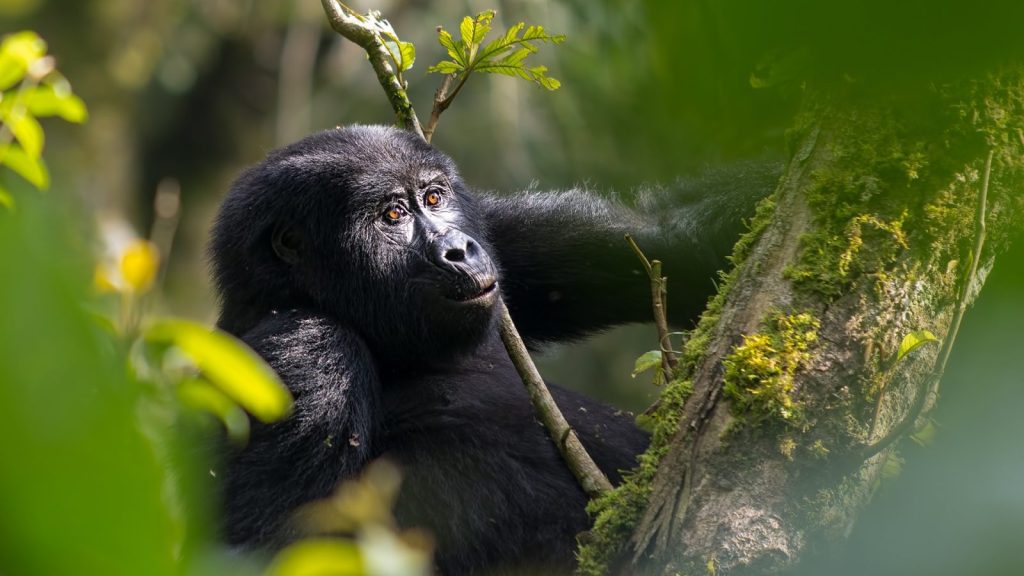
Virunga National Park was established in 1925, making it Africa’s oldest protected area, and its ranger corps has existed in some form for almost that entire span, evolving from a small colonial-era patrol force into one of the largest and most heavily tested conservation ranger services on the continent. Today the corps numbers several hundred men and women, drawn overwhelmingly from communities living around the park’s boundaries, tasked with protecting not only the mountain gorillas that draw the park’s international attention but also elephants, hippos, and an extraordinary range of other wildlife across a park that spans savannah, glacier-capped mountains, active volcanoes, and dense montane forest. This guide looks specifically at who these rangers are, what their work actually involves, and the extraordinary cost the corps has borne to keep Virunga’s wildlife protected through decades of regional instability.
This is a companion piece to our broader look at how many rangers protect each gorilla family daily and our explainer on the difference between a ranger, a tracker, and a guide, both of which cover the operational side of ranger work in more detail; this piece focuses on the rangers themselves, their history, and what they have sacrificed to do this job.
What the Job Actually Involves
A Virunga ranger’s daily responsibilities extend well beyond the image most visitors form during a brief, well-organized gorilla trek. Rangers conduct armed foot patrols through remote sections of the park, often for days at a stretch, monitoring for poaching activity, illegal charcoal production, cattle encroachment, and the movements of armed groups that have operated in and around Virunga’s boundaries for much of the past three decades. They track and monitor habituated gorilla families daily, recording behavioral data that has fed some of the longest-running primate research datasets in the world, dating back to pioneering work in the 1960s and 1970s. They respond to human-wildlife conflict incidents affecting neighboring farming communities, staff checkpoints and park entry points, and maintain the trails and infrastructure that make organized tourism possible in the first place.
Training for new recruits combines conventional ranger skills, wildlife tracking, first aid, navigation, and conservation law, with paramilitary-level combat and survival training, a deliberate response to the genuinely dangerous operating environment Virunga’s rangers face compared to almost any other national park ranger service in Africa. This training reflects a blunt operational reality: Virunga rangers have, for extended periods, effectively functioned as a frontline force protecting both wildlife and civilian communities from armed groups operating within the park’s boundaries, a role no ranger corps should have to fill but one that circumstances in eastern DRC have repeatedly forced upon them.
Women in the Ranger Corps
Virunga has made a deliberate, publicized effort over the past decade to recruit and train women into ranger roles, breaking from a historically male-dominated profession across African conservation generally. Female rangers have taken on the same patrol, anti-poaching, and gorilla-monitoring responsibilities as their male colleagues, and their inclusion has been credited with improving community relations in villages bordering the park, particularly around outreach work involving local women and children. This shift reflects a broader recognition within Virunga’s leadership that a ranger corps drawn more representatively from the surrounding population builds stronger, more durable community support for conservation than one that doesn’t.
A Devastating Human Toll
No honest account of Virunga’s rangers can avoid the scale of loss the corps has suffered. More than two hundred rangers have been killed in the line of duty since the park’s founding in 1925, a toll that has continued climbing through repeated waves of armed conflict, ambushes, and direct attacks specifically targeting park personnel. Some of the deadliest incidents have made international headlines: an ambush in April 2020 killed a dozen rangers along with several civilians in a single attack, among the worst single losses in the corps’ history, and further ranger deaths have continued to occur in the years since, including attacks in 2021 and 2023 and further losses reported through 2025 and 2026 amid the current M23-driven conflict. Few conservation workforces anywhere in the world operate under comparable risk, and the willingness of new recruits to continue joining the corps despite this record says something significant about both the economic realities facing communities around the park and a genuine, sustained commitment to the mission itself.
Families of rangers killed in the line of duty receive support through Virunga’s own foundation structures, though no institutional support can fully offset what these communities have lost. The scale of sacrifice has also shaped how the park approaches risk more broadly, including the repeated, difficult decisions to suspend tourism entirely during periods of acute danger, prioritizing ranger and visitor safety over revenue that the park and surrounding communities badly need.
Why the Danger Has Persisted
Virunga’s location explains much of this risk. The park sits directly astride some of the most contested territory in the eastern Democratic Republic of Congo, valuable both for its natural resources, charcoal production from its forests has historically funded armed groups, and for its strategic position near the Rwandan and Ugandan borders. Multiple armed groups, from the long-running FDLR to more recently M23, have at various points operated within or moved through park territory, putting rangers in the position of confronting heavily armed combatants with a mandate to protect wildlife rather than fight a war, a mismatch that has cost the corps dearly. Our guide to the fight against wildlife trafficking in the Virunga landscape covers how this dynamic intersects with poaching specifically, a related but distinct threat from the armed conflict itself.
Rangers as Community Anchors
Beyond wildlife protection, Virunga’s rangers and the broader park administration have functioned as one of the more significant employers and stabilizing institutions in a region with few reliable alternatives. Revenue from gorilla trekking and other tourism has funded hydroelectric projects, schools, and healthcare initiatives in communities surrounding the park, a model explored in depth in our piece on how ecotourism funds Virunga’s anti-poaching patrols. This economic role gives the ranger corps a significance that extends well past conservation in the narrow sense, tying the park’s fate directly to the livelihoods of tens of thousands of people living along its boundaries, which is part of why park leadership has continued pushing for eventual reopening despite the current conflict rather than treating closure as simply an unavoidable, indefinite state.
Continuing the Work Through Closure
Even with tourism suspended amid the ongoing instability covered in our guides to Goma as Virunga’s gateway city and current safety conditions in DR Congo, rangers have continued core conservation functions where security conditions allow it, monitoring known gorilla families, maintaining anti-poaching patrols in accessible sectors, and preserving the institutional knowledge and infrastructure that will matter enormously once tourism eventually resumes. This continuity work is less visible than the headline-grabbing attacks but represents an enormous, ongoing effort to ensure that whenever Virunga does reopen, the park and its gorilla population are still there to welcome visitors back.
What Visitors Can Do to Support Rangers
For travelers who do eventually trek in Virunga, a meaningful portion of permit fees flows directly into ranger salaries, equipment, and the broader protection infrastructure that keeps both wildlife and visitors safe. Beyond the permit itself, Virunga has historically run structured support programs allowing the public to contribute directly to ranger welfare and to the families of those killed in the line of duty, a way for people who may never visit in person to still meaningfully support the corps. Simply understanding and communicating the scale of what these rangers do and risk, rather than treating a gorilla trek as a purely recreational encounter, is itself a small but genuine form of respect for the work behind it.
A Legacy Worth Protecting
Virunga’s rangers occupy an unusual position in African conservation: simultaneously wildlife specialists, community anchors, and, at times, a frontline defense force in one of the continent’s most protracted conflicts. Their history stretches back a century, their losses number in the hundreds, and their ongoing work, even through the park’s current closure, keeps alive the possibility that Virunga’s gorillas, elephants, and volcanic landscapes will still be there, protected, whenever the wider region finds its way back to stability. Few conservation stories anywhere carry this much weight, and few ranger corps have earned the description “guardians” quite as literally as Virunga’s have.
International conservation partners, most notably the Belgian-based Virunga Foundation, have played a significant role in sustaining the ranger corps through this extended period of instability, funding equipment, salaries, and the medical and psychological support that rangers and their families need after decades of sustained exposure to violence most conservation staff anywhere else will never encounter. This external support has been essential precisely because domestic funding for conservation in a country grappling with armed conflict, weak infrastructure, and competing development priorities has never been reliable on its own, making Virunga something of a test case for how international partnership can sustain a critical conservation institution through genuinely difficult national circumstances.
Looking ahead, park leadership has repeatedly emphasized that the ranger corps’ survival as an institution, its training pipelines, its accumulated ecological knowledge, and its relationships with surrounding communities, matters as much to Virunga’s long-term future as the gorilla population itself. A park can rebuild visitor infrastructure relatively quickly once conditions allow, but a century of accumulated ranger expertise and community trust cannot be rebuilt overnight if the corps itself were ever to collapse. That is precisely why sustaining rangers through the current closure, rather than treating this period as a simple pause, has been treated internally as an existential priority rather than a secondary concern.