David Sheldrick Elephant Orphanage: How to Visit and What You Will See
The David Sheldrick Elephant Orphanage is one of Nairobi’s most meaningful wildlife attractions. Located inside Nairobi National Park, the facility rescues and rehabilitates orphaned elephants, providing specialised care before gradually preparing them for life in the wild. Visitors can observe young elephants drinking milk, playing together and interacting with their dedicated keepers.
Visiting David Sheldrick Elephant Orphanage offers an opportunity to understand elephant conservation while enjoying a memorable wildlife experience. Unlike conventional safari parks, this sanctuary focuses on animal rescue, rehabilitation and long-term protection.
This guide explains how to book your visit, what happens during the public viewing session, entrance costs, transport arrangements and practical tips.
Overview of David Sheldrick Elephant Orphanage
The elephant orphanage is operated by the Sheldrick Wildlife Trust, a Kenyan conservation organisation established in 1977 in memory of David Sheldrick.
David was the founding warden of Tsavo East National Park and worked extensively in wildlife protection.
His wife, Daphne Sheldrick, developed specialised techniques for raising orphaned elephants, including milk-feeding methods and intensive animal care.
Their conservation work contributed significantly to the successful rehabilitation of young elephants that had lost their mothers.
Today, the organisation continues rescuing elephants affected by poaching, drought, human-wildlife conflict and other threats.
The Nairobi Nursery provides the first stage of rehabilitation before suitable elephants move to reintegration facilities.
What You Will See at the Elephant Orphanage
Baby Elephants Drinking Milk
The most anticipated part of the visit is the midday milk-feeding session.
Young elephants emerge from the surrounding woodland in groups and approach their keepers for specially prepared milk.
Some walk calmly towards their feeding bottles, while others arrive excitedly.
Each elephant receives appropriate care according to its age, health and nutritional requirements.
Visitors observe from designated viewing areas while keepers manage the feeding process.
The experience provides an opportunity to see how dependent young elephants are on regular feeding and specialist attention.
Elephants Playing in Mud
After feeding, the elephants often spend time playing together.
Some roll in muddy areas, while others splash water, push their companions or explore their surroundings.
Mud bathing helps elephants protect their skin from sunlight and insects.
Their playful behaviour also supports social development.
However, activities vary depending on the weather and the elephants’ individual preferences.
Learning Individual Rescue Stories
During the public session, an experienced keeper introduces the elephants and explains their backgrounds.
Visitors learn where particular animals were rescued and what circumstances led to their separation from their families.
Some calves were discovered alone after their mothers died.
Others required rescue following drought, injuries or dangerous encounters with people.
These explanations help visitors understand the challenges involved in protecting Kenya’s elephants.
Understanding the Keepers’ Work
Elephant keepers play an essential role in rehabilitation.
Young calves require regular feeding, medical observation, reassurance and social interaction.
Some rescued elephants initially struggle with stress and separation.
Keepers provide consistent care while encouraging the animals to develop relationships with other elephants.
This preparation supports their eventual transition towards independent living.
How Elephant Rehabilitation Works
Rescuing an orphaned elephant involves considerably more than providing food and shelter.
Each animal undergoes assessment and receives appropriate veterinary treatment.
Younger calves may require frequent milk feeds, including overnight care.
As they grow stronger, they spend increasing amounts of time exploring natural environments under supervision.
The Nairobi Nursery provides a protected setting for this early development.
When elephants are ready, they can move to rehabilitation units in the wider Tsavo conservation area.
These facilities allow gradual exposure to wild elephants and natural habitats.
Reintegration can take several years, depending on each elephant’s progress.
The ultimate objective is for rehabilitated elephants to live independently in the wild.
Visiting David Sheldrick Elephant Orphanage: Booking Requirements
The Nairobi Nursery operates a strictly controlled public visiting programme.
Advance booking is compulsory.
Visitors cannot simply arrive without confirmation.
The Sheldrick Wildlife Trust accepts bookings for dates within the following three months.
To request a reservation, contact its Nairobi office and provide your preferred date, number of visitors, adult names and children’s names and ages.
Wait for official confirmation before finalising your arrangements.
Bring your confirmation email, either printed or saved on your phone.
Bookings arranged through tour operators must still have an official confirmation issued by the Trust.
Same-day reservations are unavailable.
Opening Hours and Visiting Schedule
The public visiting session takes place daily from 11:00 am to 12:00 noon, except on 25 December.
Visitors are encouraged to arrive at or before 10:30 am.
This allows time to complete the Nairobi National Park entry procedures.
Late arrivals cannot expect the session to be extended.
| Visiting Information | Details |
|---|---|
| Location | Nairobi National Park |
| Public session | 11:00 am–12:00 noon |
| Recommended arrival | By 10:30 am |
| Visit duration | Approximately 1 hour |
| Booking | Required in advance |
| Closed | 25 December |
| Main activities | Milk feeding, mud bathing, conservation talks |
The limited visiting period helps control disturbance and maintain the elephants’ rehabilitation routines.
David Sheldrick Elephant Orphanage Entrance Fees
Visitors must account for two separate charges.
The first is the Sheldrick Wildlife Trust’s nursery entry donation.
The second is the Kenya Wildlife Service entrance fee for Nairobi National Park.
The Trust publishes the following minimum nursery donations:
| Visitor Category | Nursery Donation |
|---|---|
| Non-resident adults, 12 years and above | USD 20 |
| Non-resident children under 12 | USD 5 |
| Kenyan resident adults | KES 2,000 |
| Kenyan resident children | KES 500 |
Nursery donations are payable in cash on arrival.
The separate Nairobi National Park fee must also be paid, even when you are visiting only the orphanage.
Park fees depend on visitor category and current regulations.
Check the latest Kenya Wildlife Service charges before travelling.
Drivers and vehicles entering the park may incur additional fees.
How to Get to the Elephant Orphanage
The Nairobi Nursery is accessed through the Kenya Wildlife Service Mbagathi Gate, also known as the Workshop Gate, along Magadi Road.
Visitors travelling from central Nairobi should allow sufficient time for traffic.
A taxi or private safari vehicle is generally convenient.
If using a taxi, confirm whether the driver will enter the national park or drop you at the gate.
Drivers entering must meet the applicable park payment requirements.
The Trust operates a transfer service for visitors arriving on foot at the designated gate.
Confirm the current collection arrangements when planning your journey.
Best Time to Visit
Because public visits follow a fixed schedule, choosing a convenient day matters more than choosing a particular hour.
Weekdays may be preferable if you wish to avoid busy weekend travel conditions.
Nairobi generally experiences comfortable daytime temperatures, although weather changes throughout the year.
Rainfall can make outdoor areas muddy, particularly during the wetter months.
Bring suitable clothing and allow extra travel time during heavy rain.
Regardless of the season, your confirmed reservation remains essential.
What to Bring for Your Visit
Preparation helps you enjoy the experience comfortably.
Carry the following:
- Official booking confirmation.
- Identification where required.
- Proof of Nairobi National Park payment.
- Cash for the nursery donation.
- Comfortable closed shoes.
- A hat and sunscreen.
- Drinking water.
- A camera or charged phone.
Refreshments are not provided during the public visit.
Avoid bringing unnecessary snacks or drinks.
The sanctuary also prohibits smoking and vaping.
Keep your phone silent throughout the session.
Important Visitor Rules
The orphanage follows strict regulations to protect the elephants.
Only authorised keepers may feed or directly interact with the animals.
Visitors must remain in designated areas and avoid approaching elephants without permission.
Personal photography and video recording are permitted, but commercial use requires separate authorisation.
Do not shout, make distracting noises or interfere with the keepers’ instructions.
These rules help maintain the animals’ welfare and prepare them for eventual reintegration into the wild.
Combining the Orphanage with Other Nairobi Attractions
Nairobi National Park
Since visitors must pay the national park entrance fee, combining the orphanage with a game drive can be practical.
Nairobi National Park supports rhinos, giraffes, zebras, buffaloes and several predator species.
A properly arranged game drive can extend your wildlife experience.
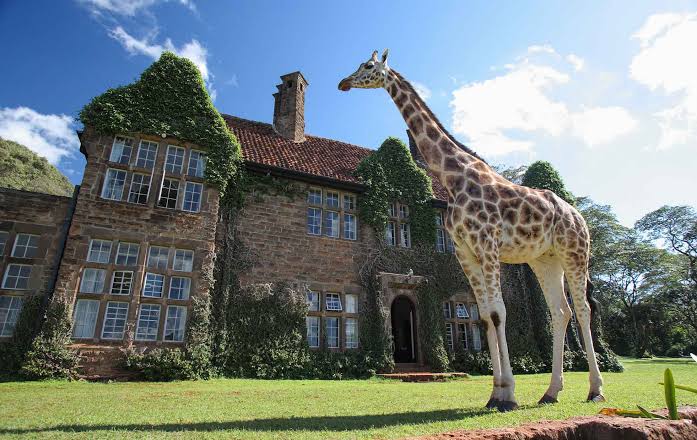
Giraffe Centre
The Giraffe Centre in Lang’ata provides supervised feeding experiences involving Rothschild’s giraffes.
Its flexible daytime opening hours make it a suitable afternoon activity after the elephant nursery.
Karen Blixen Museum
The Karen Blixen Museum offers an introduction to Kenya’s colonial history and the life of the Danish writer.
It provides a cultural alternative after your wildlife visit.
Frequently Asked Questions
Can I feed the baby elephants?
No. Only authorised keepers feed the elephants.
Visitors observe the milk-feeding session from designated areas.
Can I visit without booking?
No. Every visitor needs official advance confirmation.
How long does the experience last?
The public session lasts one hour, between 11:00 am and noon.
Will I see every rescued elephant?
You will see elephants currently attending the nursery’s public feeding session.
The number and individual animals may change.
Can I adopt an elephant?
Yes. The Trust offers a symbolic adoption programme that contributes towards elephant care and conservation.
Is the orphanage suitable for children?
Yes. Children can learn about elephant behaviour, rescue and rehabilitation.
Parents should supervise them throughout the session.
The David Sheldrick Elephant Orphanage offers a valuable opportunity to observe rescued elephants and understand Kenya’s conservation challenges.
You can watch supervised milk feeding, learn individual rescue stories and discover how keepers prepare young elephants for life in the wild.
Book early, arrive before 10:30 am and budget for both the nursery donation and national park entrance fee.
With careful planning, this one-hour experience can become an important part of your Nairobi wildlife itinerary.