Nyerere National Park
January 28, 2026
Lake Manyara National Park
January 28, 2026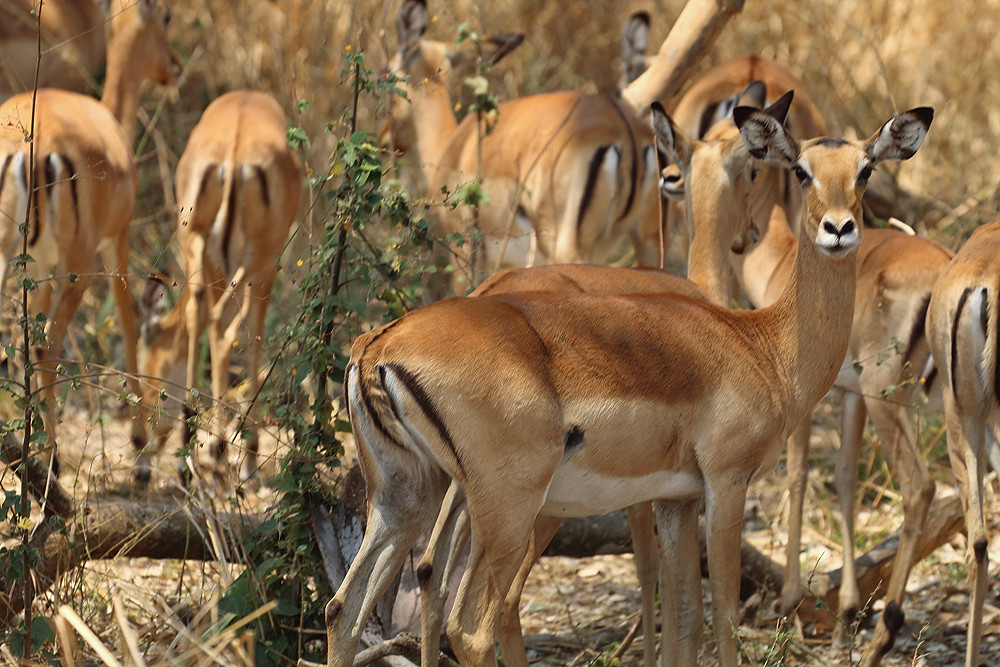


Katavi National Park
Tanzania’s Katavi National Park is one of the last true wildernesses in Africa. Far from the tourist crowds of Serengeti or Ngorongoro, Katavi offers an authentic safari experience — raw, remote, and profoundly wild. Covering approximately 4,471 square kilometers (1,727 square miles) in southwestern Tanzania, Katavi is the third-largest park in the country and a haven for wildlife enthusiasts seeking solitude, dramatic landscapes, and unparalleled animal encounters.



Attractions In Rwanda
Attractions In Tanzania
Great Migration Experience
Discover great migration experience where misty rainforests shelter ancient trails wind through great migration's depths, and every step brings you closer to one of Africa’s most profound wildlife encounters, blending raw nature, conservation, and lasting memories.
Katavi National Park: National Parks and Protected Areas
The Landscape of Katavi
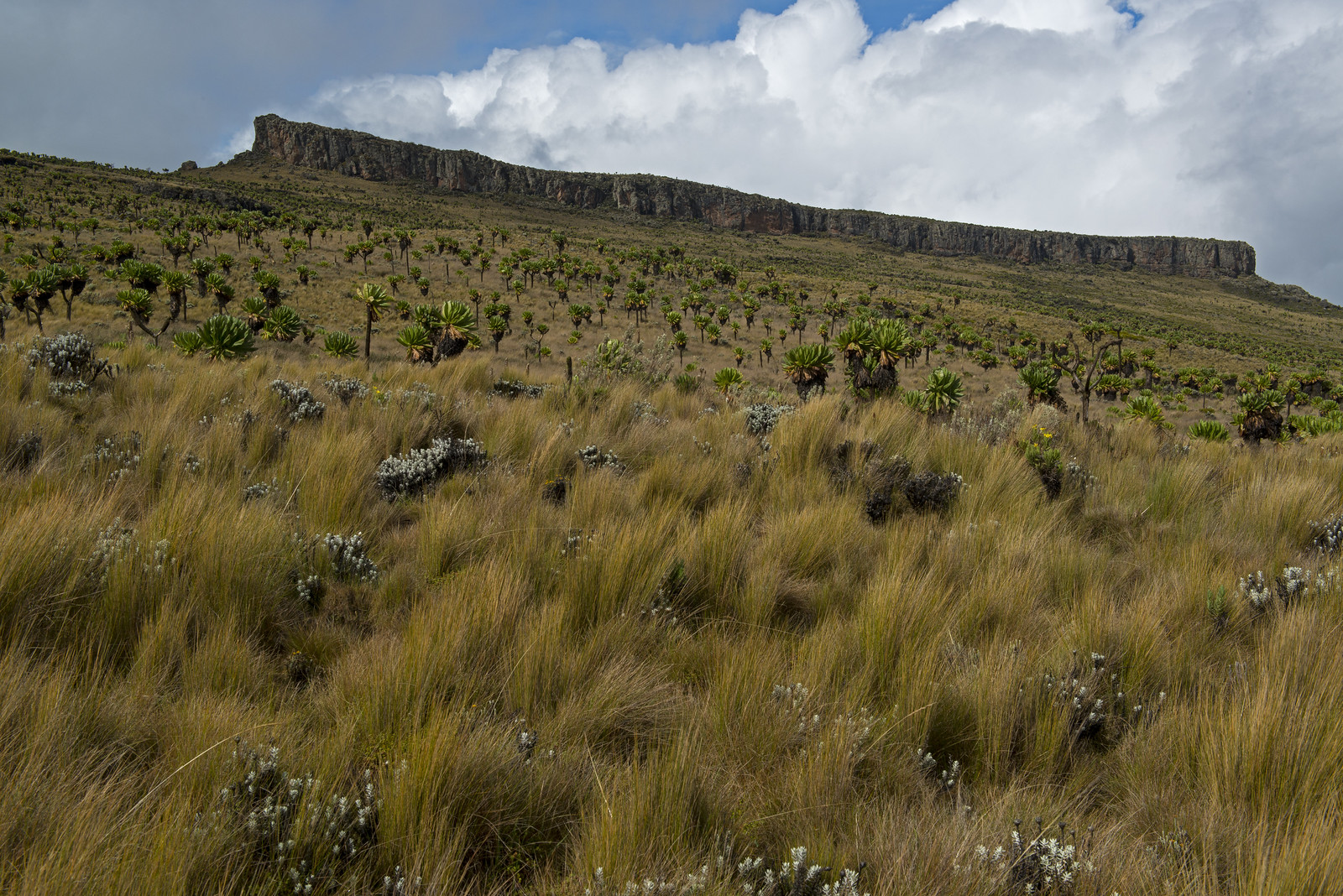
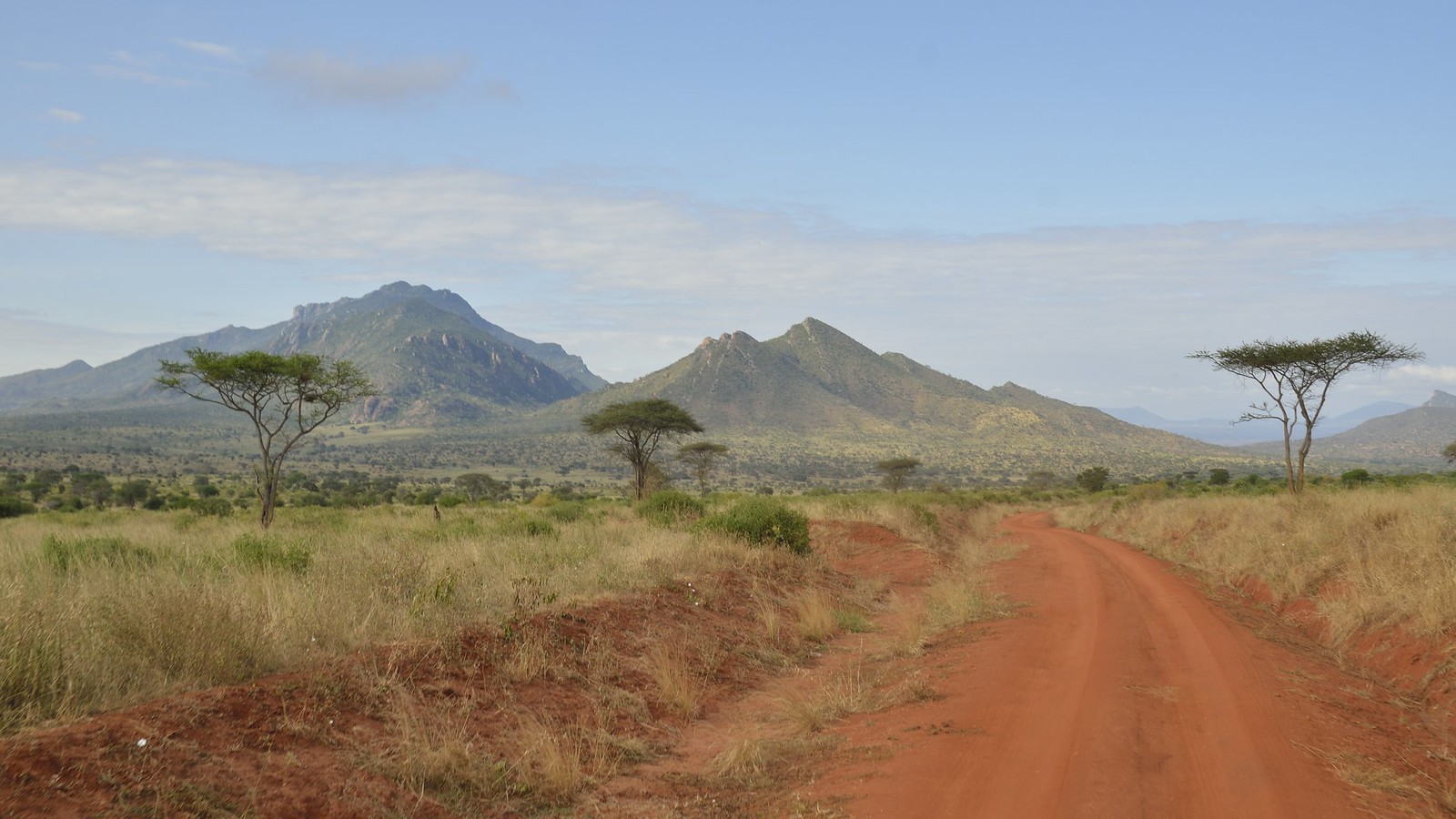
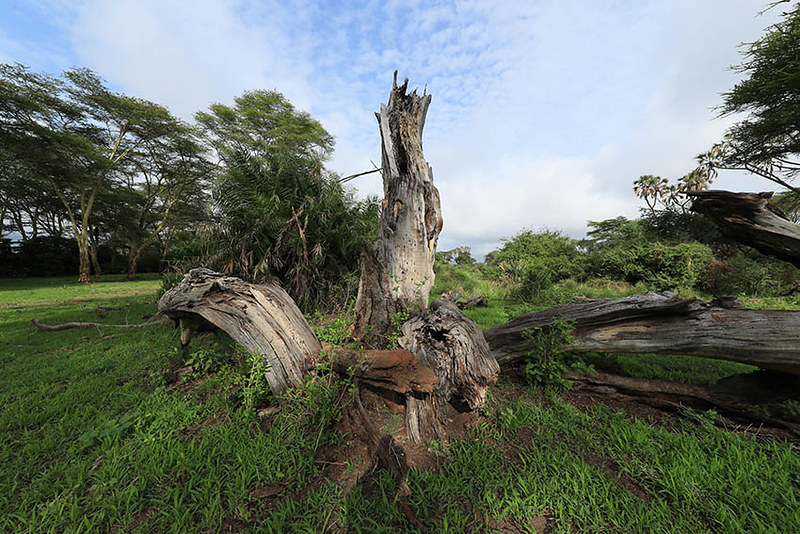
Katavi’s terrain is a mixture of seasonal floodplains, savannah grasslands, riverine forests, and miombo woodlands. The park’s heart is formed by the Katuma and Rungwa Rivers, which create expansive floodplains during the wet season. These wetlands attract thousands of animals and birds, producing some of the most dramatic wildlife spectacles in Africa.
During the dry season, water sources shrink, concentrating animals near permanent rivers and waterholes. These seasonal dynamics provide extraordinary wildlife viewing opportunities, as predators and prey gather along shrinking waterways and floodplain edges. The park’s remoteness and low visitor numbers amplify the feeling of being in a wild, untouched ecosystem.
Wildlife in Katavi National Park
Katavi is famous for high concentrations of wildlife, particularly during the dry season. Its herds, riverine predators, and diverse birdlife make it one of Tanzania’s most rewarding safari destinations.
Elephants
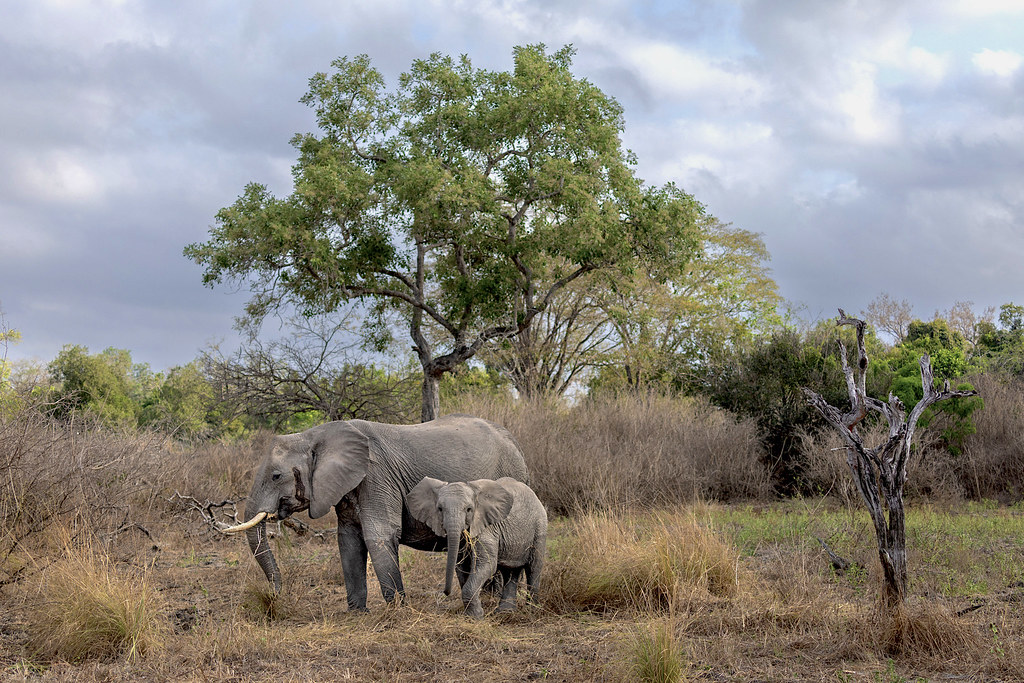
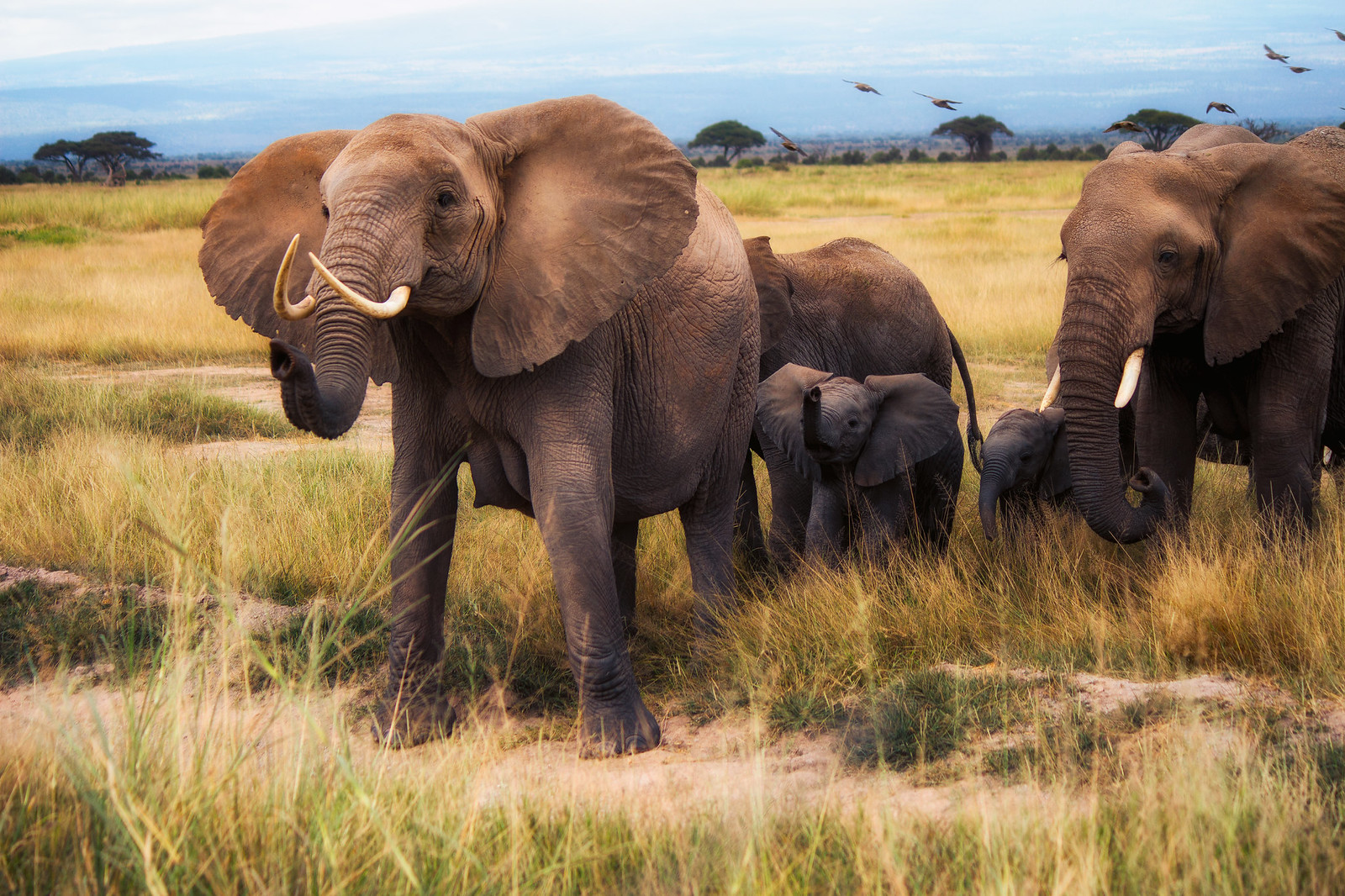
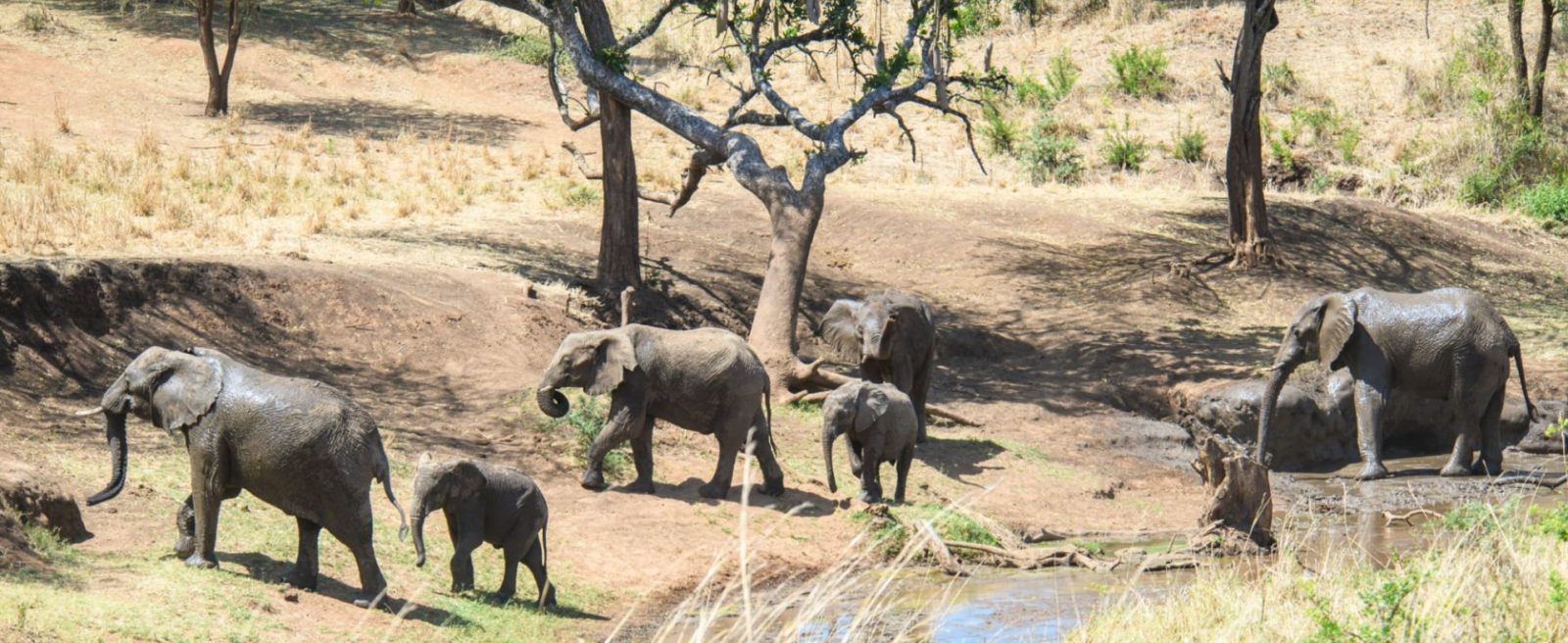
Katavi hosts large herds of African elephants, often numbering in the hundreds during dry-season congregations at rivers and waterholes. Their movements across plains, interactions, and family dynamics are a highlight of any safari here.
Buffalo Herds
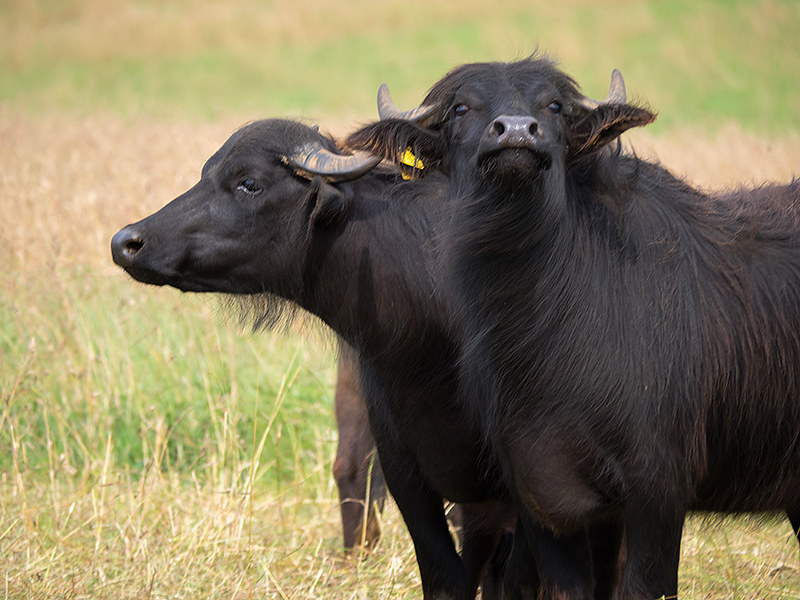
The park is renowned for its immense buffalo herds, some of the largest in Africa. During the dry season, thousands of buffalo cluster along rivers, creating awe-inspiring scenes. Their social structure, vigilance, and sheer numbers make them a fascinating subject for wildlife observation and photography.
Predators: Lions, Leopards, and Cheetahs
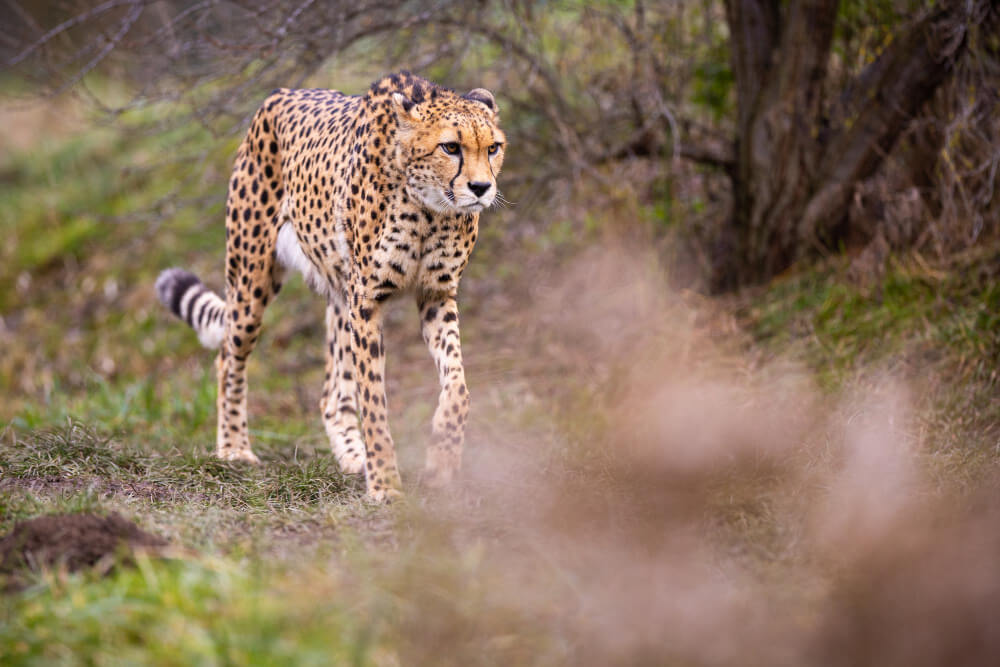
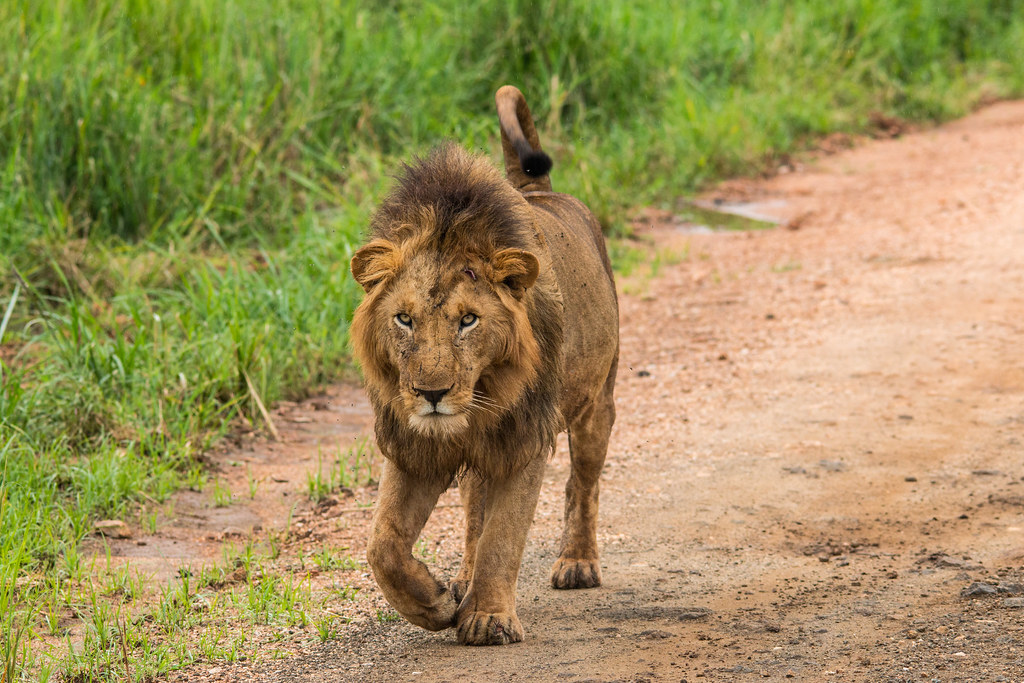
Katavi boasts a healthy population of apex predators. Lions patrol grasslands and river edges, and their roars echo across the floodplains at night. Leopards, though elusive, inhabit woodlands and forested areas. Wild dogs and cheetahs are also present, offering thrilling sightings for visitors who venture into the park’s remote areas.
Hippos and Crocodiles
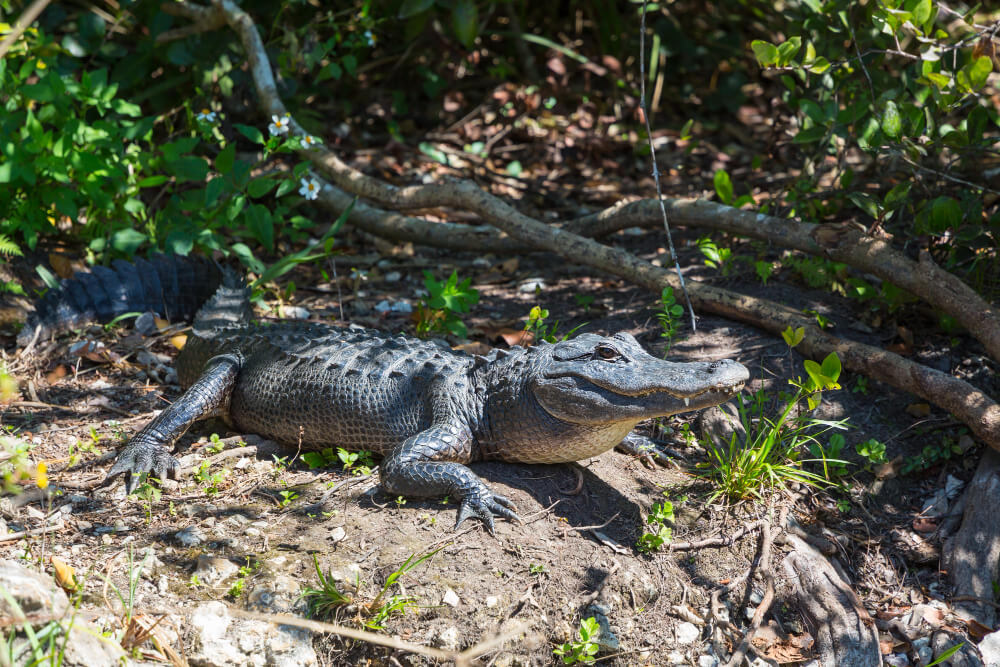
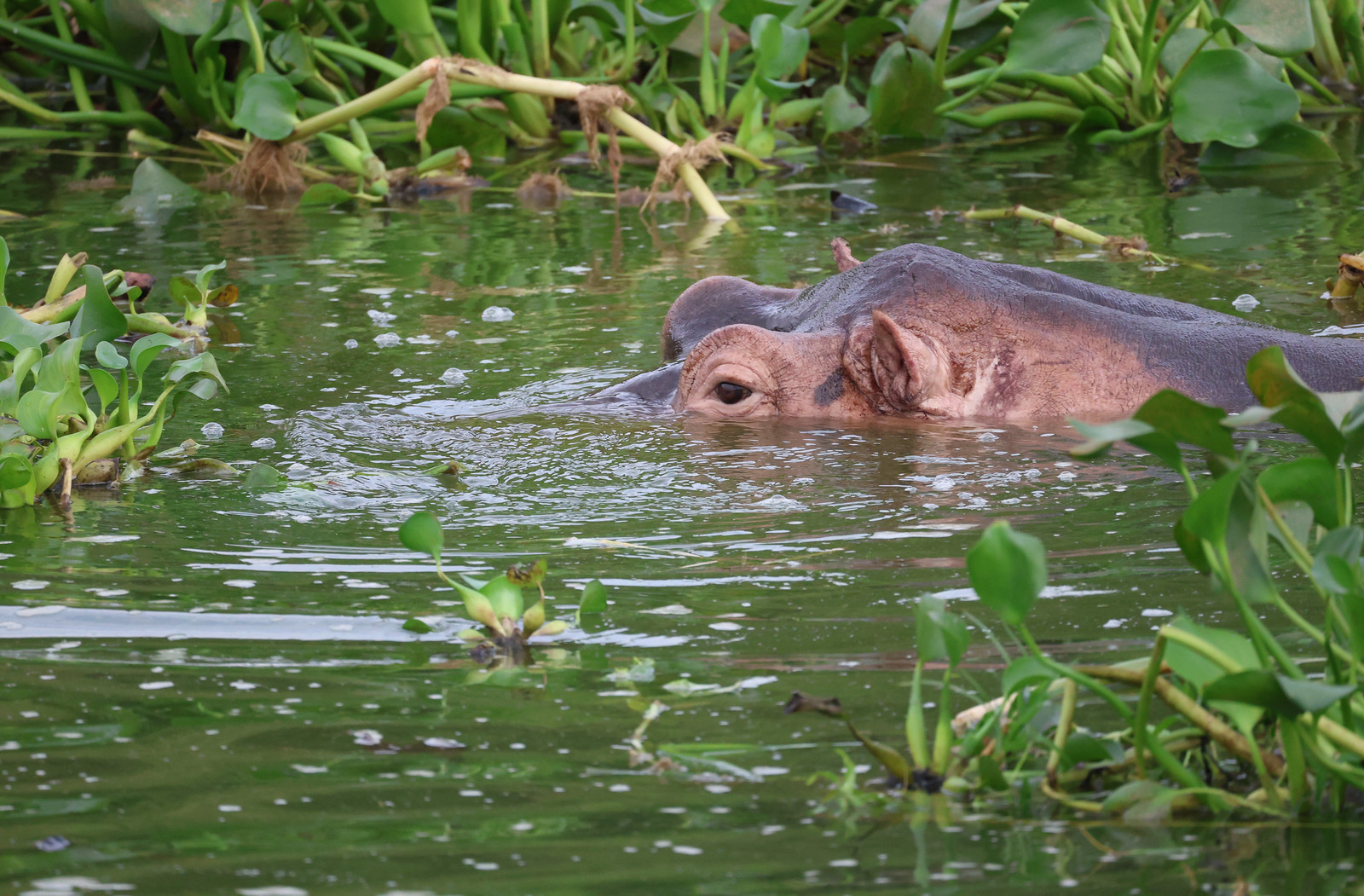
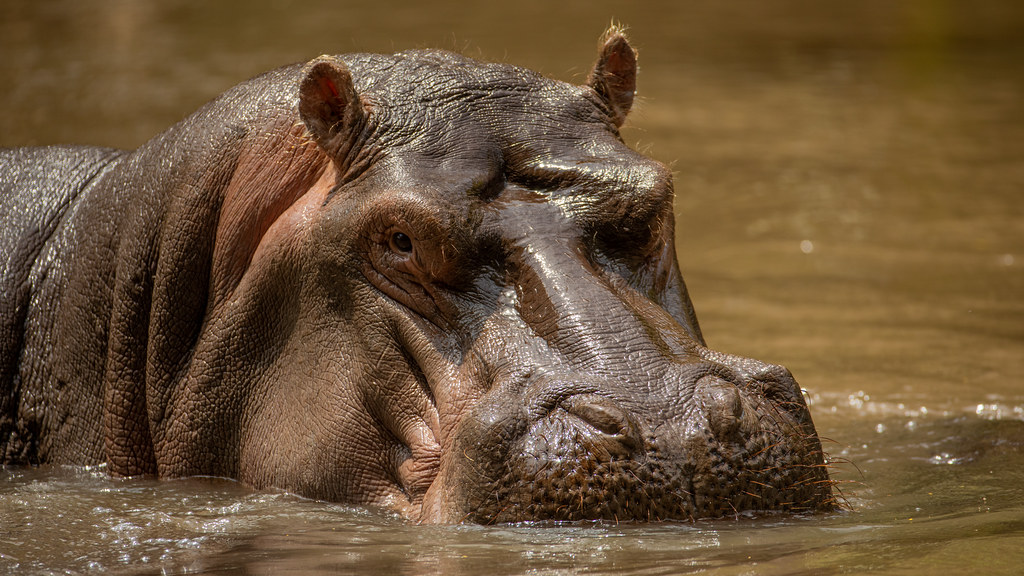
The rivers and floodplains teem with hippos, which are most active at dusk when they leave water to graze. Large Nile crocodiles lurk in river channels, completing the aquatic predator-prey system. These encounters are among the most memorable experiences in Katavi, illustrating the park’s intact ecological dynamics.
Plains Antelopes and Giraffes
Katavi is home to topis, impalas, hartebeests, elands, waterbucks, and other antelope species that roam freely across the savannah and floodplains. Giraffes browse acacia trees, creating classic African safari scenes. The interplay of herbivores and predators in these open landscapes is a constant spectacle for safari-goers.
Birdlife
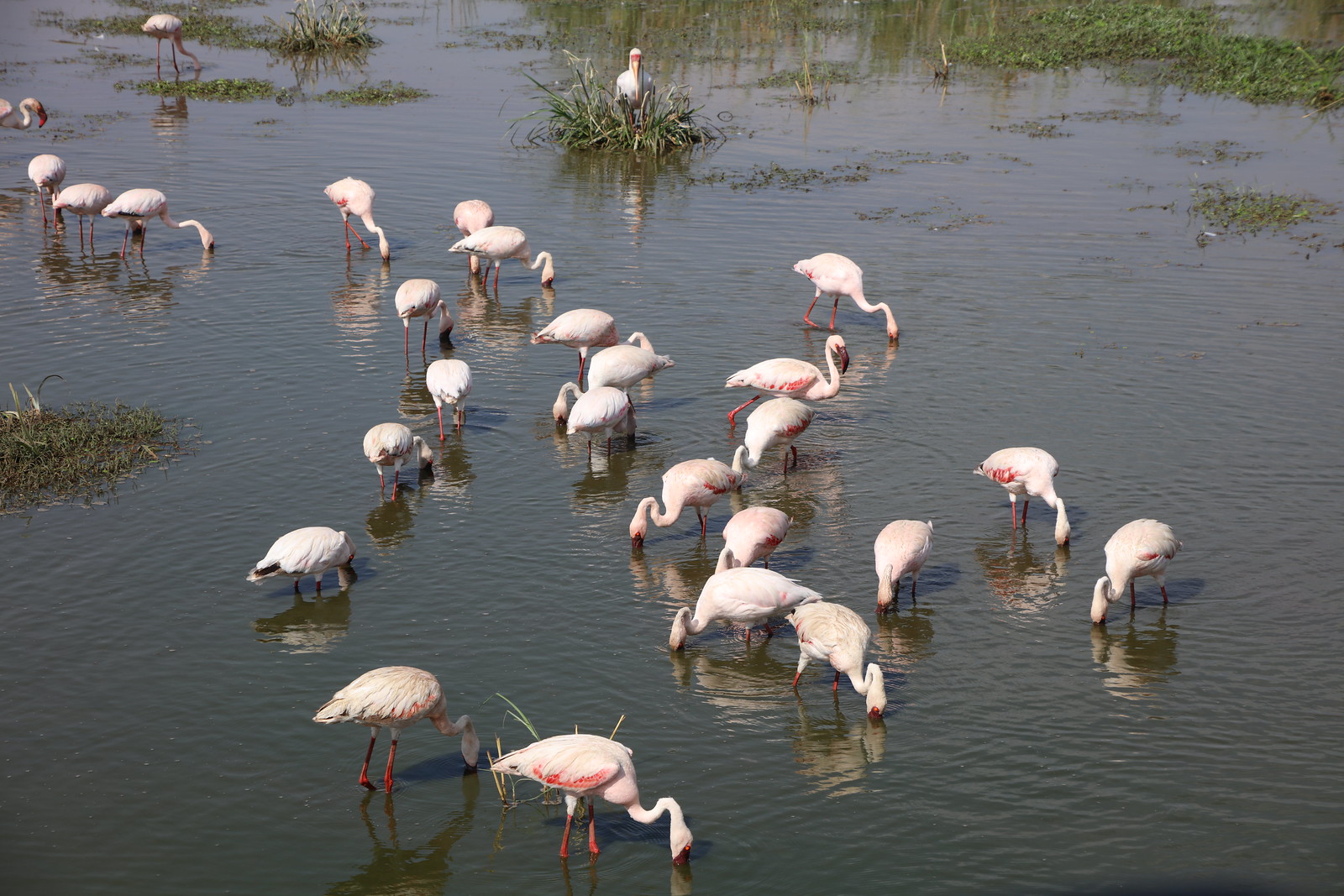
Katavi is a birder’s paradise, particularly during seasonal floods. The park hosts hundreds of species, including fish eagles, herons, storks, kingfishers, and pelicans. Migratory species supplement the resident birds, creating dynamic and colorful flocks over the floodplains and lakes.
The Seasonal Dynamics of Katavi
The wet and dry seasons dramatically alter Katavi’s landscapes and wildlife patterns.
Wet Season (November to May)
During the wet season, the floodplains are transformed into lush wetlands, attracting thousands of waterbirds and encouraging dispersed herbivore movements. Vegetation flourishes, and the park’s scenery is intensely green and vibrant. However, wildlife may be harder to spot due to dense vegetation and dispersed herds.
Dry Season (June to October)
The dry season is the best time for wildlife viewing. Rivers shrink, waterholes become gathering points, and predators and prey congregate, creating spectacular viewing opportunities. This is also the most accessible time for vehicles to traverse sandy roads and floodplain tracks.
Safari Experiences in Katavi
Visiting Katavi offers a truly immersive safari experience, whether on game drives, walking safaris, or boat excursions.
Game Drives
4×4 game drives take visitors across the park’s floodplains, woodlands, and savannahs. Guides use deep knowledge of seasonal movements and wildlife behavior to ensure sightings of elephants, buffalo, lions, and other iconic species. Early morning and late afternoon drives offer the best light for photography and wildlife activity.
Walking Safaris
Walking safaris provide intimate encounters with the wilderness. Guided by experienced rangers, visitors can observe smaller species, animal tracks, and birdlife. Walking allows for a deeper understanding of the ecosystem and brings a sense of connection to the landscape that is impossible from a vehicle.
Boat Safaris
While not as common as in other Tanzanian parks, river-based boat safaris on the Katuma and Rungwa rivers provide close encounters with hippos, crocodiles, and aquatic birds, offering a perspective different from land-based safaris.
Conservation in Katavi
Katavi National Park is a model of protected wilderness. Its remote location has historically helped safeguard wildlife, but anti-poaching efforts, community engagement, and sustainable tourism initiatives remain essential.
-
Anti-poaching patrols monitor rivers and floodplains.
-
Community programs ensure local populations benefit from tourism while protecting wildlife habitats.
-
Scientific research continues, focusing on predator-prey dynamics, elephant populations, and seasonal ecology, helping to inform conservation strategies.
The park’s success is a reminder that remoteness alone is not enough — active conservation measures are required to maintain biodiversity in a changing world.
Visiting Katavi: Practical Information
How to Get There
Katavi is remote, requiring careful planning:
-
By Air: The quickest way is to fly from Dar es Salaam or Arusha to Mpanda Airstrip near the park.
-
By Road: Overland access from Mbeya is possible but challenging due to rough roads.
Accommodation
Lodging in Katavi is sparse but comfortable. Options include eco-lodges, luxury tented camps, and riverside accommodations, designed to immerse visitors in the wilderness. Staying within or near the park ensures quick access to early morning and late afternoon game drives.
Best Time to Visit
For wildlife concentrations, the dry season (June–October) is ideal. For lush scenery, birding, and quieter landscapes, the wet season (November–May) provides a spectacular alternative.
Safari Tips
-
Bring binoculars, camera gear, and insect repellent.
-
Neutral-colored clothing is recommended for blending into the landscape.
-
Stay hydrated and carry snacks for long drives.
-
Always follow guide instructions and park regulations.
Why Katavi Matters
Katavi National Park offers a rare wilderness safari where wildlife numbers are high, ecosystems remain intact, and human impact is minimal. It provides a window into Africa’s untamed landscapes, where predator-prey dynamics, seasonal migrations, and natural cycles continue undisturbed.For travelers, Katavi is not about convenience or luxury; it is about adventure, discovery, and immersion. Observing thousands of buffalo crossing floodplains, lions hunting along rivers, elephants congregating at waterholes, or hippos wallowing at sunset is an experience few other parks can match.Katavi stands as a living example of Africa’s wild heritage, proving that even in the 21st century, immense wildernesses still exist — places where nature thrives on its own terms.Katavi National Park is Tanzania’s hidden gem of wildlife and wilderness, a park for travelers seeking authentic safari experiences. Its combination of floodplains, miombo woodlands, rivers, and wetlands creates a dynamic ecosystem brimming with elephants, buffalo, lions, and rich birdlife.Visiting Katavi is a journey into true Africa, where the scale of the landscape and the abundance of wildlife remind us of the continent’s enduring wildness. For photographers, conservationists, or anyone yearning for solitude and discovery, Katavi is more than a safari destination — it is an adventure into the heart of Africa’s untamed beauty.
Our Recommended Tour Ideas
Please the content should be 130 characters.
Please the content should be 110 characters.

13 Days Uganda Rwanda Tour with Gorilla Trekking, Wildlife Safaris, Chimpanzee Tracking & Scenic Volcano Adventures
Please the content should be 130 characters.


Please the content should be 130 characters.
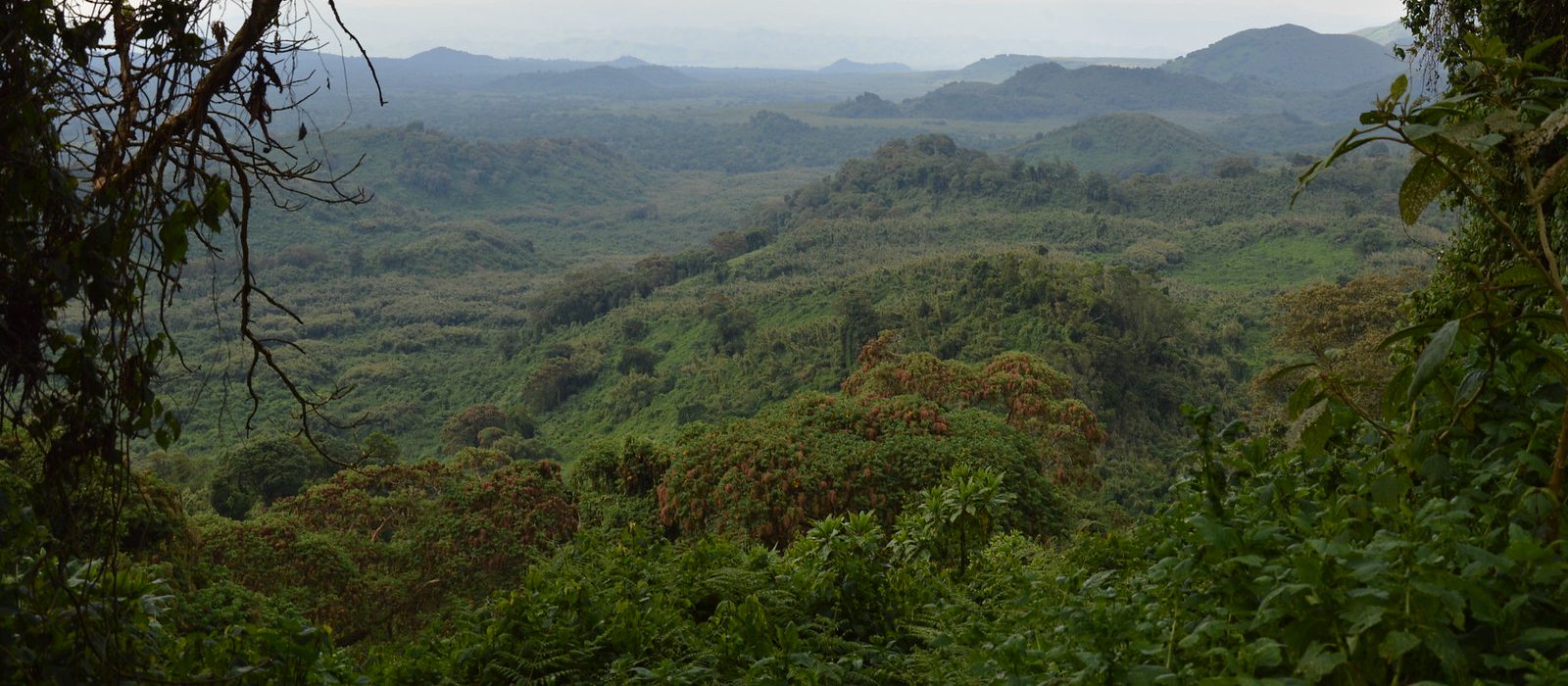
Two immersive gorilla treks in Volcanoes National Park with scenic views and expert-guided encounters.
What Our Travelers Enjoyed About Primate Safaris

Gorillas "Silverback"
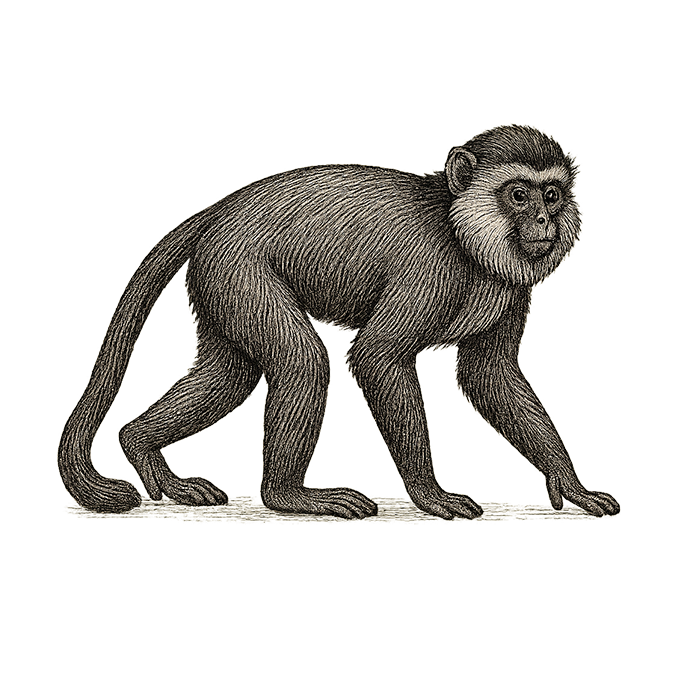
Golden Monkey "Photogenic"
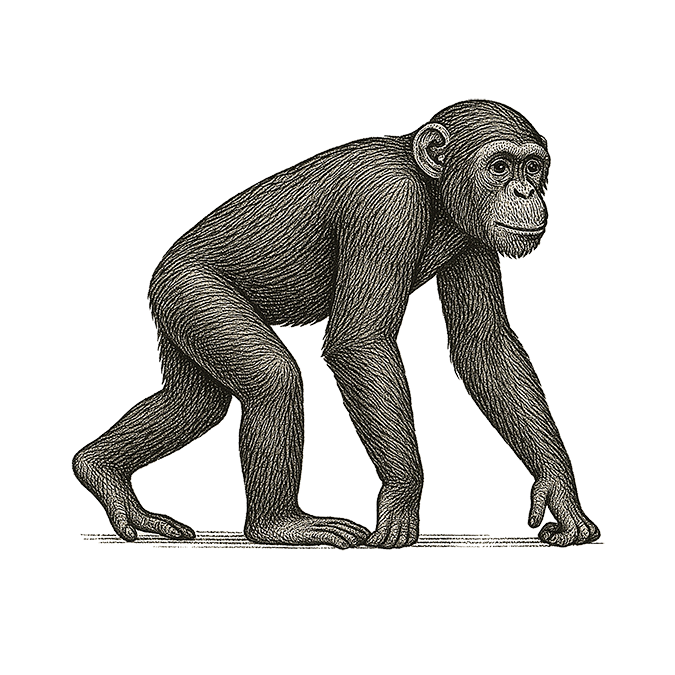
Chimpanzees "Pant-hoot"