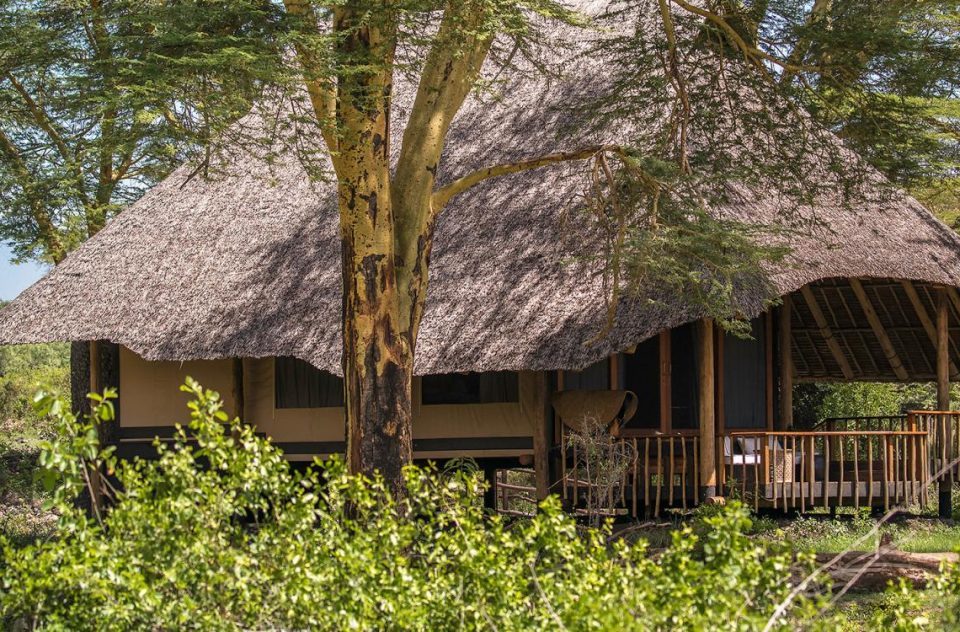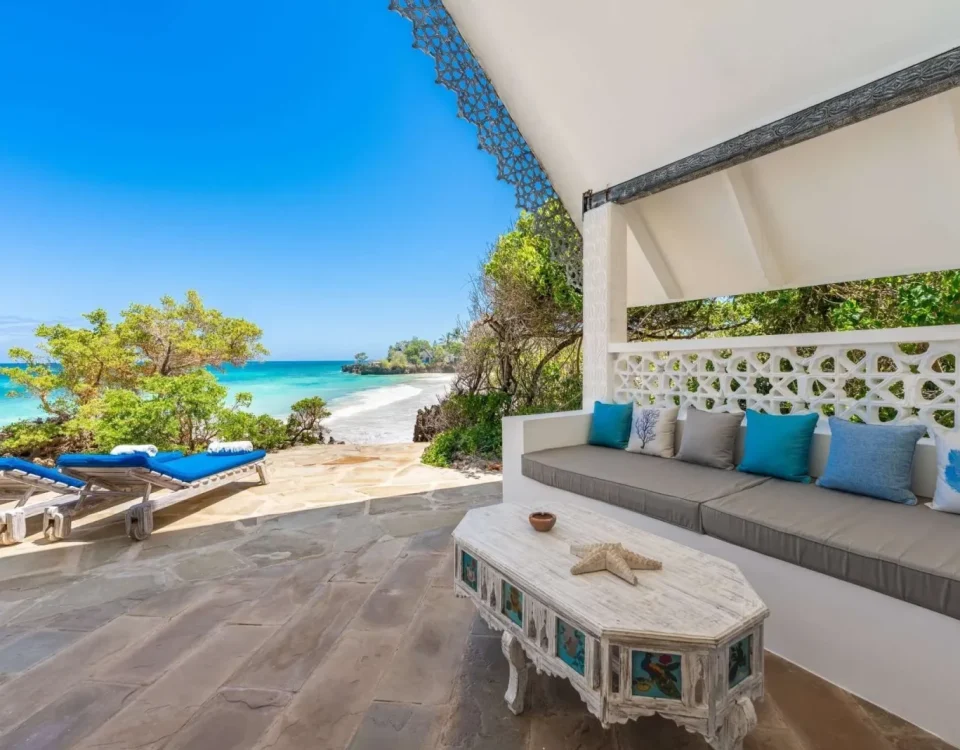
There is a particular kind of quiet that settles over East Africa once the sun drops behind an escarpment or a volcano ridge, and it is in that hush that the region’s private safari camps do their best work. These are not the sprawling lodges built for large tour groups or family reunions. They are small, intimate properties, often no more than six to twelve rooms or tents, designed around the idea that two people travelling together want a fire pit to themselves, a guide who remembers their names by the second day, and a view that nobody else is photographing over their shoulder. Choosing where to spend that kind of trip matters more than most travelers realize, because the setting shapes the mood of the entire safari in a way that itinerary logistics never quite capture.
What Makes a Safari Camp Feel Romantic Rather Than Just Luxurious
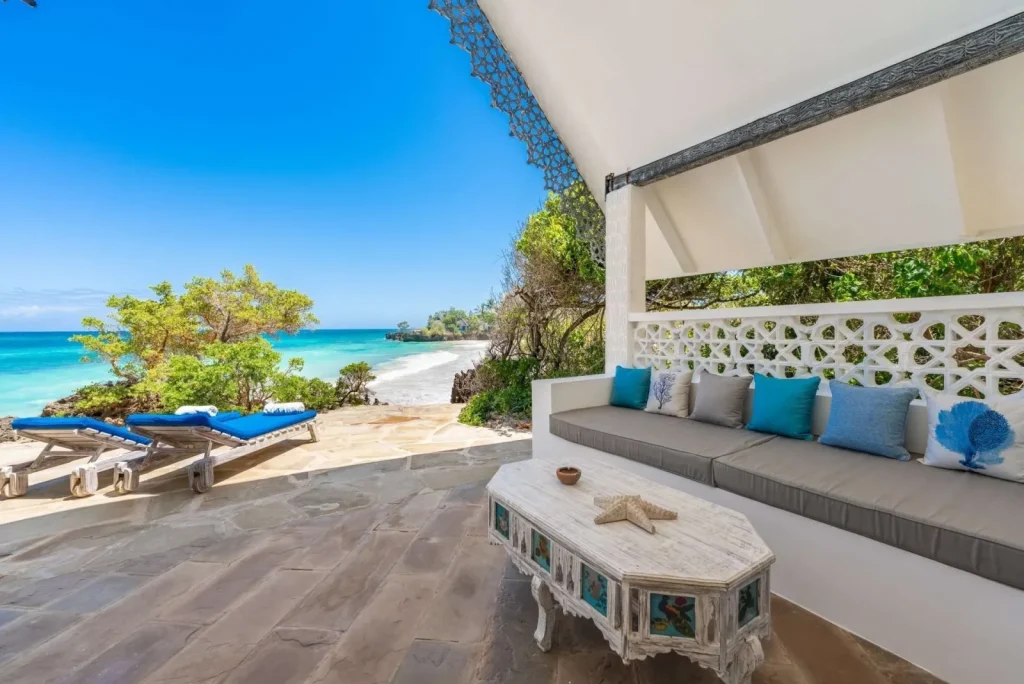
Luxury and romance overlap but are not the same thing. A hotel can have marble floors and a rooftop pool and still feel corporate. What tips a camp into genuinely romantic territory is scale and attention: few enough guests that the dining area never feels crowded, staff who anticipate rather than simply respond, and architecture that frames the landscape instead of competing with it. East Africa’s most romantic private camps tend to share a few traits. They sit in locations chosen for drama, whether that is a cliff above the Mara plains or a volcanic slope draped in cloud forest. They build in private space, a veranda or a deck rather than a shared lounge, so couples are not forced into constant small talk with strangers. And they treat dinner as an event rather than a meal, moving it outdoors under acacia trees or onto a private deck when weather allows.
The Role of Seclusion in a Romantic Setting
Seclusion is not simply about distance from other guests. The best romantic camps in East Africa are positioned so that each room feels like its own small world, screened by vegetation or spaced far enough apart that neighboring guests are never heard or seen. Angama Mara, perched on the edge of the Oloololo Escarpment above Kenya’s Maasai Mara, is a good example of how far this philosophy can go. Its tented suites face a view that stretches for miles across the plains below, and the camp was designed specifically around that panorama, with floor-to-ceiling glass and decks angled to catch both sunrise and sunset without another structure in sight. Couples who stay there consistently mention the sense that the whole valley has been arranged for their benefit, even though the wildlife obviously has other priorities.
Design That Frames the Landscape
A second marker of romantic atmosphere is architectural restraint. Wilderness Bisate Lodge in Rwanda, tucked into a reforested volcanic amphitheater near Volcanoes National Park, takes this approach almost to an extreme. Its six forest-pod villas are shaped like traditional Rwandan royal dwellings but built with curved timber and thatch that lets the surrounding rainforest dominate the view rather than the building itself. Guests staying there before or after gorilla trekking often describe the lodge as feeling less like a hotel and more like a sculpted extension of the hillside, which is precisely the effect eco-conscious luxury design is meant to achieve. The romance comes not from ornamentation but from how completely the built environment gets out of the way of the setting.
Uganda’s Bwindi Camps and the Gorilla-Trekking Honeymoon Circuit
Uganda occupies an unusual niche in this conversation because its most romantic camps are built around the Bwindi Impenetrable Forest, meaning couples combine an intensely physical, adrenaline-charged day of gorilla trekking with evenings that are deliberately slow and indulgent. Volcanoes Bwindi Lodge, overlooking the forest from the Buhoma side, is widely regarded as one of the finest properties in the region, and its Deluxe Bandas in particular have become popular with honeymooning couples for their extra space and private verandas that look directly into the treeline. Sanctuary Gorilla Forest Camp takes a slightly different approach, using eight standing tents set directly among the trees so that guests fall asleep to actual forest sound rather than a curated soundtrack of it. Readers planning that particular pairing of adventure and romance may also want to read our dedicated guide to honeymoon gorilla safaris and romantic lodges near Bwindi and Volcanoes, which goes deeper into that specific pairing of trekking and lodging than this broader regional roundup can.
Why the Forest Setting Changes the Mood
There is something about spending the day scrambling through dense, misty forest in search of a gorilla family and then returning to a warm bath and a private dinner that heightens the emotional register of a trip in a way flat savanna landscapes do not always manage. Couples describe the contrast itself as romantic: the vulnerability of the trek followed by the comfort of the camp. It is worth noting that Bwindi’s terrain means most of these lodges sit on ridges rather than valley floors, so nearly every romantic camp in the area comes with sweeping views as a byproduct of simple geography rather than deliberate design.
Tanzania’s Serengeti and Grumeti Properties
Tanzania’s private reserves offer a different flavor of romance, built around scale and drama rather than intimacy with a forest canopy. Singita Sasakwa, set within the privately managed Grumeti Reserve on the western edge of the Serengeti, styles itself after an Edwardian manor house, complete with parquet floors, antique furnishings, and verandas that overlook the plains where the wildebeest migration periodically passes. Dinners here are frequently arranged outdoors, beneath open sky, with the entire western corridor of the Serengeti visible in the distance once the moon rises. For couples who want their romantic safari to feel cinematic and slightly theatrical, in the best sense, Sasakwa delivers a version of East Africa that leans into old-world elegance rather than eco-minimalism.
Smaller Tented Options for a More Intimate Serengeti Stay
Not every couple wants a manor house experience, and the Serengeti also holds smaller, more classically tented camps that move seasonally with the migration or stay fixed in quieter corners of the ecosystem. These tend to favor canvas over stone, oil lamps over electric lighting in the evenings, and a closer, more textured relationship with the bush right outside the tent flap. Anyone weighing the two styles against each other, grand lodge versus classic tented camp, may find it useful to read our comparison of mobile tented camps versus permanent lodges, which breaks down the cost and experience differences in more detail than fits here.
Kenya’s Mara Camps Beyond Angama
The Maasai Mara has no shortage of camps competing for the honeymoon market, but a handful distinguish themselves through genuine intimacy rather than marketing. Camps set along the lesser-visited conservancies bordering the reserve, rather than inside the national reserve itself, tend to offer lower vehicle density and more flexible game-drive timing, both of which matter enormously for a romantic trip since privacy on a game drive is nearly as valuable as privacy back at camp. Couples who want the option of a sundowner stopped in an empty stretch of grassland, rather than sharing that moment with three other vehicles, should generally prioritize conservancy-based camps over properties inside the main reserve boundary during peak migration months.
Private Vehicles and Their Effect on the Romantic Experience
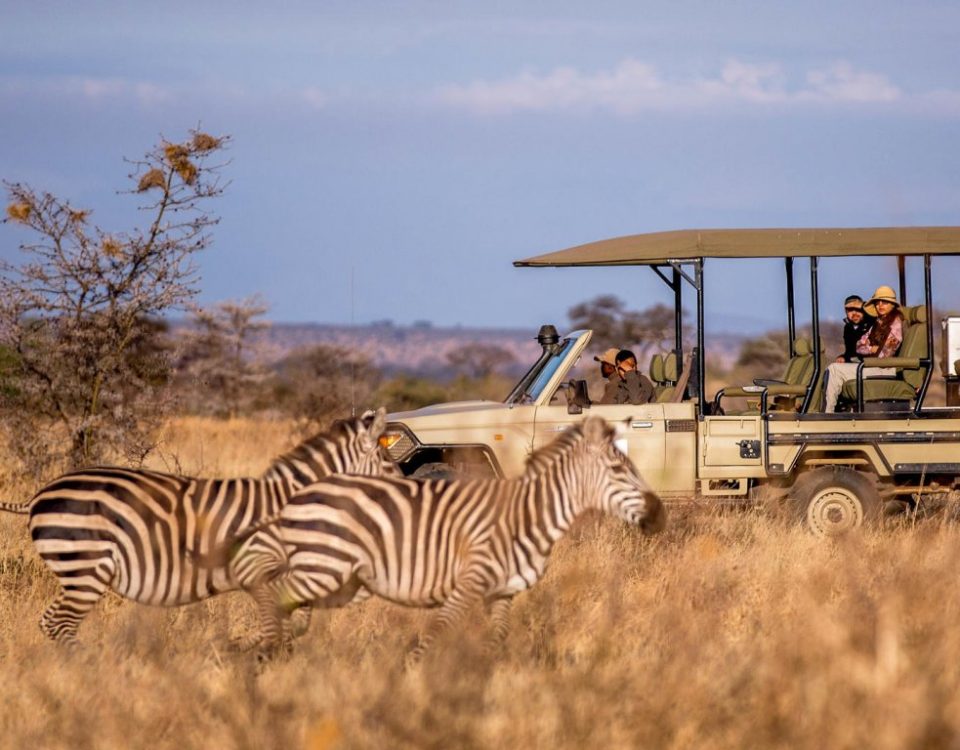
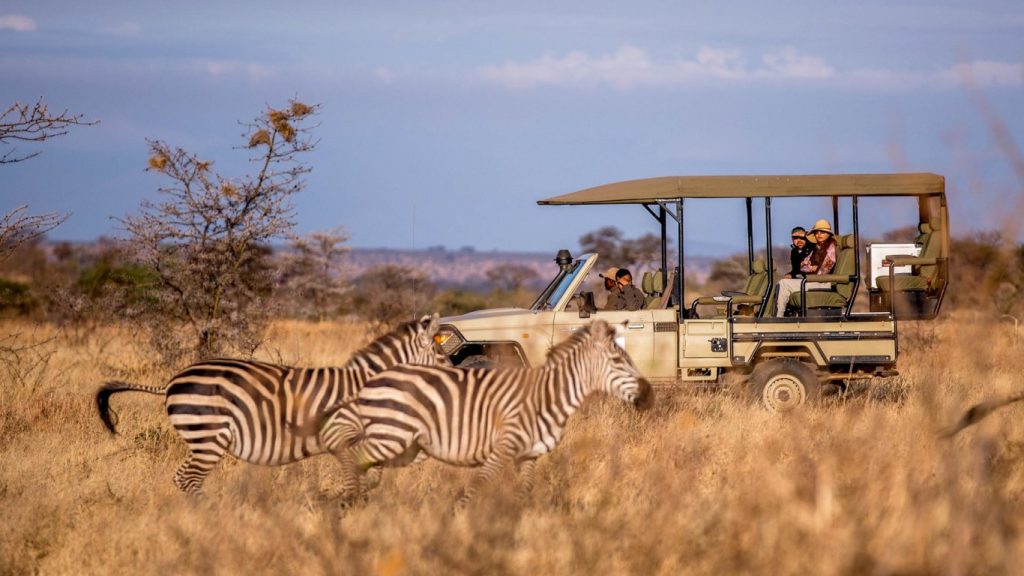
One detail that separates a merely nice camp from a genuinely romantic one is whether game drives are shared with other guests or reserved exclusively for a couple. Many of the properties mentioned here offer private vehicles as standard for honeymoon bookings, which changes the entire rhythm of a day. A private vehicle can linger at a sighting for as long as a couple wants, detour toward a particular kind of landscape, or simply stop somewhere quiet for champagne without negotiating anyone else’s preferences. Those weighing whether the added cost of a private vehicle is worth it for a romantic trip specifically might find our broader piece on choosing between a group safari and a private safari useful context, since the calculus shifts considerably once romance rather than budget becomes the primary consideration.
Rwanda’s Volcanoes National Park Corridor
Beyond Bisate, the stretch of land bordering Volcanoes National Park has become something of a concentrated luxury corridor, with several high-end properties competing for a relatively small number of gorilla trekking permits issued each day. Singita Kwitonda Lodge, a short distance from Bisate, offers a similarly design-forward experience with an emphasis on Rwandan craft and materials sourced locally. The proximity of so many excellent properties within a small geographic area means couples can sometimes combine a stay at one lodge with a dinner or spa visit at another, something concierge teams in the area are generally happy to help arrange given how closely the properties cooperate with each other.
Why Rwanda’s Volcanoes Region Suits a Shorter, Deeper Trip
Because gorilla permits are limited and trekking itself is only a half-day activity, Rwanda lends itself to a shorter, more concentrated romantic stay compared to the longer multi-park circuits common in Tanzania or Kenya. Couples often spend two or three nights in the Volcanoes corridor, using the remaining time for spa treatments, guided nature walks through the surrounding farmland and eucalyptus groves, or simply resting at the lodge. That slower pace, forced partly by the region’s geography and partly by how few activities compete for attention, is itself part of what makes the area feel romantic rather than rushed.
What to Ask Before Booking a Romantic Camp
Marketing photography can make almost any camp look intimate, so it helps to ask a few direct questions before booking. How many rooms does the camp actually have, and how far apart are they spaced? Is a private vehicle included or available as an upgrade? Can dinner be arranged privately away from the main dining area, and is there an additional charge for that? Does the camp’s location put it inside a crowded reserve or a quieter private conservancy where vehicle numbers are capped? The answers to these questions matter more for how romantic a trip feels than star ratings or thread counts ever will, and a good travel consultant should be able to answer all of them without hesitation.
Matching the Camp to the Season
Timing also affects how private and romantic a camp feels, independent of its design. Properties near the Serengeti and Mara that sit along the wildebeest migration route become considerably busier during the July through October peak, even at exclusive camps, simply because that is when the wildlife spectacle is at its height. Couples who prioritize seclusion over migration viewing sometimes do better booking Rwanda’s gorilla circuit or Uganda’s Bwindi properties during those same months, since gorilla families do not migrate and permit numbers keep visitor density naturally low year-round.
Bringing the Pieces Together
East Africa’s most romantic private camps succeed for surprisingly consistent reasons across very different countries and landscapes: they limit guest numbers deliberately, they build architecture that steps back and lets the setting lead, and they treat privacy, whether in a vehicle, at dinner, or simply on a private veranda, as the central product rather than an afterthought. Whether that means a forest-pod villa on a Rwandan volcano, a manor house overlooking the Grumeti Reserve, or a cliffside tent above the Mara, the common thread is a camp built around the idea that two people came here for each other as much as for the wildlife. Couples planning this kind of trip do well to look past general luxury rankings and ask the more specific questions about scale, seclusion, and vehicle exclusivity outlined above, since those details, more than any spa menu, determine whether a safari actually feels like a honeymoon.