
Eco-Lodges in East Africa: Sleeping Lightly on the Land
Eco-lodges in East Africa offer travellers an opportunity to experience wildlife and natural landscapes while reducing the environmental impact of their accommodation. Across Uganda, Rwanda, Kenya and Tanzania, environmentally conscious lodges are adopting renewable energy, responsible water management, sustainable construction and community-based tourism practices.
Staying at an eco-lodge can contribute to forest protection, wildlife conservation and employment opportunities for neighbouring communities. However, genuine environmental responsibility involves more than using solar panels, wooden furniture or thatched roofs.
A well-managed eco-lodge considers how its daily operations affect water resources, wildlife habitats, energy consumption and local livelihoods.
Whether you are planning gorilla trekking in Bwindi, exploring the Serengeti or visiting Kenya’s wildlife conservancies, choosing responsible accommodation can support conservation while providing a comfortable safari experience.
This guide explains what makes an eco-lodge environmentally responsible, introduces notable properties and offers practical advice for selecting sustainable safari accommodation.
What Are Eco-Lodges in East Africa?
An eco-lodge is an accommodation facility designed and managed to minimise environmental damage while supporting conservation and benefiting neighbouring communities.
Unlike conventional hotels, responsible eco-lodges consider the environmental consequences of construction, electricity generation, water consumption, food preparation and waste disposal.
Many are situated near national parks, wildlife conservancies, protected forests and marine reserves.
Their main objective is to provide comfortable accommodation while protecting the natural resources on which tourism depends.
| Environmental consideration | Responsible eco-lodge practice |
|---|---|
| Electricity | Solar power and energy-efficient appliances |
| Water consumption | Rainwater harvesting and water conservation |
| Construction | Responsibly sourced materials |
| Waste disposal | Recycling, composting and waste reduction |
| Wildlife conservation | Habitat restoration and conservation funding |
| Employment | Recruiting and training local residents |
| Food supplies | Purchasing seasonal produce locally |
| Tourism activities | Responsible wildlife viewing and guided walks |
An accommodation facility should demonstrate these commitments through its operations rather than relying entirely on environmental marketing.
What Makes an Eco-Lodge Truly Sustainable?
Renewable Energy
Remote safari lodges have traditionally relied on diesel generators because electricity networks are often unavailable. Solar panels and battery storage can reduce dependence on fossil fuels, operating noise and air pollution.
Some eco-lodges combine solar electricity with solar water heating. Others retain generators for emergencies or periods of insufficient sunlight.
Guests may occasionally experience restrictions on using high-powered electrical appliances. These arrangements help accommodation providers manage their available energy responsibly.
Responsible Water Management
Water is particularly valuable in remote safari destinations, especially during prolonged dry periods.
Responsible lodges may collect rainwater, install water-efficient showers and treat wastewater before releasing or reusing it.
Encouraging guests to reuse towels also reduces laundry requirements.
However, water conservation should never compromise drinking water safety, sanitation or personal hygiene.
Sustainable Construction
Responsible accommodation design considers existing vegetation, wildlife movements, soil erosion and the availability of construction materials.
Building around mature trees and natural rock formations can reduce unnecessary habitat disturbance.
Locally sourced stone, responsibly harvested timber and traditional building techniques may also reduce transportation requirements while supporting local craftspeople.
Community Employment and Development
Environmental responsibility extends beyond protecting forests and wildlife.
Eco-lodges can contribute to neighbouring communities by providing employment, purchasing agricultural products locally and supporting education, healthcare or clean water projects.
Travellers should look for evidence that community members receive meaningful benefits and participate in tourism decisions.
Recommended Eco-Lodges in Uganda
1. Bakiga Lodge, Ruhija
Bakiga Lodge provides accommodation in the eastern sector of Bwindi Impenetrable National Park.
Its community-focused operations support projects that improve access to clean water. Guests can combine gorilla trekking and specialist birdwatching with accommodation that contributes to local development.
The lodge is particularly suitable for travellers seeking comfortable mid-range accommodation with a social purpose.
2. Agandi Uganda Eco-Lodge, Ruhija
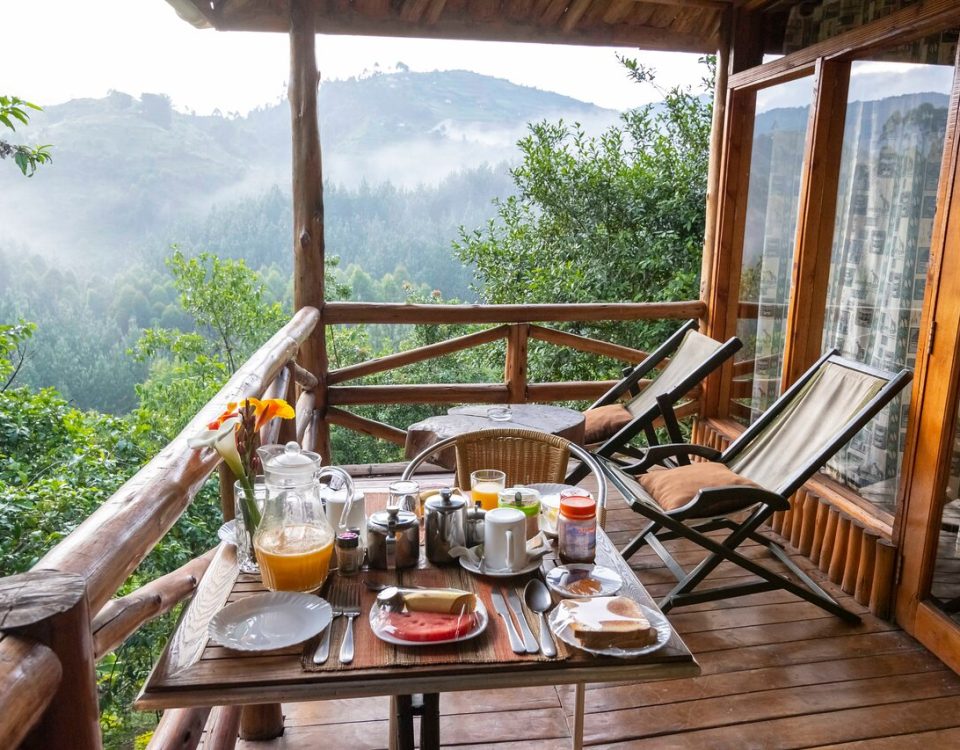
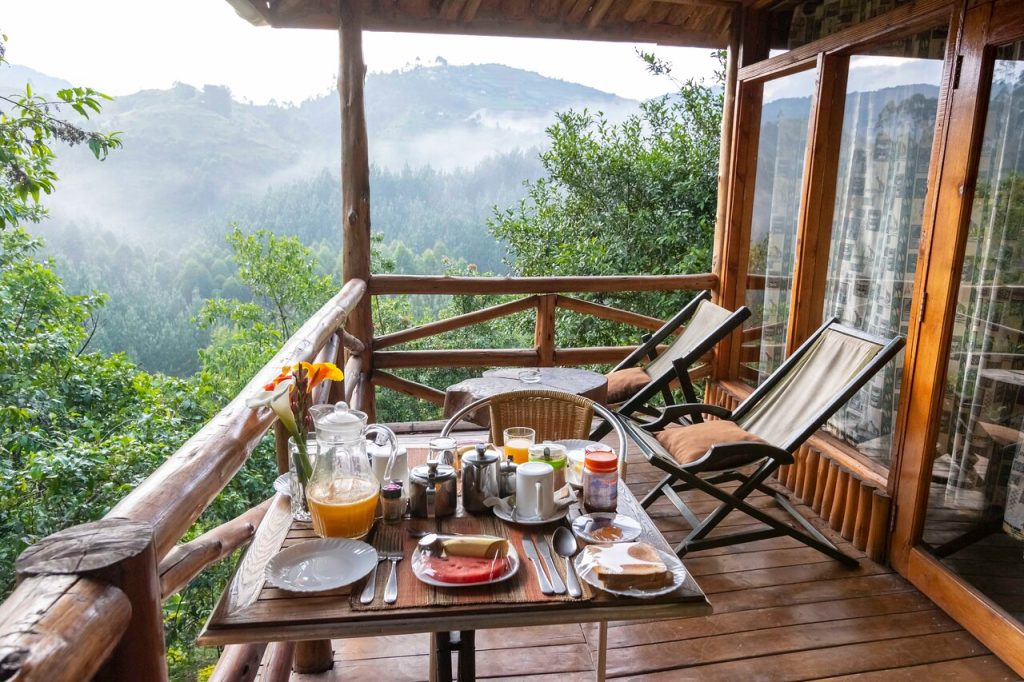
Agandi Uganda Eco-Lodge offers accommodation overlooking Bwindi’s mountainous landscapes.
Its locally inspired architecture, natural surroundings and use of fresh local ingredients appeal to environmentally conscious travellers.
Guests can explore forest trails, undertake gorilla trekking and participate in community activities.
3. Kyambura Gorge Lodge, Queen Elizabeth National Park
Kyambura Gorge Lodge is an attractive option for travellers interested in chimpanzee conservation and habitat protection.
The property’s conservation programmes include work to restore vegetation within wildlife buffer zones around Kyambura Gorge.
Visitors can learn about these activities and participate in tree planting while enjoying wildlife encounters in Queen Elizabeth National Park.
4. Buhoma Community Rest Camp, Bwindi
Buhoma Community Rest Camp demonstrates how responsible accommodation can remain accessible to budget travellers.
Its community-based ownership provides a means for neighbouring residents to benefit directly from gorilla tourism.
The camp offers a practical alternative to expensive forest lodges while supporting local development.
Recommended Eco-Lodges in Rwanda
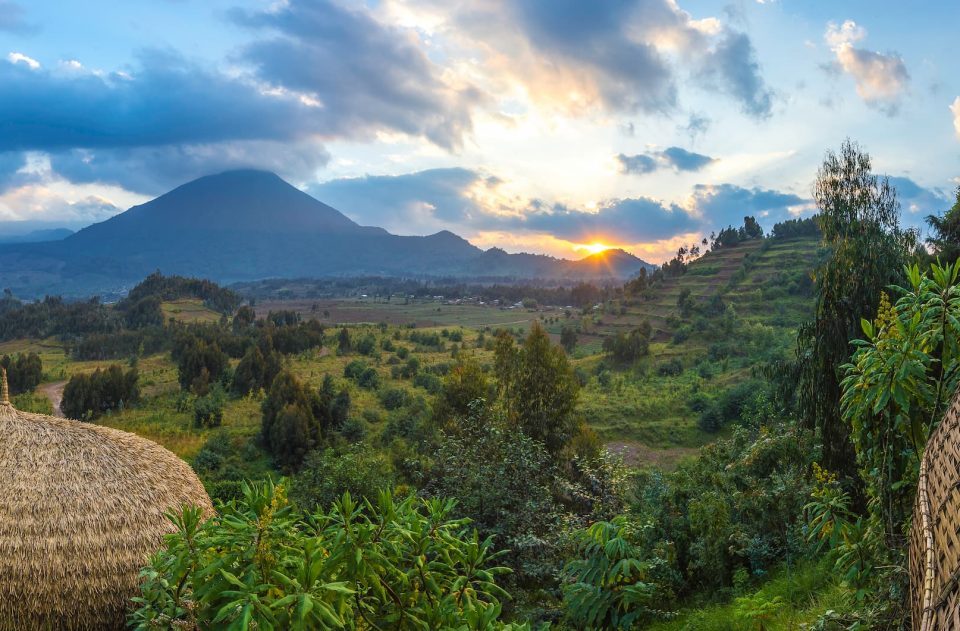
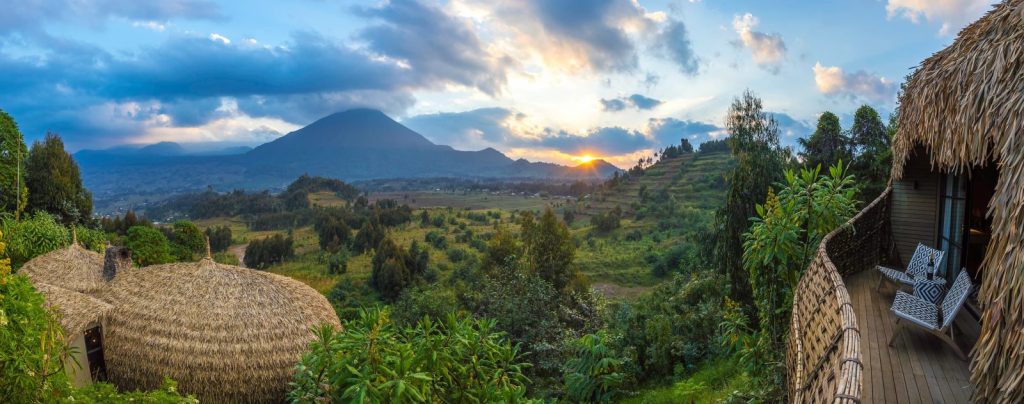
5. Wilderness Bisate, Volcanoes National Park
Wilderness Bisate combines premium accommodation with indigenous forest restoration near Rwanda’s mountain gorilla habitats.
The property operates a reforestation programme that seeks to restore native vegetation on previously cultivated land. Guests can learn about the restoration process and participate in tree planting.
Bisate demonstrates how luxury tourism can contribute to habitat recovery when supported by long-term conservation commitments.
6. Singita Kwitonda Lodge, Volcanoes National Park
Singita Kwitonda Lodge offers exclusive accommodation near Volcanoes National Park.
Its conservation approach includes habitat restoration and environmentally considered construction. The property’s location also provides opportunities to learn about mountain gorilla conservation.
Travellers seeking premium accommodation with conservation-focused activities may find it particularly attractive.
Recommended Eco-Lodges in Kenya
7. Campi ya Kanzi, Chyulu Hills
Campi ya Kanzi combines safari accommodation with conservation partnerships involving Maasai communities.
Renewable energy, rainwater collection and responsible resource management form important parts of its environmental approach.
The camp provides an opportunity to experience Kenya’s wildlife beyond the busiest national park circuits while learning about community conservation.
8. Basecamp Masai Mara
Basecamp Masai Mara offers nature-oriented accommodation near one of Kenya’s most famous wildlife destinations.
Its community partnerships and environmental programmes demonstrate how safari accommodation can contribute to local employment and wildlife protection.
Visitors can enjoy guided wildlife experiences while learning about the relationship between Maasai communities and surrounding wildlife habitats.
Recommended Eco-Lodges in Tanzania
9. Chumbe Island Coral Park, Zanzibar
Chumbe Island Coral Park provides a different type of environmentally conscious accommodation experience.
Its seven eco-bungalows incorporate solar electricity, rainwater collection and composting toilets. These systems reduce pressure on the island’s limited natural resources.
Visitors can participate in guided forest walks and snorkelling activities while learning about coral reef conservation.
Chumbe is particularly suitable for travellers combining mainland wildlife safaris with a responsible coastal holiday.
East African Eco-Lodges by Destination
| Eco-lodge | Country | Main environmental or community initiative |
|---|---|---|
| Bakiga Lodge | Uganda | Community water projects |
| Agandi Uganda Eco-Lodge | Uganda | Local sourcing and responsible accommodation |
| Kyambura Gorge Lodge | Uganda | Wildlife habitat restoration |
| Buhoma Community Rest Camp | Uganda | Community ownership |
| Wilderness Bisate | Rwanda | Indigenous forest restoration |
| Singita Kwitonda Lodge | Rwanda | Habitat conservation |
| Campi ya Kanzi | Kenya | Renewable energy and community partnerships |
| Basecamp Masai Mara | Kenya | Community conservation |
| Chumbe Island Coral Park | Tanzania | Marine conservation and resource efficiency |
Are Eco-Lodges More Expensive Than Ordinary Safari Lodges?
Environmentally responsible accommodation is available at different price levels. Community camps may offer economical accommodation, while exclusive conservation lodges can charge premium rates.
| Accommodation category | Indicative nightly budget |
|---|---|
| Community camps | $20–$80 |
| Budget eco-lodges | $50–$120 |
| Mid-range eco-lodges | $120–$300 |
| Luxury eco-lodges | $350–$900 |
| Exclusive conservation retreats | $1,000–$3,000+ |
These figures are broad budgeting estimates rather than confirmed property quotations. Check whether prices are calculated per person or per room and whether meals and conservation fees are included.
An expensive lodge is not necessarily more environmentally responsible than an affordable community camp.
How to Identify Greenwashing in Safari Accommodation
Greenwashing occurs when a business exaggerates or misrepresents its environmental commitments.
A lodge may advertise itself as environmentally friendly simply because it uses wooden furniture, avoids plastic straws or occupies a forested location.
Before booking, ask for specific information about energy consumption, wastewater treatment, community partnerships and conservation contributions.
Independent environmental certification and published sustainability reports can provide additional evidence.
Be cautious about claims such as completely carbon-neutral accommodation when no supporting measurements or verification are provided.
How Guests Can Reduce Their Environmental Impact
Your daily decisions also influence the environmental footprint of your safari.
Use refillable drinking water bottles where safe refill stations are available. Avoid unnecessary laundry, switch off lights when leaving your room and take reasonably short showers.
Respect wildlife viewing distances and avoid disturbing animals around accommodation facilities.
Purchase locally produced crafts and consider hiring community guides and porters.
Avoid collecting plants, stones or other natural materials from protected areas. Leave the surrounding environment in the condition you found it.
Frequently Asked Questions
What is the difference between an eco-lodge and a normal safari lodge?
An eco-lodge places particular emphasis on environmental management, conservation and community benefits. Conventional lodges may also adopt these practices.
Are eco-lodges suitable for luxury travellers?
Yes. Several luxury properties in Uganda, Rwanda, Kenya and Tanzania combine premium accommodation with conservation programmes and responsible resource management.
Do eco-lodges have electricity and hot showers?
Many provide both through solar systems and other energy sources. Facilities and operating arrangements vary between properties.
Can staying at an eco-lodge help protect mountain gorillas?
Yes, when accommodation revenue genuinely supports habitat conservation, community development or wildlife protection programmes.
Are eco-lodges suitable for families?
Many welcome families. Confirm child policies, accommodation facilities and available activities before booking.
Eco-lodges in East Africa provide an opportunity to enjoy wildlife holidays while supporting environmental protection and neighbouring communities.
Community camps in Uganda, forest restoration lodges in Rwanda, wildlife conservation camps in Kenya and marine conservation accommodation in Tanzania demonstrate different approaches to responsible tourism.
Choose accommodation based on verifiable environmental practices, community benefits and responsible wildlife management rather than attractive marketing claims alone.
By selecting responsible accommodation and managing your own resource consumption, you can enjoy a rewarding East African safari while reducing unnecessary pressure on the natural environment.