Salonga National Park: Exploring Africa’s Largest Tropical Rainforest Reserve
Deep in the heart of the Democratic Republic of Congo, far from the usual safari circuits of East Africa and accessible only by river, charter aircraft, or a combination of both, lies one of the most extraordinary natural landscapes on the planet. Salonga National Park is Africa’s largest tropical rainforest national park and the second largest tropical rainforest reserve in the world, covering approximately 36,000 square kilometers of pristine equatorial forest in the central Congo Basin. For adventurous travelers who are drawn to the idea of true wilderness, places where human footprints are scarce and the natural world proceeds entirely on its own terms, Salonga represents the ultimate frontier.
Established as a national park in 1970 and designated a UNESCO World Heritage Site in 1984, Salonga is bisected into two sectors by the Luilaka River, and its remoteness has been both its greatest conservation asset and its primary challenge. The difficulty of access has protected the park from the kind of mass tourism development that has transformed other African wilderness areas, but it has also made effective anti-poaching enforcement extremely challenging, and Salonga has faced significant pressure from illegal hunters and loggers over the decades. Despite these challenges, the park retains vast areas of intact primary rainforest that support extraordinary biodiversity.
The Congo Basin Ecosystem
Salonga National Park is the jewel of the Congo Basin ecosystem, the second largest tropical rainforest on Earth after the Amazon. This vast equatorial forest plays a role in global climate regulation that is recognized as critical, storing enormous quantities of carbon in its ancient trees and organic soils, generating rainfall through evapotranspiration that influences weather patterns across a vast portion of Africa, and maintaining the hydrological systems that feed the Congo River and its tributaries. Understanding Salonga is therefore not simply about wildlife and beauty, though it has both in abundance, but about appreciating one of Earth’s most fundamental ecological systems.
Unique Species of the Congo Forest
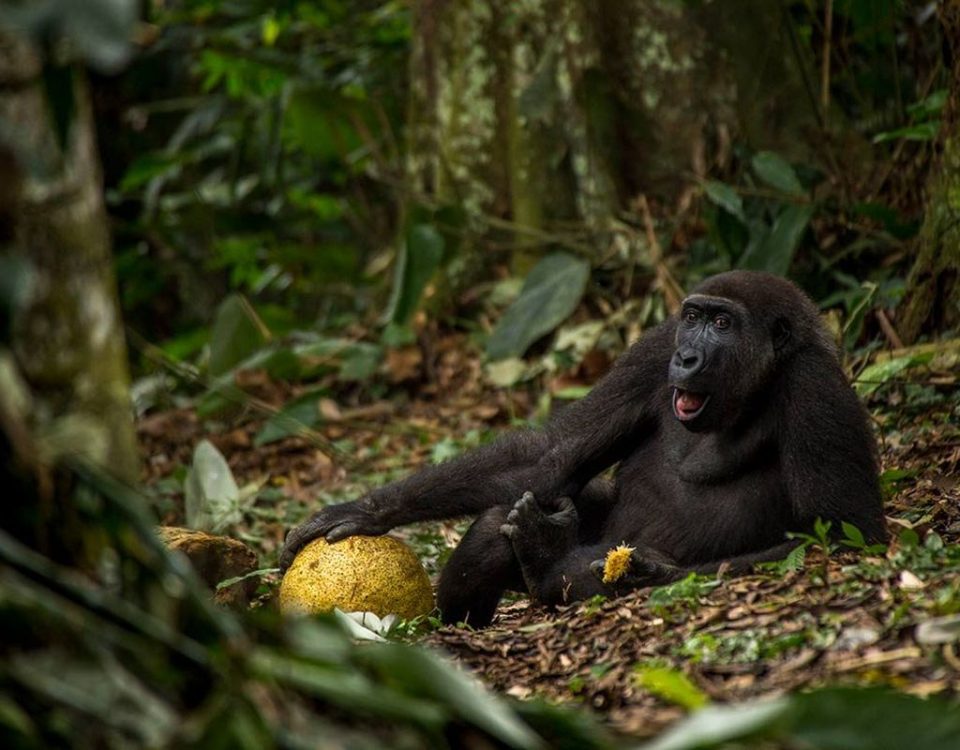
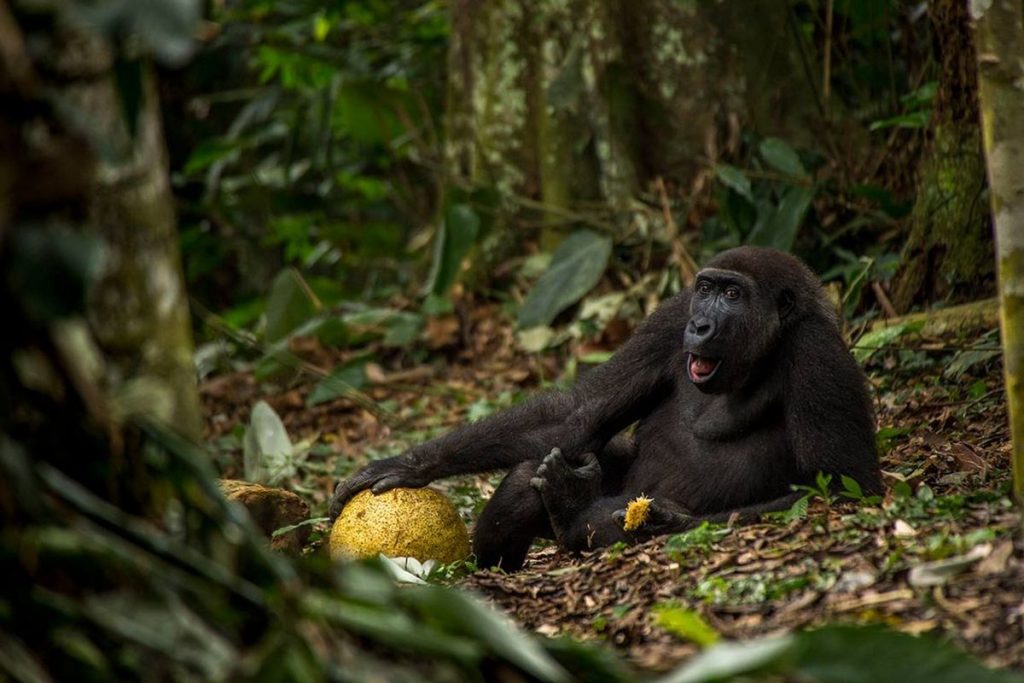
The Congo Basin supports a remarkable array of wildlife found nowhere else on Earth, and Salonga is home to some of the most iconic and endangered of these endemic species. The bonobo, or pygmy chimpanzee, is found only in the Congo Basin south of the Congo River, and Salonga is one of its most important refuges. Bonobos are our closest relatives alongside the common chimpanzee, sharing approximately 98.7 percent of our DNA, and their complex social structure, which is organized around female alliances rather than male dominance as in common chimpanzees, makes them of extraordinary scientific and philosophical interest. The Congo peafowl, the only African member of the peacock family, is also found in Salonga’s forests, as is the forest elephant, the okapi, the dwarf crocodile, and the Congo clawless otter.
Getting to Salonga National Park
Visiting Salonga requires a level of logistical commitment that goes well beyond what is needed for East Africa’s mainstream safari destinations. The park is located in Equateur and Mai-Ndombe provinces of the DRC, and access requires flying into Kinshasa, then taking a domestic flight or combination of flights and river travel to reach the park. Charter aircraft can reach airstrips near the park’s boundaries, while river travel along the Congo and its tributaries, though slower, provides an extraordinary journey through the heart of the Congo Basin. Travel in the DRC requires thorough advance planning, current security assessments, and ideally the support of an operator with specific Congo expertise.
Park Infrastructure and Visitor Experience
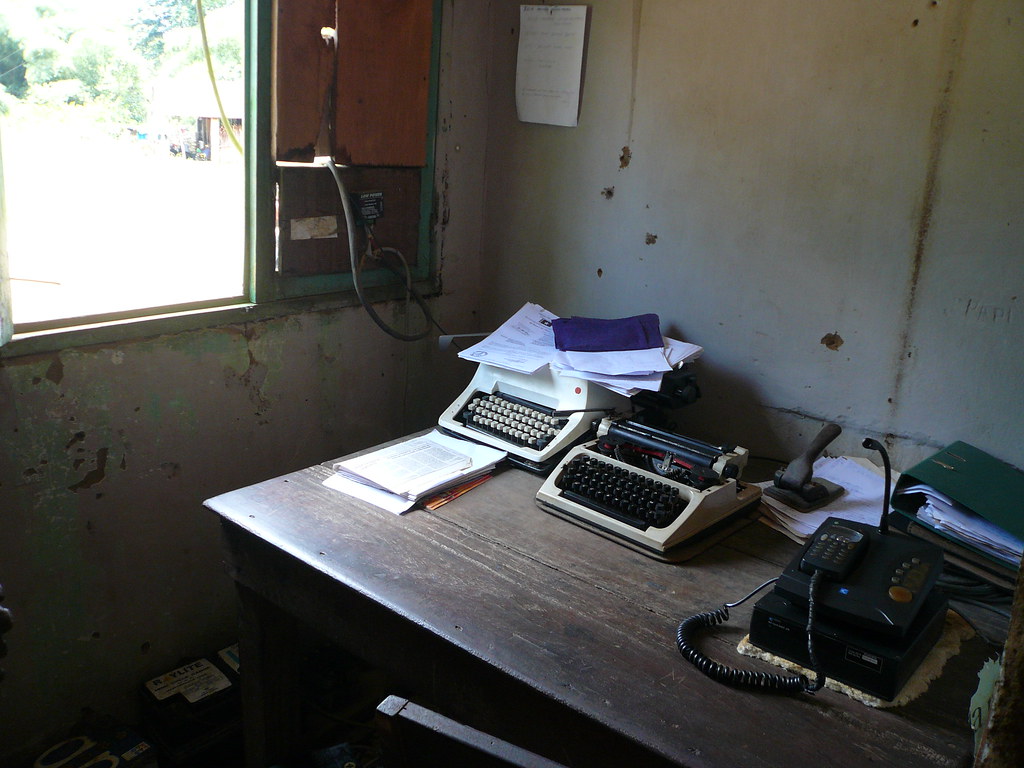
Visitor infrastructure within Salonga is minimal, reflecting the park’s extremely low visitor numbers and the ongoing challenges of operating in a remote and sometimes difficult political environment. There are ranger posts and basic facilities at certain entry points, and conservation organizations working within the park have established research camps in some areas. Visitors to Salonga are almost exclusively scientists, researchers, serious conservation travelers, and the occasional documentary filmmaker. The visitor experience is therefore genuinely exploratory and unmediated by the kind of tourist infrastructure that shapes experiences in East Africa’s more developed parks.
Conservation Challenges and Efforts
Salonga faces significant conservation challenges, including illegal poaching for bushmeat and ivory, illegal fishing, and encroachment by agricultural communities along the park’s vast boundaries. International conservation organizations, including WWF and the Wildlife Conservation Society, work with the Institut Congolais pour la Conservation de la Nature to strengthen park management, support ranger training, and develop community-based conservation programs that give local communities an economic stake in the park’s protection. These efforts have had measurable successes in reducing poaching pressure in certain areas, but the scale of the challenge and the difficulty of the operating environment mean that Salonga’s conservation work remains ongoing and demanding.
Combining Salonga with East Africa
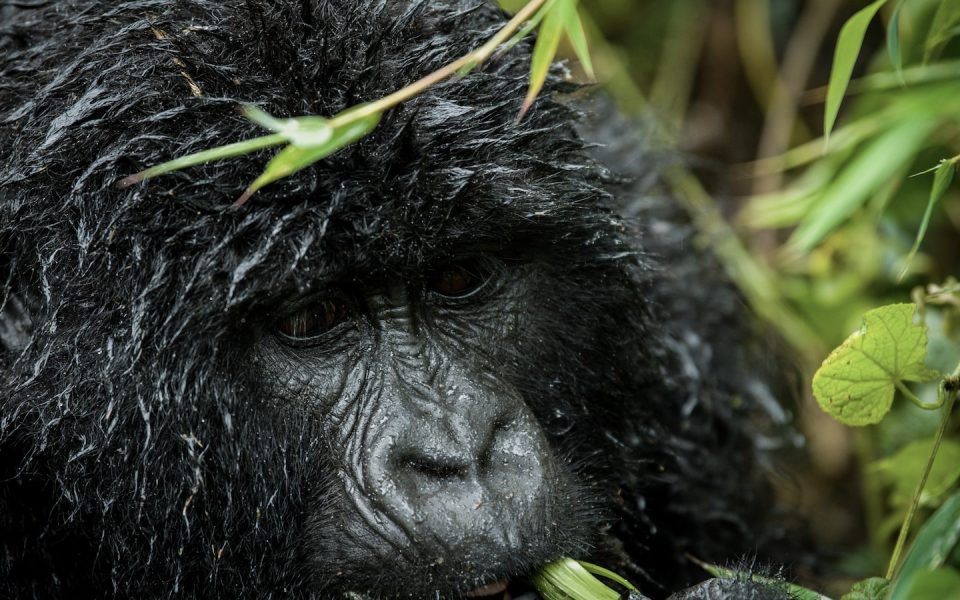
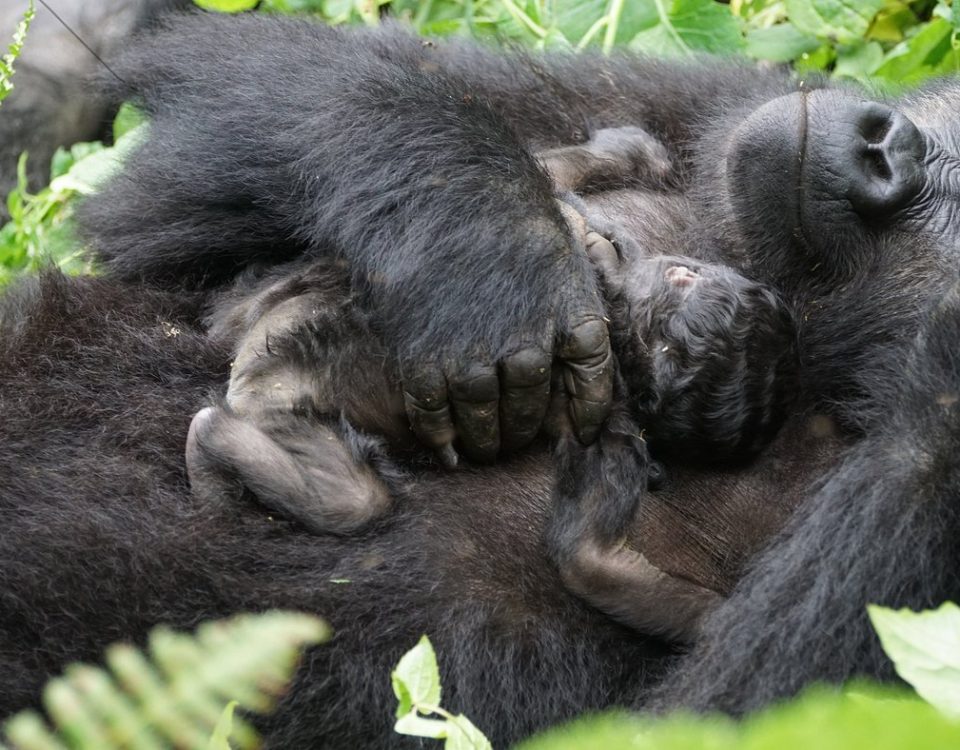
For the most adventurous travelers, combining a visit to Salonga with East Africa’s gorilla trekking and safari experiences creates an extraordinary journey through the most significant wildlife areas of the African continent. Flying from Kinshasa to Kigali or Kampala to begin a gorilla trekking experience in either Rwanda or Uganda provides a natural connection between the Congo Basin wilderness and the more accessible but equally extraordinary wildlife of the Albertine Rift. This kind of multi-country itinerary appeals to serious wildlife travelers who want to go beyond the standard safari circuit and engage with Africa’s natural heritage at its deepest level.
For those planning an East Africa safari that might include an extension to the DRC, our team can provide guidance on the possibilities and practicalities. Explore our where to trek gorillas guide for information on gorilla destinations across the region, see our Uganda safari and Rwanda safari options, or contact us to discuss your Congo and East Africa plans with our specialists.