
Gorilla Permit Allocation: How UWA Assigns You a Family Each Morning
One of the more genuinely misunderstood aspects of gorilla trekking involves exactly how Uganda Wildlife Authority decides which of Bwindi Impenetrable Forest’s many habituated gorilla families a particular trekking group actually gets assigned to on any given morning, a process that happens well before trekkers ever set foot on the actual forest trail itself. This guide explains exactly how this allocation process genuinely works, what factors influence it, and how travellers can set realistic expectations for their eventual gorilla family assignment on the actual morning of their trek.
The Morning Briefing as the Starting Point for Allocation
Every trekking day genuinely begins with a mandatory briefing at the relevant sector headquarters, where park rangers explain trekking rules and safety guidelines before actually assigning each trekking group to a specific gorilla family, meaning the allocation itself happens live each morning rather than being predetermined at the earlier point of permit purchase.
Why Permits Don’t Guarantee a Specific Gorilla Family
Travellers should genuinely understand that purchasing a gorilla trekking permit secures a spot within a trekking group for that particular day, not a guaranteed specific family, since Uganda Wildlife Authority reserves the actual family assignment decision for the morning of the trek itself based on several practical factors.
How Group Fitness Levels Factor Into Family Assignment
Rangers genuinely consider each individual trekking group’s apparent fitness level and stated hiking experience when assigning gorilla families, since some families range considerably further into the forest’s more challenging terrain than others, meaning groups indicating lower fitness levels are often matched with more accessible family locations.
Current Location Data From Trackers Sent Out Before Dawn
Uganda Wildlife Authority genuinely deploys trackers into the forest before dawn each trekking day specifically to locate each habituated gorilla family’s overnight nesting site, and this real-time location information directly informs which trekking groups get assigned to which families based on realistic hiking distances that morning.
Balancing Group Sizes Across Different Gorilla Families
Rangers also genuinely work to distribute the day’s total trekkers relatively evenly across the available habituated families, since each family permits a maximum of eight visitors per day, meaning allocation decisions partly reflect simple capacity management alongside fitness and location considerations.
Special Requests and Their Realistic Limitations
While travellers occasionally request specific gorilla families in advance, often having researched a particular group’s dynamics or a notable silverback, Uganda Wildlife Authority genuinely cannot guarantee these requests, since final assignment always depends on the morning’s actual location data and group fitness matching.
How Sector Choice Affects Which Families Are Even Possible
Travellers should recognize that their choice of Bwindi sector, Buhoma, Ruhija, Rushaga, or Nkuringo, genuinely determines which pool of habituated families they could potentially be assigned to that day, since each sector maintains its own distinct set of gorilla families operating within its designated area of the forest.
What Happens When Multiple Groups Want the Same Family
Given the eight-visitor daily limit per family, rangers genuinely manage situations where trekker preferences exceed a single family’s capacity by prioritizing based on fitness matching and practical logistics rather than simple first-come allocation among the groups present that morning.
The Habituation Experience as an Alternative to Standard Allocation
Travellers specifically wanting more certainty about which family they’ll encounter can consider the gorilla habituation experience, which typically involves a specific family still undergoing the habituation process, offering a more predictable alternative to the standard morning allocation system used for fully habituated families.
How Weather Conditions Can Influence Assignment Decisions
Heavy rain or challenging terrain conditions on a given morning genuinely factor into ranger decision-making, sometimes leading to adjusted family assignments that account for safer, more manageable trekking routes than might otherwise apply under normal dry-season conditions.
Communicating Fitness Concerns Honestly During the Briefing
Travellers with genuine mobility concerns or lower fitness levels should communicate this honestly during the morning briefing rather than downplaying limitations, since accurate self-reporting genuinely helps rangers make appropriate assignments that avoid an unnecessarily difficult trek for less physically prepared visitors on that particular day.
Porters and Their Role Independent of Family Assignment
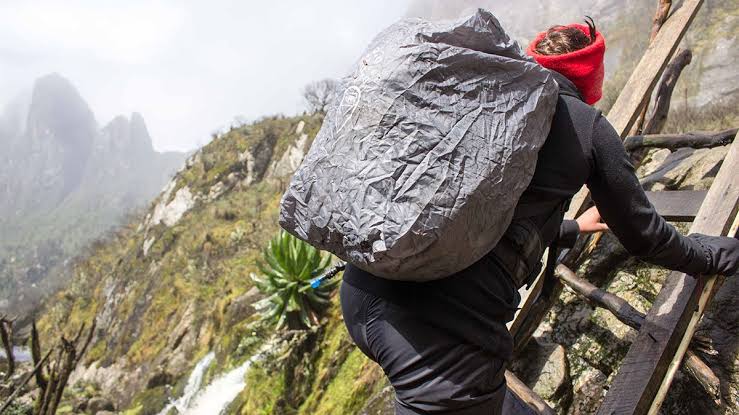
Regardless of which gorilla family a group gets assigned to, travellers can genuinely hire local porters at the briefing point to assist with equipment and provide physical support along the trail, an option worth considering particularly for treks assigned to more distant or challenging family locations.
How Long the Actual Hike Varies Based on Assignment
Since family assignment directly determines hiking distance, trek duration can genuinely range from a relatively short walk to a considerably longer multi-hour hike depending on which family a group ends up visiting, making the allocation process meaningfully consequential for how physically demanding the day actually becomes.
What Trekkers Can Realistically Expect Regardless of Assignment
Regardless of which specific family a trekking group receives, Uganda Wildlife Authority’s habituation standards genuinely ensure every assigned family delivers a comparable core experience, close, respectful observation of wild mountain gorillas in their natural forest habitat for the standard permitted viewing hour.
How Ranger Experience Shapes the Allocation Decision
Experienced head rangers overseeing the morning briefing genuinely bring years of accumulated knowledge about specific families’ typical movement patterns and terrain preferences, insight that meaningfully informs allocation decisions beyond simply the morning’s raw tracker location data reported from the field.
Why Some Families Are Considered More Accessible Than Others
Certain habituated gorilla families genuinely maintain more predictable ranging patterns within relatively accessible terrain closer to trailheads, while others regularly move into steeper, more remote sections of the forest, a distinction that meaningfully shapes which trekking groups rangers assign to which families each morning.
The Role of Silverback Behavior in Assignment Considerations
Some families include silverbacks known for particular temperaments or behavioral tendencies, and experienced rangers genuinely factor this institutional knowledge into assignment decisions, sometimes matching more experienced or physically capable trekking groups with families whose dominant males require somewhat more cautious observation protocols.
How Multiple Trekking Groups Are Coordinated Each Morning
On busier trekking days, Uganda Wildlife Authority genuinely coordinates multiple trekking groups simultaneously, and this larger-scale logistics exercise means allocation decisions must account for staggering departure times and routes to avoid overcrowding any single family’s forest location at once.
What Trackers Communicate Back to Ranger Headquarters
The trackers dispatched before dawn genuinely relay specific details beyond simple location, including the family’s apparent mood, recent movement speed, and terrain conditions along the likely approach route, all of which factor into the more nuanced allocation decisions rangers make during the morning briefing.
Common Questions About Gorilla Family Allocation
Travellers often ask whether tipping rangers can influence which family they’re assigned, and Uganda Wildlife Authority’s official policy genuinely discourages this practice, with allocation decisions meant to reflect fitness matching and location logistics rather than any informal influence from individual trekkers. Another common question concerns whether repeat visitors can request the same family they encountered previously, and while rangers may consider such requests, the same location-based and fitness-based allocation logic still ultimately applies each morning.
How This System Compares to Rwanda’s Allocation Process
Rwanda Development Board follows a broadly similar morning allocation approach at Volcanoes National Park, assigning trekking groups to specific gorilla families based on comparable fitness and location factors, meaning travellers familiar with one country’s system will find the other’s approach genuinely similar in practice.
How Age and Physical Ability Are Discussed at the Briefing
Rangers genuinely ask about age and physical condition during the morning briefing not to exclude anyone but specifically to make informed allocation decisions, and older travellers or those with joint concerns should feel comfortable sharing this information honestly rather than worrying it will disqualify them from trekking altogether.
Why Allocation Decisions Sometimes Change Mid-Briefing
Occasionally, updated tracker information arrives during the briefing itself, prompting rangers to genuinely adjust an initially planned allocation before groups depart, a normal part of the process that reflects the system’s responsiveness to real-time forest conditions rather than any error in the original planning.
Setting Realistic Expectations Before Your Trek
Given how much genuine uncertainty surrounds specific family assignment until the morning of the actual trek, travellers should approach this aspect of gorilla trekking with appropriate flexibility, focusing instead on the guaranteed core experience of encountering wild mountain gorillas rather than fixating on a specific family. Done well, understanding this allocation process in advance helps travellers arrive at their morning briefing with realistic expectations, ready to embrace whichever gorilla family assignment the day’s conditions and logistics ultimately determine, rather than feeling disappointed by a system genuinely designed around safety and practicality rather than arbitrary preference.
Why Flexibility Ultimately Serves Trekkers Best
Travellers who arrive at their briefing genuinely prepared to accept whatever family assignment the rangers determine tend to report a considerably more relaxed, enjoyable overall experience than those fixated on a specific outcome, since the core reward, encountering wild mountain gorillas up close, remains consistent regardless of which particular family a group ultimately visits.
Recommended Tours: 2 Days Rwanda Gorilla Trekking Safari | 4 Days Chimpanzee Habituation Experience Kibale