Gorilla Permit Scams: How to Spot Fake Booking Websites
Gorilla permit scams are an important concern for travellers planning gorilla trekking in Uganda and Rwanda. Because gorilla permits cost hundreds or thousands of dollars, dishonest individuals may create misleading booking websites, impersonate legitimate safari companies or request payments for permits they cannot provide.
For travellers planning gorilla trekking in 2027, knowing how to identify a genuine booking provider is essential before making payments.
Uganda’s standard foreign non-resident gorilla permit costs US$800, while Rwanda’s standard international visitor permit costs US$1,500. These prices make permit fraud potentially expensive, particularly for couples, families and groups booking several places.
A fraudulent website may look professional, display attractive gorilla photographs and claim to have official connections with wildlife authorities. Some websites use names resembling government agencies, while others advertise unusually cheap permits or guarantee availability during fully booked periods.
However, a website that sells gorilla safaris is not automatically fraudulent simply because it is privately operated. Many legitimate licensed tour operators arrange official permits as part of their safari services.
The important distinction is whether the business is genuine, authorised to arrange the permit and able to provide verifiable booking confirmation.
What Are Gorilla Permit Scams?
Gorilla permit scams involve attempts to obtain money or personal information by misleading travellers about gorilla trekking reservations.
These scams can involve fake websites, impersonation, false permit documents and dishonest payment requests.
The person running the scam may pretend to represent a wildlife authority or licensed safari operator.
In other cases, a fraudulent seller may copy photographs, company descriptions and contact details from an established tourism business.
The traveller believes they are purchasing a genuine gorilla trekking permit, but no valid booking is made.
Common Types of Gorilla Permit Fraud
| Type of scam | How it works | Main warning sign |
|---|---|---|
| Fake booking website | Copies the appearance of an official booking platform | Unverified website identity |
| Fake safari operator | Claims to be a registered tourism company | Business registration cannot be confirmed |
| Unrealistic discounts | Advertises permits far below official prices | No explanation of eligibility |
| False availability | Promises permits on fully booked dates | Refuses independent verification |
| Payment impersonation | Requests money through altered payment instructions | Account details suddenly change |
| Fake permit confirmation | Sends an invented booking document | Reference cannot be verified |
Not every suspicious offer proves that a crime has occurred. However, these warning signs are good reasons to stop payment until the information has been checked.
1. Check Whether the Booking Website Is Official
One of the simplest ways to avoid gorilla permit scams is to understand who manages the permits.
In Uganda, the Uganda Wildlife Authority is responsible for gorilla trekking permits in Bwindi Impenetrable National Park and Mgahinga Gorilla National Park.
In Rwanda, the Rwanda Development Board manages gorilla trekking permits for Volcanoes National Park.
These authorities publish permit information and operate authorised reservation arrangements.
Official Website vs Private Safari Website
A private safari website may legitimately advertise gorilla trekking packages and assist travellers with permits.
However, it should not falsely claim to be the official government booking authority.
Look carefully at the website’s identity, contact information and business description.
A legitimate tour operator should clearly explain whether it arranges permits on behalf of travellers or operates an official booking service.
Be cautious when a privately operated website uses government-style logos, official-looking names or statements suggesting exclusive authority without supporting evidence.
A professional website design does not prove that the business is genuine.
2. Verify the Safari Operator’s Licence
In Uganda, the Uganda Tourism Board maintains records of licensed tourism businesses.
Uganda Wildlife Authority’s published purchasing guidelines require foreign non-resident travellers to obtain gorilla trekking permits through tour operators licensed by the Uganda Tourism Board.
Before paying an operator, request its registered business name and tourism licence number.
Compare these details with the official Uganda Tourism Board licensing records.
What Should You Check?
A genuine tourism operator should be able to provide information about its business.
Check the registered company name, licence status, operating address and contact details.
If the business uses a trading name different from its registered company name, ask for an explanation.
Also confirm that the company receiving payment matches the business arranging your safari.
A licence number displayed on a website is not enough by itself. Someone could copy another operator’s number.
Verify the licence independently.
For Rwanda, confirm the operator’s legitimacy through appropriate tourism licensing and registration records.
3. Be Careful With Unusually Cheap Gorilla Permits
One common warning sign is a permit advertised at a price that differs considerably from the official tariff.
For 2027, Uganda’s published standard foreign non-resident permit costs US$800.
Eligible foreign non-residents can pay US$600 during April, May and November under the published low-season arrangement.
Rwanda’s standard international visitor permit costs US$1,500.
Special promotional rates may apply to eligible visitors, but these have specific conditions.
Examples of Suspicious Offers
Suppose a website advertises a standard Uganda gorilla permit for US$250 without explaining the visitor category or discount.
That offer deserves careful investigation.
Similarly, a seller advertising a Rwanda permit for US$400 to every international traveller should explain how the price is possible.
Some legitimate safari businesses advertise package discounts by reducing their own margins or combining services.
However, an operator cannot simply invent a new official permit tariff.
Always ask for a breakdown showing the permit cost separately from accommodation and transport.
4. Watch for Fake Gorilla Permit Availability
Gorilla trekking permits are limited because visitor numbers are restricted.
During popular travel periods, some dates may become fully booked.
Fraudulent sellers may exploit this situation by claiming they have exclusive access to unavailable permits.
For example, a traveller may discover that their preferred August date has no remaining places.
A suspicious website then promises guaranteed permits for that date if payment is made immediately.
How to Verify Availability
Ask whether the permit has already been secured or whether the operator is only checking availability.
Request written confirmation of the date, park and trekking sector where applicable.
For Bwindi, confirm whether your permit is for Buhoma, Ruhija, Rushaga or Nkuringo.
Availability should be checked through authorised booking arrangements.
Never assume that a seller’s promise guarantees a valid permit.
5. Check Payment Details Before Sending Money
Payment fraud can occur even when a traveller originally contacted a genuine safari company.
Criminals may impersonate an operator through email, messaging applications or compromised communication channels.
They may send replacement bank details and claim that the company has changed its payment account.
This can result in money being sent to an unrelated person.
Safer Gorilla Permit Payment Practices
Before transferring money, confirm the payment instructions through a previously verified contact method.
Check the recipient’s name and ask why it differs if it does not match the operator’s registered business identity.
Request an official invoice showing the services, amounts and payment conditions.
Be cautious about requests to send large permit payments to an unknown personal mobile money account, cryptocurrency wallet or unrelated individual.
Personal payment channels are not automatically fraudulent, but unexpected arrangements deserve additional verification.
Do not rely solely on the telephone number included in a suspicious payment message.
6. Recognise Fake Gorilla Permit Confirmation Documents
After payment, travellers should receive clear confirmation that their permits have been secured.
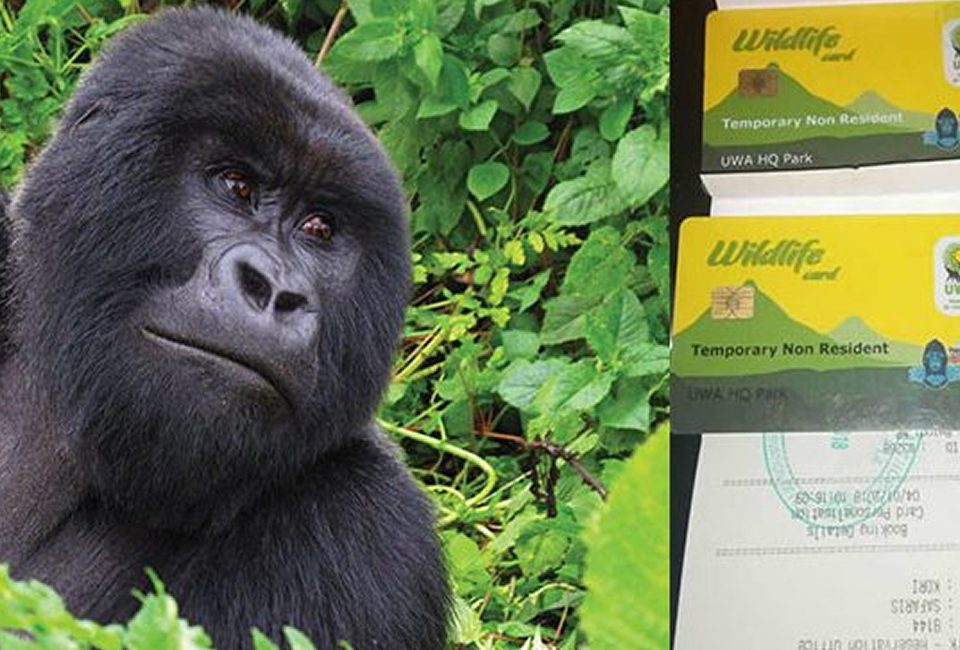
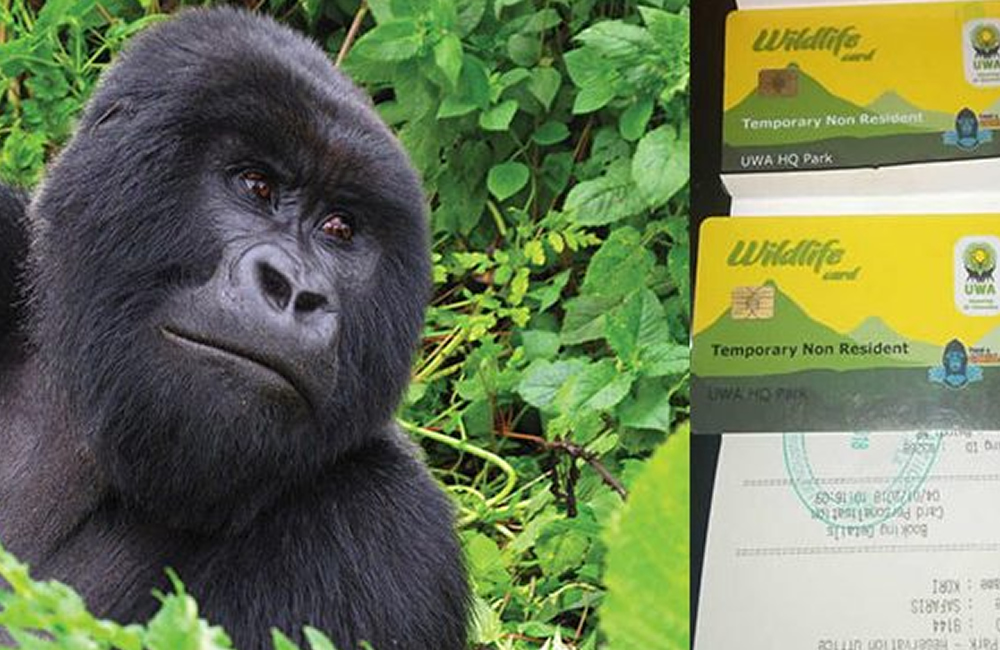
A fraudulent seller may provide an impressive-looking document containing invented booking references, logos or official stamps.
These details can be copied or fabricated.
What Should a Valid Booking Confirmation Identify?
The confirmation should allow the booking to be matched to the intended traveller and activity.
| Information | What to verify |
|---|---|
| Traveller name | Matches the identification document |
| Trekking date | Correct day, month and year |
| Country | Uganda or Rwanda |
| National park | Correct gorilla trekking destination |
| Bwindi sector | Correct sector where applicable |
| Permit category | Correct visitor classification |
| Booking reference | Can be checked through authorised arrangements |
| Payment status | Payment has been accepted and booking secured |
The appearance of a document does not establish authenticity.
If something looks unusual, contact the issuing authority or ask your operator for independent verification.
Never publish complete passport numbers or booking references online while seeking help.
7. Be Suspicious of Pressure to Pay Immediately
Fraudulent sellers may create unnecessary urgency.
They might claim that a discounted permit will disappear within minutes or that your reservation will be cancelled unless you transfer money immediately.
Gorilla permits genuinely have limited availability, and legitimate operators sometimes need prompt payment.
However, this does not justify refusing reasonable verification.
A genuine operator should explain the booking deadline and payment requirements clearly.
Be particularly cautious when the seller discourages questions, refuses written terms or becomes aggressive when asked for business registration details.
A limited permit supply should encourage early planning, not careless payment.
8. Check Reviews and Business History Carefully
Online reviews can help you assess a safari operator, but they should not be your only source of verification.
Some fraudulent businesses publish invented testimonials or copy reviews from established companies.
Look for independent feedback describing actual safari experiences.
Useful reviews may mention the driver-guide, accommodation, itinerary and quality of communication.
However, even genuine positive reviews do not replace checking the company’s current licence and payment details.
A business may change ownership, contact information or operational arrangements.
Verify the organisation you are actually paying rather than relying entirely on its past reputation.
9. Be Careful With Social Media Gorilla Permit Sellers
Social media platforms allow safari companies to communicate with potential customers.
Many legitimate operators use Facebook, Instagram and WhatsApp to answer enquiries and arrange trips.
However, these platforms can also be used for impersonation.
A fraudulent account may copy a real company’s photographs, logo and descriptions.
It may then offer discounted permits through private messages.
How to Protect Yourself
Check whether the social media account matches the company’s independently verified business information.
Do not assume that a large follower count proves legitimacy.
Before paying, confirm the company’s registered identity, licence and payment instructions.
If someone contacts you unexpectedly claiming to represent a safari company, verify the claim through the company’s established communication channels.
10. How to Book a Genuine Gorilla Permit Safely
A careful booking process can reduce the risk of losing money.
Step 1: Choose Uganda or Rwanda
Decide which destination suits your budget and itinerary.
Uganda generally offers lower standard permit prices, while Rwanda provides shorter road access from Kigali.
Step 2: Identify an Authorised Booking Channel
For Uganda, use a tour operator licensed by the Uganda Tourism Board if you are a foreign non-resident.
For Rwanda, use the official tourism reservation arrangements or a properly verified operator.
Step 3: Confirm Availability
Provide your preferred dates, number of travellers and visitor categories.
Ask whether permits are available before committing to other non-refundable arrangements.
Step 4: Verify the Price
Compare the quoted permit amount with the applicable official tariff.
Request an explanation for any promotional discount.
Step 5: Check the Invoice
Confirm the registered business name, payment recipient, services and cancellation conditions.
Step 6: Make Payment Securely
Use verified payment instructions and retain transaction records.
Step 7: Confirm Your Permit
Request written booking confirmation and verify the important details.
Step 8: Arrange Your Safari
Once the permit is secured, complete your accommodation and transport arrangements.
For Bwindi, choose accommodation close to your confirmed trekking sector.
What Should You Do if You Suspect a Gorilla Permit Scam?
If you believe a seller is attempting to defraud you, stop communicating payment information and do not send additional money.
Keep copies of the advertisement, website details, invoices, messages and payment instructions.
If you have already paid, contact your bank or payment provider immediately and ask whether the transaction can be recalled or disputed.
Report the suspected fraud to the relevant police or cybercrime authorities.
You may also notify Uganda Wildlife Authority, Uganda Tourism Board or Rwanda Development Board, depending on the destination.
If your passport information has been shared, ask the relevant authorities about any additional protective steps.
Do not send more money to someone claiming they can recover your original payment in exchange for another fee.
Frequently Asked Questions
1. Are all private gorilla booking websites fake?
No. Many legitimate safari operators use private websites to sell organised gorilla trekking packages.
The important issue is verifying the operator’s identity, licence and booking arrangements.
2. Can you buy gorilla permits directly from Uganda Wildlife Authority?
Eligible resident and citizen categories have direct booking options. Under published rules, foreign non-residents must arrange permits through licensed tour operators.
3. What is the official Uganda gorilla permit price?
The published standard foreign non-resident rate for 2027 is US$800, with a qualifying low-season price of US$600 during April, May and November.
4. How much does a Rwanda gorilla permit cost?
The standard international visitor permit costs US$1,500. Promotional rates may apply under specific conditions.
5. Can a genuine operator guarantee gorilla sightings?
No. Mountain gorillas are wild animals, and sightings cannot be guaranteed. Experienced trackers make encounters highly likely, but no company controls animal behaviour.
6. Is paying through WhatsApp safe?
WhatsApp can be useful for communication, but payment instructions should be verified independently. Do not send money merely because an account displays a familiar company logo.
7. What if I receive a suspicious permit document?
Ask the issuing authority or authorised operator to verify the booking. Avoid sharing sensitive personal information publicly.
8. Can scammers copy legitimate safari company websites?
Yes. Fraudsters can copy photographs, branding and website descriptions. Verify the actual business and payment recipient before making a transaction.
Gorilla permit scams can be avoided more easily when travellers verify booking providers before making payments.
The most important precautions are checking the operator’s licence, confirming official permit prices, verifying payment details and obtaining a genuine booking confirmation.
Uganda Wildlife Authority manages gorilla permits in Bwindi and Mgahinga, while Rwanda Development Board oversees permits in Volcanoes National Park.
Private safari companies can legitimately arrange these activities, but their business identity and authorisation should be checked.
Be cautious about unusually cheap permits, guaranteed availability on sold-out dates and requests for payment to unverified accounts.
For your 2027 gorilla safari, choose a verified operator, confirm the permit before booking other services and keep written records of every payment.
These simple precautions can protect your travel budget and help you prepare for a memorable mountain gorilla trekking experience.