Uganda, often referred to as the “Pearl of Africa,” is a country rich in culture, tradition, and breathtaking landscapes. Whether you’re a visitor, expatriate, or local, knowing how to dress in Uganda is essential for comfort, confidence, and cultural respect. The way you dress speaks volumes about your personality and your appreciation for the local customs. This article will guide you through the best fashion choices for different occasions while keeping you inspired to embrace both style and tradition.
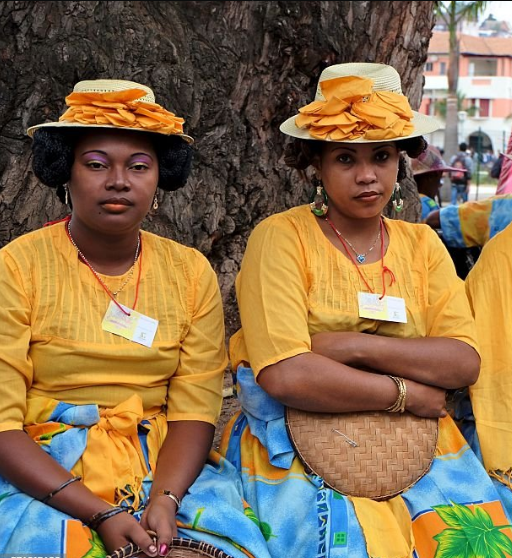
Understanding Uganda’s Climate and Cultural Influence on Fashion
Before deciding how to dress in Uganda, it’s important to consider the country’s tropical climate. Uganda experiences warm temperatures year-round, with occasional rain showers. Lightweight, breathable fabrics like cotton, linen, and silk are ideal. However, Uganda is also a culturally diverse nation with deep-rooted traditions, so modesty is often appreciated, especially in rural areas and religious settings.
Key Factors to Consider When Choosing What to Dress In:
-
Weather Adaptability – Opt for loose-fitting clothes to stay cool.
-
Cultural Sensitivity – Some regions prefer modest clothing that covers shoulders and knees.
-
Occasion-Based Dressing – Urban areas like Kampala are more liberal, while villages lean toward traditional attire.
-
Comfort & Practicality – Choose footwear and fabrics suitable for walking and outdoor activities.
Traditional Ugandan Attire: A Celebration of Heritage
One of the most beautiful aspects of Ugandan culture is its traditional clothing. When exploring how to dress in Uganda, incorporating traditional pieces can be a great way to connect with locals and show respect for their heritage.
Popular Traditional Outfits:
-
Gomesi (for women): A brightly colored floor-length dress with square necklines and puffed sleeves, often worn during ceremonies.
-
Kanzu (for men): A white or cream tunic paired with trousers, commonly worn at weddings and formal events.
-
Kitenge & Kikoyi: Vibrant African fabrics used to make skirts, dresses, shirts, and accessories.
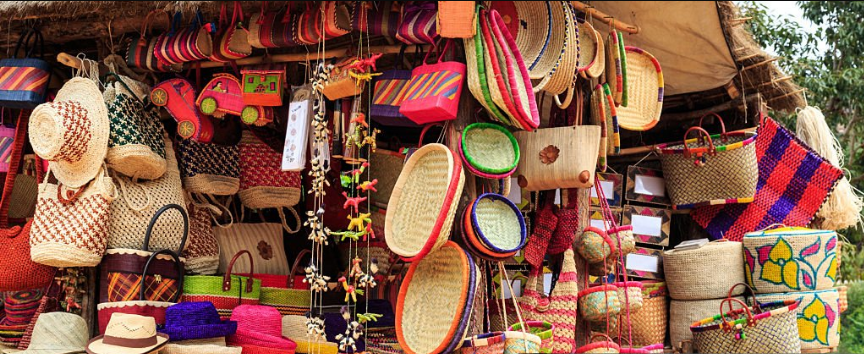
Wearing traditional attire is not just about fashion—it’s a statement of pride and identity. Whether attending a cultural event or simply exploring local markets, adding a touch of Ugandan tradition to your dress can make your experience more meaningful.
Modern Fashion in Uganda: Blending Trends with Tradition
Urban centers like Kampala and Entebbe have a thriving fashion scene where contemporary styles meet African prints. If you’re wondering how to dress in Uganda while staying trendy, here are some stylish yet practical options:
For Women:
-
Maxi Dresses & Skirts – Flowy, breathable, and modest.
-
Blouses with Kitenge Prints – A fashionable way to embrace local culture.
-
Smart Casual Wear – Jeans, tunics, and flats work well in the city.
For Men:
-
Button-Up Shirts with Chinos – A smart look for business or casual outings.
-
African Print Shirts – Stylish and culturally expressive.
-
Lightweight Blazers – Perfect for formal occasions without overheating.
Accessories like hats, sunglasses, and locally made jewelry can elevate your dress while protecting you from the sun.
Dressing for Different Occasions in Uganda
Your choice of outfit should align with the occasion. Here’s a breakdown of how to dress in Uganda for various settings:
1. Everyday Casual Wear
-
Women: Flowy skirts, t-shirts, and sandals.
-
Men: Polo shirts, shorts (knee-length), and comfortable shoes.
2. Business Attire
-
Women: Knee-length dresses, blazers, or tailored pantsuits.
-
Men: Long-sleeved shirts, dress pants, and leather shoes.
3. Religious Gatherings & Ceremonies
-
Women: Modest dresses or Gomesi, covered shoulders.
-
Men: Kanzu or a formal suit.
4. Adventure & Safari
-
Neutral-colored clothing (khaki, beige, olive green).
-
Comfortable hiking boots and wide-brimmed hats.
Footwear Matters: Choosing the Right Shoes
Since Uganda involves a lot of walking—whether in cities or national parks—selecting the right footwear is crucial. Sandals, sneakers, and breathable shoes are ideal for daily wear, while sturdy boots are best for safaris and hiking.
Final Tips on How to Dress in Uganda with Confidence
-
Respect Local Norms – When in doubt, choose modesty.
-
Layer Up for Evenings – Temperatures can drop slightly at night.
-
Experiment with Colors – Ugandans love vibrant prints, so don’t shy away from bold patterns.
-
Carry a Light Jacket or Scarf – Useful for sudden rain or cooler weather.
Dressing as a Form of Expression and Respect
Knowing how to dress in Uganda goes beyond fashion—it’s about blending comfort, style, and cultural appreciation. Whether you’re wearing a Gomesi at a traditional wedding or a chic Kitenge dress in the city, your clothing choices can inspire connections and showcase your respect for Ugandan heritage.
So, as you prepare your wardrobe, remember: the way you dress is not just about what you wear but how you carry yourself with confidence and grace. Uganda’s vibrant culture welcomes those who embrace its beauty, so step out in style and let your fashion tell a story of admiration and inspiration.
“Clothing is not just fabric—it’s a statement, a tradition, and a bridge between cultures.”
Would you like personalized recommendations based on your travel plans? Feel free to explore Ugandan fashion markets and let your dress reflect the heart of Africa!
Uganda Travel Guide — The Pearl of Africa
Uganda is one of Africa’s most rewarding and underrated destinations. Winston Churchill’s description of Uganda as the “Pearl of Africa” — inspired by its extraordinary combination of landscapes, wildlife, and people — remains as apt today as when he coined it in 1908. The country packs an astonishing range of experiences into a relatively compact area: snow-capped mountains, vast savannahs, dense tropical rainforests, the source of the Nile, and some of the world’s most remarkable wildlife.
Uganda shares borders with Kenya, Tanzania, Rwanda, the Democratic Republic of Congo, and South Sudan, and sits astride the equator in East-Central Africa. The capital, Kampala, is a vibrant, growing city that serves as the gateway to Uganda’s national parks. Most wildlife safaris begin and end in Kampala or at Entebbe International Airport, 45 minutes south of the city.
Uganda’s Key National Parks and Wildlife Areas
- Bwindi Impenetrable Forest: UNESCO World Heritage Site and home to over half the world’s mountain gorillas. Four trekking sectors: Buhoma, Ruhija, Rushaga, and Nkuringo.
- Queen Elizabeth National Park: Uganda’s most visited park, famous for tree-climbing lions in the Ishasha sector, boat cruises on the Kazinga Channel, and diverse savannah and forest habitats.
- Murchison Falls National Park: Uganda’s largest park, home to the world’s most powerful waterfall. Excellent for elephants, giraffes, buffalo, hippos, crocodiles, and shoebill storks on the Nile.
- Kibale Forest National Park: The world’s best chimpanzee trekking destination, also home to 12 other primate species and superb birdwatching.
- Kidepo Valley National Park: Uganda’s most remote and arguably most spectacular park, bordering South Sudan. Wild, untouched, and home to species found nowhere else in Uganda including cheetahs and caracals.
- Mgahinga Gorilla National Park: In the Virunga Mountains, offering gorilla trekking, golden monkey trekking, and volcano hiking in a compact, accessible park.
Practical Uganda Travel Information
Visa and entry requirements
Uganda offers an e-visa for most nationalities, applied online at visas.immigration.go.ug. East African Community citizens are exempt. The East Africa Tourist Visa (covering Uganda, Kenya, and Rwanda) is available at the point of entry. A yellow fever vaccination certificate is mandatory for entry.
Currency and costs
The Ugandan Shilling (UGX) is the local currency. USD is widely accepted in tourist areas. Mid-range safari lodges cost USD 150–350 per person per night. Budget accommodation in Kampala starts from USD 20–40. Gorilla permits (USD 800) are the single largest expense for most visitors.
Getting around Uganda
Most visitors use private safari vehicles (included in tour packages) or hire a driver-guide. Public minibus taxis (matatus) connect major towns but are not suitable for wildlife areas. Charter flights from Entebbe to Kihihi, Kisoro, Kasese, or Pakuba significantly reduce overland travel times on longer itineraries.
Recommended Tours: 9 Days Uganda Wildlife Safari | 7 Days Uganda Safari