In today’s digital age, internet reliability is a cornerstone of economic growth, education, communication, and innovation. For Uganda, a country striving to position itself as a competitive player in the global digital economy, the reliability of its internet infrastructure is a critical factor. But just how reliable is Uganda’s internet? This article explores the strengths, challenges, and future prospects of Uganda’s internet connectivity while offering inspiration on how the nation can overcome its limitations to achieve digital excellence.

The Current State of Uganda’s Internet
Uganda’s internet landscape has seen significant improvements over the past decade. With the expansion of fiber-optic networks, increased mobile broadband penetration, and the arrival of undersea cables like the East African Marine System (TEAMS) and the Eastern Africa Submarine Cable System (EASSy), Uganda’s internet speeds and accessibility have notably improved.
According to recent reports, Uganda’s average internet speed ranges between 10-15 Mbps for fixed broadband and 5-10 Mbps for mobile data. While these speeds are sufficient for basic browsing and social media use, they fall short of the global average, particularly for bandwidth-intensive activities like video conferencing, large file transfers, and streaming in high definition.
Strengths of Uganda’s Internet
-
Growing Mobile Internet Penetration
With over 18 million internet users (approximately 40% of the population), mobile internet remains the most accessible form of connectivity in Uganda. Telecom companies like MTN, Airtel, and Africell have expanded 3G and 4G coverage, making the internet more accessible even in rural areas. -
Fiber-Optic Expansion
The National Backbone Infrastructure (NBI) project, spearheaded by the government, has laid thousands of kilometers of fiber-optic cables across the country. This has significantly improved internet reliability for businesses, government institutions, and urban centers. -
Increasing Competition Among ISPs
The presence of multiple Internet Service Providers (ISPs) such as Roke Telecom, Liquid Intelligent Technologies, and CSquared has fostered competition, leading to better service quality and more affordable pricing over time.
Challenges Affecting Uganda’s Internet Reliability
Despite these advancements, Uganda’s internet still faces several hurdles that hinder its reliability:
1. Inconsistent Connectivity in Rural Areas
While urban centers like Kampala, Entebbe, and Jinja enjoy relatively stable internet, rural areas suffer from poor or no connectivity. This digital divide limits opportunities for farmers, small businesses, and students in remote regions.
2. High Costs of Data
Compared to regional neighbors like Kenya and Rwanda, Uganda’s data prices remain high. The high cost discourages widespread adoption, particularly among low-income earners.
3. Frequent Outages and Slow Speeds
Users often complain about sudden internet drops and throttling, especially during peak hours. These disruptions affect businesses that rely on cloud services, online transactions, and remote work.
4. Limited Last-Mile Connectivity
While major cities are well-connected, the “last mile” — the final leg of delivering internet to end-users — remains weak in many areas due to infrastructure gaps and vandalism of fiber cables.
5. Regulatory and Policy Bottlenecks
Taxation policies, such as the controversial Over-The-Top (OTT) tax on social media, have discouraged internet usage. Additionally, bureaucratic delays in licensing new ISPs slow down innovation and infrastructure expansion.
The Impact of Unreliable Internet on Uganda’s Progress
The reliability of Uganda’s internet directly impacts key sectors:
1. Business and Economy
Unstable internet disrupts e-commerce, digital payments, and online services, forcing businesses to incur losses. Startups and freelancers who depend on remote work face challenges in meeting deadlines due to connectivity issues.
2. Education
During the COVID-19 pandemic, many Ugandan students struggled with online learning due to poor internet access. Even today, rural schools lag behind in digital education because of unreliable connectivity.
3. Healthcare
Telemedicine, which could revolutionize healthcare in remote areas, remains underutilized due to inconsistent internet. This limits access to specialist consultations and emergency medical support.
4. Government Services
While initiatives like e-governance aim to streamline public services, slow internet speeds and downtimes hinder efficiency, leading to delays in processing documents and online applications.
Steps Toward a More Reliable Internet in Uganda
Despite these challenges, Uganda has the potential to transform its internet reliability. Here are key steps that can drive improvement:
1. Increased Investment in Infrastructure
The government and private sector must collaborate to expand fiber-optic networks and upgrade existing ones. Public-private partnerships (PPPs) can accelerate last-mile connectivity in underserved regions.
2. Embracing 5G Technology
With 5G trials already underway, Uganda could leapfrog into faster, more stable internet. Telecom companies should prioritize rolling out 5G to boost speeds and reduce latency.
3. Lowering Data Costs
Reducing taxes on internet services and encouraging competition among ISPs will make data more affordable, increasing accessibility for all citizens.
4. Strengthening Policy Frameworks
The government should implement policies that encourage innovation, protect infrastructure from vandalism, and streamline licensing processes for new ISPs.
5. Promoting Digital Literacy
Educating communities on the benefits of the internet will drive demand, encouraging providers to improve services in rural and peri-urban areas.
The Future of Uganda’s Internet: A Beacon of Hope
While challenges persist, the future of Uganda’s internet is promising. The country’s youthful population, tech-savvy entrepreneurs, and growing startup ecosystem are driving demand for better connectivity. Initiatives like the Uganda Communications Commission’s (UCC) rural broadband project and the advent of satellite internet (through companies like Starlink) offer hope for universal, high-speed internet access.
Turning Challenges into Opportunities
Reliable internet is not just a luxury—it’s a necessity for Uganda’s socio-economic transformation. By addressing infrastructure gaps, reducing costs, and fostering a supportive regulatory environment, Uganda can build a digital future where every citizen, business, and institution thrives online.
The journey to a fully connected Uganda may be long, but with determination, innovation, and collective effort, the nation can overcome its internet reliability challenges and emerge as a digital leader in Africa.
The question isn’t just “How reliable is Uganda’s internet?” but rather “How can we make Uganda’s internet the most reliable in Africa?” The answer lies in action, investment, and unwavering commitment to progress.
Let’s work together to ensure that Uganda’s internet becomes a symbol of connectivity, opportunity, and limitless potential.
Uganda Travel Guide — The Pearl of Africa
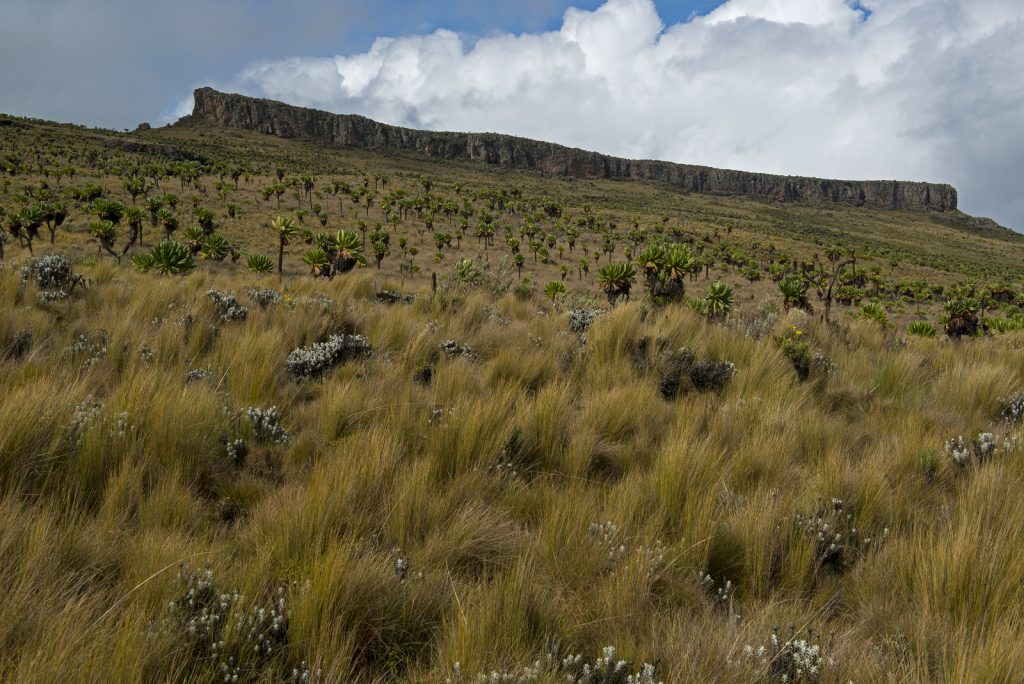
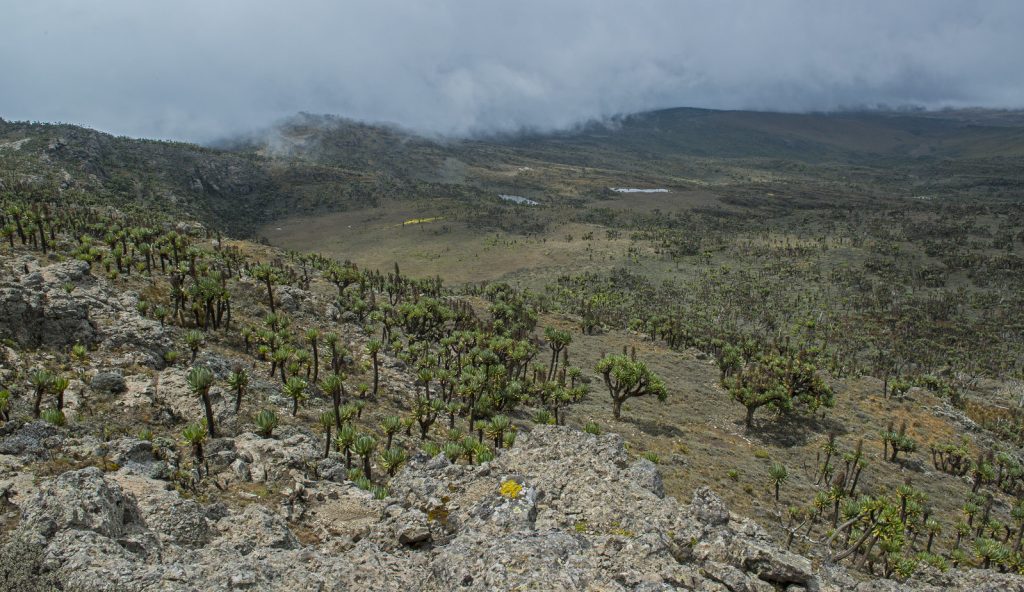
Uganda is one of Africa’s most rewarding and underrated destinations. Winston Churchill’s description of Uganda as the “Pearl of Africa” — inspired by its extraordinary combination of landscapes, wildlife, and people — remains as apt today as when he coined it in 1908. The country packs an astonishing range of experiences into a relatively compact area: snow-capped mountains, vast savannahs, dense tropical rainforests, the source of the Nile, and some of the world’s most remarkable wildlife.
Uganda shares borders with Kenya, Tanzania, Rwanda, the Democratic Republic of Congo, and South Sudan, and sits astride the equator in East-Central Africa. The capital, Kampala, is a vibrant, growing city that serves as the gateway to Uganda’s national parks. Most wildlife safaris begin and end in Kampala or at Entebbe International Airport, 45 minutes south of the city.
Uganda’s Key National Parks and Wildlife Areas
- Bwindi Impenetrable Forest: UNESCO World Heritage Site and home to over half the world’s mountain gorillas. Four trekking sectors: Buhoma, Ruhija, Rushaga, and Nkuringo.
- Queen Elizabeth National Park: Uganda’s most visited park, famous for tree-climbing lions in the Ishasha sector, boat cruises on the Kazinga Channel, and diverse savannah and forest habitats.
- Murchison Falls National Park: Uganda’s largest park, home to the world’s most powerful waterfall. Excellent for elephants, giraffes, buffalo, hippos, crocodiles, and shoebill storks on the Nile.
- Kibale Forest National Park: The world’s best chimpanzee trekking destination, also home to 12 other primate species and superb birdwatching.
- Kidepo Valley National Park: Uganda’s most remote and arguably most spectacular park, bordering South Sudan. Wild, untouched, and home to species found nowhere else in Uganda including cheetahs and caracals.
- Mgahinga Gorilla National Park: In the Virunga Mountains, offering gorilla trekking, golden monkey trekking, and volcano hiking in a compact, accessible park.
Practical Uganda Travel Information
Visa and entry requirements
Uganda offers an e-visa for most nationalities, applied online at visas.immigration.go.ug. East African Community citizens are exempt. The East Africa Tourist Visa (covering Uganda, Kenya, and Rwanda) is available at the point of entry. A yellow fever vaccination certificate is mandatory for entry.
Currency and costs
The Ugandan Shilling (UGX) is the local currency. USD is widely accepted in tourist areas. Mid-range safari lodges cost USD 150–350 per person per night. Budget accommodation in Kampala starts from USD 20–40. Gorilla permits (USD 800) are the single largest expense for most visitors.
Getting around Uganda
Most visitors use private safari vehicles (included in tour packages) or hire a driver-guide. Public minibus taxis (matatus) connect major towns but are not suitable for wildlife areas. Charter flights from Entebbe to Kihihi, Kisoro, Kasese, or Pakuba significantly reduce overland travel times on longer itineraries.
Recommended Tours: 9 Days Uganda Wildlife Safari | 7 Days Uganda Safari