How to plan an African safari
The best country for a safari depends on several factors. These include when you plan to travel and the weather at that time, whether you’re going with kids, if you want to enjoy some beach time, your budget, and what types of safari activities you want to experience for lasting memories. There is rarely a single right answer, since the best fit depends on how these factors combine for each traveler rather than any one destination being objectively better than another. Two entirely different travelers with completely different priorities can both have a genuinely great trip in the same country, or in two very different countries, simply because each weighted these factors differently right from the start.
Should I visit East Africa or Southern Africa?
The main decision is whether to travel to East Africa or Southern Africa. Each trip we organize will change depending on what kind of experience you want, and many travelers find it easier to decide once they have a clearer sense of the landscapes, activities, and pace each region offers.
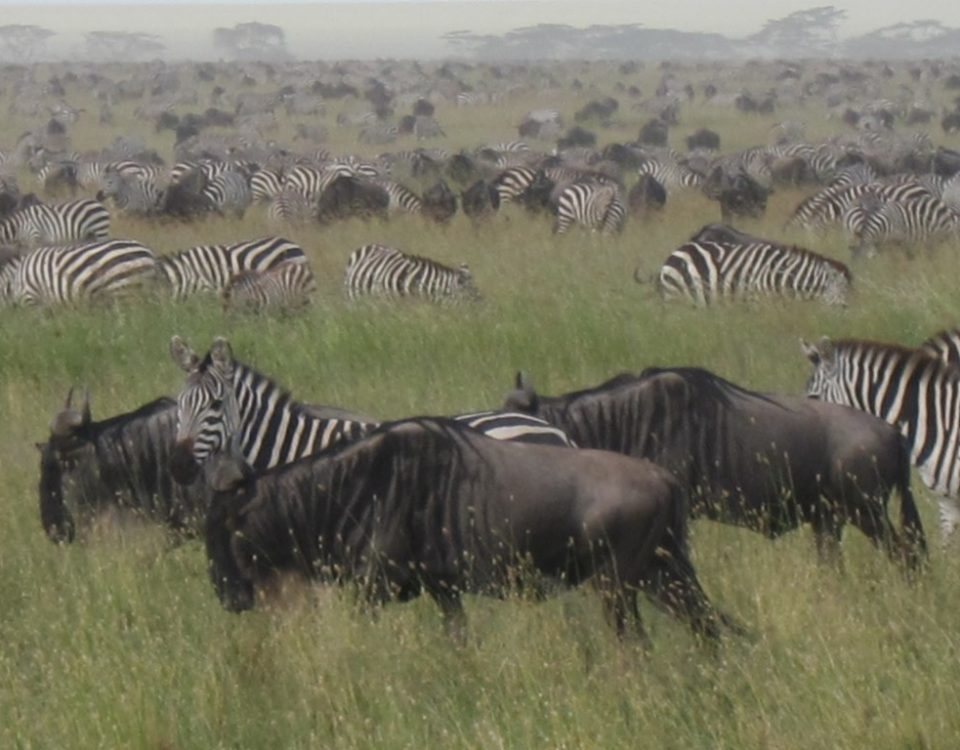
Kenya, Tanzania, Uganda, and Rwanda are the main countries in East Africa. They are well-known for places like the Serengeti, Ngorongoro Crater, Masai Mara, great migration, Volcanoes National Park, Bwindi Impenetrable National Park, and Zanzibar, among others. Between them, these four countries cover almost every classic safari experience, from the open plains of the Serengeti and Masai Mara to gorilla trekking in the mountain forests of Rwanda and Uganda, making East Africa a strong choice for travelers who want variety within a single region. It is also relatively straightforward to move between these four countries on one trip, since several are connected by short flights or manageable road transfers, so a multi-country East Africa itinerary is very often far less complicated to arrange in practice than it might first appear on paper.
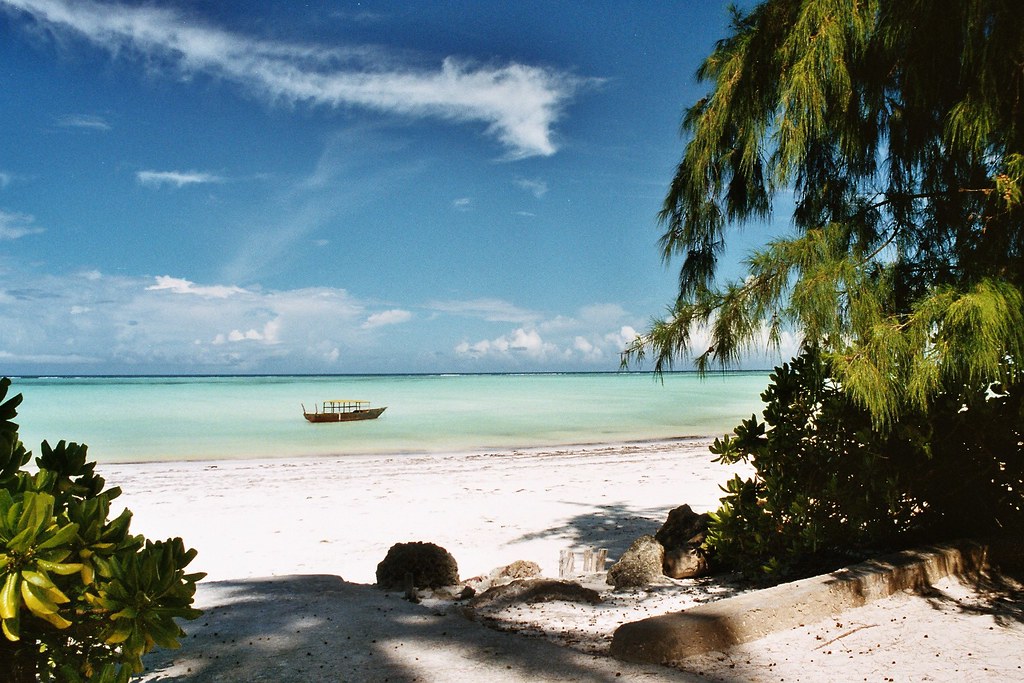
East Africa has many types of beaches, and the Indian Ocean is close to amazing adventure experiences, particularly around Zanzibar and along the Kenyan coast, where a relaxing beach extension can be tacked onto the end of a safari without adding much extra travel time overall. East Africa has a warm equatorial climate and dry weather during the summer, and temperatures stay relatively consistent throughout the year, compared with the far more pronounced seasonal shifts found further south in the continent.
South Africa is a famous place for safaris. The main countries in Southern Africa for safaris are Zambia, Botswana, Zimbabwe, Namibia, and South Africa. Notable attractions include the Okavango Delta, Chobe, Kruger, Luangwa, and Victoria Falls. Beach trips to places like Southern Mozambique, Mauritius, and the Seychelles are usually harder to get to, generally requiring an extra flight or two beyond the main safari leg of the trip. That extra leg is often well worth it for travelers who want to end a wildlife-focused trip somewhere noticeably calmer, though it does add both real cost and real travel time that should be factored into the overall plan from the start. Keep in mind that when it’s summer for us, it’s winter for them, which affects both game viewing conditions on safari and how warm the eventual beach extension will actually be. Also, Mauritius and the Seychelles are great places for families with children, thanks largely to their calmer waters and genuinely resort-style accommodation options.
What are the times and the cost?
How to plan an African tour
Think carefully about how much time you want to spend on adventure and, if you choose to, at the beach. It’s clear that longer trips usually mean you can’t spend as much on quality per day, so most travelers end up balancing trip length against daily comfort rather than trying to maximise both at once. However, most tourists typically choose shorter safaris (3-4 days) or longer ones (7-8 days); very few opt for safaris that last even longer. Remember that safaris can be tiring because of long drives and early mornings, so it is genuinely worth building in at least a day or two of real rest if the itinerary runs on the longer side of things. Splitting a longer trip across two or three different parks, rather than staying in exactly one place the whole time, also tends to keep the overall pace feeling varied rather than repetitive.
Usually, tours in Southern Africa range from $700 to $1,500 per person per night. In East Africa, they usually cost between $400 and $800, reflecting differences in park fees, lodge standards, and the type of vehicles and guiding used. These figures are only ever a rough guide, since actual costs shift with the season, how far in advance the trip is booked, and how much of the overall trip is spent in premium versus standard accommodation. Most guests typically go on a short safari (3-4 days) or a longer one (7-8 days). It’s uncommon to find safaris longer than 8 days because they can be exhausting with early mornings and long drives. It’s important to balance your safari time with some beach time, both to recover from the pace of game viewing and to round out the trip with a different kind of experience.
Where to stay during your vacation.
The main goal is to choose the park or parks that provide the best game watching and activities for the season you are visiting. After that, there are usually many types of places to stay, including mobile tents, small tent camps, bigger permanent lodges, and big hotels. Tented camps can be quite luxurious, often featuring private plunge pools and other nice amenities, and many guests are surprised by how comfortable a well-run tented camp can actually be. Big hotels, by contrast, tend to sit much closer to towns or gateway airports, and they suit travelers who simply want a familiar, more conventional stay either just before or just after the safari portion of the trip. However, mobile camps that follow the movement do not have permanent plumbing, since they are built to be taken down and relocated as the wildlife shifts with the seasons. Permanent lodges sit in between, combining fixed infrastructure like real bathrooms and reliable power with a setting chosen specifically for its year-round game viewing, which is a large part of why they remain the most common choice for anyone planning a first safari.
Things to do on a safari.
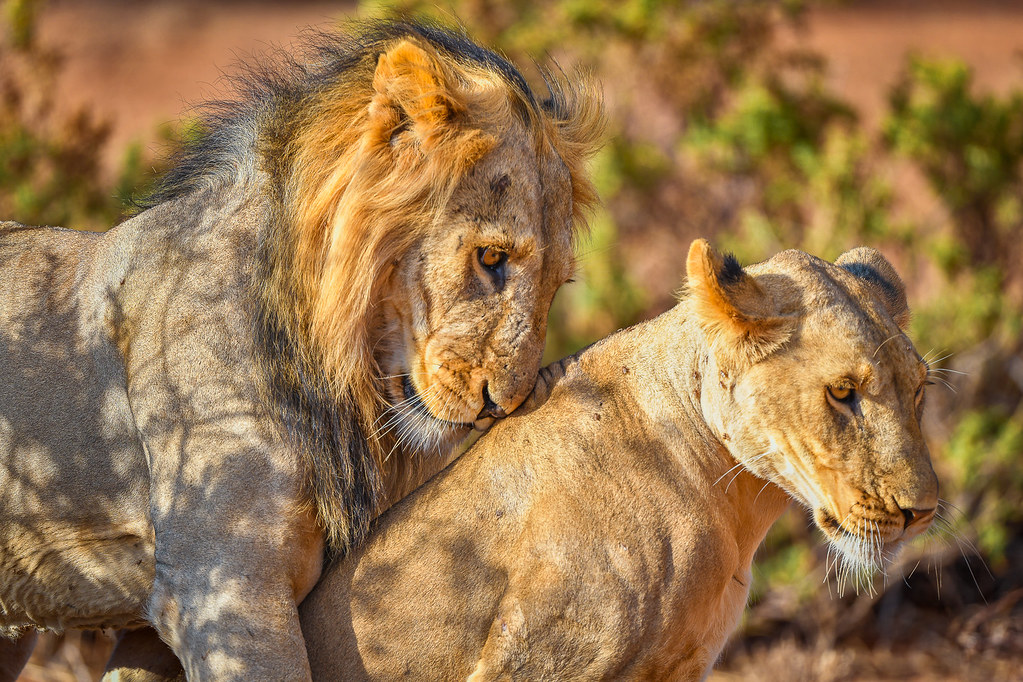
Each country and park has its own rules. Northern Tanzania and Kenya mainly focus on game drives, with walking and boating trips being rare exceptions, largely because most of the well-known parks in these countries do not permit off-vehicle activities. This is partly a straightforward safety measure given the density of genuinely dangerous game found in these parks, and partly a matter of official park regulation specifically designed to limit disturbance to the resident animals themselves. Zambia and Botswana have a wide range of things to enjoy, including walking, boating, and both night and day game drives, giving visitors a noticeably more varied set of activities to choose from across a single trip. A walking safari in particular offers a genuinely different perspective from a vehicle, since it slows the entire overall pace right down considerably and puts far more attention on tracks, smaller creatures, and plant life that a fast-moving game drive would otherwise simply pass by unnoticed. Namibia is mainly a place to visit for its beautiful scenery, with dramatic desert landscapes that reward travelers more interested in photography and dramatic terrain than dense wildlife concentrations. Wildlife is still genuinely present here, including desert-adapted elephant and rhino found almost nowhere else on the continent, but sightings tend to be noticeably less frequent than in the classic grassland parks further north and east.
To experience a great African tour, it’s a great idea to speak with one of our tour experts, even if that first chat is just for a few minutes. We believe that our knowledge helps us know the right questions to ask, which allows us to create genuinely different travel plans suited to what each traveler actually wants, rather than a generic one-size-fits-all itinerary. That initial conversation usually covers travel dates, a rough budget range, and any must-see destinations on the wish list, which is normally more than enough for us to put together a solid first draft itinerary to react to. We can then make the itinerary even better once we get a little more feedback from you about your real priorities, whether that’s wildlife, culture, relaxation, or some combination of all three.
booking with us is cheaper than contacting each lodge yourself, since we negotiate rates directly across many different properties rather than paying the standard walk-in price that comes with a single, one-off booking. Plus, we promise to match prices from other trusted tour operators to ensure you have a great trip experience, so there is genuinely very little reason to shop around extensively once a solid quote is already sitting in hand.