Human-Gorilla Disease Risks and Why Masks May Be Required
Human-gorilla disease risks are among the most important conservation concerns affecting mountain gorillas in Uganda, Rwanda and the Democratic Republic of Congo. Because humans and gorillas share a close biological relationship, several infectious diseases affecting people can also infect these endangered primates.
A common cold, respiratory infection or influenza-like illness that causes temporary discomfort in humans may have serious consequences for a mountain gorilla family.
Gorilla trekking brings visitors into the natural habitats of these animals, creating opportunities for disease transmission if appropriate precautions are ignored.
Wildlife authorities use protective measures such as face masks, minimum viewing distances, visitor limits and restrictions on trekking while sick to reduce these risks.
Understanding why masks may be required during gorilla trekking helps visitors prepare responsibly for their wildlife encounters. These precautions protect mountain gorillas, support conservation efforts and help preserve their populations for future generations.
Why Are Gorillas Vulnerable to Human Diseases?
Humans and gorillas share approximately 98% of their DNA, depending on the method of genetic comparison. This close biological relationship means that several pathogens capable of infecting humans can also infect gorillas.
Mountain gorillas may have limited previous exposure to certain human respiratory viruses. Consequently, infections that produce relatively mild symptoms in people can sometimes cause serious illness in gorillas.
Unlike humans, wild gorillas cannot easily access medical treatment when they become sick. Veterinary teams must locate affected individuals, observe their symptoms and determine whether intervention is necessary.
Mountain gorillas also live in close family groups, allowing infectious diseases to spread between individuals through regular social interactions.
Infants, older gorillas and individuals with existing health problems may be particularly vulnerable to infectious diseases.
Common Human-Gorilla Disease Risks
Several infectious diseases and pathogens are relevant to mountain gorilla conservation.
| Disease or pathogen | Potential risk to gorillas |
|---|---|
| Human metapneumovirus | Severe respiratory infections |
| Respiratory syncytial virus (RSV) | Respiratory illness and complications |
| Influenza viruses | Potential respiratory illness |
| Coronaviruses | Potential respiratory disease transmission |
| Tuberculosis | Potential bacterial infection |
| Gastrointestinal pathogens | Digestive illness and dehydration |
| Measles virus | Potential serious systemic infection |
Not every human disease has been documented in wild mountain gorillas. Some represent recognised potential risks, while others have been confirmed through scientific investigations.
Respiratory infections remain a particularly important concern because of the close proximity between gorillas and people during research, conservation and tourism activities.
How Humans Can Transmit Diseases to Gorillas
Breathing and Talking
People release respiratory particles when breathing and talking. Infected individuals may release particles containing viruses even before obvious symptoms appear.
Remaining too close to mountain gorillas increases opportunities for respiratory exposure.
Coughing and Sneezing
Coughing and sneezing can release infectious respiratory particles into the surrounding environment.
Visitors suffering from respiratory illnesses should avoid gorilla trekking entirely rather than relying on masks to prevent transmission.
Physical Contact
Touching mountain gorillas creates opportunities for disease transmission between humans and wildlife.
Even when a young gorilla approaches visitors out of curiosity, physical contact must be avoided.
Contaminated Food and Waste
Discarded food, used tissues and improperly managed human waste can introduce harmful microorganisms into natural habitats.
Visitors should carry all rubbish out of the forest and follow ranger instructions concerning sanitation and eating locations.
Contaminated Equipment and Hands
Certain pathogens can spread through contaminated hands, clothing and equipment.
Good personal hygiene reduces the possibility of introducing harmful microorganisms into protected forest environments.
Documented Disease Outbreaks Among Mountain Gorillas
The risk of human-to-gorilla disease transmission is supported by scientific research rather than speculation.
The 2009 Respiratory Disease Outbreak in Rwanda
In 2009, researchers documented a serious respiratory disease outbreak among mountain gorillas in Rwanda.
Human metapneumovirus, a virus associated with respiratory infections in people, was detected in two mountain gorillas that died during the outbreak.
The findings provided important evidence that human respiratory viruses could threaten wild mountain gorilla populations. However, researchers could not establish exactly who introduced the virus.
PubMed Central (PMC)+1
Respiratory Disease Research Between 1990 and 2010
A scientific study examining mountain gorilla health in Rwanda documented 18 respiratory disease outbreaks among human-habituated mountain gorillas between 1990 and 2010.
Further research identified human respiratory syncytial virus during mountain gorilla respiratory outbreaks.
These findings demonstrate the importance of continued disease monitoring and preventive health regulations.
PubMed+1
Why Face Masks May Be Required During Gorilla Trekking
Face masks provide an additional protective barrier between visitors and mountain gorillas.
When properly fitted and worn, suitable masks reduce the release of respiratory particles from the wearer’s nose and mouth.
The International Gorilla Conservation Programme recommends protective face coverings during gorilla encounters alongside appropriate viewing distances and other disease prevention measures.
igcp.org+1
Masks serve several conservation purposes:
-
Reducing respiratory particle emissions.
-
Providing protection when gorillas unexpectedly approach visitors.
-
Reducing exposure from people who have infectious illnesses without obvious symptoms.
-
Supporting disease prevention among habituated gorilla populations.
-
Complementing existing wildlife viewing regulations.
However, masks cannot eliminate every possibility of disease transmission. Maintaining distance and avoiding trekking while infectious remain essential.
Are Face Masks Compulsory for Gorilla Trekking?
Face mask requirements may vary according to national park regulations, conservation policies and prevailing health concerns.
| Gorilla trekking destination | Recommended preparation |
|---|---|
| Bwindi Impenetrable National Park | Carry suitable face masks and follow UWA instructions |
| Mgahinga Gorilla National Park | Prepare to wear a mask during gorilla encounters |
| Volcanoes National Park | Carry approved masks and follow ranger instructions |
| Virunga National Park | Follow applicable health regulations when visits are operational |
Travellers should prepare to wear face masks during their gorilla encounters rather than assuming they are optional.
Your safari operator and wildlife ranger can confirm the requirements applicable to your trekking date.
What Type of Face Mask Should You Bring?
A well-fitting protective mask provides better protection than a loose or damaged face covering.
| Mask type | Suitability |
|---|---|
| Medical surgical mask | Commonly recommended for gorilla encounters |
| N95 respirator | High filtration when correctly fitted |
| FFP2 respirator | High filtration when correctly fitted |
| KN95 respirator | Suitable when genuine and properly fitted |
| Cloth mask | Generally less reliable filtration |
| Mask with an unfiltered exhalation valve | Unsuitable for protecting gorillas from exhaled particles |
Carry two or three spare masks in a waterproof bag. Rainfall, perspiration and high humidity can make masks damp during forest excursions.
Use the mask type specified by park authorities.
How to Wear a Face Mask Correctly During Gorilla Trekking
Wash or sanitise your hands before handling your mask. Position it securely over your nose, mouth and chin, ensuring that it fits closely against your face.
Avoid repeatedly touching the front of the mask or lowering it to speak, take photographs or communicate with other visitors.
Replace the mask if it becomes wet, damaged or excessively dirty.
After your gorilla encounter, remove it using the ear loops or straps and place used disposable masks inside a suitable waste bag.
Never discard a used face mask inside the forest.
Why Maintaining Distance From Gorillas Is Important
Face masks work best when combined with appropriate wildlife viewing distances.
Conservation organisations recommend maintaining at least 10 metres between visitors and mountain gorillas where possible.
Mountain gorillas are wild animals and may occasionally move closer to visitors without warning.
If this happens, remain calm and follow your ranger’s instructions. Do not attempt to touch the animal, take a close-up selfie or deliberately encourage further interaction.
Scientific research conducted in Bwindi has documented difficulties maintaining prescribed viewing distances during gorilla tourism encounters, demonstrating the importance of responsible visitor behaviour.
PubMed Central (PMC)+1
Should You Trek With a Cold or Flu if Wearing a Mask?
No. A face mask does not make it acceptable to participate in gorilla trekking while suffering from a contagious illness.
Report symptoms such as coughing, sneezing, fever, sore throat, nasal congestion and unusual fatigue before entering the forest.
Inform your safari operator as soon as symptoms develop. Alternative trekking arrangements or permit refund considerations may be available depending on the circumstances and applicable booking conditions.
Taking medication to suppress symptoms does not necessarily mean you are no longer infectious.
Protecting an endangered gorilla family should take priority over completing a scheduled wildlife activity.
The Role of Gorilla Doctors in Disease Prevention
Gorilla Doctors provides specialist veterinary services for mountain gorillas and Grauer’s gorillas in Africa.
Veterinary teams monitor gorilla health, investigate disease outbreaks and provide treatment when serious illnesses or injuries threaten individual animals.
Their work includes observing changes in appetite, breathing, movement and general behaviour.
Veterinarians also collaborate with wildlife authorities to improve disease prevention protocols.
However, treating wild gorillas is considerably more complicated than treating domestic animals. Preventing infectious diseases from entering gorilla populations remains one of the most effective conservation approaches.
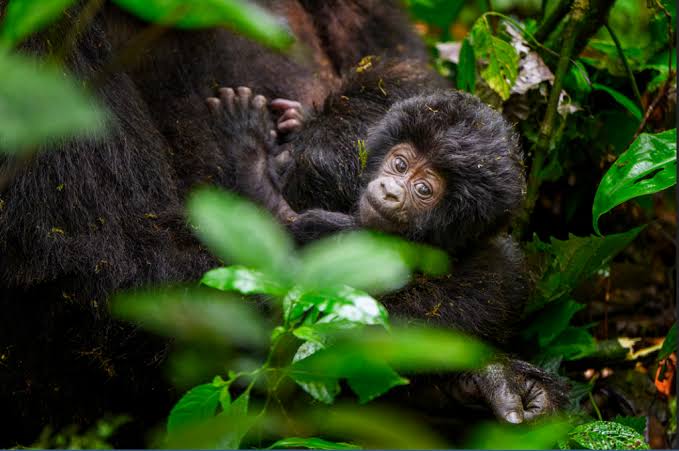
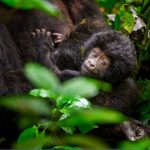
Why Mountain Gorilla Infants Need Special Protection
Baby mountain gorillas depend heavily on their mothers during the first years of life.
Respiratory diseases can interfere with normal feeding, breathing and development. Serious illness may also affect a mother’s ability to care for her infant.
Because mountain gorillas reproduce slowly, losing young individuals can have lasting consequences for population recovery.
Visitors should exercise particular care when observing mothers carrying newborn infants.
Avoid moving closer for photographs, making unnecessary noise or attempting to attract an infant’s attention.
Additional Disease Prevention Measures During Gorilla Trekking
| Conservation measure | Main purpose |
|---|---|
| Limited visitor numbers | Reduces human exposure |
| One-hour standard viewing period | Limits the duration of contact |
| Minimum viewing distance | Reduces close-range exposure |
| Face masks | Reduces respiratory particle emissions |
| Health screening | Identifies potentially infectious visitors |
| Hand hygiene | Reduces contamination |
| No feeding gorillas | Prevents harmful contact |
| Proper waste disposal | Protects forest environments |
| Veterinary monitoring | Supports early disease detection |
These measures work together to reduce the health risks associated with gorilla tourism.
Frequently Asked Questions
Can mountain gorillas catch a human cold?
Yes. Mountain gorillas are susceptible to certain human respiratory viruses, some of which can cause serious illness.
Why do tourists wear masks near mountain gorillas?
Masks reduce the release of potentially infectious respiratory particles, helping protect gorillas from human diseases.
Can a healthy person transmit diseases to gorillas?
Yes. Some infectious diseases can spread before symptoms develop or when infected individuals experience no noticeable symptoms.
Can gorillas catch COVID-19?
Gorillas are susceptible to SARS-CoV-2, the virus responsible for COVID-19. Infections have been documented in captive gorillas, making preventive measures important for wild populations.
Can I remove my mask to take photographs?
Keep your mask on whenever required by park officials, including when taking photographs during your gorilla encounter.
Can human diseases kill mountain gorillas?
Yes. Scientific investigations have linked human respiratory viruses to fatal disease outbreaks among wild mountain gorillas.
Human-gorilla disease risks demonstrate the importance of strict health precautions during gorilla trekking. Mountain gorillas are susceptible to several human infectious diseases, particularly respiratory infections that can spread within family groups.
Wearing suitable face masks, maintaining appropriate viewing distances and practising good hygiene can reduce these risks.
Visitors experiencing contagious illnesses should postpone their trekking activities, regardless of whether they have protective masks.
When undertaking a gorilla safari in Uganda or Rwanda, remember that health regulations exist to protect endangered wildlife. Following these requirements is a practical contribution to mountain gorilla conservation and the long-term survival of these remarkable primates.