Uganda, often referred to as the “Pearl of Africa,” is renowned for its breathtaking landscapes, diverse wildlife, and warm hospitality. But for travelers and locals who follow a plant-based diet, a common question arises: Is Uganda vegetarian-friendly? The answer is a resounding yes—though with some nuances. Uganda’s rich agricultural heritage, abundance of fresh produce, and evolving culinary scene make it an increasingly welcoming destination for vegetarians.
Uganda’s Agricultural Bounty: A Vegetarian’s Paradise
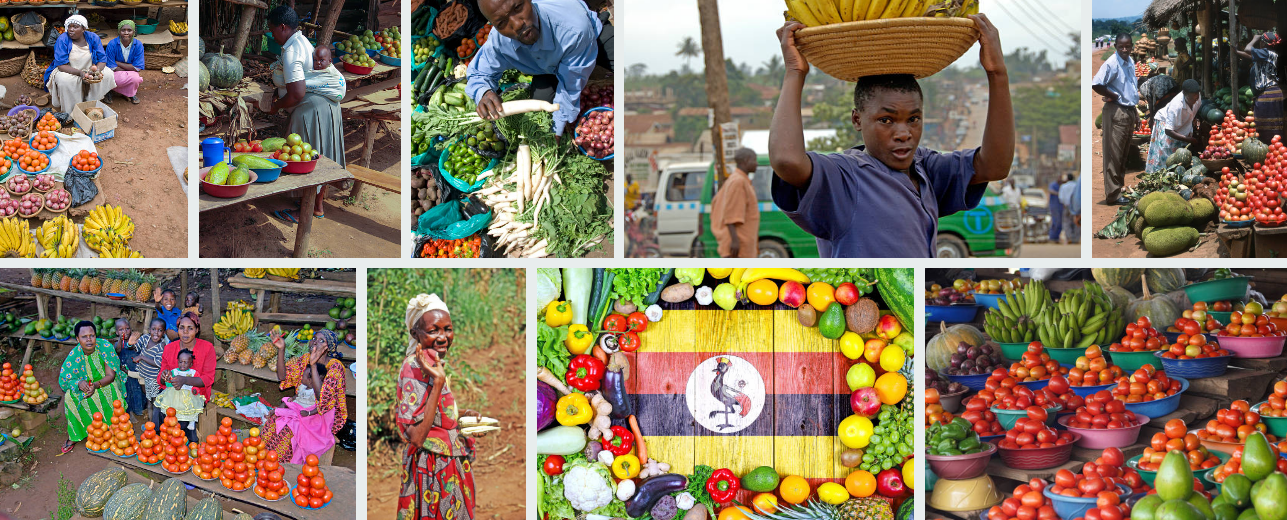
Uganda’s fertile soil and favorable climate allow for the cultivation of a vast array of fruits, vegetables, grains, and legumes. Staples like matooke (steamed green bananas), sweet potatoes, cassava, and millet form the backbone of many traditional dishes. Markets across the country overflow with fresh avocados, pineapples, mangoes, jackfruit, and passion fruit—making it easy for vegetarians to enjoy nutritious, flavorful meals.
Unlike some countries where vegetarianism is a foreign concept, Uganda’s traditional cuisine already includes many naturally plant-based dishes. This makes navigating the food scene easier for those who avoid meat. However, awareness of vegetarianism as a dietary choice is still growing, so communication is key when dining out.
Traditional Ugandan Dishes That Are Vegetarian-Friendly
Many Ugandan meals are either inherently vegetarian or can be easily adapted. Here are some must-try dishes for vegetarians:
1. Matooke with Groundnut Sauce
Matooke, a staple made from steamed green bananas, is often paired with groundnut (peanut) sauce—a creamy, protein-rich accompaniment that adds depth to the dish. This combination is not only delicious but also entirely plant-based.
2. Posho and Beans
Posho (maize flour porridge) is a common carbohydrate base, often served with beans. While some versions may include meat-based broths, many eateries prepare beans in a vegetarian-friendly way—simmered with onions, tomatoes, and spices.
3. Katogo (Vegetable Version)
Traditionally, katogo is a mix of matooke and offal, but a vegetarian version can be made with greens like dodo (amaranth) or cabbage. Always specify that you’d like it without meat.
4. Rolex
A popular street food, the rolex is an omelet rolled in a chapati. While it contains eggs, many vendors are happy to make a veggie-only version with tomatoes, onions, and cabbage.
5. Fresh Fruit and Nut Snacks
Uganda’s markets are filled with fresh, affordable fruits like pineapples, watermelons, and oranges. Roasted groundnuts (peanuts) are also a protein-packed snack readily available.
Challenges for Vegetarians in Uganda
While Uganda is indeed vegetarian-friendly, there are some challenges to be aware of:
1. Meat-Centric Dining Culture
Ugandan cuisine often revolves around meat, fish, or poultry, especially in social gatherings. Many traditional dishes assume the inclusion of animal products, so vegetarians may need to request modifications.
2. Limited Awareness of Vegetarianism
Outside urban centers, the concept of vegetarianism isn’t always well understood. Some may assume that “no meat” still allows for fish or chicken broth. Clear communication is essential—phrases like “I don’t eat meat, fish, or chicken” help.
3. Restaurant Options
While Kampala and other cities have vegetarian and vegan-friendly restaurants, rural areas may have fewer options. However, simple dishes like rice, beans, and vegetables are usually available everywhere.
The Rise of Vegetarian and Vegan Restaurants in Uganda
Uganda’s food scene is evolving, with a growing number of restaurants catering to plant-based diets. In Kampala, places like The Vegan Restaurant Uganda, Loving Hut, and Café Javas (which offers vegetarian options) make it easier than ever to enjoy meat-free meals. Additionally, international cuisines like Indian restaurants (such as Khana Khazana and Haandi) offer a variety of vegetarian dishes due to India’s strong vegetarian traditions.
Tips for Vegetarians Traveling in Uganda
To make the most of Uganda’s vegetarian-friendly offerings, consider these tips:
-
Learn Key Phrases – Knowing how to say “no meat” in Luganda (“Silya nyama”) can be helpful.
-
Visit Local Markets – Stock up on fresh fruits, nuts, and vegetables for snacks.
-
Choose Indian or Middle Eastern Restaurants – These cuisines often have well-established vegetarian menus.
-
Carry Protein Supplements – For long trips, bringing nuts, seeds, or protein bars ensures you stay nourished.
-
Stay in Self-Catering Accommodations – Renting a place with a kitchen allows you to prepare your own meals.
Uganda Is Becoming Increasingly Vegetarian-Friendly
So, is Uganda vegetarian-friendly? Absolutely. While the country’s traditional cuisine leans toward meat-based dishes, the abundance of fresh produce, adaptable meals, and a growing awareness of plant-based diets make Uganda a great destination for vegetarians. With a little preparation and communication, vegetarians can enjoy Uganda’s rich flavors without compromise.
As more people embrace plant-based living globally, Uganda’s food culture is also shifting. Whether you’re a local or a traveler, you’ll find that Uganda’s agricultural wealth and hospitality make it a surprisingly vegetarian-friendly paradise. So pack your bags (and maybe a few snacks) and explore the Pearl of Africa—its vibrant, plant-based delights await!
By embracing Uganda’s vegetarian-friendly options, you not only enjoy delicious meals but also support sustainable and healthy eating practices in this beautiful country.
Uganda Travel Guide — The Pearl of Africa
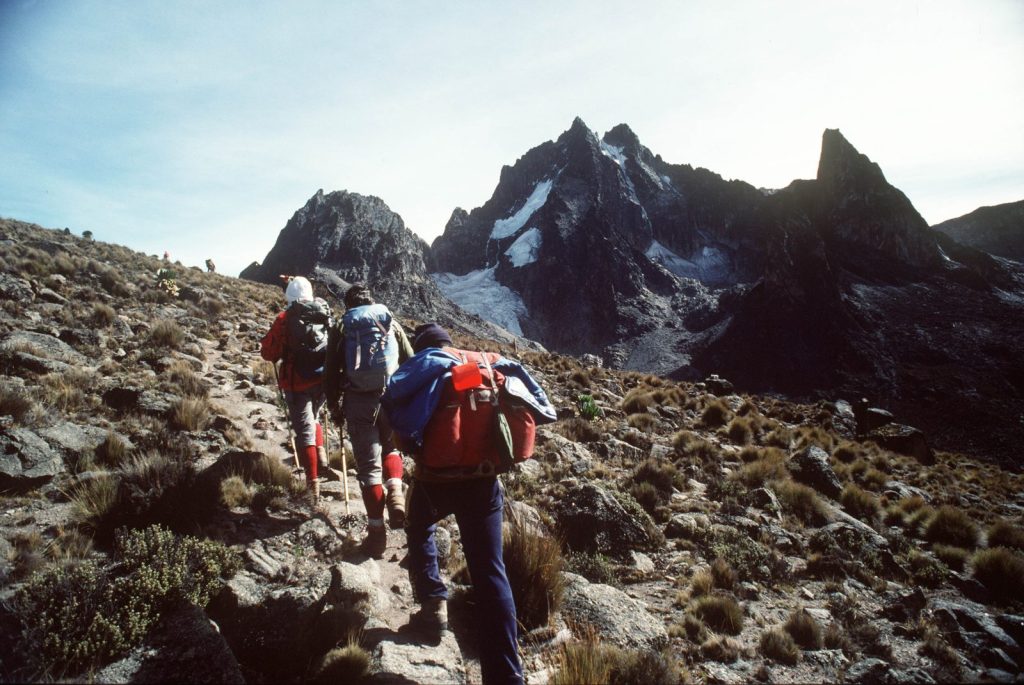
Uganda is one of Africa’s most rewarding and underrated destinations. Winston Churchill’s description of Uganda as the “Pearl of Africa” — inspired by its extraordinary combination of landscapes, wildlife, and people — remains as apt today as when he coined it in 1908. The country packs an astonishing range of experiences into a relatively compact area: snow-capped mountains, vast savannahs, dense tropical rainforests, the source of the Nile, and some of the world’s most remarkable wildlife.
Uganda shares borders with Kenya, Tanzania, Rwanda, the Democratic Republic of Congo, and South Sudan, and sits astride the equator in East-Central Africa. The capital, Kampala, is a vibrant, growing city that serves as the gateway to Uganda’s national parks. Most wildlife safaris begin and end in Kampala or at Entebbe International Airport, 45 minutes south of the city.
Uganda’s Key National Parks and Wildlife Areas
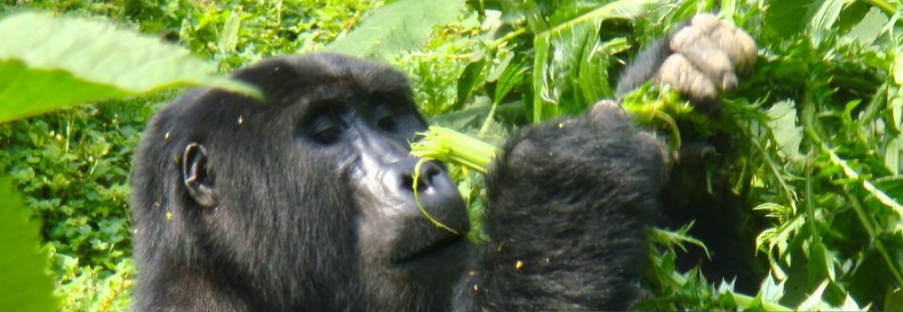
- Bwindi Impenetrable Forest: UNESCO World Heritage Site and home to over half the world’s mountain gorillas. Four trekking sectors: Buhoma, Ruhija, Rushaga, and Nkuringo.
- Queen Elizabeth National Park: Uganda’s most visited park, famous for tree-climbing lions in the Ishasha sector, boat cruises on the Kazinga Channel, and diverse savannah and forest habitats.
- Murchison Falls National Park: Uganda’s largest park, home to the world’s most powerful waterfall. Excellent for elephants, giraffes, buffalo, hippos, crocodiles, and shoebill storks on the Nile.
- Kibale Forest National Park: The world’s best chimpanzee trekking destination, also home to 12 other primate species and superb birdwatching.
- Kidepo Valley National Park: Uganda’s most remote and arguably most spectacular park, bordering South Sudan. Wild, untouched, and home to species found nowhere else in Uganda including cheetahs and caracals.
- Mgahinga Gorilla National Park: In the Virunga Mountains, offering gorilla trekking, golden monkey trekking, and volcano hiking in a compact, accessible park.
Practical Uganda Travel Information
Visa and entry requirements
Uganda offers an e-visa for most nationalities, applied online at visas.immigration.go.ug. East African Community citizens are exempt. The East Africa Tourist Visa (covering Uganda, Kenya, and Rwanda) is available at the point of entry. A yellow fever vaccination certificate is mandatory for entry.
Currency and costs
The Ugandan Shilling (UGX) is the local currency. USD is widely accepted in tourist areas. Mid-range safari lodges cost USD 150–350 per person per night. Budget accommodation in Kampala starts from USD 20–40. Gorilla permits (USD 800) are the single largest expense for most visitors.
Getting around Uganda
Most visitors use private safari vehicles (included in tour packages) or hire a driver-guide. Public minibus taxis (matatus) connect major towns but are not suitable for wildlife areas. Charter flights from Entebbe to Kihihi, Kisoro, Kasese, or Pakuba significantly reduce overland travel times on longer itineraries.
Recommended Tours: 9 Days Uganda Wildlife Safari | 7 Days Uganda Safari