Katavi National Park: Tanzania’s Most Remote and Untouched Wilderness
Far from the well-trodden safari routes of northern Tanzania lies a place where wilderness still reigns supreme. Katavi National Park is one of Africa’s last truly untouched safari destinations-a vast, isolated landscape where wildlife thrives without the presence of crowds, and where every encounter feels raw, unscripted, and deeply authentic.
For travelers seeking solitude and a deeper connection to nature, Katavi offers something rare in today’s safari world: a sense of discovery.
A Land Few Ever Reach
Located in western Tanzania, near the shores of Lake Tanganyika, Katavi is one of the most remote national parks in the country. Its isolation is both its greatest challenge and its greatest appeal.
Reaching Katavi requires commitment. Most visitors arrive by light aircraft from hubs like Dar es Salaam or Arusha, landing on simple airstrips that hint at the park’s rugged character. There are no busy gates, no long lines of safari vehicles-just open land stretching as far as the eye can see.
This remoteness keeps visitor numbers extremely low, making Katavi one of the least crowded parks in Africa. It is not uncommon to spend an entire day on a game drive without seeing another vehicle.
A Landscape of Extremes
Katavi’s environment is shaped by dramatic seasonal contrasts. During the wet season, the plains transform into lush wetlands, attracting birds and dispersing wildlife across the park.
But it is the dry season, from June to October, that reveals Katavi’s true character. As water sources shrink, animals are drawn to the remaining rivers and floodplains, creating some of the most intense wildlife concentrations in Tanzania.
The Katuma River becomes a lifeline, its dwindling pools hosting extraordinary gatherings of animals. Nearby floodplains, such as the Katisunga and Chada plains, turn into stages for dramatic interactions between predators and prey.
Wildlife Like Nowhere Else
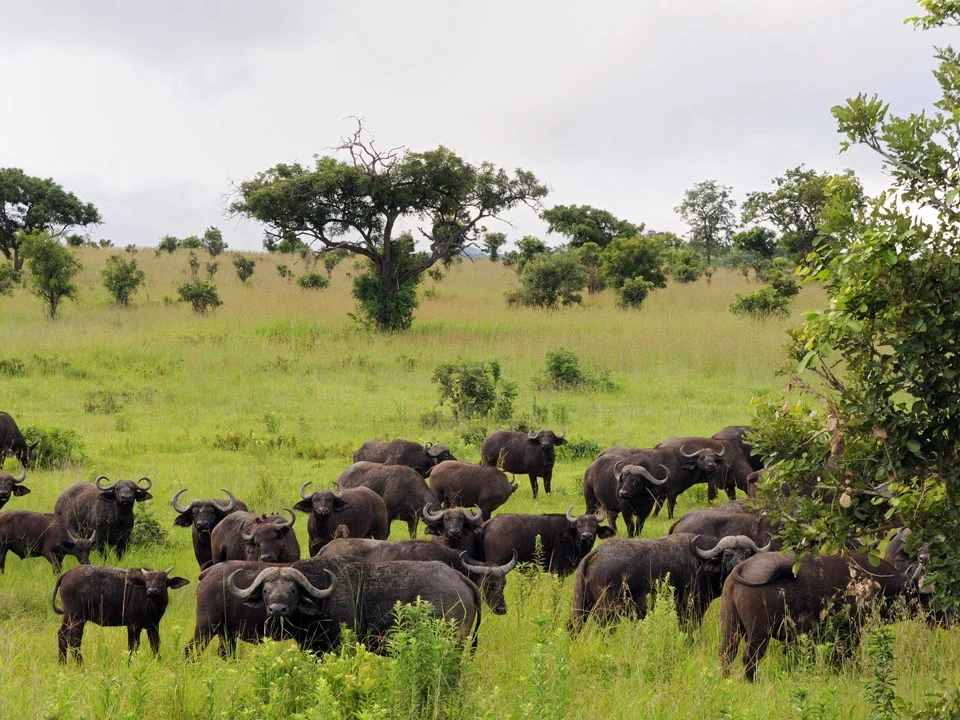
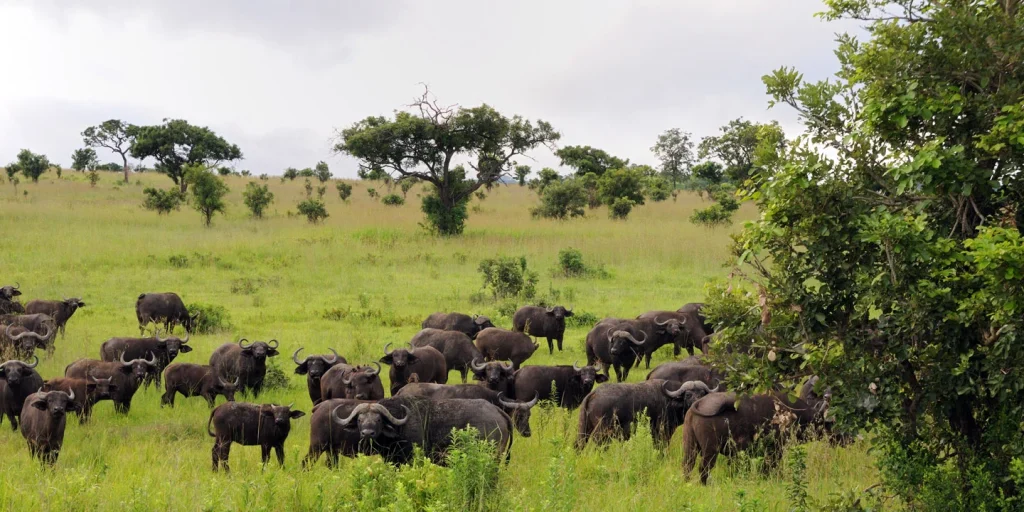
Katavi’s wildlife is both abundant and intense, especially in the dry season. Large herds of buffalo dominate the plains, often numbering in the thousands. These massive gatherings create a powerful spectacle, as the animals move together in search of water and grazing.
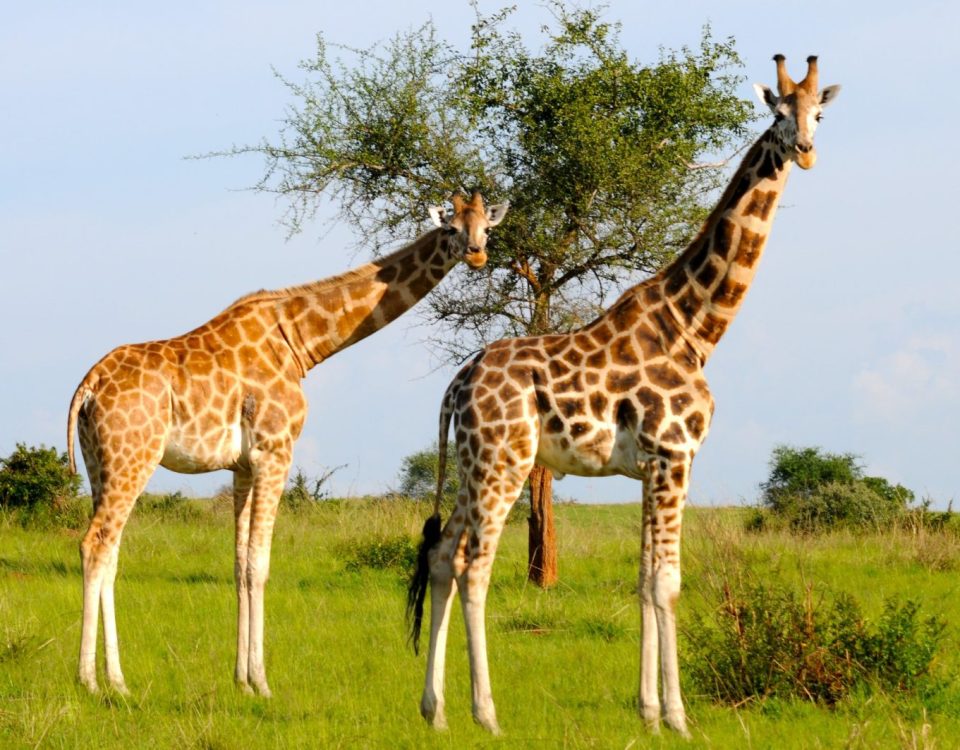
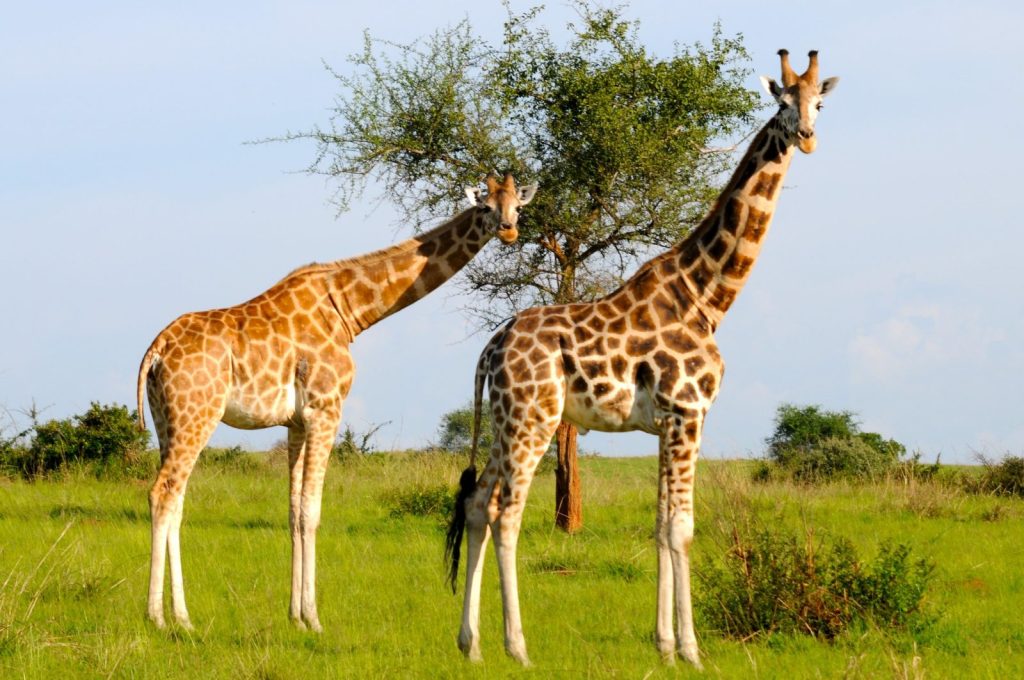
Elephants are also common, their presence felt along riverbanks and woodland areas. Giraffes, zebras, and antelope species add to the diversity, while predators such as lions, leopards, and hyenas follow closely behind.
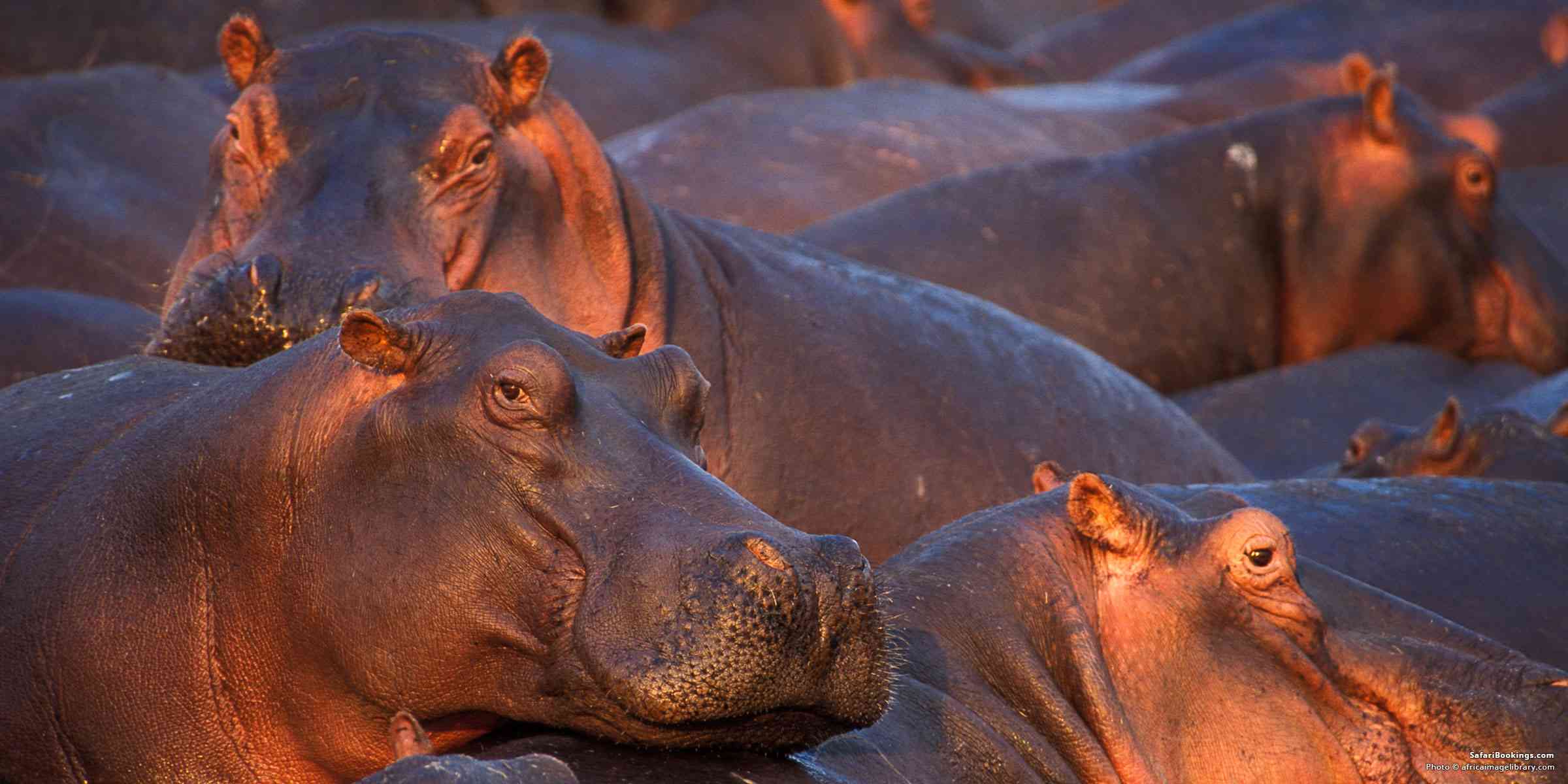
Katavi is particularly known for its large populations of hippos and crocodiles. As water levels drop, hippos are forced into shrinking pools, leading to overcrowding and heightened tension. Fights between males become frequent, creating dramatic scenes rarely witnessed elsewhere.
Crocodiles lurk nearby, waiting for opportunities, adding another layer of intensity to the ecosystem.
The Drama of the Dry Season
What makes Katavi National Park truly special is the raw, unfiltered drama of its dry season. With limited water available, animals are pushed into close proximity, increasing competition and interaction.
Buffalo herds clash with predators, hippos battle for space, and elephants dig into riverbeds to find hidden water. Every day feels unpredictable, with the potential for extraordinary sightings at any moment.
Unlike more popular parks, where wildlife encounters can feel orchestrated by vehicle traffic, Katavi offers a sense of authenticity. Here, nature unfolds on its own terms.
A Photographer’s Dream
For photographers, Katavi is a hidden gem. The open plains, dramatic skies, and intense wildlife interactions provide endless opportunities for capturing unique moments.
The lack of crowds allows for uninterrupted viewing and creative freedom. You can spend hours observing a single scene, waiting for the perfect light or the right moment-something rarely possible in busier parks.
The golden hues of the dry season, combined with dust and dramatic backdrops, create images that feel both timeless and powerful.
Accommodation: Small and Exclusive
Katavi’s remoteness means that accommodation options are limited, but this adds to its exclusivity. Small, intimate camps offer personalized service and direct access to the wilderness.
These camps are designed to blend seamlessly into the environment, providing comfort without compromising the sense of adventure. Staying here feels less like a hotel experience and more like being part of the landscape itself.
With only a handful of camps in the park, the number of visitors remains low, ensuring a private and immersive safari experience.
Katavi National Park
When to Visit
The best time to visit Katavi is during the dry season, from June to October. This is when wildlife concentrations are at their peak, and the dramatic interactions that define the park are most visible.
The wet season, while more challenging in terms of access, offers a completely different perspective. The park becomes lush and green, with abundant birdlife and fewer visible animals due to their dispersal.
Each season has its appeal, but for most travelers, the dry months provide the most rewarding safari experience.
Why Katavi Stands Apart
In a world where many safari destinations are becoming increasingly busy, Katavi remains a place of true wilderness. Its isolation, combined with its rich wildlife and dramatic seasonal changes, creates an experience that feels both rare and deeply personal.
It is not a destination for everyone. Those seeking luxury and convenience may find its remoteness challenging. But for those willing to venture off the beaten path, Katavi offers something extraordinary-a chance to witness Africa as it once was, wild and untamed.
Final Thoughts
Katavi National Park is more than just a safari destination; it is a journey into one of Africa’s last great wilderness areas. Here, the absence of crowds allows nature to take center stage, revealing its raw beauty and unpredictable rhythms.
From massive buffalo herds and battling hippos to silent plains stretching into the horizon, Katavi delivers a safari experience that is both powerful and unforgettable.
For the true explorer, for the traveler who seeks solitude and authenticity, Katavi is not just a place to visit-it is a place to feel the wild in its purest form.