Kenya’s Best Multi-Day Trekking Routes
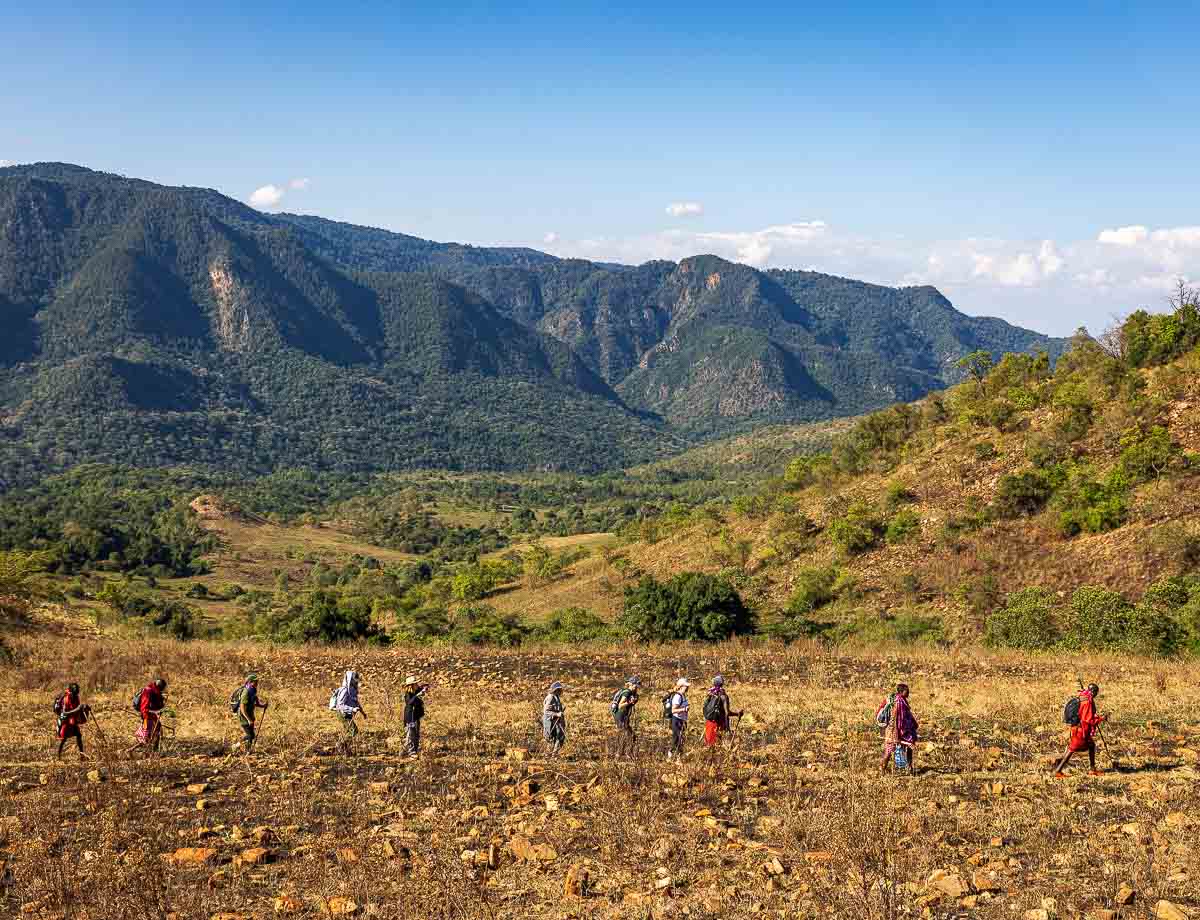
Beyond the well-known half-day walks and single-summit hikes that feature on most Kenya itineraries, the country offers a genuine multi-day trekking tradition for travelers willing to commit several days to covering ground on foot, carrying or arranging portage for camping equipment, and experiencing landscapes considerably more remote than anything accessible on a standard safari circuit. Mount Kenya dominates this category by reputation and scale, but several other regions offer their own distinct multi-day trekking possibilities worth understanding before choosing where to invest a longer stretch of trip time.
Mount Kenya: Africa’s Second-Highest Peak
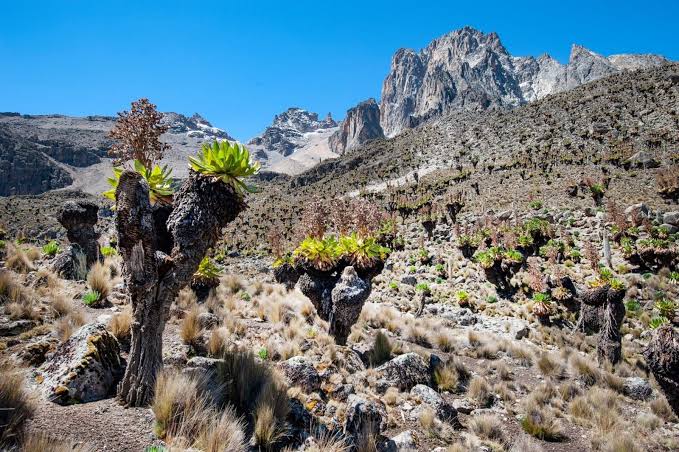
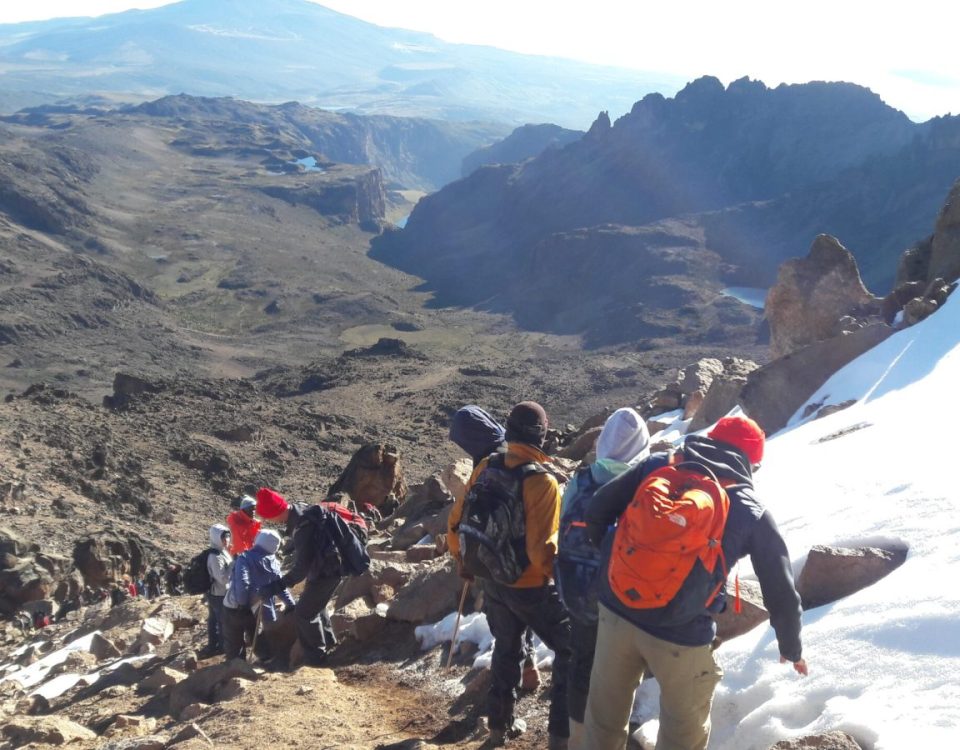
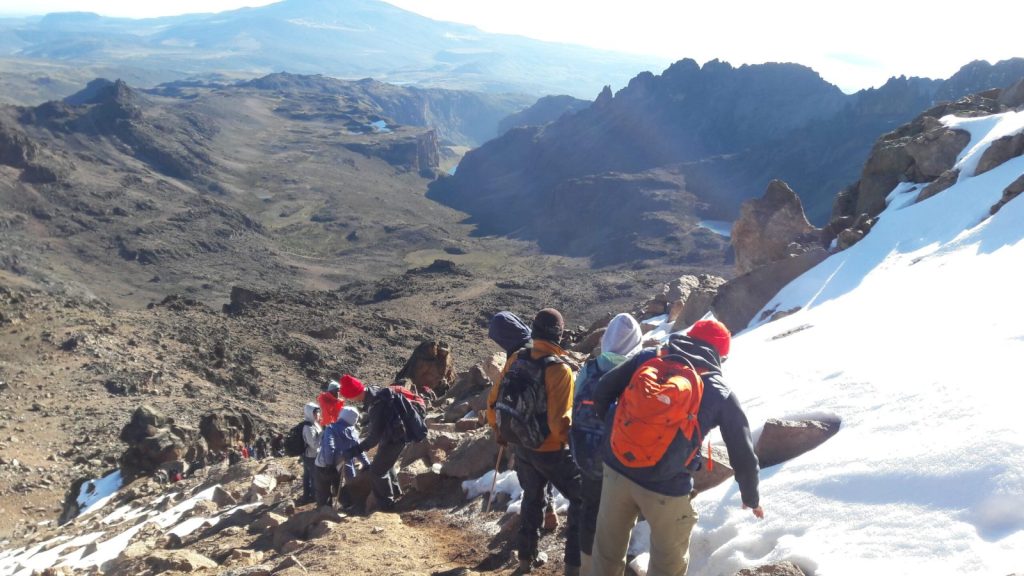
Mount Kenya, at 5,199 meters the second-highest mountain in Africa after Kilimanjaro, offers several established multi-day trekking routes to its lower peaks, Point Lenana at 4,985 meters being the highest point accessible to trekkers without technical climbing equipment and experience, since the mountain’s two higher summits, Batian and Nelion, require genuine rock-climbing skill and equipment well beyond standard trekking. The Sirimon, Naro Moru, and Chogoria routes represent the three main established paths up the mountain, each offering a distinct character: Sirimon generally considered the most gradual and scenic ascent, Naro Moru the most direct but correspondingly steeper route, and Chogoria widely regarded as the most dramatically beautiful, passing through genuinely spectacular high-altitude terrain including the Gorges Valley and a series of glacial lakes.
A typical Point Lenana trek takes four to five days depending on the chosen route and acclimatization schedule, with altitude sickness a genuine concern given the elevation gain involved, making a properly paced itinerary with adequate acclimatization days considerably more important than rushing to the summit as quickly as possible. Most trekkers arrange porters and guides through licensed operators, both for logistical support and because Mount Kenya National Park requires visitors to trek with a registered guide rather than attempting an independent ascent.
Kenya’s Best Multi-Day Trekking Routes for Mountain Adventures Wildlife Views and Culture
Combining Routes for a Traverse
Experienced trekkers with sufficient time sometimes combine two of the mountain’s main routes into a single traverse, ascending via one path and descending via another, a strategy that maximizes the variety of terrain and scenery experienced across a single trip without requiring a return along the same path twice. This approach typically adds a day or two to the standard single-route itinerary but is widely considered one of the more rewarding ways to experience Mount Kenya’s genuinely varied ecological zones, from dense montane forest through bamboo and heather zones to the stark, high-altitude moorland near the peak.
The Aberdare Range’s Less-Trodden Trails
The Aberdare range offers a genuinely different multi-day trekking experience from Mount Kenya, its misty, moorland-topped ridges and dense highland forest supporting a network of trails considerably less developed and less frequently trekked than Mount Kenya’s established routes, appealing specifically to travelers seeking a quieter, more remote trekking experience within a broadly similar highland forest and moorland ecosystem. Trekking in the Aberdares requires more independent logistics arrangement than Mount Kenya’s well-established guide and porter network, given the lower overall trekking traffic, and travelers interested in this option should work with an operator experienced specifically in Aberdare trekking logistics rather than assuming the same infrastructure found on Mount Kenya applies equally here.
Porters, Guides, and Supporting the Local Trekking Economy
Mount Kenya’s trekking industry supports a substantial community of professional porters and guides based in the towns and villages surrounding the mountain, and choosing an operator that pays fair, transparent wages and provides adequate equipment and conditions for its porter teams has become an increasingly prominent consideration among ethically minded trekkers, mirroring similar conversations that have shaped porter welfare standards on Kilimanjaro and other major African trekking peaks. Asking a prospective operator directly about their porter pay rates, equipment provision, and load limits is a reasonable question that reputable operators should answer readily, and it’s a detail worth prioritizing alongside route choice and price when selecting who to trek with.
Wildlife Considerations on Highland Treks
Both Mount Kenya and the Aberdares support resident elephant and buffalo populations within their forested lower slopes, and armed ranger escorts are standard practice for at least the initial forested sections of any multi-day trek in either range, a genuine safety consideration rather than a formality given the real presence of potentially dangerous wildlife along trekking routes that pass directly through prime elephant habitat before climbing above the tree line into safer, more open moorland terrain.
Northern Kenya’s More Adventurous Trekking Options
For trekkers seeking a genuinely more remote, less infrastructure-supported experience, the hills and mountains of northern Kenya, including the Ndoto Mountains near Samburu and the Matthews Range further north, offer multi-day trekking possibilities considerably outside the country’s established trekking circuit, generally requiring specialist operators with specific regional expertise and a greater tolerance for basic camping logistics than the more developed Mount Kenya routes demand. These northern treks typically combine genuine wilderness trekking with cultural engagement, since routes often pass through or near Samburu community land, adding a dimension distinct from the purely scenery-and-summit focus of a Mount Kenya trek.
Mount Elgon and the Cherangani Hills: Kenya’s Western Trekking Frontier
Far from the more familiar Mount Kenya and Aberdare circuits, Kenya’s western highlands offer their own distinct multi-day trekking options, straddling terrain shaped by one of Africa’s oldest volcanoes on one side and a network of rolling highland ridges on the other, both considerably less visited than the country’s central trekking destinations.
Mount Elgon’s Ancient Caldera and Salt Caves
Mount Elgon, straddling the Kenya-Uganda border and ranking among Africa’s oldest and largest volcanic mountains, reaches roughly 4,321 meters at its highest point on the Kenyan side, making it a genuinely significant peak in its own right despite receiving a fraction of the trekking traffic that Mount Kenya draws. The mountain’s defining feature is its enormous caldera, one of the largest intact volcanic calderas anywhere in the world, and multi-day routes on the Kenyan side typically wind through dense forest and bamboo zones before opening onto high-altitude moorland surrounding this crater. A particular highlight along several routes is Kitum Cave, a genuinely unusual attraction where elephants have, for generations, entered the cave in complete darkness to dig salt directly from its walls with their tusks, a behavior well documented by researchers and one of the more distinctive wildlife encounters available anywhere on a Kenyan trekking route. Multi-day Mount Elgon treks generally run four to six days depending on the specific route and trailhead chosen, considerably quieter and less logistically developed than Mount Kenya, which appeals specifically to trekkers who have already done Mount Kenya and are seeking a genuinely different, far less crowded highland experience.
The Cherangani Hills’ Rolling Highland Traverse
The Cherangani Hills, further south in Kenya’s Rift Valley highlands, offer a different kind of multi-day trekking experience again, built around a traverse of rolling moorland, indigenous forest, and dramatic ridgelines rather than a single defined summit objective. A well-established route running roughly from Kapenguria to Kaptagat allows trekkers to cross the full range over several days, passing through a landscape that shifts continually between forest, moorland, and open ridge walking, with sweeping views across the wider Rift Valley on clear days. Because the Cherangani Hills see relatively little international trekking traffic compared to Mount Kenya, arranging a trek here generally requires working with an operator who maintains specific local relationships and guiding expertise in the region, similar to the northern Kenya trekking options discussed elsewhere in this guide, rather than assuming the same readily available guide network found around Mount Kenya’s more established trailheads.
How Mount Kenya Compares to Kilimanjaro
Travelers weighing a Mount Kenya trek against a Kilimanjaro climb in neighboring Tanzania, a comparison that comes up often given the two mountains’ relative proximity and shared status as East Africa’s premier trekking peaks, should understand a few key differences beyond the roughly 700-meter difference in summit elevation. Point Lenana, Mount Kenya’s standard trekking summit, involves considerably more scrambling and, on some route combinations, short sections of easy rock and ice work near the top, giving the trek a slightly more technical, hands-on character than Kilimanjaro’s primarily walking-based ascent. Mount Kenya treks also tend to run shorter, typically four to five days against Kilimanjaro’s six to nine days on most established routes, and considerably less expensive, reflecting both the shorter duration and Mount Kenya’s smaller-scale guiding and permit infrastructure. Many trekkers with time for only one of the two mountains choose based on this trade-off directly: Kilimanjaro for the higher summit and bigger-name achievement, Mount Kenya for a shorter, more varied, and noticeably more affordable trek that many experienced highland trekkers consider scenically the more rewarding of the two despite its lower elevation.
Fitness, Preparation, and Choosing the Right Trek
Multi-day trekking in Kenya demands a meaningfully higher baseline fitness level than the shorter walks and single-day hikes covered elsewhere on this site, and prospective trekkers should honestly assess their cardiovascular fitness and prior high-altitude experience before committing to a Mount Kenya summit attempt in particular, given the genuine altitude sickness risk involved at elevations above 4,000 meters. Proper acclimatization, adequate hydration, and a realistic pace that prioritizes summit success over speed all meaningfully reduce this risk, and reputable operators build these considerations directly into their standard multi-day itineraries rather than treating them as optional extras.
Our broader guide to Kenya’s best walking safari destinations covers shorter, wildlife-focused walking options for travelers not specifically seeking a multi-day mountain trek, useful context for understanding how these longer, more physically demanding treks fit within the broader spectrum of walking-based activities available across Kenya’s varied terrain.
When to Trek: Seasonal Timing
Mount Kenya’s two main trekking windows fall during the drier periods roughly January through late February and again from late June through September, when trails are less muddy and mountain weather generally more stable, though the mountain’s own microclimate means conditions can shift quickly regardless of the broader seasonal pattern, and operators experienced with the specific route being attempted are generally the best source of current, reliable weather guidance rather than relying purely on general seasonal averages. The Aberdares and northern Kenya’s trekking regions follow broadly similar seasonal logic, though northern routes in particular can experience extreme heat during the hotter months, making the cooler, drier windows even more important for trekking comfort and safety in that specific region.
Gear and Packing for a Multi-Day Trek
Proper layered clothing suited to significant temperature swings between warm daytime trekking and genuinely cold high-altitude nights, sturdy, well broken-in hiking boots, and a good sleeping bag rated for near-freezing conditions at higher elevations all rank among the essential equipment for a Mount Kenya or Aberdare trek, and most operators provide detailed packing guidance specific to their chosen route and season as part of standard pre-trip preparation, guidance well worth following closely given how genuinely different high-altitude Kenyan trekking conditions are from the warmer, lower-elevation safari experience most visitors associate with the country.