Hell’s Gate National Park, just outside Naivasha, holds a genuinely unusual distinction among Kenya’s protected areas: it’s one of the only parks in the country where visitors can walk, cycle, and rock climb largely independently, without the vehicle-bound restrictions that govern nearly every other Kenyan national park, thanks to its notably low predator density and dramatic, narrow gorge terrain that has made it a magnet for adventure-focused travelers rather than conventional game-drive visitors.
Why Hell’s Gate Allows This Kind of Freedom
Most Kenyan national parks restrict visitors to vehicles specifically because of the risk posed by resident lion, leopard, and other dangerous predators, but Hell’s Gate’s relatively small resident predator population, historically limited largely to occasional leopard rather than significant lion prides, has allowed Kenya Wildlife Service to permit walking and cycling throughout most of the park under considerably more relaxed rules than apply elsewhere. This unusual openness, combined with the park’s striking volcanic scenery, towering cliffs, a narrow gorge, and geothermal features tied to the same rift valley volcanic activity discussed in our broader piece on the Great Rift Valley’s geology, has made Hell’s Gate one of Kenya’s most popular destinations for active, adventure-focused visitors rather than conventional wildlife-viewing tourists.
The Park’s Famous Cinematic Connection
Hell’s Gate’s dramatic cliffs and gorge scenery reportedly helped inspire the landscape design for Disney’s The Lion King, a connection widely cited in Kenyan tourism marketing even though the film’s production predates any formal, confirmed direct location scouting relationship, and whatever the precise truth of that specific claim, the park’s genuinely cinematic, otherworldly volcanic scenery needs no fictional association to justify a visit on its own merits.
Cycling Through the Park
Cycling ranks among Hell’s Gate’s most popular activities, with visitors able to rent bicycles at the park gate or bring their own, riding along the park’s main track past herds of zebra, giraffe, and various antelope grazing at a comfortable, unhurried distance from the cyclists passing through their territory. This ability to cycle directly among plains game, an experience essentially unavailable anywhere else on Kenya’s conventional safari circuit given the vehicle restrictions elsewhere, gives Hell’s Gate a genuinely distinctive character, and many visitors describe the sensation of quietly pedaling past grazing zebra as a considerably more immersive wildlife encounter than the same sighting would offer from within a safari vehicle.
The main cycling route leads toward Ol Njorowa Gorge, the park’s signature natural feature, where cyclists typically park their bikes before continuing on foot into the gorge itself, a narrow, steep-walled ravine carved by water erosion through volcanic rock over thousands of years.
Choosing Between Cycling and a Vehicle-Based Visit
While cycling and walking represent the park’s signature activities, visitors uncomfortable with cycling or seeking a more relaxed pace can still drive through much of Hell’s Gate in a standard vehicle, and several viewpoints and the main gorge access point remain reachable this way, making the park accessible to a wider range of physical ability levels than its adventure-tourism reputation might initially suggest. Families with young children or visitors with mobility considerations should know that a meaningful Hell’s Gate visit remains entirely possible without committing to the full cycling and gorge-walking combination that more active visitors typically pursue.
What to Expect From Bike Rental and Guiding Costs
Bicycles are readily available for rent right at the main gate, generally simple, sturdy mountain bikes suited to the park’s mostly flat, occasionally rocky main track rather than specialized touring or racing equipment, and rental typically covers a full day of riding, giving visitors flexibility to pause frequently for photographs and wildlife viewing rather than feeling pressured to return the bike within a narrow window. Travelers preferring their own gear can bring a bicycle from Nairobi or Naivasha, though the park’s rental bikes are generally perfectly adequate for the terrain involved and save the hassle of transporting a bike a considerable distance for a single day’s use. Guides for the gorge walk are arranged separately from bike rental, typically at the gorge entrance itself, and their fee is a mandatory, worthwhile cost rather than an optional add-on, given both the safety considerations already noted around flash flooding and the guides’ genuine value in pointing out geological and wildlife details an independent visitor would likely miss entirely.
Rock Climbing on Fischer’s Tower and Central Tower
Hell’s Gate’s volcanic plugs, most notably Fischer’s Tower and the aptly named Central Tower, offer genuine rock climbing routes that have made the park a recognized, if relatively modest by international standards, rock climbing destination within Kenya, with routes ranging from beginner-accessible scrambles to more technical climbs requiring proper equipment and experience. Local climbing guides, available through operators based in Naivasha, provide equipment, route guidance, and safety support for visitors without their own climbing gear or extensive prior experience, making the activity accessible to a broader range of visitors than independent climbing would allow.
Walking Ol Njorowa Gorge
The gorge walk, typically undertaken with a mandatory local guide given occasional flash flood risk and the genuinely narrow, sometimes scramble-requiring terrain within the gorge itself, takes visitors through a dramatic, steep-walled passage where hot springs and steam vents, tied to the same geothermal activity that powers the Olkaria power plants just outside the park, punctuate the walk at various points. This combination of narrow, dramatic rock formations and active geothermal features makes the gorge walk feel considerably more like an adventure activity than a conventional nature walk, and guides typically point out specific geological features and explain the gorge’s formation as part of the standard walking tour.
Flash flooding remains a genuine safety concern within the gorge during and after heavy rain, and park authorities periodically close the gorge to visitors during particularly wet periods, a safety measure worth checking on directly before planning a visit during Kenya’s rainy seasons.
Geothermal Energy and the Olkaria Connection
Hell’s Gate sits directly adjacent to the Olkaria geothermal fields, among the largest sources of geothermal power in Africa, and the same volcanic heat driving the park’s hot springs and steam vents supplies a substantial share of Kenya’s national electricity grid, an unusually direct juxtaposition of raw natural geological process and modern energy infrastructure visible firsthand from within the park itself, with the geothermal plant’s cooling towers and steam pipes visible from certain sections of the cycling and walking routes.
Wildlife Beyond the Adventure Activities
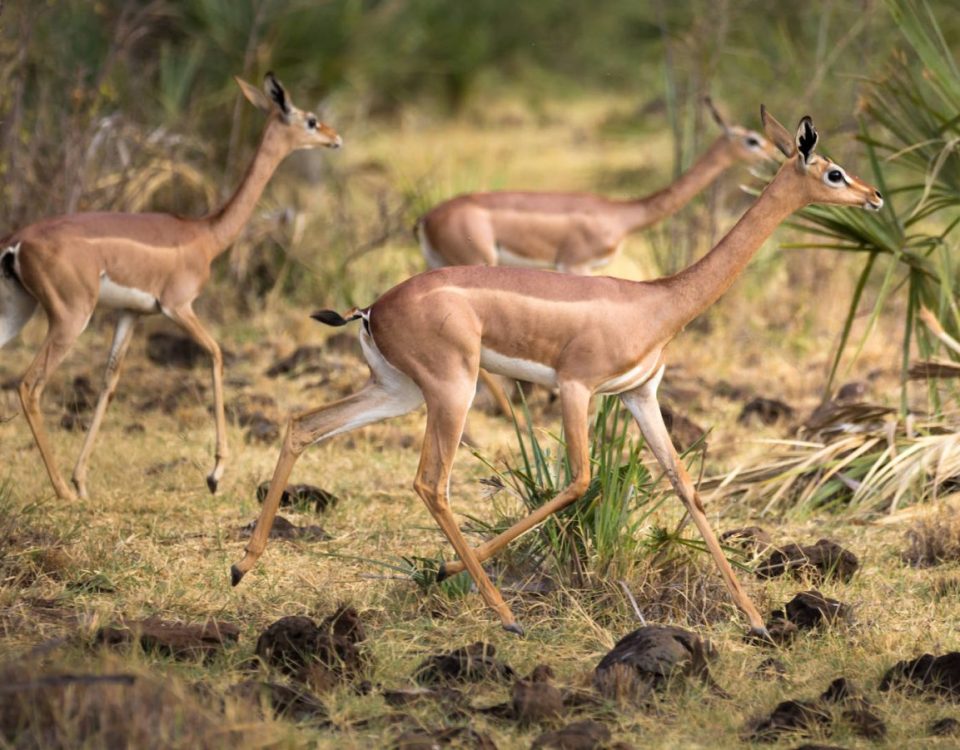
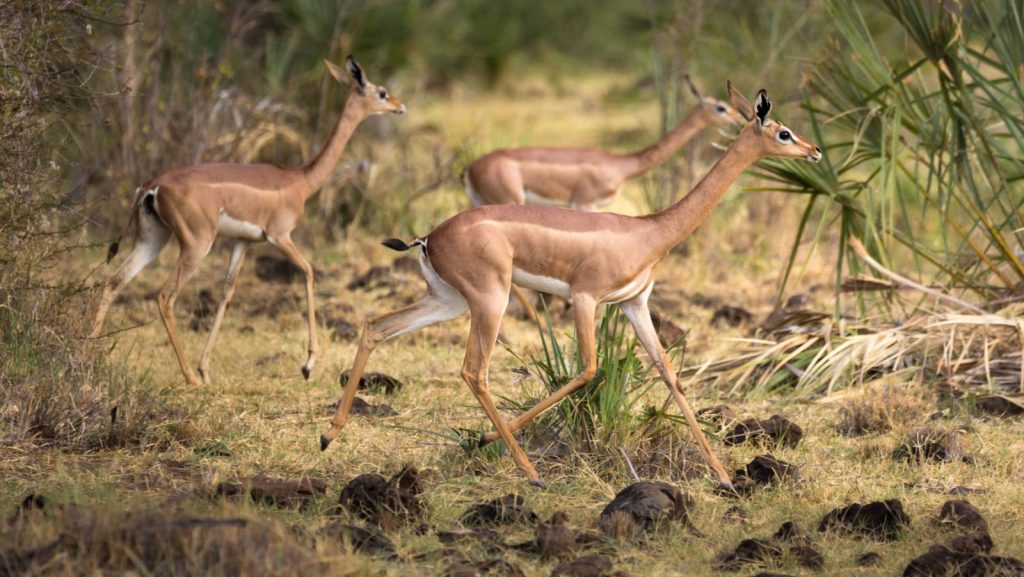
While Hell’s Gate’s activity offerings draw the most attention, the park supports a genuine wildlife population worth appreciating in its own right, including substantial herds of zebra and buffalo, giraffe, and a range of antelope species including the eland, Africa’s largest antelope, along with a resident population of klipspringer, a small, sure-footed antelope specifically adapted to the park’s rocky cliff terrain, often spotted balanced improbably on narrow rock ledges along the gorge walls. Birdlife includes a notable population of raptors, including Verreaux’s eagle, which nests on the park’s cliff faces and can often be seen soaring along the gorge’s thermal updrafts, a species specifically associated with this kind of dramatic rocky terrain rather than the open savanna habitat favored by many of Kenya’s other iconic raptor species.
The relative absence of large predators that makes Hell’s Gate’s walking and cycling activities possible also means wildlife encounters here tend to be calmer and less tense than a typical predator-focused game drive elsewhere in Kenya, animals generally more habituated to close human presence given the volume of cyclists and walkers passing through the park regularly, offering a genuinely different, lower-adrenaline style of wildlife encounter than most other Kenyan parks provide.
Where the Name Actually Comes From
The park’s dramatic name traces back to 1883, when two rival European explorers, the German Gustav Fischer and the Briton Joseph Thomson, passed through the area separately during a period of considerable tension with local Maasai communities. Confronted with the same towering cliffs, the narrow gorge, and steam rising from the ground through the area’s geothermal vents that still define the park today, the explorers reportedly settled on the name Hell’s Gate, a description that has stuck for well over a century since. Fischer’s Tower, one of the park’s two main rock climbing formations, takes its name directly from this same expedition, a small but tangible link between the park’s adventure-tourism present and its nineteenth-century exploration history.
Hell’s Gate wasn’t formally gazetted as a national park until 1984, considerably later than many of Kenya’s other well-known protected areas, and it covers a relatively modest area of roughly 68 square kilometers, small enough that a fit cyclist can cover a meaningful share of the park’s main routes within a single day, a scale that partly explains why the park works so well as a day trip or overnight addition to a broader Rift Valley itinerary rather than requiring the multi-day commitment larger parks demand.
Camping Inside the Park
For visitors wanting to extend a Hell’s Gate visit beyond a single day, the park maintains three official public campsites, each with a distinct character suited to different priorities. Naiburta campsite, positioned closer to the gorge area, offers a quieter, more scenic setting particularly well suited to hikers and birdwatchers wanting an early start on the gorge walk before the day’s heat sets in, while Oldubai campsite, nearer the main gate, tends to suit larger groups given its more central, accessible location. A third site, Endachata, rounds out the park’s camping options, and all three provide basic facilities including toilets, showers, and picnic shelters, sufficient for a comfortable if unglamorous overnight stay under the same dramatic cliff scenery that makes the park’s daytime activities so distinctive. Camping inside Hell’s Gate also opens up the possibility of an early-morning cycle or walk before the day’s other visitors arrive from Naivasha town or Nairobi, when wildlife along the main track tends to be more active and the light considerably better for photography than the flatter, harsher conditions of midday.
Planning a Hell’s Gate Visit
Hell’s Gate pairs naturally with a Lake Naivasha stay, covered in our dedicated guide to Lake Naivasha’s boat safaris and hippo encounters, and most visitors combine the two destinations within a single day trip or overnight stay from Nairobi, sometimes adding a Mount Longonot hike as a third activity within the same broader Rift Valley-focused excursion given how conveniently the three destinations cluster together geographically. Given the park’s active, physically demanding nature, visitors should plan for sturdy footwear, sun protection, and ample water regardless of which specific combination of cycling, climbing, and walking they choose to pursue during their visit.