Mombasa’s Old Town occupies only a small corner of Kenya’s second city, yet it holds more than four centuries of layered history within a maze of narrow lanes barely wide enough for two people to pass comfortably. Portuguese cannons once guarded its harbour, Omani traders built its mosques, Indian merchants carved its doors, and British colonial administrators added their own imprint on top of all of it. Walking through Old Town today means moving through each of those layers in the space of a single unhurried afternoon.
Starting at Fort Jesus
Most guided walking routes through Old Town Mombasa follow a broadly similar arc, beginning at the fort’s imposing gate, moving into the tightly packed residential lanes behind it, pausing at a handful of religious landmarks, and finishing near the market or the old harbour. That sequence isn’t arbitrary; it roughly traces the historical order in which each layer of Old Town’s identity took shape, from colonial military presence through religious and commercial settlement to the everyday trading life that still defines the neighbourhood today.
Any walking tour of Old Town Mombasa begins, logically enough, at the fortress that has dominated the harbour entrance since the sixteenth century. Fort Jesus was built between 1593 and 1596 on the orders of King Philip of Portugal, designed by the Italian military architect Giovanni Battista Cairati to guard Mombasa’s old port against rival colonial and regional powers. Its star-shaped bastion design, cut directly into the coral rock of the point it occupies, was considered a formidable piece of military engineering for its era, and the fort changed hands repeatedly over the following centuries between Portuguese, Omani Arab, and eventually British control, each occupation leaving its own mark on the structure.
Today Fort Jesus holds UNESCO World Heritage status, recognised as one of the most outstanding examples of sixteenth-century Portuguese military architecture anywhere in the world. Inside its walls, a museum traces the fort’s turbulent history through excavated artefacts, ship fittings recovered from wrecks in the harbour, and displays covering the various communities who occupied or besieged it over the centuries. Allowing at least an hour for the fort and its museum before heading into the surrounding streets is worth the time, since it frames everything that follows in the old town with the political history that shaped it.
Into the Alleys: Architecture Layered by Community
Stepping out of the fort and into Old Town’s narrow lanes brings an immediate shift in scale and atmosphere. Streets here are tight enough that upper-floor balconies on opposite buildings sometimes nearly touch, a Swahili architectural adaptation of an original Portuguese design that keeps the lanes shaded and noticeably cooler than the open streets of modern Mombasa nearby. These wooden balconies, along with the elaborately carved doors marking many of the surrounding buildings, form the visual backbone of an Old Town walking tour, and both reward a slow pace rather than a quick walkthrough.
The carved doors in particular tell a layered story of their own. Geometric patterns rooted in Islamic design tradition sit alongside floral motifs carried over from Indian merchant communities who settled in Old Town during its trading heyday, and Arabic inscriptions blessing a household are common across many of the older examples. A number of these doors date back to the eighteenth century, still maintained by the families living behind them, making Old Town’s streets something closer to a lived architectural archive than a static historical display.
The Mandhry Mosque and Old Town’s Religious Landmarks
Among Old Town’s religious buildings, the Mandhry Mosque stands out as one of the oldest continuously used Islamic houses of worship in Kenya, originally founded in 1570, with the current building generally dated to around 1830 following rebuilding. Its distinct minaret and understated Swahili architectural style make it easy to spot along a walking route, and it remains an active place of worship rather than a preserved relic, which visitors should keep in mind by dressing modestly and avoiding entry during prayer times unless specifically invited.
Not far away, the Mombasa Memorial Cathedral, built by British colonial administrators in the late nineteenth century, offers a striking architectural contrast within a short walk, its European ecclesiastical style sitting incongruously but not uncomfortably among the Swahili and Omani-influenced buildings that surround it. Seeing both structures within the same short walk illustrates just how many distinct communities have left a physical mark on this small stretch of coastline over the centuries.
Markets and Everyday Life
Old Town isn’t purely a museum piece; much of it remains a working residential and commercial district, and a proper walking tour should make time for its everyday commercial heart as well as its monuments. Mackinnon Market, one of the area’s central trading hubs, gives a working sense of daily life in Old Town away from the historical sites, with vendors selling produce, spices, and household goods much as they have for generations. Wandering here alongside the more formal historical stops rounds out a walking tour with a sense of Old Town as a living neighbourhood rather than a collection of preserved buildings.
Spice shops and curio stalls line several of the main pedestrian routes through Old Town as well, selling loose spices, carved wooden items, and textiles aimed at both locals and visitors. As with any market environment, a friendly, unhurried approach to browsing and the occasional bit of good-natured bargaining tends to make for a more pleasant experience than treating every stall as a transaction to rush through.
The Old Port and Dhow Harbour
A short walk from the main historical core brings visitors to Mombasa’s old dhow harbour, where traditional sailing vessels still occasionally dock alongside more modern fishing boats, a working reminder of the maritime trade that built this stretch of coast in the first place. It’s a quieter, less curated stop than Fort Jesus or the main market, but it offers a genuine sense of connection to the same Indian Ocean trading routes that carried spices, textiles, and travellers between Mombasa, Zanzibar, and the wider Swahili coast for centuries.
Practical Tips for a Walking Tour
Old Town’s narrow, largely shaded lanes make for a genuinely comfortable walk even during Mombasa’s hottest hours, though mornings still offer the most pleasant light and the least crowded streets for photography. Comfortable, closed shoes are worth wearing given the uneven coral-stone paving found throughout the district, and modest dress is appreciated given the number of active mosques within the walking route. A local guide, whether booked formally or simply engaged informally near Fort Jesus, can add considerable depth to a self-guided route, since much of Old Town’s history isn’t marked with signage and relies on oral tradition passed down by residents and guides alike.
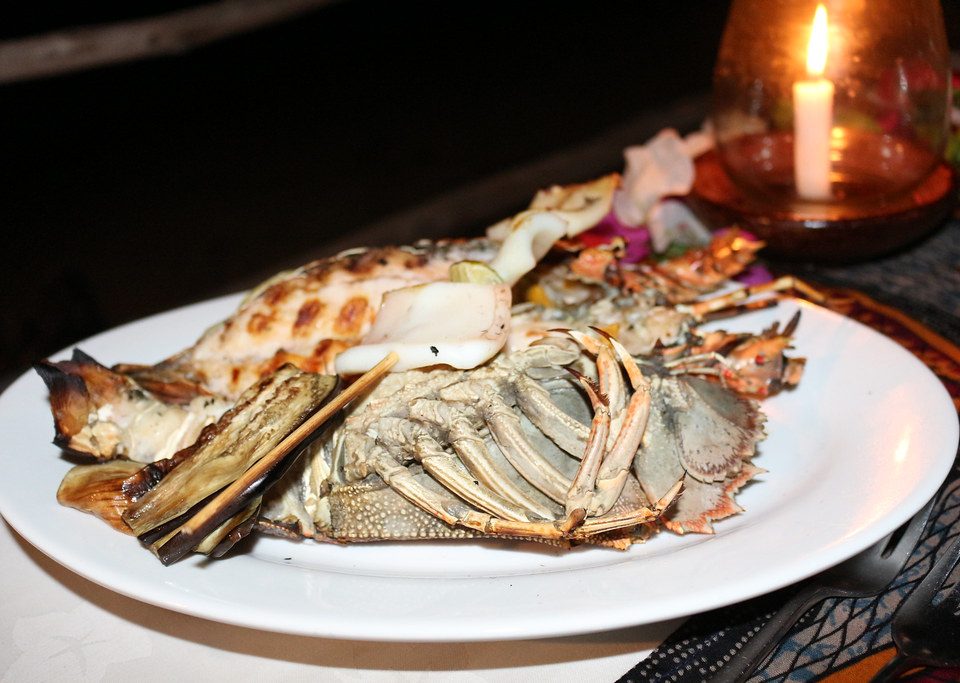
Most walking tours of Old Town take somewhere between two and three hours at an unhurried pace, covering Fort Jesus, the main residential lanes with their balconies and carved doors, the Mandhry Mosque, and a stop at Mackinnon Market or the dhow harbour. Travellers with more time can easily stretch the visit into a half-day by adding a proper lunch at one of the small local restaurants tucked into the old town’s side streets, many of which serve Swahili coastal dishes built around fresh seafood, coconut, and the same spices sold a few doors down in the market stalls.
Combining Old Town With the Rest of a Mombasa Visit
For most travellers, Old Town forms just one part of a wider stay in and around Mombasa, and it pairs naturally with several other stops along the coast. Visitors arriving by rail from Nairobi often build a day around Old Town shortly after reaching the coast, using the walking tour as an easy way to shake off travel fatigue while still covering serious ground; our guide to Kenya’s Standard Gauge Railway between Nairobi and Mombasa covers that journey for anyone planning the same route. Beach-focused travellers, meanwhile, frequently treat Old Town as a single cultural day trip sandwiched between longer stretches of time on the sand further south around Diani or north around Nyali, a manageable contrast to an otherwise beach-centred itinerary.
Because Old Town sits close to Mombasa’s modern city centre and port, it’s also easy to combine with a broader look at the city’s other attractions in a single day, provided the pace stays relaxed enough not to rush through the historical core. Travellers with more time sometimes extend a coastal itinerary further still, pairing Mombasa’s Old Town with the very different Swahili heritage found on Lamu Island further north, giving a comparative sense of how the same broad architectural and cultural tradition developed differently across separate island and mainland settlements along the coast.
A Neighbourhood Worth Slowing Down For
Mombasa’s Old Town rewards patience over speed. Its narrow lanes, carved doors, and overlapping layers of Portuguese, Omani, Indian, and British influence don’t reveal themselves fully to a rushed visitor snapping photos on the way to somewhere else. Given time and a willingness to wander without a fixed agenda, Old Town offers one of the richest concentrated doses of East African coastal history available anywhere on the mainland, a fitting counterpart to the more famous old towns found across the water in Zanzibar and Lamu. Few other neighbourhoods on the Kenyan coast pack quite so many centuries of overlapping history into a space small enough to cover comfortably on foot in a single afternoon.