Most visitors arrive in Nairobi with the Maasai Mara or Amboseli firmly on their mind, treating the city itself as little more than a transit point between airport and safari vehicle rather than a destination worth exploring in its own right. That approach overlooks a genuinely active contemporary art scene that has grown steadily over the past several decades, producing internationally recognized painters, sculptors, and photographers alongside a network of galleries considerably more sophisticated than most first-time visitors expect from a stop they had planned to spend one night in before heading to the bush.
A City With Deeper Artistic Roots Than It Advertises
Nairobi’s formal gallery infrastructure dates back further than many visitors assume, with early institutions establishing exhibition space for Kenyan and East African artists well before the country’s contemporary art market gained the international profile it enjoys today. That foundation has since grown into a genuinely diverse ecosystem spanning artist-led collectives, commercial galleries focused on established names, and newer spaces specifically nurturing emerging talent, giving Nairobi a considerably richer art landscape than its reputation as a primarily wildlife-tourism gateway city would suggest to a first-time visitor arriving straight from the airport.
Circle Art Gallery: East Africa’s Auction House and Exhibition Space
Circle Art Gallery, located on Riara Road, has become one of the most internationally recognized names in East African contemporary art, functioning both as a regular exhibition space and as the organizer of an annual East Africa art auction that has helped connect regional artists to serious international collectors. The gallery represents artists working across painting, sculpture, and mixed media from Kenya and neighboring countries, and its auction catalogues, published ahead of each sale, offer a genuinely useful survey of who is currently shaping the region’s contemporary art market for visitors wanting a quick, well-curated introduction to the scene.
The Nairobi National Museum’s Art Galleries
Beyond its well-known natural history and cultural heritage exhibits, the Nairobi National Museum maintains dedicated gallery space under the National Museums of Kenya, hosting rotating exhibitions of contemporary work from both established and emerging Kenyan artists alongside its permanent collections. Combining a museum visit with its contemporary art galleries gives travelers an efficient way to see both historical and current Kenyan creative output in a single stop, and the museum’s broader grounds and gift shop offer additional opportunities to encounter locally made art and craft beyond the formal gallery spaces themselves, making it a genuinely practical first stop for a visitor with only a single free morning in the city.
Kuona Trust: A Working Studio Community
Kuona Trust, established in 1995, functions less as a conventional gallery and more as a working studio community, providing space, mentorship, and resources that have supported generations of Kenyan artists developing their practice outside the pressures of the commercial gallery system. The organization’s monthly Satos gathering brings together artists, performers, and independent designers for a day combining exhibition, live music, and informal market stalls, offering visitors a considerably more immersive, communal introduction to Nairobi’s creative community than a standard gallery walk-through provides.
The GoDown Arts Centre and Its Multidisciplinary Reach
The GoDown Arts Centre, established in 2003 in an industrial-area warehouse space, has grown into one of East Africa’s most significant multidisciplinary contemporary art centers, hosting exhibitions, performances, and residencies across visual art, dance, theater, and photography. The center gained particular international recognition for its Kenya Burning photographic exhibition, which documented the violence following Kenya’s contested 2007 election, illustrating how directly Nairobi’s contemporary art scene has engaged with the country’s difficult political history rather than existing purely as decorative or purely commercial output disconnected from broader social reality.
Banana Hill and Karen’s Gallery Scene
Banana Hill Art Gallery, founded by artists Rahab and Shine Tani, has grown into one of Kenya’s most respected commercial galleries, representing more than a hundred artists and sculptors primarily from Kenya and the wider East African region, and offering a genuinely useful survey stop for visitors wanting to see a broad cross-section of current regional work under one roof. Nearby in the leafy Karen suburb, Polka Dot Gallery has built a strong reputation in a comparatively short time, hosting regular openings that showcase painting, photography, prints, and sculpture from East African and selected international artists, giving visitors staying in or passing through Karen, itself already a popular stop for its Karen Blixen Museum and giraffe sanctuary, an easy and genuinely worthwhile additional cultural detour on the same afternoon.
Buying Art Responsibly in Nairobi
Working Directly With Artists and Studios
Visitors genuinely interested in supporting Nairobi’s working artists directly find their best opportunities through studio visits and artist-led spaces like Kuona Trust, where purchasing a piece, or simply commissioning future work, puts money directly into an artist’s hands without the markup and reduced transparency that intermediary sellers often introduce. Several galleries, including Circle Art Gallery, maintain direct working relationships with the artists they represent and can typically connect an interested buyer with background on a specific piece’s context, technique, and the artist’s broader body of work, information a market stall transaction rarely offers with the same depth or reliability.
Understanding Provenance and Authenticity
As with any growing contemporary art market, Nairobi’s scene has attracted its share of reproduction and misattributed work sold to unsuspecting buyers, particularly around tourist-heavy markets and curio stalls rather than established galleries with reputations to protect. Buyers making a more significant purchase should ask directly about a piece’s provenance, request documentation where available, and lean toward established galleries or direct artist relationships for anything beyond a casual souvenir-level purchase, a reasonably reliable way to avoid the more opportunistic corners of an otherwise genuinely vibrant art market.
Street Markets and the Informal Art Economy
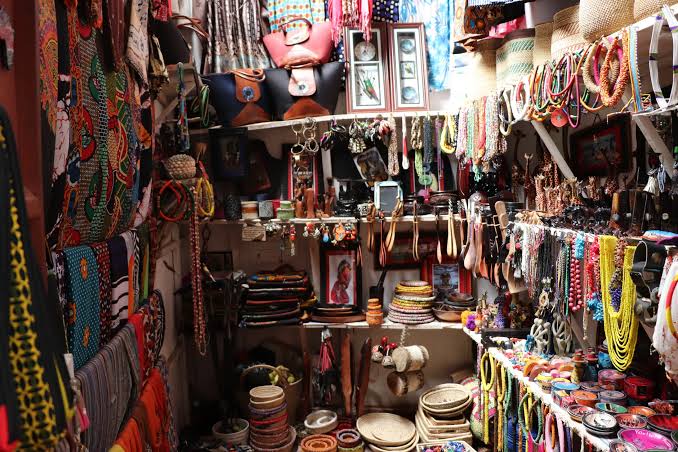
Beyond formal galleries, Nairobi’s craft and curio markets, including the well-known Maasai Market that rotates between several city locations on different days of the week, offer a considerably more informal, price-negotiable entry point into locally made art and craft, though the work sold there skews more toward tourist-oriented souvenirs than the individually authored contemporary art found in the city’s galleries. Buyers genuinely interested in supporting working artists directly, rather than intermediary sellers, generally find galleries and studio visits a more reliable route to understanding a specific piece’s authorship, technique, and context than a busy market stall transaction allows.
Visiting Nairobi’s Art Scene as a Traveler
A single day combining a morning at the Nairobi National Museum’s galleries with an afternoon stop at Circle Art Gallery or Kuona Trust gives visitors a genuinely well-rounded introduction to the city’s current creative output without requiring an extensive, multi-day gallery-hopping itinerary. Travelers with additional time or a particular interest in the city’s broader art infrastructure may want to extend that itinerary toward Karen’s gallery cluster or the GoDown Arts Centre, ideally timing a visit around a current exhibition opening or the Kuona Trust’s monthly Satos event when either happens to coincide with their trip. Asking gallery staff directly about a featured artist’s background and current work, rather than simply browsing in silence, tends to produce a far richer visit and often reveals connections between Nairobi’s gallery scene and the wider East African contemporary art world that a passive walk-through would never surface on its own.
Beyond Nairobi: A Regional Creative Network
Nairobi’s galleries increasingly function as part of a broader East African creative network rather than an isolated national scene, with artists, curators, and collectors moving between Nairobi, Kampala, and Kigali as the region’s contemporary art market matures and international attention grows. Visitors who encounter Nairobi’s gallery scene as part of a broader East African trip may find it useful to compare notes with Kampala’s own street art and gallery scene or Kigali’s growing design and fashion industry, both increasingly discussed alongside Nairobi as part of a genuinely regional, rather than purely national, conversation about East African contemporary creative output. Kenyan artists themselves regularly exhibit and collaborate across these neighboring scenes, and a growing number of regional art fairs, residencies, and joint exhibitions have deliberately encouraged this cross-border exchange, treating East Africa’s contemporary art world as a genuinely interconnected regional ecosystem rather than three or four separate national industries operating in isolation from one another.
Timing a Gallery Visit Around Nairobi’s Art Calendar
Nairobi’s gallery scene follows a genuine exhibition calendar rather than displaying a single static collection year-round, and travelers with flexible dates benefit from checking whether a major opening, the annual Circle Art auction, or a Kuona Trust Satos gathering coincides with their visit before finalizing an itinerary. Gallery openings in particular offer a noticeably richer experience than a routine daytime visit, since artists themselves are often present to discuss their work directly with visitors, and the informal, social atmosphere surrounding an opening night tends to reveal considerably more about the city’s actual creative community than a quiet solo walk through empty exhibition rooms during regular opening hours ever could.
Most galleries maintain active social media accounts announcing upcoming exhibitions well in advance, making it entirely practical to build a rough visit around a specific opening rather than leaving the timing to chance.