One Day in Kampala: A Practical Itinerary for First-Time Visitors
Kampala, Uganda’s capital city, offers an interesting mixture of history, culture, local food, religious landmarks and everyday city life. If you have just one day to explore, you can still experience several important attractions without spending your entire visit travelling between locations.
This one day Kampala city itinerary is designed for first-time visitors who want to discover Uganda’s capital at a comfortable pace. It includes historical sites, cultural experiences, traditional food, local markets and opportunities to meet residents.
Kampala is a busy city, and traffic can affect your schedule. Planning your route carefully, starting early and using reliable transport will help you make the most of your day.
Whether you are arriving before a Uganda safari or spending a short holiday in the capital, this guide explains where to go, what to expect and how to organise your time.
Overview of Your One Day Kampala City Itinerary
Kampala is built across several hills, each with its own history and character. The city has developed into Uganda’s main commercial and administrative centre while maintaining important connections with the Buganda Kingdom.
A successful city tour should balance sightseeing with enough time to enjoy local experiences.
You do not need to visit every attraction to understand Kampala. Choosing a few meaningful stops often creates a more enjoyable day.
Suggested Kampala City Tour Schedule
| Time | Activity | Suggested duration |
|---|---|---|
| 8:00 am | Breakfast and departure | 30 minutes |
| 8:30 am | Kasubi Royal Tombs | 1 hour |
| 10:15 am | Mengo and Lubiri Palace area | 1 hour |
| 12:00 pm | Traditional Ugandan lunch | 1 hour |
| 1:30 pm | Gaddafi National Mosque | 1 hour |
| 3:00 pm | Local market or craft shopping | 1 hour |
| 4:30 pm | Coffee and city reflections | 45 minutes |
| 5:30 pm | Return to your accommodation | Depends on traffic |
This schedule allows some travelling time, although actual journeys may take longer during busy periods.
Morning: Discover Kampala’s Royal History
8:00 am: Breakfast Before Exploring
Start your morning with breakfast at your hotel or a nearby restaurant.
A typical breakfast may include eggs, fresh fruit, tea, coffee, bread or chapati.
Uganda produces excellent coffee, particularly Arabica grown in highland regions and Robusta cultivated in lower-altitude areas.
If you enjoy coffee, trying locally grown Ugandan coffee is a pleasant way to begin your visit.
Carry drinking water and make sure your phone or camera is fully charged.
Leave your accommodation early enough to avoid the busiest morning traffic.
8:30 am: Visit Kasubi Royal Tombs
Kasubi Royal Tombs are among Kampala’s most important cultural attractions.
Located on Kasubi Hill, the site contains the burial grounds of four former kings of Buganda.
The tombs were recognised as a UNESCO World Heritage Site in 2001 because of their cultural importance and traditional architecture.
During your visit, a guide can explain the history of Buganda’s monarchy, royal customs and the significance of traditional buildings.
The main tomb structure, Muzibu-Azaala-Mpanga, is especially important because of its remarkable grass-thatched construction.
A fire damaged the structure in 2010, leading to extensive restoration work.
The restored site has resumed receiving visitors, although access arrangements should be confirmed before arrival.
Allow approximately one hour for your visit.
Dress modestly, respect sacred areas and ask permission before taking photographs.
10:15 am: Explore Mengo and Lubiri Palace
Continue towards Mengo, an area closely associated with the Buganda Kingdom.
Lubiri Palace, also known as Kabaka’s Palace, is one of the important landmarks connected with Buganda’s royal history.
The palace grounds and surrounding area help explain the relationship between Uganda’s traditional institutions and its modern political development.
Guided visits may include historical explanations of the monarchy and Uganda’s political past.
The grounds also contain sites associated with difficult periods in the country’s history.
Approach these places respectfully, particularly when learning about political violence and imprisonment.
What You Can Learn at Mengo
A cultural guide may explain:
-
The traditional responsibilities of the Kabaka
-
The historical importance of Buganda’s royal residences
-
The relationship between Buganda and Uganda’s national government
-
Important events during Uganda’s post-independence history
-
The role of cultural institutions in modern Uganda
You may also see the impressive Bulange building, which houses the Buganda Kingdom’s parliament, along Kabaka Anjagala Road.
Access to particular buildings depends on official arrangements.
Midday: Enjoy Traditional Ugandan Food
12:00 pm: Stop for Lunch
After exploring Kampala’s royal history, take a break and enjoy traditional Ugandan food.
Kampala has restaurants serving local dishes alongside international meals.
For an authentic experience, choose a reputable restaurant offering freshly prepared Ugandan food.
One popular meal is matoke, prepared using steamed green cooking bananas.
Matoke is commonly served with groundnut sauce, beef stew, chicken or beans.
Other dishes worth trying include:
-
Luwombo: Meat, chicken or groundnuts traditionally cooked in banana leaves.
-
Posho: A firm maize meal commonly served with beans or meat.
-
Chapati: A soft flatbread enjoyed throughout Uganda.
-
Rice and beans: A familiar meal available in many local restaurants.
-
Fresh tilapia: Popular around Lake Victoria and in Kampala restaurants.
If you enjoy street food, you may encounter a rolex, a chapati rolled around an omelette with vegetables.
Choose a busy stall where food is prepared fresh.
Allow approximately one hour for lunch.
Afternoon: Explore Kampala’s Religious Heritage
1:30 pm: Visit Gaddafi National Mosque
The Gaddafi National Mosque, also called Uganda National Mosque, stands on Old Kampala Hill.
It is one of the city’s most recognisable religious landmarks.
The mosque is associated with Uganda’s Muslim community and features impressive architecture, large prayer spaces and a prominent minaret.
Visitors can generally arrange guided tours, although access may be restricted during prayers or religious activities.
Climbing the Mosque Minaret
One of the main attractions is the opportunity to climb the minaret.
The staircase involves several hundred steps, making it suitable for visitors comfortable with sustained climbing.
At the top, you can enjoy panoramic views over Kampala.
Your guide may point out important landmarks and explain how the city developed across its hills.
The viewpoint is especially interesting for visitors who want to understand Kampala’s geographical layout.
Dress Code and Visiting Etiquette
You should dress respectfully when entering the mosque.
Visitors may need to cover their shoulders and legs, while women may be asked to cover their hair.
Suitable coverings may be available at the entrance.
Remove your shoes where instructed and avoid disturbing worshippers.
Confirm tour availability before travelling, particularly on Fridays and religious holidays.
3:00 pm: Experience Kampala’s Markets
Markets are an important part of daily life in Kampala.
They offer opportunities to observe local businesses, discover Ugandan products and interact with traders.
For first-time visitors, choosing a manageable market experience is better than trying to explore several crowded trading areas.
Visit a Craft Market
Kampala has craft-selling areas where visitors can purchase souvenirs made in Uganda and elsewhere in East Africa.
Common products include woven baskets, jewellery, wooden carvings, fabrics, paintings and handmade decorations.
Some stalls sell bark-cloth items associated with Buganda’s traditional craftsmanship.
Take time to examine the products and ask sellers about their origins.
Prices may be negotiable, but bargaining should remain polite.
Exploring a Busy Local Market
If you prefer seeing everyday commercial activity, you can visit a larger market with a local guide.
These markets sell clothing, household goods, fresh produce and other everyday products.
They can become crowded, particularly during afternoons.
Keep your belongings secure and avoid displaying expensive equipment unnecessarily.
Always ask permission before photographing traders or customers.
A guided market visit lasting 30 to 60 minutes is usually sufficient for a first experience.
4:30 pm: Relax With Ugandan Coffee
After several hours of sightseeing, stop at a café for refreshments.
Kampala has a growing café culture, with coffee shops serving Ugandan beans prepared using different brewing methods.
You can try espresso, cappuccino or freshly brewed coffee.
If you prefer something lighter, order tea, fresh juice or a soft drink.
This break gives you time to review your photographs and discuss the places you visited.
It also provides flexibility if earlier activities took longer than expected.
5:30 pm: Return to Your Accommodation
Begin your return journey before the evening becomes too busy.
Kampala experiences considerable traffic during the late afternoon and early evening.
A journey that takes 20 minutes during quiet periods may take considerably longer during rush hour.
If your accommodation is in Entebbe, allow extra time because the journey involves travelling outside Kampala.
Avoid scheduling a flight departure immediately after your city tour without a suitable travel buffer.
Practical Planning Notes for Kampala Visitors
Planning carefully can make your day more comfortable.
Getting Around Kampala
Private transport with an experienced driver is generally the most convenient option for first-time international visitors.
Ride-hailing services are also available, although arranging several separate journeys can consume valuable time.
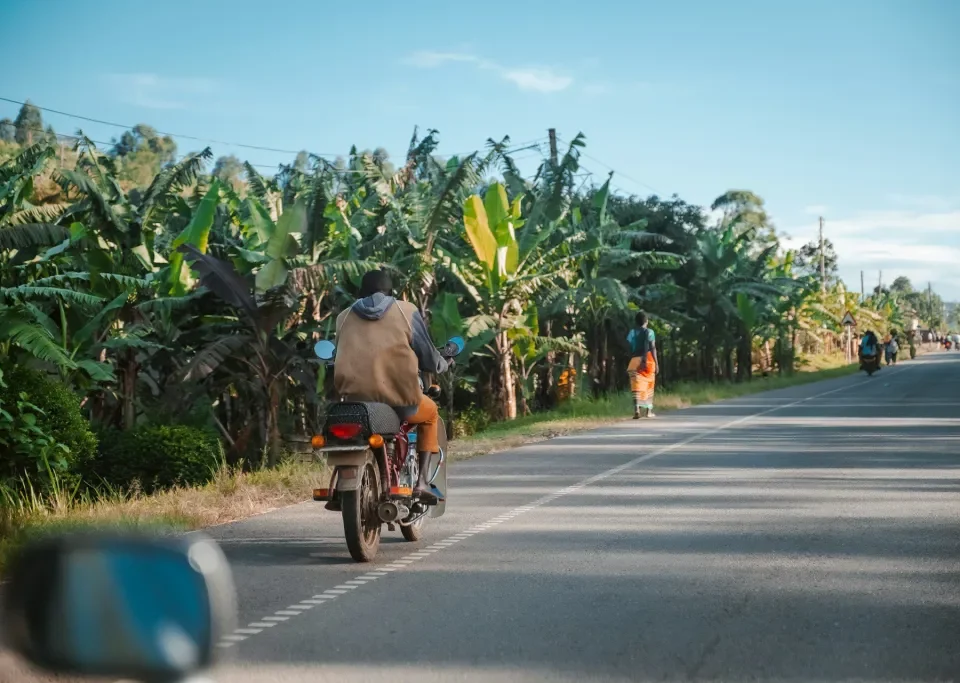
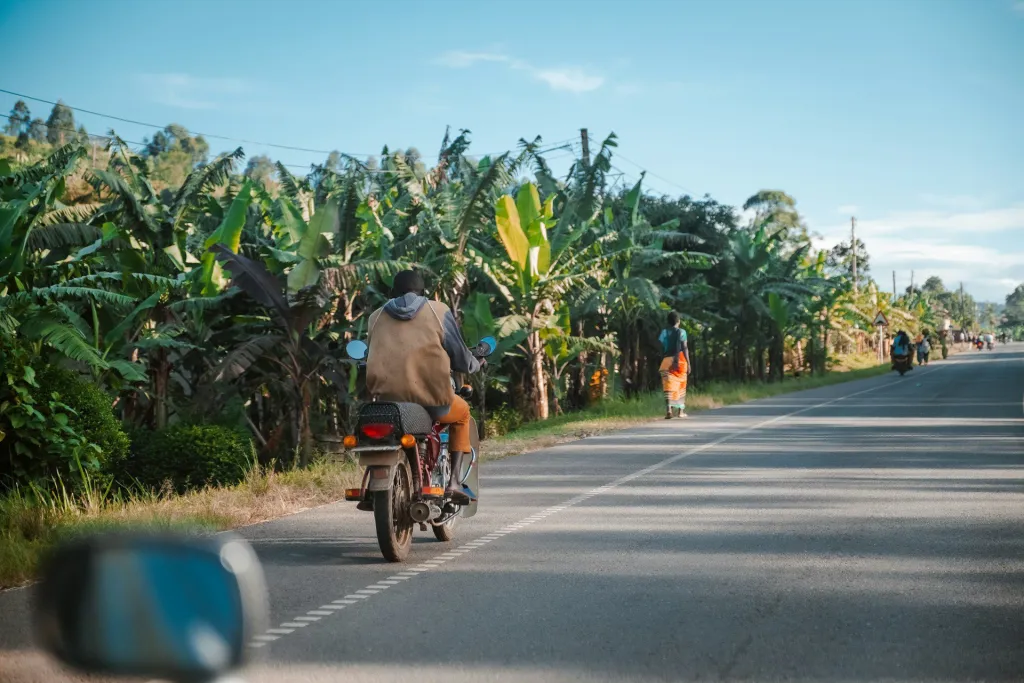
Motorcycle taxis, commonly called boda bodas, are widely used, but road safety conditions vary.
If you choose motorcycle transport, use a reputable provider that supplies a proper helmet.
Walking is suitable around some attractions, although pedestrian conditions differ considerably between neighbourhoods.
What to Carry
Pack lightly because you will spend much of the day moving between attractions.
Useful items include:
-
Comfortable walking shoes
-
Drinking water
-
Sunscreen
-
A light rain jacket
-
A charged mobile phone
-
Small amounts of Ugandan shillings
-
Your camera
-
A small daypack
Keep valuable belongings close to your body in crowded places.
Budgeting for Your Visit
Your total spending depends on transport, attraction admission charges, meals and guiding arrangements.
| Expense | Planning advice |
|---|---|
| Transport | Request a full-day quotation |
| Attraction fees | Confirm current charges beforehand |
| Lunch | Choose according to your budget |
| Guiding | Ask whether fees are included |
| Shopping | Carry a separate personal allowance |
Avoid relying on outdated entrance prices because charges can change.
Frequently Asked Questions
Is one day enough to explore Kampala?
One day is sufficient to experience several important attractions, enjoy Ugandan food and gain an introduction to the city.
However, visitors interested in museums, religious landmarks and traditional culture may benefit from spending two days.
Is Kampala safe for tourists?
Many visitors explore Kampala successfully, especially with experienced local guides.
Use normal city precautions, protect your valuables and avoid unfamiliar areas late at night.
Follow local advice when travelling.
What is the best time to visit Kampala?
Kampala can be visited throughout the year.
The relatively drier periods between December and February and June and August may provide more comfortable sightseeing conditions.
Rain remains possible in any month.
Can I explore Kampala without a guide?
Yes, although a guide can help you understand historical attractions, manage transport and communicate with local communities.
A guide is particularly useful when visiting cultural institutions.
Combining Your Kampala Tour With Other Experiences
Kampala is a practical starting point for several Uganda adventures.
If you have another day available, consider visiting Mabamba Swamp near Lake Victoria to search for the shoebill.
Travellers heading north towards Murchison Falls National Park can also include Ziwa Rhino Sanctuary in their wider safari plans.
These experiences require separate planning and should not be added casually to an already full Kampala sightseeing day.
Who Suits This Itinerary?
This itinerary is suitable for first-time visitors, couples, families and travellers spending a short period in Uganda’s capital.
Most activities involve limited walking, although the mosque minaret requires additional physical effort.
Visitors with mobility difficulties can skip the climb and concentrate on accessible cultural experiences.
You can adjust the schedule according to your interests, energy levels and available time.
Spending one day in Kampala gives you a useful introduction to Uganda’s cultural heritage, religious traditions and everyday life.
By visiting Kasubi Tombs, exploring Mengo, enjoying local food and discovering Old Kampala, you can experience several important aspects of the capital.
Start early, allow time for traffic and remain flexible throughout the day.
A comfortable schedule will give you more opportunities to appreciate Kampala and enjoy meaningful experiences with local people.