
Packing Cubes and Duffel Bags: What Actually Fits a Gorilla Safari
Given how genuinely varied gorilla trekking itineraries can be, combining domestic flights with limited luggage allowances, extended overland drives, and the actual physical demands of forest trekking itself, choosing the right luggage genuinely matters more than many first-time travellers initially expect it to. This guide covers exactly what luggage types, packing cubes, duffel bags, and daypacks, genuinely work best for a gorilla safari, and how to pack efficiently within realistic space and weight constraints throughout the trip.
Why Soft-Sided Duffel Bags Genuinely Outperform Hard Suitcases
Soft-sided duffel bags genuinely represent the standard, widely recommended luggage choice for gorilla safaris, since their flexible construction genuinely compresses more easily into small aircraft cargo holds and safari vehicle storage compartments than rigid hard-shell suitcases, which often simply don’t fit properly within these considerably more constrained storage spaces.
How Domestic Flight Luggage Restrictions Shape Bag Choice
Given how genuinely strictly small domestic aircraft serving Bwindi’s airstrips enforce weight and size limits, travellers should genuinely choose duffel bags specifically sized to meet these precise restrictions, since a bag genuinely too large simply won’t fit at all, regardless of how far under the weight limit its actual contents remain.
Why Packing Cubes Genuinely Improve Organization
Packing cubes genuinely help travellers organize clothing and gear systematically within a duffel bag’s otherwise less structured interior, making it considerably easier to locate specific items without unpacking absolutely everything, particularly valuable during multi-stop itineraries involving frequent repacking sessions.
How to Choose Appropriately Sized Packing Cubes
Travellers should genuinely select packing cube sizes carefully proportional to their duffel bag’s overall dimensions, typically using larger cubes for bulkier items like clothing and smaller cubes for accessories, electronics cables, and toiletries requiring more granular, careful organization.
What Genuinely Fits Within Typical Weight Restrictions
Given domestic flight weight limits often set around fifteen kilograms including hand luggage, travellers should genuinely pack strategically, prioritizing versatile, layerable clothing over bulky single-purpose items that consume disproportionate weight and space allowance overall.
Daypack Considerations for the Actual Trekking Day
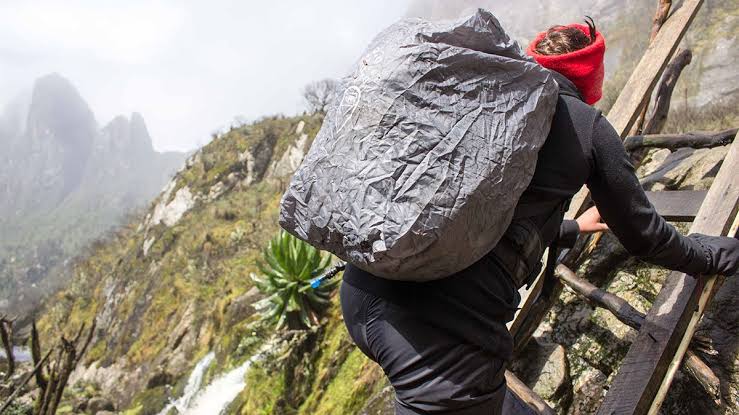
Beyond the main luggage, travellers genuinely need a separate, comfortable daypack specifically for the actual trekking day itself, carrying water, rain gear, camera equipment, and snacks, distinct from the larger duffel bag that genuinely remains behind at the lodge during the hike.
Why Waterproof or Water-Resistant Bags Genuinely Matter
Given Bwindi’s genuine rainfall unpredictability, travellers should genuinely choose water-resistant duffel bags and daypacks, or use waterproof liners and covers, protecting clothing and equipment from moisture during transport and the actual trekking activity itself.
How Compression Sacks Complement Packing Cubes
Beyond standard packing cubes, compression sacks genuinely help travellers reduce bulky items like sleeping bags or extra clothing layers into meaningfully smaller volumes, particularly useful for maximizing limited duffel bag space on weight-restricted domestic flights.
What to Avoid Packing in Hard-Sided Cases
Travellers should genuinely avoid bringing hard-sided suitcases for the actual gorilla trekking portion of their trip, since these rigid cases don’t compress into tight cargo spaces and can create genuine logistical complications at small domestic airstrips with limited storage capacity.
How Many Bags Travellers Should Genuinely Bring
Most experienced gorilla trekking travellers genuinely recommend limiting luggage to one main duffel bag plus one daypack per person, avoiding excessive additional bags that complicate transport logistics across multiple transfer points throughout a typical itinerary.
Packing Cube Color-Coding for Faster Organization
Some travellers genuinely find color-coding different packing cubes by category, clothing, electronics, toiletries, meaningfully speeds up locating specific items during a trip, particularly useful when unpacking and repacking frequently across a multi-stop itinerary.
How to Balance Packing Light With Genuine Trip Needs
While minimizing luggage genuinely matters given weight restrictions, travellers should still ensure they pack appropriate rain gear, layers, and trekking equipment discussed elsewhere in trip preparation, balancing minimalism against genuinely essential gorilla trekking requirements.
Storage Options for Items Not Needed During Trekking
Most lodges genuinely offer secure storage for larger luggage or items not needed during the actual trekking day, allowing travellers to carry only their essential daypack into the forest while leaving bulkier belongings safely stored at their accommodation.
How Laundry Access Affects Overall Packing Volume
Given some lodges genuinely offer laundry services, travellers can pack somewhat lighter than a strict day-by-day calculation might suggest, planning to have clothing washed partway through longer itineraries rather than packing entirely fresh outfits for every single day.
How Bag Size Should Match Your Specific Trip Duration
Travellers should genuinely match their duffel bag size to their actual trip length, since a bag sized for a two-week multi-country itinerary genuinely proves unnecessarily large and heavy for a shorter three or four day dedicated gorilla trekking trip, wasting valuable weight allowance on empty space.
Why Separating Trekking Gear From General Clothing Helps
Travellers should genuinely consider dedicating one packing cube specifically to trekking-day items, rain gear, gaiters, extra socks, allowing quick access to everything needed for the actual trekking morning without rummaging through cubes containing evening or travel-day clothing instead.
How Fabric Durability Affects Duffel Bag Longevity
Travellers should genuinely choose duffel bags made from ripstop nylon or similarly durable fabric, since standard trip handling, frequent loading and unloading from vehicles and small aircraft, genuinely stresses luggage more than typical airport-only travel, making durability a worthwhile consideration beyond simple size and weight.
Why Bright or Distinctive Bag Colors Genuinely Help
Given how many similar-looking duffel bags travellers bring on group safaris, choosing a genuinely distinctive color or attaching a memorable luggage tag helps avoid confusion when multiple bags get loaded together into shared vehicle storage or small aircraft cargo holds.
How Zipper Quality Affects Overall Bag Reliability
Travellers should genuinely inspect zipper quality before purchasing a duffel bag specifically for this trip, since a failed zipper in a remote location presents considerably more inconvenience than the same failure might create during more conventional travel with easier repair or replacement access.
Packing Cube Material Considerations for Humid Conditions
Given Bwindi’s genuinely humid forest environment, travellers should consider packing cubes made from mesh or breathable material rather than fully sealed plastic, allowing some air circulation that helps prevent musty odors developing in stored clothing during longer, more humid stays.
How Rolling Duffel Bags Compare to Standard Shoulder-Strap Versions
Some duffel bags genuinely include retractable wheels and handles, offering easier maneuvering through airports, though travellers should confirm this added hardware doesn’t meaningfully increase overall bag weight or bulk beyond what small aircraft luggage restrictions can accommodate.
How Combining Cubes With a Duffel Bag’s Internal Compartments Helps
Many quality duffel bags genuinely include internal pockets and compartments beyond the main space, and using these features alongside packing cubes creates an even more organized system, dedicating specific pockets to frequently needed items like passports or chargers for quicker access.
Common Questions About Gorilla Safari Luggage
Travellers often ask whether packing cubes are genuinely necessary or simply a nice-to-have organizational tool, and while not strictly essential, most travellers who use them report meaningfully easier packing and unpacking throughout a multi-stop itinerary, making the modest investment genuinely worthwhile. Another common question concerns whether checked luggage restrictions apply to international flights arriving in Uganda or Rwanda, and travellers should confirm both international and any domestic flight restrictions separately, since these often differ considerably in their specific allowances.
How to Test-Pack Before Your Actual Departure Date
Travellers should genuinely conduct a full test pack at home well before departure, weighing the completed duffel bag to confirm it meets domestic flight restrictions rather than discovering an overweight bag only at the airport counter with limited options for last-minute adjustment.
Why Investing in Quality Luggage Pays Off Long-Term
Travellers who invest in genuinely durable, well-designed duffel bags and packing cubes for their gorilla safari often find this equipment serves them well on future trips beyond this specific safari, making the upfront cost a worthwhile long-term investment rather than a single-use expense.
How Repeat Trekkers Refine Their Luggage Choices Over Time
Travellers who have completed multiple gorilla treks often genuinely refine their duffel bag and packing cube choices based on prior experience, learning specifically which items proved unnecessary weight and which genuinely earned their place across subsequent, increasingly efficient packing attempts.
Planning Your Gorilla Safari Packing Strategy
Given how much appropriate luggage choice genuinely affects overall trip logistics, working with an operator who provides clear guidance on domestic flight restrictions and recommended bag types helps ensure travellers pack efficiently for their specific itinerary. Done well, choosing the right duffel bag, packing cubes, and daypack combination removes unnecessary logistics stress, letting travellers focus entirely on their extraordinary gorilla trekking experience ahead rather than wrestling with oversized, awkward luggage at every transfer point.
How Group Travellers Can Coordinate Luggage Standards Together
Travellers organizing group trips genuinely benefit from communicating consistent luggage guidelines to all members in advance, ensuring the entire group’s bags meet domestic flight restrictions rather than discovering mismatched expectations only after arriving at the airstrip check-in counter.
Recommended Tours: 2 Days Rwanda Gorilla Trekking Safari | 3 Days Rwanda Gorilla Trekking for Beginners