Ask most travelers to name a Tanzanian island and Zanzibar answers before the question finishes. Fewer mention Pemba Island, lying roughly fifty kilometers north across the Pemba Channel, even though it belongs to the same archipelago and shares much of the same Swahili coastal culture. That relative obscurity is precisely what draws a small but devoted stream of divers, birders, and travelers who have already done Zanzibar’s beaches and Stone Town’s alleys and want somewhere quieter to go next.
A Different Shape, A Different Pace
Geologically, Pemba is not a coral-fringed sandbank like much of Unguja, Zanzibar’s main island. It rose from a submerged fragment of continental crust, giving it a hillier, greener profile carved by deep, narrow creeks and mangrove-lined inlets rather than long open beaches. Locals have long called it Jazirat al Khadra, the Green Island, a nod to the dense clove and coconut plantations that cover much of its interior and that once made Pemba, alongside Zanzibar, the source of most of the world’s clove supply. That agricultural legacy still shapes daily life; small farms and fishing villages outnumber resorts by a wide margin, and the pace of the island reflects it. Where Zanzibar’s southern and northern beach strips have grown steadily more developed over the past two decades, Pemba remains a place where a traveler can drive for an hour and pass more goats than hotels.
The island’s main town, Chake Chake, sits roughly at its center and serves as the administrative hub, with the smaller settlements of Wete in the north and Mkoani in the south handling most of the ferry and air traffic. None of the three could be called a tourist town in the way Stone Town is; they function first as working Zanzibari towns, with markets, mosques, and harbors that carry on largely unaffected by the visitors passing through.
World-Class Diving Without the Crowds
Pemba’s reputation among the travelers who do know it rests almost entirely on what lies beneath the channel surrounding it. The island is fringed by a steep drop-off where the shallow coastal shelf gives way abruptly to deep water, creating dramatic wall dives with visibility that regularly exceeds thirty meters, among the clearest conditions found anywhere along the East African coast. Misali Island, a small uninhabited islet off Pemba’s west coast protected as a conservation area, anchors much of the diving scene, with reef systems supporting turtles, reef sharks, and a density of coral and fish life that has drawn comparisons to dive sites much further afield in the Indian Ocean.
Because Pemba never developed the resort infrastructure that transformed parts of Zanzibar, its dive operations remain small-scale, typically run out of a handful of lodges rather than large commercial outfits. That keeps boat traffic light and dive sites uncrowded, an increasingly rare quality along an Indian Ocean coastline that has seen diving tourism expand rapidly elsewhere. Manta ray sightings occur seasonally in the channel, and the wall dives around Misali and the Njao Gap, a dramatic channel cutting through the reef on the island’s northern tip, rank among the more technically interesting dive sites in the region for experienced divers comfortable with current.
What Divers Should Know Before Booking
Pemba’s currents can run strong, particularly around the channel dive sites, and the island’s remoteness means decompression chamber access is limited compared with more developed dive destinations. Operators here generally cater to intermediate and advanced divers for that reason, and travelers newer to diving are usually better served building experience elsewhere before tackling Pemba’s more demanding sites.
Clove Plantations and a Working Agricultural Landscape
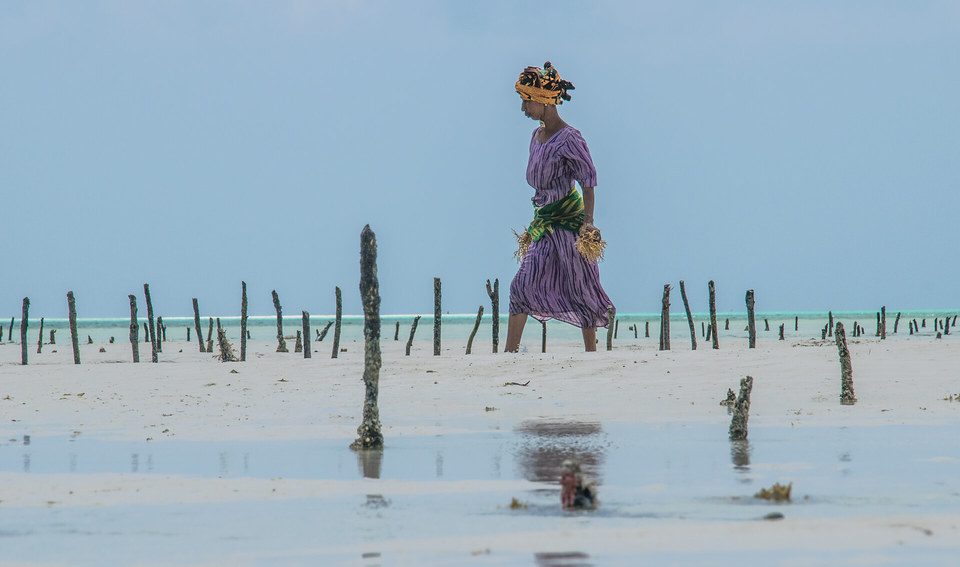
Away from the coast, Pemba’s interior tells a different story than its beaches. Clove trees, introduced to Zanzibar and Pemba in the early nineteenth century, still cover large stretches of the island, and Pemba in particular has remained one of the world’s more significant clove producers even as global demand and pricing have shifted over the decades. Walking through a working plantation during harvest season, typically from July through February depending on rainfall patterns, offers a very different cultural experience than the more curated spice tours available on Zanzibar’s main island, since Pemba’s plantations function primarily as livelihoods rather than tourist attractions, with guided visits arranged more informally through local farmers or small lodges rather than organized tour companies.
The island’s cuisine and daily rhythms reflect this agricultural identity, and travelers who spend a few days here often come away with a clearer sense of the Swahili coast’s working culture than a short Zanzibar stopover typically provides.
Ras Kigomasha and the Lighthouse Coast
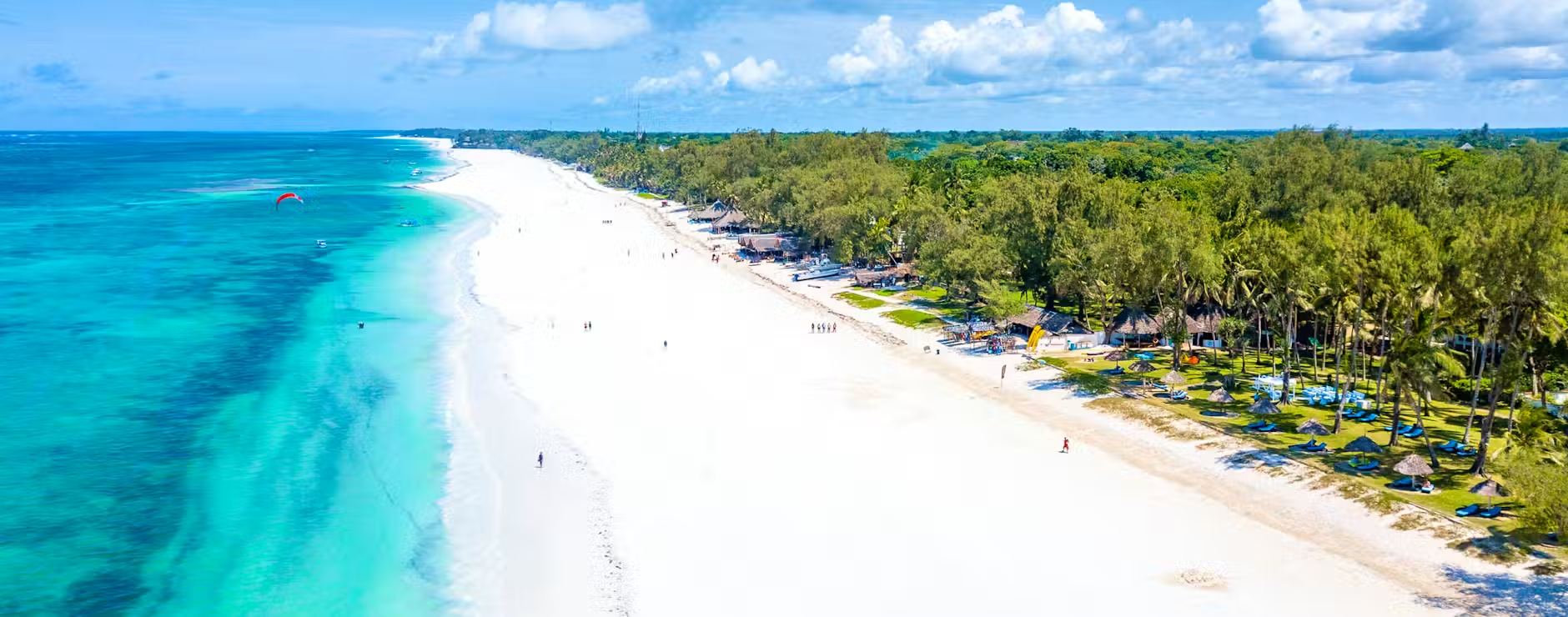
At Pemba’s northern tip, the Ras Kigomasha peninsula stretches out toward a colonial-era lighthouse still in operation, framed by some of the island’s better beaches and a scattering of small, low-key lodges built for travelers who want isolation rather than amenities. The peninsula’s beaches lack the powder-white sand that draws crowds to Zanzibar’s Nungwi and Kendwa, trading that for a wilder, less manicured coastline backed by baobab trees and dense coastal scrub. Snorkeling directly off the beach here can be productive, and the surrounding waters see less boat traffic than almost anywhere comparable on Zanzibar itself.
Ngezi Forest and Pemba’s Endemic Wildlife
Pemba’s isolation from mainland Tanzania, separated by a deeper channel than the one dividing Zanzibar from the coast, has produced a handful of species found nowhere else on Earth. The Pemba flying fox, a large fruit bat with a wingspan approaching two meters, roosts in the remaining forest patches, most notably within Ngezi Forest Reserve on the island’s northwestern edge, one of the last significant blocks of the natural forest that once covered much of Pemba before clove cultivation expanded. The Ngezi reserve also shelters the Pemba scops owl and several other bird species restricted to the island, making it a worthwhile stop for birders even on a short visit, with guided walks available through the reserve’s small ranger station.
Pujini Ruins and a Deeper Swahili History
Long before clove trees arrived from the Maluku Islands, Pemba was already an important node in the Indian Ocean trading network that linked the Swahili coast to Arabia, Persia, and India. The Pujini Ruins, south of Chake Chake, mark the remains of a fortified settlement believed to date to the fourteenth or fifteenth century, associated in local oral history with a ruler remembered as Mohammed bin Abdulrahman, sometimes called Mkame Ndume, whose harsh methods of forcing construction labor have become part of island folklore. The ruins themselves are modest compared with grander Swahili sites elsewhere on the coast, low coral-stone walls now half reclaimed by vegetation, but the setting away from any organized tourism circuit gives a visit a sense of genuine discovery rare on more heavily marketed heritage sites. Further north, the ruins at Ras Mkumbuu, on a narrow peninsula west of Chake Chake, include the remains of a mosque and tombs dated to a similar period, reachable mainly by boat or a long walk along the peninsula’s spine, and rarely visited by more than a handful of travelers in a given month.
These sites receive nothing like the restoration or interpretive infrastructure found at Stone Town’s protected monuments, and visitors should arrive with realistic expectations about signage and access. What they offer instead is context: a reminder that Pemba’s role in regional trade and Islamic culture along the Swahili coast predates the clove economy by centuries, and that the island’s quiet character today follows a much longer and more layered history than its current reputation as an off-the-radar diving destination suggests.
Food, Markets, and Everyday Pemba
Pemba’s food culture leans heavily on what the island and surrounding waters produce directly: reef fish and octopus grilled or stewed in coconut sauce, cassava and rice as staples, and the ubiquitous influence of the very cloves, cardamom, and cinnamon the island has exported for generations. Market days in Chake Chake and Wete draw farmers and fishermen from surrounding villages, and wandering either market offers a more unfiltered look at daily commerce than the more tourist-oriented Darajani Market in Zanzibar’s Stone Town. Seafood is typically the freshest and most reliable choice for visitors, landed the same morning it is served in most of the smaller guesthouses and lodges dotted along the coast.
Ramadan, observed widely across the predominantly Muslim island, shifts the rhythm of daily life noticeably, with reduced daytime activity in towns and different opening hours at shops and eateries; travelers visiting during this period should plan meals and expectations accordingly, and dress modestly throughout the island regardless of season, in keeping with local custom.
Getting to Pemba and Practical Considerations
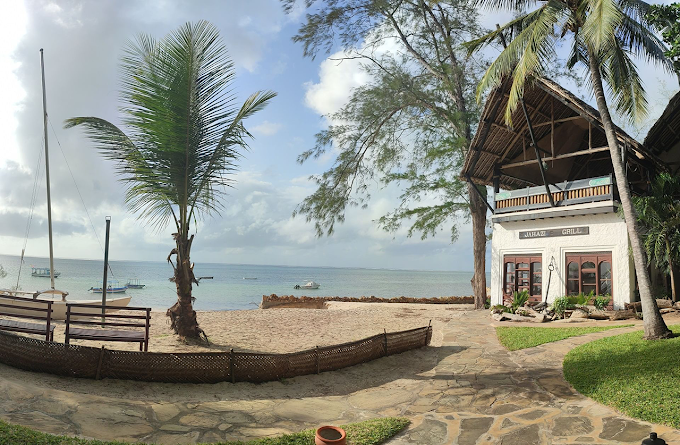
Pemba is reachable by regular short flights from both Zanzibar’s Stone Town and Dar es Salaam, a routing most visitors use given the alternative ferry crossing’s longer duration and more variable comfort. Infrastructure on the island remains considerably more basic than Zanzibar’s, with fewer paved roads, more limited electricity reliability in outlying areas, and a smaller pool of English-speaking guides, all factors that reward travelers who arrive with some flexibility built into their plans. Accommodation options run from a handful of small dive-focused lodges to more basic guesthouses in the main towns, with nothing resembling Zanzibar’s large beach resorts currently operating on the island.
Most visitors treat Pemba as an add-on to a broader Zanzibar or mainland Tanzania trip rather than a standalone destination, typically spending three to five days after time in Stone Town or following a mainland safari. That pairing makes practical sense given the short flight connections, and travelers coming from a northern circuit safari through the Serengeti or Ngorongoro often route through Zanzibar on the way home, with Pemba available as a quieter extension for those who want to add diving or simply more solitude before departure. The island’s remoteness is worth weighing honestly: travelers seeking nightlife, extensive dining options, or resort amenities will find Zanzibar’s main island a better fit, while those drawn to slower travel, serious diving, and a working rather than curated version of Swahili coastal life tend to leave Pemba as some of its more enthusiastic advocates.
Currency, connectivity, and medical facilities all lag behind mainland Tanzania and Zanzibar’s main island, so travelers should plan accordingly, carrying sufficient cash and confirming any specific medical or dietary needs with their lodge in advance. Conservation authorities on Pemba, working with organizations focused on the flying fox and Ngezi Forest, continue to monitor the balance between the island’s growing but still modest tourism sector and its fragile forest remnants, a balance that has so far kept Pemba’s development considerably slower and more deliberate than its more famous neighbor.