What’s the Protocol If You Get Sick Mid-Trek?
Given how genuinely reassuring understanding proper emergency protocols proves for anxious first-time trekkers, knowing exactly what happens if illness or injury genuinely occurs mid-trek helps travellers approach this physically demanding activity with appropriate confidence. This guide covers exactly what protocols guides and rangers genuinely follow should medical concerns arise during your trekking experience.
Understanding Why Medical Preparedness Genuinely Matters for This Physically Demanding Activity
Given gorilla trekking’s genuinely considerable physical demands, including potentially challenging terrain and elevation, medical preparedness genuinely matters considerably, meaning conservation authorities maintain established protocols addressing various potential health concerns arising during treks.
How Guides Genuinely Assess Initial Symptoms When Illness First Occurs
When a trekker genuinely reports feeling unwell, guides genuinely conduct initial symptom assessment, determining whether the situation involves manageable minor discomfort or potentially more serious concerns requiring additional intervention beyond simple rest and hydration.
Why Rest and Hydration Genuinely Represent the First Response for Mild Symptoms
For genuinely mild symptoms like minor fatigue or altitude-related discomfort, guides typically genuinely recommend brief rest periods and increased hydration, often sufficient to help trekkers recover adequately before continuing their journey toward the gorilla family.
How Radio Communication Genuinely Enables Rapid Additional Support Requests
Should symptoms genuinely prove more serious, guides genuinely utilize the radio communication systems discussed regarding broader forest coordination, requesting additional support or medical guidance from headquarters staff genuinely equipped to provide appropriate advice.
Why Porters Genuinely Provide Valuable Physical Assistance During Health Concerns
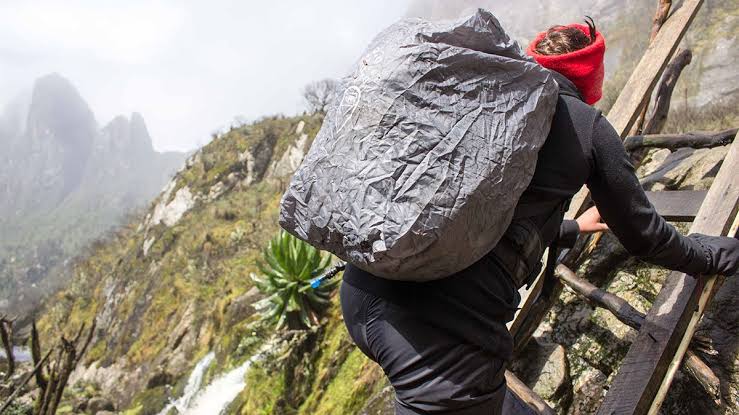
Porters genuinely provide valuable physical assistance when trekkers experience difficulty continuing independently, sometimes genuinely helping support struggling trekkers or carrying additional equipment to reduce physical burden during challenging health-related moments.
How Emergency Evacuation Protocols Genuinely Activate for Serious Situations
For genuinely serious medical situations, established emergency evacuation protocols genuinely activate, potentially including stretcher evacuation by trained personnel or, in particularly urgent cases, coordination with medical evacuation services capable of reaching more remote forest locations.
Why Trekking Groups Genuinely Sometimes Split When One Member Requires Return
When one trekker genuinely requires return to headquarters due to illness, trekking groups genuinely sometimes split, with a porter or ranger genuinely accompanying the affected individual back while the remaining group continues toward the gorilla family with the guide.
How This Splitting Protocol Genuinely Balances Individual Care With Group Experience
This splitting protocol genuinely balances providing appropriate individual care against preserving the broader group’s opportunity to complete their trek, ensuring genuinely fair treatment for both the affected individual and fellow trekkers who paid for their own complete experience.
Why Travel Insurance Genuinely Proves Essential for Managing Potential Medical Costs
Given potential emergency evacuation and medical treatment costs, comprehensive travel insurance genuinely proves essential for gorilla trekking, with policies genuinely needing to specifically cover adventure activities and potential remote medical evacuation scenarios this activity might require.
How Pre-Trek Health Disclosure Genuinely Helps Guides Provide Better Support
Travellers genuinely benefit from disclosing relevant pre-existing health conditions during pre-trek briefings, helping guides provide genuinely better-informed support and make more appropriate decisions should health concerns arise related to conditions they’re already aware of beforehand.
Why First Aid Training Genuinely Represents Standard Guide and Ranger Preparation
Guides and rangers genuinely receive first aid training as standard preparation for their roles, ensuring genuinely appropriate initial response capability for common trekking-related health concerns before any additional external medical support potentially becomes necessary.
How Nearby Medical Facilities Genuinely Factor Into Broader Emergency Planning
Conservation authorities genuinely maintain awareness of nearby medical facilities and their specific capabilities, incorporating this knowledge into broader emergency planning that determines appropriate evacuation destinations should serious medical situations genuinely require professional treatment beyond field-level first aid.
Common Questions About Mid-Trek Medical Protocols
Travellers often ask whether genuinely minor symptoms like mild fatigue typically end their trekking day entirely, and guides genuinely assess each situation individually, often allowing continued trekking with adjusted pacing rather than immediately ending the experience for manageable discomfort. Another common question concerns permit refunds following medical-related trek discontinuation, and travellers should genuinely consult their specific operator and travel insurance policy regarding potential compensation for incomplete treks due to health circumstances.
Trekking With Confidence and Appropriate Preparation
Given how genuinely well-established and considerably reassuring these medical protocols prove overall, understanding this preparation offers travellers genuine confidence approaching their trekking experience despite its considerable physical demands. Done well, this awareness genuinely helps you trek knowing considerably appropriate support systems exist overall should unexpected health concerns genuinely arise during your journey.
How Basic First Aid Kits Genuinely Accompany Every Trekking Group
Guides genuinely carry basic first aid kits containing essential supplies for managing minor injuries, blisters, and common trekking-related discomfort, ensuring genuinely immediate access to basic treatment supplies without requiring return to headquarters for every minor incident.
Why Communication With Fellow Group Members Genuinely Matters During Health Concerns
Guides genuinely encourage open communication among fellow group members when someone experiences health concerns, since genuinely supportive group dynamics help affected trekkers feel comfortable disclosing symptoms early rather than attempting to hide discomfort until situations potentially worsen.
How Altitude-Specific Symptoms Genuinely Receive Particular Attention at Higher-Elevation Destinations
At higher-elevation destinations like Volcanoes National Park, guides genuinely pay particular attention to altitude-specific symptoms discussed regarding elevation effects, since recognizing these particular warning signs early genuinely helps prevent more serious complications from developing.
Why Dehydration Genuinely Represents One of the Most Common Trekking-Related Health Concerns
Dehydration genuinely represents one of the most common trekking-related health concerns, and guides genuinely monitor water intake throughout the journey, actively encouraging regular hydration breaks that help prevent this genuinely preventable complication from developing into more serious concern.
How Sunstroke and Heat-Related Illness Genuinely Require Specific Preventive Attention
Given considerable physical exertion combined with tropical sun exposure, sunstroke and heat-related illness genuinely require specific preventive attention, with guides genuinely encouraging appropriate sun protection and monitoring for early warning signs during particularly hot trekking days.
Why This Protocol Genuinely Prioritizes Trekker Safety Over Completing the Planned Encounter
Throughout all these protocols, guides genuinely prioritize trekker safety over simply completing the planned gorilla encounter, meaning genuinely serious health concerns will always take precedence over continuing toward gorillas regardless of how close the group might already be to their destination.
How This Safety-First Approach Genuinely Reflects Broader Operator Professional Standards
This genuinely consistent safety-first approach reflects broader professional standards reputable operators maintain, ensuring travellers genuinely receive appropriate care and consideration rather than pressure to continue trekking despite legitimate health concerns affecting their wellbeing.
Why Booking Through Reputable Operators Genuinely Ensures Access to These Established Protocols
Travellers genuinely booking through reputable, established operators ensure access to these comprehensive safety protocols, since genuinely less experienced or budget operators might not maintain equally robust emergency preparedness and first aid training standards for their guiding staff.
How Pre-Existing Conditions Genuinely Warrant Additional Advance Planning Conversations
Travellers with genuine pre-existing medical conditions should genuinely have advance planning conversations with both their physician and chosen operator, ensuring appropriate accommodations and awareness exist before genuinely attempting this physically demanding activity.
Why Understanding These Protocols Genuinely Reduces Pre-Trip Anxiety for Nervous Travellers
Understanding these established protocols genuinely reduces pre-trip anxiety for nervous travellers, particularly those genuinely concerned about their physical fitness or health conditions potentially causing problems during this considerable physical undertaking.
How Insurance Claims Genuinely Process Following Medical-Related Trek Discontinuation
Travellers genuinely requiring trek discontinuation due to health concerns should carefully document the circumstances, since insurance claims genuinely process more smoothly with appropriate documentation from guides or medical personnel confirming the legitimate health-related reason for incomplete trekking.
Why Physical Preparation Genuinely Reduces the Likelihood of Mid-Trek Health Concerns
Adequate physical preparation before your trip genuinely reduces the likelihood of experiencing mid-trek health concerns, meaning the fitness preparation discussed regarding broader trekking readiness genuinely serves as valuable preventive investment beyond simply improving your overall trekking experience quality.
How Younger and Older Trekkers Genuinely Face Somewhat Different Risk Considerations
Younger, generally fitter trekkers genuinely face somewhat different risk considerations compared to older travellers, meaning age-appropriate expectations and genuinely honest self-assessment before booking help ensure trekkers choose appropriately challenging permits matching their actual physical capability.
Why Guides Genuinely Appreciate Trekkers Who Communicate Concerns Proactively
Guides genuinely appreciate trekkers who communicate concerns proactively rather than pushing through discomfort silently, since early disclosure genuinely allows guides to implement preventive pacing adjustments before minor discomfort potentially develops into more serious complications requiring intervention.
How This Understanding Genuinely Helps You Approach Your Trek With Realistic Confidence
This comprehensive understanding genuinely helps you approach your trek with realistic confidence, knowing that professional, considered protocols exist to support you should unexpected health circumstances arise during your remarkable journey.
Why This Preparation Genuinely Represents Sensible Planning Rather Than Excessive Worry
Learning about these protocols genuinely represents sensible planning rather than excessive worry, since most trekkers genuinely complete their entire experience without ever needing to invoke these emergency procedures beyond simple precautionary awareness.
How This Peace of Mind Genuinely Lets You Focus on the Experience Itself
This genuine peace of mind ultimately lets you focus entirely on the experience itself, rather than distraction worry about unlikely worst-case scenarios.
Recommended Tours: 4 Days Bwindi Gorilla Trekking Safari | 3 Days Rwanda Gorilla Trekking for Beginners