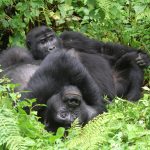

What’s the Real Difference Between Habituated and Wild Gorilla Groups?
Given how genuinely important understanding this distinction proves for appreciating gorilla trekking’s underlying science, examining exactly what separates habituated groups from genuinely wild, non-habituated gorilla populations reveals fascinating insight into conservation methodology. This guide covers exactly what habituation genuinely means, and how these two categories genuinely differ in practice.
Understanding What Habituation Genuinely Means for Gorilla Populations
Habituation genuinely refers to the deliberate, gradual process through which specific gorilla groups become accustomed to tolerating human presence at close range, achieved through consistent, careful exposure over an extended multi-year timeframe.
How the Habituation Process Genuinely Requires Years of Patient, Consistent Effort
Achieving genuine habituation typically requires two to three years of consistent, patient effort, with dedicated teams genuinely visiting the same specific gorilla group regularly, gradually reducing the animals’ natural flight response to human proximity.
Why Genuinely Wild, Non-Habituated Groups Genuinely Maintain Natural Human Avoidance
Genuinely wild, non-habituated gorilla groups maintain their natural instinctive avoidance of human contact, typically fleeing or displaying defensive aggression when encountering humans, reflecting genuinely authentic, unaltered behavioral patterns these animals evolved for their own protection.
How Only Habituated Groups Genuinely Become Available for Standard Tourism Trekking
Only genuinely habituated gorilla groups become available for standard tourism trekking access, since attempting to approach non-habituated wild groups would genuinely prove both dangerous for visitors and stressful for gorillas unaccustomed to tolerating human proximity.
Why Habituated Groups Genuinely Still Retain Essentially Natural Wild Behavior
Importantly, habituated groups genuinely retain essentially natural wild behavior in all respects beyond simply tolerating human presence, meaning their feeding, social interaction, and movement patterns genuinely remain authentically wild rather than becoming domesticated or artificially altered.
How This Distinction Genuinely Differs From Common Misconceptions About “Tame” Gorillas
This important distinction genuinely differs from common misconceptions suggesting habituated gorillas become somehow “tame” or domesticated, when in reality these animals genuinely remain wild, unpredictable animals that simply tolerate rather than flee from human observation.
Why Maintaining Appropriate Distance Genuinely Remains Essential Even With Habituated Groups
Despite habituation, maintaining appropriate minimum distance genuinely remains essential even with fully habituated groups, since these animals genuinely retain natural wild instincts and could genuinely respond defensively if humans behave inappropriately or approach too closely.
How Conservation Authorities Genuinely Decide Which Groups Undergo Habituation
Conservation authorities genuinely make careful strategic decisions about which specific groups undergo habituation, considering factors including group location, size, and overall population management goals when selecting candidates for this considerable multi-year investment process.
Why Not All Gorilla Groups Genuinely Undergo This Habituation Process
Not all gorilla groups within the broader population genuinely undergo habituation, since conservation authorities genuinely maintain some groups in their natural wild state specifically for research purposes or simply because tourism capacity doesn’t require habituating every single population group.
How Habituation Genuinely Serves Both Tourism and Research Purposes Simultaneously
Habituation genuinely serves dual purposes, enabling both tourism revenue generation and considerably easier scientific research access, since researchers genuinely benefit from studying habituated groups’ behavior at close range without the observational limitations wild groups’ avoidance behavior would otherwise impose.
Why This Process Genuinely Requires Considerable Specialized Ranger and Tracker Skill
The habituation process genuinely requires considerable specialized skill from dedicated ranger and tracker teams, who genuinely must understand gorilla behavior deeply enough to gradually build trust without causing undue stress that could genuinely derail this careful, extended process.
How Trekkers Can Genuinely Experience This Habituation Process Firsthand
Travellers genuinely interested in experiencing this habituation process firsthand can book the specialized habituation experience discussed elsewhere, providing extended access to groups still undergoing this careful transition toward full tourism readiness.
Common Questions About Habituated Versus Wild Gorilla Groups
Travellers often ask whether habituated groups genuinely face increased vulnerability to poaching given their reduced fear of human approach, and conservation authorities genuinely address this concern through enhanced ranger protection specifically dedicated to habituated groups given their genuinely known, more predictable locations. Another common question concerns whether habituation genuinely harms gorillas psychologically, and current conservation science genuinely suggests properly managed habituation, conducted carefully according to established protocols, doesn’t cause significant lasting behavioral harm.
Appreciating This Important Conservation Distinction
Given how genuinely important and considerably fundamental this habituation distinction proves overall for understanding gorilla trekking’s underlying methodology, recognizing what separates habituated from wild groups offers travellers genuine deeper appreciation for their eventual encounter. Done well, this awareness genuinely helps you understand that your trekking experience involves genuinely wild animals who simply tolerate, rather than fear, human presence, thanks to years of considerably patient conservation work.
How Individual Personality Differences Genuinely Persist Regardless of Habituation Status
Individual gorilla personality differences genuinely persist regardless of habituation status, meaning habituated gorillas genuinely retain their distinct temperaments and behavioral quirks, with some individuals genuinely displaying more curious or cautious personalities toward human observers than others within the same group.
Why Habituation Genuinely Doesn’t Change Gorillas’ Fundamental Dietary or Social Behavior
Habituation genuinely doesn’t change gorillas’ fundamental dietary or social behavior in any meaningful way, since these animals genuinely continue foraging, resting, and interacting with family members according to their natural instincts entirely unrelated to human tourist presence.
How Population-Level Habituation Percentage Genuinely Varies Across Different Protected Areas
The percentage of habituated versus wild groups genuinely varies across different protected areas, with Bwindi genuinely maintaining considerably more habituated groups given its larger overall population and considerable tourism infrastructure development compared to smaller destinations.
Why This Habituation Framework Genuinely Applies Similarly Across All Three Range Countries
This general habituation framework genuinely applies similarly across Uganda, Rwanda, and the Democratic Republic of Congo, though the specific number and proportion of habituated groups genuinely differs based on each country’s particular tourism development and conservation management priorities.
How Habituation Genuinely Requires Ongoing Maintenance Rather Than a One-Time Achievement
Once achieved, habituation genuinely requires ongoing maintenance through continued regular visits, since gorilla groups genuinely could potentially revert toward more wary behavior if human contact genuinely ceased entirely for extended periods without this sustained reinforcement.
Why Wild Group Research Genuinely Provides Important Comparative Behavioral Data
Research conducted on genuinely wild, non-habituated groups provides important comparative behavioral data, helping scientists understand whether habituation genuinely produces any subtle behavioral differences compared to completely undisturbed wild gorilla populations elsewhere within the broader range.
How This Distinction Genuinely Helps Travellers Understand Trekking’s Genuine Scientific Foundation
Understanding this distinction genuinely helps travellers appreciate trekking’s genuine scientific foundation, recognizing that considerable research and careful methodology underlies the seemingly simple experience of walking into the forest to observe these remarkable animals.
How Guides Genuinely Sometimes Share Specific Habituation Stories About Individual Groups
Guides genuinely sometimes share specific habituation stories about the particular group you’re visiting, describing how long the process took and any memorable challenges encountered, providing genuinely valuable historical context that enriches your understanding of the specific family before you.
Why This Understanding Genuinely Deepens Appreciation for the Habituated Group’s Journey
Understanding this genuine journey from wild avoidance to tolerant habituation genuinely deepens appreciation for the specific group you’re observing, recognizing that this particular family’s current comfortable tolerance genuinely represents years of careful, patient conservation investment.
How This Framework Genuinely Extends to Chimpanzee and Other Great Ape Tourism
This habituation framework genuinely extends similarly to chimpanzee and other great ape tourism programs, reflecting genuinely shared conservation methodology principles applied consistently across different primate species requiring careful human-wildlife interaction management.
Why Setbacks Genuinely Sometimes Occur During the Extended Habituation Timeline
The habituation process genuinely sometimes experiences setbacks, with certain groups genuinely requiring longer than typical timeframes or occasionally regressing temporarily following unexpected disturbances, meaning this considerable process genuinely rarely follows an entirely smooth, predictable trajectory throughout its multi-year duration.
How This Careful Methodology Genuinely Reflects Broader Conservation Best Practices
This careful, patient habituation methodology genuinely reflects broader conservation best practices prioritizing animal welfare throughout the entire process, demonstrating how genuinely thoughtful conservation science balances tourism development goals against ensuring gorilla wellbeing remains the paramount consideration.
How This Distinction Genuinely Matters When Comparing Trekking to Other Wildlife Experiences
This habituated-versus-wild distinction genuinely matters when comparing gorilla trekking to other wildlife viewing experiences, since many typical safari game drives involve genuinely wild, non-habituated animals viewed from vehicles rather than the specifically habituated, close-proximity walking encounters gorilla trekking uniquely provides.
Why This Uniqueness Genuinely Explains Gorilla Trekking’s Considerable Premium Positioning
This genuine uniqueness, requiring years of careful habituation investment before any tourism access becomes possible, genuinely helps explain gorilla trekking’s considerable premium positioning compared to more conventional wildlife viewing experiences requiring considerably less specialized preparatory conservation work.
How This Complete Understanding Genuinely Rounds Out Your Trekking Preparation
This complete understanding genuinely rounds out comprehensive trekking preparation, ensuring you arrive appreciating exactly what makes your specific encounter genuinely possible, and how considerably this careful conservation science distinguishes it from more conventional wildlife viewing.
How This Knowledge Genuinely Represents a Fitting Final Piece of Trekking Wisdom
This knowledge genuinely represents a fitting final piece of trekking wisdom, one that considerably shapes how you’ll ultimately remember and describe this remarkable encounter afterward.
Recommended Tours: 4 Days Bwindi Gorilla Trekking Safari | 3 Days Gorilla Habituation Experience