
Rest Days on a Long Safari: How to Space Out Activities
The best place for a safari rest day is often after the hardest stretch of your itinerary, not halfway through by default. If you’ve spent two days on bumpy tracks and have a gorilla trek coming up, a quiet day near the trekking sector may do more for your trip than a free afternoon several days later. If you’re spending four nights in one wildlife area, keeping a morning free may be enough.
Rest days on a long safari protect the activities you most want to enjoy. You don’t have to spend a whole day indoors. You might sleep later, watch birds from the terrace or join one short drive. The important thing is to have a real choice. Keep some time free of transfers, checkouts and outings you feel obliged to attend.
| one morning drive and go out in the late afternoon if you feel like it. | ||
| A long, rough road transfer | The evening you arrive and, if possible, part of the next day | Check in, eat and leave the next morning flexible. |
| A fixed-date gorilla trek | The afternoon before and after the trek | Arrive near your assigned sector the previous day and avoid a long transfer afterwards. |
| A trip with several one-night stops | Wherever you can add a second or third night | Give yourself a day without packing, checking out or changing vehicles. |
Use this as a starting point. Two travellers can enjoy the same safari and need different amounts of rest. What matters is the combination of early alarms, time in the vehicle, walking and room changes, rather than the number of days alone.
Count Demanding Days Before Adding More Activities
A morning and afternoon game drive with lunch at camp between them can be a satisfying day. Many safari camps offer that pattern. But repeat it for several days, add a dawn balloon trip or a long transfer, and the midday break may start to feel short. It’s easier to notice this when you read your itinerary in order, rather than comparing how many activities each day includes.
Mark each day that involves an early alarm, a long drive, a strenuous walk or a room change. If several marks fall on the same day, look at what you’ve planned next. For example, a six-hour road transfer followed by a late game drive deserves a gentler morning more than a day that ends with lunch back at the lodge. Ask your operator for realistic door-to-door times, including the stops you’ll need.
A transfer day is rarely a full rest day. Even if there are no scheduled excursions, you still have to pack, travel and check in. A short flight can reduce hours on the road, but check-in and the trip from the airstrip still take time. If the aim is to recover, it helps to wake up and go to bed in the same place.
Choose a Full Rest Day or a Lighter Half-Day
A full rest day works best when you need to recover
A proper rest day has no fixed departure. Stay two nights or more at the same property so you can have breakfast when it suits you, read, sort photographs or take a nap without watching the clock. If you only stay one night, your quiet morning may disappear into checkout and the drive to your next stop.
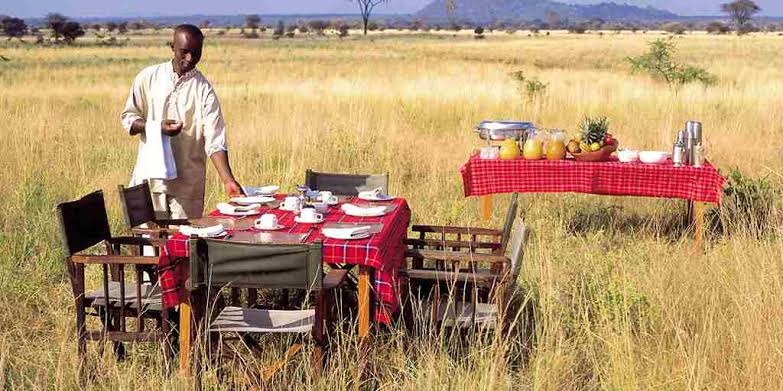
Choose accommodation where your group will be comfortable spending daylight hours. Ask whether there’s a shaded place to sit, whether lunch is served if you stay in and how far your room is from the main area. You don’t need a pool or spa for a good break. A comfortable chair, a meal you don’t have to organise and a room you can use throughout the day may be more useful.
A half-day works when you still want to go out
Keep either the morning or the afternoon free. If your group enjoys early drives and usually tires after lunch, go out first and stay at camp later. If you’ve already had three early starts, sleep in and decide after lunch whether you want an afternoon drive. On a shared vehicle, tell the camp in advance that you may opt out so other guests aren’t left waiting.
A short activity can fit if it stays short. Ten minutes watching birds from a lodge deck is different from a guided walk that requires a transfer and a set start time. Ask what the outing involves before adding it to a day you intended to keep light.
A Sample 10-Day Safari With Time to Rest
This example shows how you could space out a Uganda trip combining game drives and a gorilla trek. It’s a pacing example rather than a fixed route or a guarantee of travel times.
| Day | Example plan | How it manages the pace |
|---|---|---|
| 1 | Arrive in Entebbe and stay overnight. | Leave time for flight delays and skip optional sightseeing after a late arrival. |
| 2 | Travel to the Lake Mburo area. | Settle in. Add a short outing only if the timing suits you. |
| 3 | Take a morning game drive and keep the afternoon free. | Try an early start without committing to two outings. |
| 4 | Travel to the Queen Elizabeth National Park area. | Treat the journey as the day’s main activity. |
| 5 | Take a game drive or boat trip, depending on your interests. | Choose one priority and keep the other part of the day flexible. |
| 6 | Stay at the same lodge with no scheduled departure. | Have a full rest day before travelling again. |
| 7 | Transfer to the lodge serving your Bwindi trekking sector. | Confirm the next morning’s pickup and prepare your gear. |
| 8 | Go gorilla trekking and return to the same lodge. | Keep the afternoon free because the trek length can vary. |
| 9 | Make your onward transfer towards Entebbe. | Check the road or flight plan before arranging anything else. |
| 10 | Depart. | Avoid relying on a long park transfer to catch your international flight. |
For a longer Kenya or Tanzania trip, use the same approach. Keep several nights in one camp, and leave a morning or afternoon free before you change regions. If the only way to add another park is to give up your last unscheduled day, consider whether the extra stop is worth another transfer.
Give People Options Without Moving the Whole Group
On a family or multi-generation safari, agree which activities everyone wants to do together and which are optional. A grandparent might skip an early drive and join the afternoon one, while a keen photographer chooses the reverse. Ask the operator how the arrangement works. Is there a second outing to join? Can someone return early without ending the drive for the group? A private vehicle can make some changes easier, but it still needs to follow park access rules.
Use rest time for practical tasks if they help, without turning the day into another list of commitments. You can send laundry early, charge batteries and check the next pickup time. Confirm laundry turnaround before handing over clothes you’ll need in the morning. Once the essentials are handled, leave the rest of the day open.
Frequently Asked Questions
How many rest days should I plan on a long safari?
On a 10-day safari, one full rest day or two lighter half-days is a useful starting point. Add more space if your itinerary has several long drives, demanding walks or early departures. Put the breaks where they will help most rather than spacing them evenly.
Am I wasting money if I skip an included game drive?
Not if the break helps you enjoy the rest of your trip. An included drive is an option, and skipping it may not reduce the package price. If you know before booking that you want a slower pace, ask whether there’s a cheaper or more flexible package. If you’re already there, tell the guide or camp early so the vehicle can leave on time.
Should I rest before or after gorilla trekking?
If you can, do both in small ways. Arrive near your assigned trekking sector the day before and avoid a late check-in. After the trek, keep the rest of the day open. If you can only protect one period, make sure you’re in place for the briefing and don’t schedule a tight connection immediately after the trek.