Ruhija vs Nkuringo: Comparing Bwindi’s Quietest Trekking Sectors
Ruhija vs Nkuringo is a comparison that matters for travelers who’ve already ruled out Bwindi’s busier Buhoma and Rushaga sectors in favor of a quieter, more remote-feeling gorilla trekking experience. Both sectors see noticeably fewer daily visitors than their more established counterparts, but they offer genuinely different flavors of remoteness, one built around cool, high-altitude birding terrain, the other around dramatic, physically demanding volcano views and steep valley scenery. This guide compares Ruhija and Nkuringo directly across terrain, birding, access, and traveler fit to help you choose between them with real confidence.
Ruhija: Cool Altitude and Exceptional Birding
Ruhija sits at Bwindi’s highest elevation, bringing noticeably cooler temperatures and a distinct montane forest character that has made the sector one of Uganda’s premier birding destinations, home to numerous Albertine Rift endemic species found in few other places on earth. This dual appeal of gorilla trekking and world-class birding sets Ruhija apart from every other Bwindi sector, including Nkuringo.
Nkuringo: Dramatic Terrain and Volcano Views
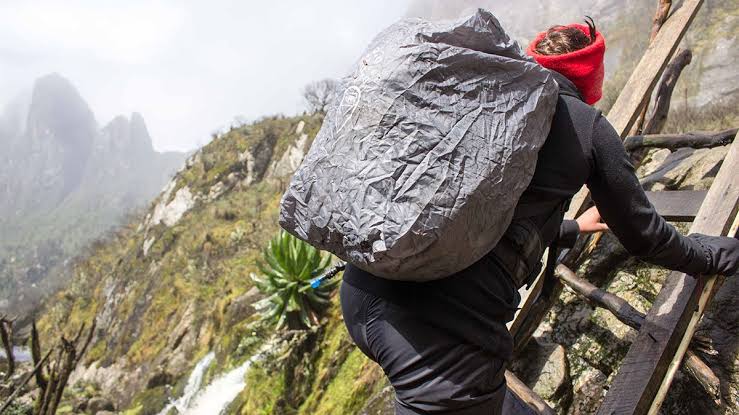
Nkuringo, by contrast, is defined by its genuinely steep, demanding ridge-top terrain and the dramatic views it offers, including the Virunga volcanoes visible on clear days from near the ranger post. This is widely considered Bwindi’s most physically challenging sector, appealing specifically to fitter, more adventurous trekkers seeking both a serious workout and striking scenery as part of their gorilla trekking day.
Comparing Trekking Difficulty
Nkuringo’s terrain ranks among the most demanding in the entire park, with steep descents and ascents that can involve well over a thousand meters of elevation change in a single trek. Ruhija’s terrain is also genuinely challenging given its high-altitude setting, but it doesn’t carry quite the same reputation for extreme, sustained elevation change that defines a typical Nkuringo trekking day.
Comparing Access and Travel Routes
Ruhija sits close to Kabale, making it a natural stop for travelers routing toward Lake Bunyonyi or the Rwanda border via a more central path through southwestern Uganda. Nkuringo lies near Kisoro, positioning it well for combining with Mgahinga Gorilla National Park’s golden monkey trekking or a Rwanda crossing from the far southwestern corner of the country.
Comparing Birding and Wildlife Beyond Gorillas
Ruhija’s birding reputation is genuinely unmatched among Bwindi’s four sectors, with the Mubwindi Swamp trail drawing dedicated birding groups independent of any gorilla trekking plans. Nkuringo doesn’t offer comparable birding infrastructure, though its scenery, valley views, terraced hillsides, and distant volcanoes, provides its own distinct visual reward for the physical effort involved.
Comparing How Long a Typical Trekking Day Runs
A Ruhija trekking day, factoring in the pre-dawn briefing, the walk to locate the family, and the return, typically runs a genuinely full day but tends to stay within a moderately predictable window given the sector’s established tracking patterns. A Nkuringo trekking day can run considerably longer when a family has moved deep into the valley, since both the descent to reach them and the climb back out add real time beyond what distance alone would suggest, something worth factoring into your broader day’s schedule.
Comparing Lodges and Accommodation
Both sectors offer fewer accommodation options than Buhoma or Rushaga, reflecting their quieter, more remote character, though each has seen genuine growth in recent years. Nkuringo’s ridge-top position has produced several standout properties specifically leveraging volcano views, while Ruhija’s properties tend to lean into the sector’s cooler climate and birding appeal.
Which Sector Suits Which Traveler
Ruhija suits travelers who want to pair gorilla trekking with genuinely world-class birding, or who prefer a quieter, cooler alternative to Bwindi’s busier sectors without committing to Nkuringo’s extreme terrain. Nkuringo suits fitter, more adventurous trekkers specifically seeking the most physically demanding and scenically dramatic trekking day available in Uganda.
What After-Trek Recovery Looks Like in Each Sector
After a Ruhija trek, most visitors find a hot meal and a warm shower sufficient to recover from a demanding but not extreme day, given the sector’s genuinely challenging but not overwhelming terrain. After a Nkuringo trek, particularly one involving the sector’s steepest ridge climbs, many trekkers describe needing a genuinely restful evening and an early night, given how physically taxing the return climb can feel by the time the day concludes.
Common Questions When Comparing These Sectors
Travelers frequently ask which sector is genuinely harder, and while both are demanding by any standard, Nkuringo’s reputation for steep, sustained elevation change generally makes it the more physically taxing of the two. Visitors also ask whether either sector suits first-time trekkers, and while both are manageable for reasonably fit travelers, Ruhija is often considered the slightly more approachable option of the two for someone newer to demanding hiking.
Combining Either Sector With a Broader Itinerary
Both sectors work well within a broader southwestern Uganda route, Ruhija connecting naturally to Lake Bunyonyi and onward to Rwanda via Kabale, and Nkuringo connecting to Mgahinga and Rwanda via Kisoro. Neither requires significant backtracking if your itinerary already routes through this corner of the country.
Why These Two Sectors Appeal to Repeat Visitors
Travelers who’ve already completed a standard Buhoma or Rushaga trek on a previous trip often specifically seek out Ruhija or Nkuringo on a return visit, drawn by the promise of a genuinely different experience within the same broader park. This pattern reflects how distinctly each of Bwindi’s four sectors has developed its own character over the decades, giving serious gorilla trekking enthusiasts real reason to return more than once.
Making Your Final Decision
For a fuller breakdown of all four Bwindi sectors together, including Buhoma and Rushaga, the complete guide to choosing a Bwindi trekking sector covers every option in one place. Between Ruhija and Nkuringo specifically, the decision generally comes down to whether birding appeals as much as gorilla trekking itself, or whether you’re specifically seeking the park’s most demanding physical challenge.
How Weather Affects Each Sector Differently
Ruhija’s high altitude means genuinely cool, sometimes misty conditions year-round, and packing warm layers for the pre-dawn briefing matters more here than almost anywhere else in Bwindi. Nkuringo’s steep terrain becomes considerably more treacherous during wet conditions, since already-demanding descents and ascents turn genuinely slippery in rain, making the June through September and December through February dry seasons especially worth prioritizing for this specific sector.
What Rangers Say About Choosing Between Them
Guides who’ve worked across both sectors often frame the choice around a simple question: are you trekking primarily for the gorillas, with birding or scenery as a welcome bonus, or are you specifically chasing a demanding physical challenge as part of the experience? Ruhija tends to appeal more to the former group, Nkuringo to the latter, and being honest with yourself about which category you fall into simplifies the decision considerably.
Group Size and Crowd Levels in Each Sector
Both Ruhija and Nkuringo see meaningfully fewer daily trekkers than Buhoma or Rushaga, giving both a quieter, more remote-feeling morning departure regardless of which you choose. This shared quality is part of why travelers specifically seeking to avoid Bwindi’s busier sectors often narrow their choice down to exactly these two before making a final decision based on terrain and interest.
What the Gorilla Families Themselves Offer in Each Sector
Ruhija’s families, including the notably playful Oruzogo group, offer their own distinct social dynamics worth considering alongside the sector’s birding appeal. Nkuringo’s families, meanwhile, include the sector’s own founding group, whose habituation first opened southern Bwindi to tourism, adding genuine historical weight to a trek here beyond just the physical challenge.
Cost Considerations Between the Two Sectors
Standard gorilla trekking permit costs remain identical across all four Bwindi sectors, so choosing Ruhija over Nkuringo or vice versa doesn’t change the core permit price. The main cost differences come down to accommodation, transport logistics to reach each sector’s more remote ranger station, and whether you’re hiring a porter, which is genuinely advisable in Nkuringo given its terrain.
Why Some Travelers Deliberately Choose Both Across Separate Trips
Given how genuinely distinct these two sectors feel from one another, some dedicated repeat visitors specifically plan to trek both across separate visits, treating the comparison itself as part of a broader, deepening relationship with Bwindi’s varied landscape and gorilla population.
How Local Guides Shape the Experience in Each Sector
Guides based in Ruhija and Nkuringo each bring specialized knowledge suited to their sector’s specific demands, birding expertise in Ruhija’s case, and genuine physical endurance coaching in Nkuringo’s, meaning the human element of your trek varies meaningfully between the two beyond just the terrain itself.
Why Honesty About Your Priorities Simplifies This Choice
Travelers who resist the temptation to choose based on which sector sounds more impressive, and instead focus honestly on their genuine interests and fitness level, consistently report greater satisfaction with whichever option they ultimately select.
Planning Your Trek
Discussing your fitness level, birding interest, and broader travel route openly with an experienced operator remains the most reliable way to choose between these two distinctive sectors, ensuring whichever one you pick genuinely matches what you’re hoping to get out of your Uganda gorilla trekking trip.
Recommended Tours: 4 Days Uganda Gorilla and Chimpanzee Tour | 10 Days Ultimate Uganda Gorilla & Big Five Safari