Sempaya Hot Springs in Semuliki: Male and Female Springs Explained
Sempaya Hot Springs are among the most interesting natural attractions in Semuliki National Park, western Uganda. Located within a tropical lowland forest, these geothermal springs produce bubbling water, rising steam and unusual natural formations that attract visitors exploring the Semuliki Valley.
The attraction consists of two main geothermal areas known as the male and female hot springs. Although both produce naturally heated water, their appearance and cultural significance differ.
The female spring, called Nyasimbi, is famous for its powerful boiling fountain, while the male spring, Bintente, forms a broad pool of steaming water.
This Sempaya Hot Springs guide explains the differences between the two springs, the traditional stories associated with them and what visitors should expect during a guided walk.
Where Are Sempaya Hot Springs Located?
Sempaya Hot Springs are situated within Semuliki National Park in Bundibugyo District, western Uganda.
The park occupies part of the Semuliki Valley near the border with the Democratic Republic of Congo.
Its landscape includes tropical lowland forest, wetlands, rivers and geothermal features.
Visitors commonly reach Sempaya from Fort Portal, which serves as an important tourism centre in western Uganda.
The distance is approximately 50–60 kilometres by road, depending on the starting point.
Driving generally takes around one to two hours, depending on road conditions and weather.
The springs are accessed through the park’s Sempaya visitor area, where guided walks can be arranged.
Understanding the Sempaya Hot Springs
Sempaya contains two recognised geothermal attractions.
The male and female springs are separated by forest and wetland habitats, with walking trails connecting the visitor areas.
Both springs are associated with underground geological processes that heat water before it reaches the surface.
However, their appearance differs considerably.
| Feature | Female Hot Spring | Male Hot Spring |
|---|---|---|
| Local name | Nyasimbi | Bintente |
| Main appearance | Boiling fountain and rising steam | Broad pool of steaming water |
| Main attraction | Powerful geothermal activity | Bubbling water and surrounding vegetation |
| Cultural association | Female ancestral traditions | Male ancestral traditions |
| Visitor experience | Viewing and guided demonstrations | Forest walk and geothermal observation |
Both locations are best explored with an authorised guide.
1. Nyasimbi: The Female Hot Spring
The Most Recognisable Spring
Nyasimbi is the better-known of the two Sempaya hot springs.
Its main attraction is a boiling geothermal fountain that releases hot water and steam into the air.
Water temperatures around the active vent have been reported at approximately 100°C or slightly higher.
The fountain can send water upwards, creating an impressive natural display.
Visitors can often notice rising steam before reaching the main viewing area.
The surrounding vegetation contrasts with the exposed geothermal ground.
What to Expect During Your Visit
A guided walk leads visitors towards the female spring.
At the viewing area, you can observe bubbling water, steam and the surrounding landscape.
Your guide may explain the geological processes responsible for the spring.
Some guided visits include demonstrations involving eggs placed into the hot water.
These activities should only be conducted by authorised guides using suitable equipment.
Visitors must never attempt to touch the boiling water.
2. Bintente: The Male Hot Spring
A Different Geothermal Experience
Bintente is the male hot spring at Sempaya.
Unlike the more dramatic fountain at Nyasimbi, Bintente is characterised by a broader geothermal pool.
The water bubbles and releases steam, creating a distinctive appearance.
The spring is surrounded by forest vegetation and areas of wetland habitat.
Its setting provides an opportunity to observe both geothermal activity and the surrounding lowland forest.
Walking to Bintente
Reaching the male spring generally involves a longer guided walk than visiting the female spring alone.
The route passes through forest sections and may include a boardwalk across wet ground.
Walking times vary according to the route and current trail conditions.
Allow additional time if you intend to photograph birds, plants or other wildlife.
Wear suitable shoes because sections of the trail can become slippery after rainfall.
Traditional Stories Behind the Male and Female Springs
The names of the Sempaya hot springs are connected to local cultural traditions.
Communities around the Semuliki Valley have passed down stories explaining the spiritual importance of the two geothermal sites.
These accounts are associated with ancestral figures and traditional beliefs.
The Story of Nyasimbi
One traditional account describes a woman named Nyasimbi who disappeared in the forest.
The place associated with her disappearance became connected to the female hot spring.
Local traditions regard the spring as culturally significant.
Different storytellers may provide variations of this account.
Visitors should understand these stories as part of the area’s cultural heritage.
The Meaning of Bintente
The male spring is similarly associated with ancestral traditions.
Local communities have historically recognised the site as an important cultural location.
Some traditional practices and ceremonies have been connected to the springs.
A knowledgeable local guide can explain these beliefs while respecting the communities that preserve them.
Visitors should avoid entering ceremonial areas without permission.
How Do Sempaya Hot Springs Form?
Hot springs develop when underground water becomes heated and eventually rises towards the Earth’s surface.
In geothermal areas, heat from deeper geological layers warms water moving through underground rocks and fractures.
Pressure can force the heated water upwards.
When the water reaches the surface, it may emerge as a pool, bubbling spring or fountain.
At Sempaya, these processes produce the steaming geothermal features visitors observe today.
Why Does the Water Bubble?
The bubbling results from heated water and gases moving towards the surface.
Where pressure and temperature conditions allow, steam forms and escapes through geothermal openings.
The intensity of activity can differ between vents.
This explains why Nyasimbi has a more prominent fountain while Bintente appears as a broad geothermal pool.
Visitors should remember that water temperatures and surface activity can change.
Walking Trails Around Sempaya Hot Springs
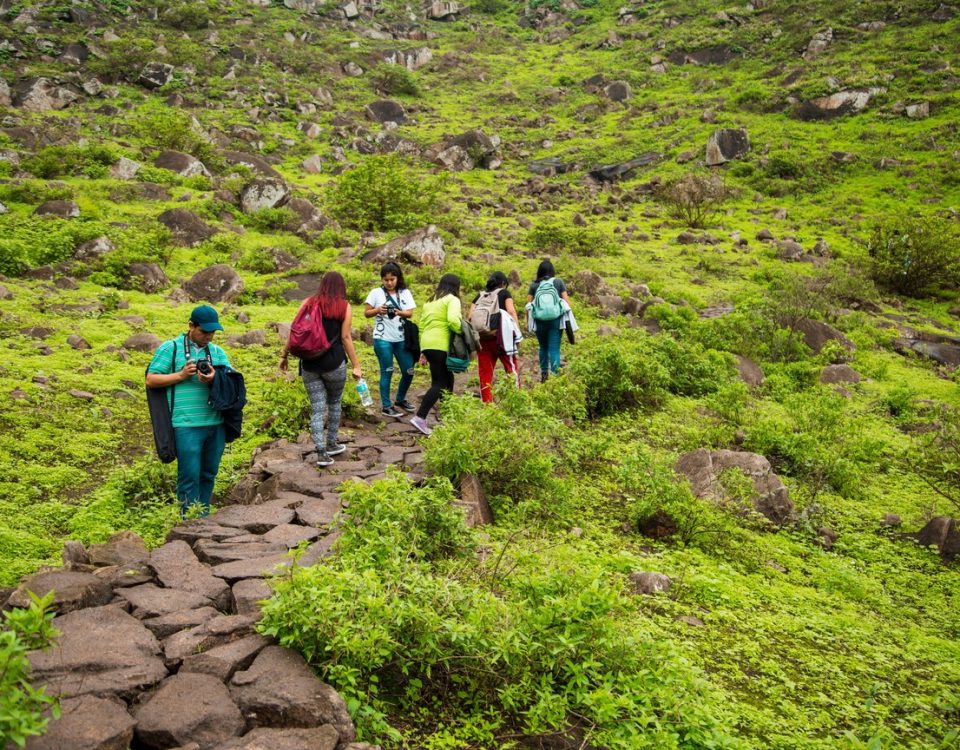
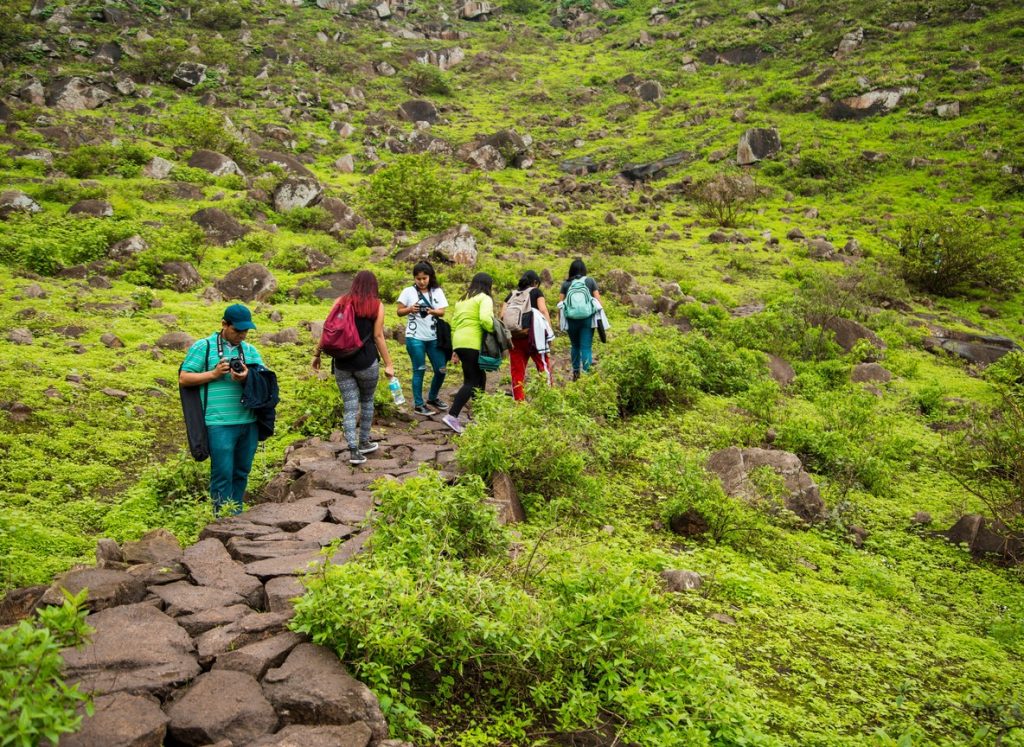
A guided hot springs excursion provides opportunities to explore parts of Semuliki’s lowland forest.
The walking routes pass through vegetation that differs from the mountain forests found elsewhere in western Uganda.
Semuliki contains tropical forest habitats associated with the wider Congo Basin.
What You May See Along the Trails
Depending on your route and luck, you may encounter:
-
Forest birds.
-
Butterflies.
-
Red-tailed monkeys.
-
Black-and-white colobus monkeys.
-
Large indigenous trees.
-
Wetland vegetation.
-
Interesting insects and plants.
Wildlife sightings are never guaranteed.
However, walking slowly and listening carefully can improve your chances of observing smaller animals.
Your guide can explain the forest’s vegetation and ecological importance.
Is It Safe to Visit Sempaya Hot Springs?
Sempaya can be visited safely when travellers follow park regulations and authorised guiding arrangements.
However, the geothermal water is extremely hot.
Contact with boiling water or steam can cause serious burns.
Visitors should remain within designated viewing areas.
Important Safety Precautions
Follow these guidelines during your visit:
-
Never touch or enter the hot springs.
-
Stay on authorised trails and boardwalks.
-
Keep children under close supervision.
-
Avoid walking near active geothermal vents.
-
Follow your guide’s instructions.
-
Do not throw objects into the springs.
-
Wear shoes suitable for wet or uneven ground.
-
Avoid crossing barriers around restricted areas.
Do not attempt to collect hot water or approach the vents for photographs.
Swimming and bathing are not suitable activities at these springs.
Best Time to Visit Sempaya Hot Springs
Sempaya can be visited throughout the year.
However, rainfall influences walking conditions.
Dry Seasons
The relatively drier months commonly include December to February and June to August.
These periods may provide more comfortable conditions for forest walking.
Trails can be less muddy, although the forest remains humid.
Rainy Seasons
Rainfall often increases during March to May and September to November.
The forest becomes particularly green during wetter periods.
However, heavy rain may make sections of the trails slippery.
Carry a waterproof jacket and protect your camera equipment.
Best Time of Day
Morning is generally convenient for guided visits.
Temperatures may be more comfortable, and you can allow enough time to explore both springs.
Early visits also provide opportunities for birdwatching along the trails.
How to Visit Sempaya From Fort Portal
Fort Portal is a practical starting point for visiting Semuliki National Park.
Travellers can arrange a private vehicle or organised excursion.
The road passes through attractive western Uganda landscapes towards the Semuliki Valley.
Confirm park entry arrangements and guiding availability before departure.
Visitors should also check the condition of the access road, particularly during heavy rainfall.
A suitable vehicle and experienced driver can make the journey more comfortable.
Combining Sempaya With Other Attractions
Sempaya can be included in a longer western Uganda safari.
Semuliki National Park
Beyond the springs, Semuliki offers birdwatching and guided forest activities.
The park is particularly interesting for visitors seeking lowland forest species.
Toro-Semliki Wildlife Reserve
The nearby Toro-Semliki Wildlife Reserve provides opportunities for wildlife viewing in savannah and woodland habitats.
However, it is a separate protected area with its own access arrangements.
Fort Portal Crater Lakes
Travellers returning towards Fort Portal can consider visiting selected crater lakes and viewpoints.
A longer stay allows you to enjoy the region without rushing.
Frequently Asked Questions
What are the names of the Sempaya hot springs?
The female spring is called Nyasimbi, while the male spring is known as Bintente.
Which spring is more active?
Nyasimbi is generally the more visually dramatic spring because of its boiling fountain and rising steam.
Can visitors swim in the hot springs?
No. The geothermal water is dangerously hot and unsuitable for swimming or bathing.
Can you visit both springs in one day?
Yes. A guided excursion can include both locations, depending on current trail conditions and access arrangements.
Are Sempaya Hot Springs inside Semuliki National Park?
Yes. The springs are among the park’s principal visitor attractions.
Sempaya Hot Springs offer an interesting combination of geothermal activity, cultural traditions and tropical forest scenery.
Nyasimbi attracts visitors with its powerful boiling fountain, while Bintente provides a quieter geothermal setting surrounded by vegetation.
Exploring both springs allows you to understand their different physical features and cultural importance.
With an authorised guide, suitable footwear and careful attention to safety, a visit to Sempaya can be a rewarding part of your western Uganda safari.