Snare Removal Patrols: The Unseen Work Protecting Bwindi’s Gorillas
Given how genuinely essential yet largely invisible snare removal patrol work remains to gorilla survival, understanding this specific conservation activity reveals a genuinely important dimension of Bwindi’s protection efforts that most trekking visitors never directly witness during their brief forest visit. This guide covers exactly what snare removal patrols genuinely involve day to day, and why this unglamorous, physically demanding work proves genuinely critical for protecting Bwindi’s entire gorilla population daily and consistently.
Understanding Why Snares Genuinely Threaten Bwindi’s Gorillas
Poachers genuinely set wire snares throughout Bwindi Impenetrable Forest primarily targeting antelope and other smaller game for bushmeat, but gorillas genuinely become accidentally caught in these indiscriminate traps, sometimes suffering serious, potentially fatal injuries from wire tightening around limbs.
How Ranger Patrol Teams Genuinely Conduct Systematic Snare Searches
Trained ranger patrol teams genuinely conduct systematic sweeps through designated forest sectors, carefully searching for snares along known animal pathways and areas where poachers historically genuinely concentrate their trapping activity based on accumulated patrol experience.
Why This Work Genuinely Requires Considerable Physical Endurance
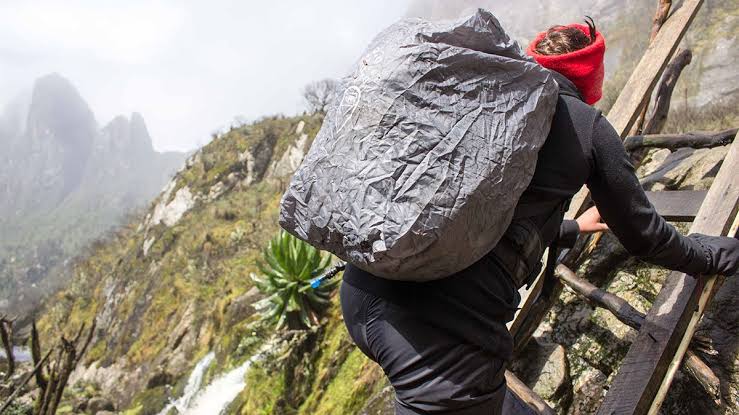
Snare removal patrols genuinely demand considerable physical stamina, with rangers often trekking through genuinely difficult, steep, densely vegetated terrain for entire days, covering considerable ground while maintaining the careful attention necessary to spot often well-hidden snare traps.
How Rangers Genuinely Learn to Identify Snare Locations
Experienced rangers genuinely develop considerable skill in identifying likely snare locations, learning to recognize subtle signs including disturbed vegetation, animal trail patterns, and typical poacher behavior patterns that genuinely help predict where traps are most likely concentrated.
Why Removing Snares Genuinely Requires Careful, Deliberate Technique
Rangers genuinely must carefully dismantle discovered snares without triggering them accidentally, since these traps genuinely remain dangerous even to the humans removing them, requiring genuinely careful technique developed through considerable training and field experience.
How Patrol Data Genuinely Informs Strategic Deployment Decisions
Conservation authorities genuinely analyze patrol data tracking snare discovery locations and frequency over time, using this genuinely valuable information to strategically deploy patrol resources toward areas experiencing higher poaching pressure rather than distributing efforts randomly across the entire forest.
Why Community Engagement Genuinely Complements Direct Patrol Work
Beyond physical snare removal, ranger teams genuinely engage with communities bordering the forest, working to address underlying poverty and food security issues that genuinely drive some community members toward poaching as a survival strategy rather than purely as an enforcement problem.
How Revenue-Sharing Programs Genuinely Reduce Poaching Incentives
Tourism-funded revenue-sharing programs genuinely help reduce the economic desperation that sometimes drives poaching, demonstrating how snare removal patrol work genuinely connects to the broader conservation funding ecosystem discussed throughout gorilla tourism’s economic model.
Why Rangers Genuinely Face Personal Risk During This Work
Ranger patrol work genuinely carries inherent personal risk, since encounters with armed poachers occasionally occur during patrols, and rangers genuinely undergo specific training to handle these potentially dangerous situations safely while prioritizing both their own security and successful snare removal.
How Technology Increasingly Genuinely Supports Traditional Patrol Methods
Conservation authorities increasingly genuinely incorporate GPS tracking and mapping technology into patrol operations, helping rangers systematically document covered territory and avoid genuinely duplicating efforts across the same forest sectors during repeated patrol cycles.
Why Consistent, Regular Patrolling Genuinely Matters More Than Occasional Sweeps
Conservation experts genuinely emphasize that consistent, regular patrol schedules prove considerably more effective than occasional intensive sweeps, since poachers genuinely adapt their behavior based on perceived patrol patterns, making sustained presence genuinely more deterrent than sporadic enforcement efforts.
How This Work Genuinely Connects to Broader Wildlife Protection Beyond Gorillas
Snare removal patrols genuinely protect numerous other forest species beyond gorillas alone, including duikers, bushbuck, and various bird species also vulnerable to indiscriminate snare traps, meaning this patrol work genuinely delivers conservation benefits extending well beyond its primary gorilla protection focus.
Common Questions About Snare Removal Patrol Work
Travellers often ask how frequently rangers genuinely discover active snares during patrols, and while exact figures vary by area and season, consistent patrol reports genuinely confirm this remains an ongoing, active threat requiring continued vigilant enforcement rather than a historical problem now fully resolved. Another common question concerns funding, and trekking permit revenue genuinely contributes directly toward supporting ranger salaries and patrol operations throughout Bwindi.
Recognizing This Essential Conservation Work
Given how genuinely critical and considerably physically demanding snare removal patrols prove overall for gorilla survival, understanding this largely unseen work offers travellers genuine appreciation for conservation efforts extending well beyond the visible trekking experience itself. Done well, this awareness genuinely deepens respect for the dedicated rangers whose daily, physically demanding patrol work genuinely protects the gorillas visitors travel considerable distances to encounter and admire.
How Multi-Day Patrol Missions Genuinely Require Careful Provisioning
Extended patrol missions covering remote forest sectors genuinely require rangers to carry multiple days of provisions and camping equipment, since returning to base camp daily isn’t genuinely practical when patrolling distant areas, meaning teams genuinely establish temporary forest camps during longer sweep operations.
Why Rainy Season Genuinely Complicates Patrol Operations Considerably
Bwindi’s genuinely challenging rainy season conditions considerably complicate patrol operations, with slippery, muddy terrain slowing movement and reducing visibility for spotting well-hidden snares, yet rangers genuinely continue patrol schedules regardless of weather since poaching activity doesn’t genuinely pause during wetter months.
How Team Composition Genuinely Balances Experience and Local Knowledge
Patrol teams genuinely combine experienced senior rangers with local knowledge of specific forest sectors alongside newer recruits gaining field experience, creating genuinely effective teams that leverage both accumulated institutional knowledge and fresh energy for covering considerable patrol distances.
Why Documenting Snare Removal Genuinely Matters for Long-Term Trend Analysis
Every discovered and removed snare genuinely gets documented with location coordinates and relevant details, building a genuinely comprehensive long-term dataset that researchers and park managers use to identify patterns and adjust conservation strategy based on actual observed poaching pressure trends over multiple years.
How Former Poachers Genuinely Sometimes Transition Into Ranger Roles
Some ranger recruits genuinely come from backgrounds that previously included poaching activity, and their genuinely intimate knowledge of poacher techniques and likely snare locations, combined with proper training, makes these transitioned individuals particularly effective at anticipating and countering poaching methods.
Why International Support Genuinely Strengthens Patrol Capacity
International conservation organizations genuinely provide additional funding, equipment, and training support supplementing tourism-generated revenue, helping ensure ranger teams maintain adequate staffing levels and proper equipment necessary for genuinely effective, sustained patrol coverage across Bwindi’s considerable forest area.
How This Work Genuinely Requires Coordination With Wildlife Authority Leadership
Patrol operations genuinely require careful coordination with Uganda Wildlife Authority leadership, ensuring patrol schedules, resource allocation, and strategic priorities genuinely align with broader conservation management goals rather than operating as an isolated, disconnected enforcement activity.
Why Trekking Visitors Rarely Encounter Patrol Teams Directly
Trekking visitors genuinely rarely encounter snare removal patrol teams directly during their own forest visits, since patrol routes typically genuinely differ from established trekking trails, and rangers deliberately focus patrol coverage on areas beyond the immediate zones tourists visit during scheduled gorilla encounters.
How Increasing Patrol Frequency Genuinely Demonstrated Measurable Impact
Conservation records genuinely show that periods of increased patrol frequency correlate with measurably reduced snare discovery rates over subsequent years, providing genuinely encouraging evidence that sustained, well-resourced patrol efforts can meaningfully suppress poaching activity within specific forest sectors over time.
Why This Work Genuinely Remains Underappreciated Compared to Visible Conservation Roles
Compared to more visible conservation roles like trekking guides who directly interact with tourists, snare removal patrol rangers genuinely receive considerably less public recognition despite their work proving equally, if not more, critical for ensuring gorillas survive long enough for tourists to encounter them at all.
How Guides Sometimes Genuinely Share Patrol Stories With Curious Trekkers
Trekking guides who genuinely previously served as patrol rangers themselves sometimes share firsthand stories about snare removal experiences with curious trekkers, providing genuinely valuable personal insight into this hidden conservation work that visitors otherwise wouldn’t encounter during their standard trekking itinerary.
Why Financial Sustainability Genuinely Remains an Ongoing Concern for Patrol Programs
Despite tourism revenue support, maintaining genuinely adequate long-term funding for extensive patrol operations remains an ongoing concern for park management, since expanding ranger numbers and improving equipment genuinely requires sustained, growing financial investment matching the scale of the considerable protection challenge involved.
How This Unseen Work Genuinely Deserves a Place in Broader Trip Understanding
Travellers genuinely interested in fully understanding what makes their gorilla trekking experience possible should consider snare removal patrol work as an essential, if invisible, component of the broader conservation infrastructure, genuinely deserving recognition alongside more visible elements like ranger guides and habituation programs that trekkers directly encounter.
Why Reflecting on This Effort Genuinely Enriches the Trekking Experience
Travellers who genuinely take time to reflect on the considerable, largely unseen patrol effort protecting their trekking destination often describe experiencing their eventual gorilla encounter with a genuinely deeper sense of gratitude and awareness of everything required to make that single memorable moment possible.
Recommended Tours: 4 Days Bwindi Gorilla Trekking Safari | 3 Days of Gorilla Habituation in Bwindi National Park