Predator sightings top nearly every safari-goer’s wish list, and Tanzania delivers on that wish more reliably than almost anywhere else in Africa, but the specific timing that maximizes the odds of a great big cat encounter shifts considerably depending on which species, which park, and which season a trip targets. Understanding those shifting patterns turns a hopeful safari into a well-planned one.
Lions: Consistent Sightings With Seasonal Peaks
Lions rank among the most reliably sighted of Tanzania’s big cats across nearly the entire calendar, given their social structure, daytime resting habits, and preference for open terrain that makes them considerably easier to spot than more solitary or nocturnal predators. Ngorongoro Crater offers arguably the country’s most consistent year-round lion viewing, its enclosed, relatively small ecosystem concentrating a resident population within an area easily covered during a single day’s game drive regardless of season. The Serengeti’s lion sightings intensify considerably during the dry season, roughly June through October, when concentrated prey around remaining water sources makes hunting activity, and therefore lion activity, more visible and predictable, though resident prides remain viewable across the plains throughout the year given the park’s substantial year-round lion population.
Cheetahs and the Open Plains Advantage
Cheetahs favor open grassland where their speed advantage over prey can be fully exploited, making the Serengeti’s short-grass plains, particularly in the south and center of the park, prime cheetah territory during the calving season from roughly late January through March, when newborn wildebeest and gazelle calves provide abundant, vulnerable prey. This period, coinciding with the Great Migration’s presence on these southern plains, often delivers Tanzania’s best concentrated cheetah viewing, since the cats follow the same prey concentrations drawing so much other predator activity to the same specific stretch of grassland. Outside this peak window, cheetahs remain visible across the Serengeti’s open areas throughout the year, though sightings tend to be more scattered and less predictably concentrated than during the calving season’s temporary abundance.
Leopards: The Patience Game
Leopards present a fundamentally different challenge than lions or cheetahs, given their solitary, largely nocturnal habits and strong preference for dense riverine vegetation and tree cover that makes visual detection considerably harder regardless of season. Tarangire National Park and the Seronera area of central Serengeti both maintain reputations among experienced guides as particularly productive leopard territory, with the cats often spotted draped along acacia branches during daylight hours digesting a recent kill hoisted out of reach of scavenging hyenas and lions. Leopard sightings depend less on broad seasonal patterns than on guide skill and local knowledge of specific territorial individuals, meaning an experienced guide familiar with a park’s resident leopards often matters more for this species than timing a visit around any particular month.
Why Leopards Resist Seasonal Prediction
Unlike lions and cheetahs, whose movement follows prey concentrations tied fairly directly to seasonal rainfall and migration patterns, leopards maintain relatively fixed territories year-round, meaning a guide’s knowledge of specific individual cats and their favored resting trees often outweighs any general seasonal advantage a traveler might otherwise plan around.
The Great Migration’s Effect on Predator Concentration
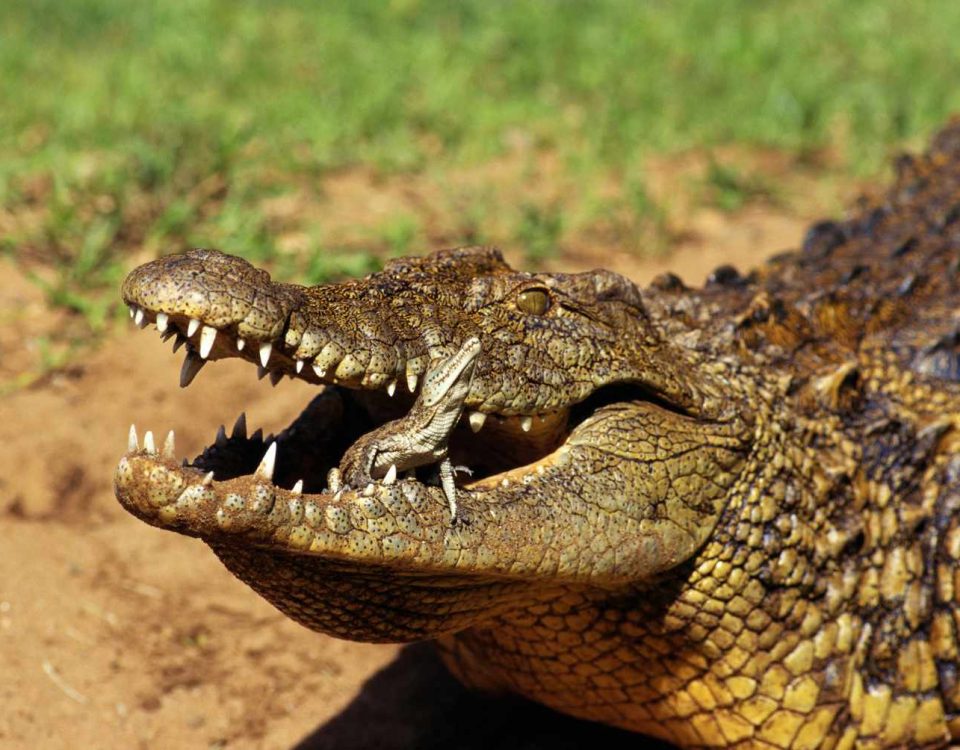
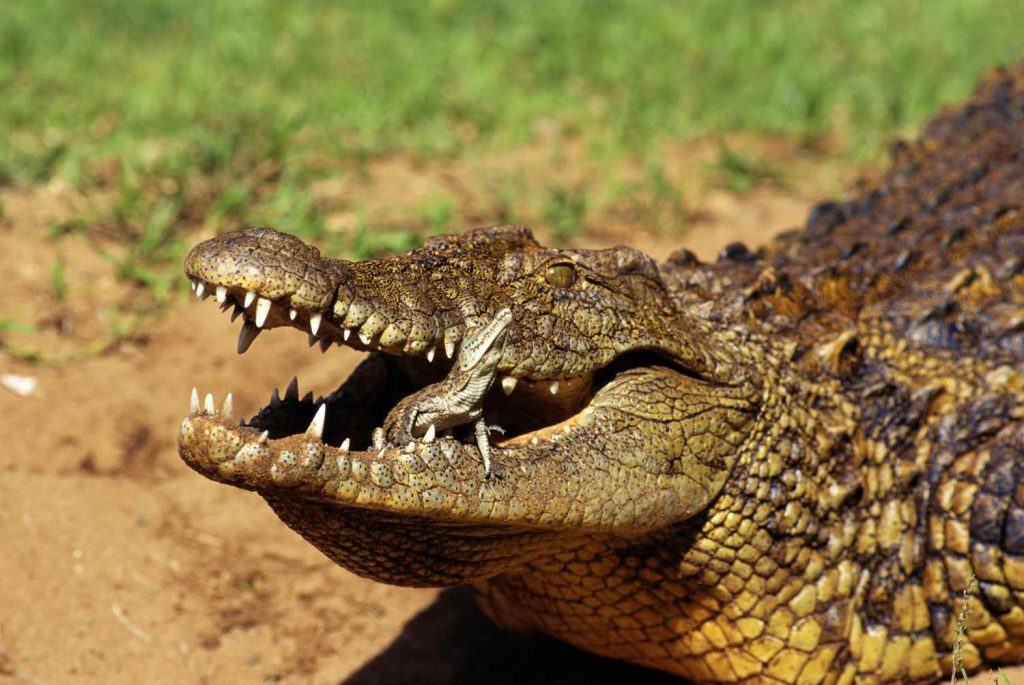
Beyond individual species patterns, the Great Migration’s movement through the Serengeti ecosystem creates a broader, cascading effect on predator activity generally, since the sheer volume of prey moving through a given area draws and sustains higher predator densities than would otherwise gather in the same space. The dramatic river crossings occurring roughly between June and October at the Grumeti and northern Mara rivers concentrate not just wildebeest and zebra but also the crocodiles, lions, and other predators that have learned to anticipate these seasonal bottlenecks, making the crossing zones during this window among the most predator-dense locations anywhere in Tanzania at any time of year.
Ngorongoro Crater’s Unique Predator Density
Ngorongoro Crater deserves particular mention for big cat viewing given its unusual combination of a relatively small, enclosed ecosystem and an exceptionally high resident predator density, including lions, and occasionally leopard and serval sightings along the crater floor’s denser vegetation zones. This concentration, largely independent of the seasonal migration patterns driving predator movement elsewhere in the Serengeti ecosystem, makes the crater one of Tanzania’s few locations offering genuinely reliable big cat viewing regardless of which month a trip falls in, a significant advantage for travelers with fixed, inflexible travel dates unable to plan specifically around the Serengeti’s more seasonal predator patterns.
Ruaha and the Southern Circuit’s Predator Scene
Tanzania’s southern circuit, particularly Ruaha National Park, offers a genuinely different big cat experience than the northern parks, with substantial resident lion prides, some of the largest recorded anywhere in East Africa, alongside healthy leopard populations along the Great Ruaha River’s riverine woodland. Ruaha’s dry season, roughly June through October, concentrates wildlife density around the shrinking river considerably, making this the most productive period for predator sightings in the park, mirroring the broader pattern seen across Tanzania where the dry months generally concentrate both prey and predators around diminishing water sources.
Weather and Visibility Considerations
Beyond wildlife concentration patterns, practical visibility conditions also affect the overall big cat viewing experience considerably. The dry season’s shorter grass across most Tanzanian parks makes spotting cats resting in open terrain considerably easier than during the wetter months, when taller grass can conceal even large predators at surprisingly close range. Photographers in particular tend to favor the dry season for this reason, since both the improved visibility and the golden, dust-filtered light common during these drier months generally produce more striking images than the flatter, more diffused light typical of the rainy season.
Wild Dogs and Other Predators Worth Watching For
While lions, leopards, and cheetahs draw the most attention, Tanzania’s predator guild extends considerably further, and travelers focused narrowly on the “big three” sometimes overlook equally compelling sightings of African wild dogs, spotted hyena, and serval cats. Nyerere National Park and the broader southern circuit host one of Africa’s largest remaining wild dog populations, a species increasingly rare across its historical range given habitat fragmentation and disease pressure, and packs here remain most active and visible during the cooler early morning and late afternoon hours regardless of season, though denning season around June and July, when packs remain concentrated near a fixed den site with pups, offers particularly reliable viewing for travelers specifically hoping to see this endangered species. Spotted hyena, often dismissed unfairly as a lesser sighting compared with the more celebrated cats, display genuinely fascinating social behavior worth watching closely, particularly around den sites where cubs and clan interactions offer some of the more entertaining and educational wildlife viewing available across Tanzania’s parks.
How Rainfall Timing Shifts From Year to Year
Because Tanzania’s seasonal wildlife patterns depend directly on rainfall, and rainfall itself varies meaningfully from year to year rather than following a perfectly fixed calendar, travelers planning a trip specifically around predator viewing benefit from confirming current conditions with an operator relatively close to their travel dates rather than relying purely on historical seasonal averages published years earlier. A late or unusually heavy rainy season can shift migration timing and water-source concentration patterns by several weeks in either direction, meaning the general seasonal guidance outlined here should be treated as a strong starting framework rather than a guaranteed fixed schedule, particularly for travelers booking many months in advance of their actual travel dates.
Combining Parks for the Best Overall Odds
Given how much predator viewing quality varies by park and season, travelers with sufficient time often maximize their overall big cat viewing success by combining multiple parks within a single itinerary rather than concentrating an entire trip in one location. Pairing a few nights in Ngorongoro Crater, offering reliable year-round lion density, with time in the Serengeti timed around either the dry season or the calving period, and potentially extending into Tarangire for its own strong leopard and lion populations, spreads the statistical odds of strong sightings across several distinct ecosystems and seasonal patterns rather than betting an entire trip’s success on a single park’s conditions during a specific week.
Planning a Trip Around Big Cat Viewing
Travelers whose primary safari priority is maximizing big cat sightings across multiple species should generally target the dry season, roughly June through October, when concentrated wildlife, improved visibility, and predictable water-source-driven animal movement combine to produce Tanzania’s most consistent predator viewing conditions across nearly every major park. Those specifically chasing cheetah sightings during the calving season should instead prioritize a January-through-March visit to the southern Serengeti plains, while travelers with fixed or inflexible dates outside either peak window can still count on Ngorongoro Crater’s relatively season-independent predator density to deliver strong lion viewing regardless of timing. Combining a northern circuit trip through the Serengeti with a stop at Ngorongoro remains the most reliable overall strategy for travelers hoping to maximize their chances across all of Tanzania’s major big cat species within a single, well-timed itinerary.
Ultimately, no single month guarantees every big cat species on demand, and even the best-timed safari involves an element of luck alongside sound planning. Working with an experienced operator who tracks current conditions, adjusts routing based on recent sighting reports, and understands the specific behavioral patterns of each species gives travelers the strongest possible foundation for a trip built around Tanzania’s remarkable predator diversity, regardless of which particular month ultimately fits a traveler’s own schedule and constraints.