Upstream of Ruaha National Park’s famous dry-season river corridor lies a vast, little-known wetland system that determines, more than almost any single factor, whether that downstream river runs strong or nearly dries up entirely. The Usangu Wetlands, sprawling across the Usangu Basin in Tanzania’s southern highlands, function as the hydrological heart of an entire ecosystem, and their story is as much about water politics and conservation challenges as it is about the wildlife and birdlife the wetlands themselves support.
A Wetland System of Continental Significance
The Usangu Wetlands form part of the Great Ruaha River’s catchment, a vast seasonal floodplain system historically fed by rainfall and by numerous smaller rivers draining off the surrounding highlands before eventually channeling that water downstream into the Great Ruaha River itself. At their fullest extent during and immediately after the wet season, the wetlands cover a substantial area of the Usangu Basin, creating a mosaic of seasonal lakes, marshland, and flooded grassland that historically functioned much like a natural reservoir, absorbing wet-season rainfall and releasing it gradually through the drier months to sustain the Great Ruaha’s flow well into what would otherwise be a nearly waterless dry season downstream.
Incorporation Into Ruaha National Park
Recognizing the wetlands’ critical hydrological importance to the broader Ruaha ecosystem, Tanzanian authorities incorporated a significant portion of the Usangu Wetlands into an expanded Ruaha National Park in 2008, a major boundary extension that roughly doubled the park’s total area and brought the wetlands under the same formal conservation protections applied to the park’s better-known dry-season game-viewing areas further downstream. This incorporation reflected a growing recognition among conservation planners that protecting a river’s downstream wildlife spectacle effectively requires protecting its upstream water source as well, since no amount of anti-poaching enforcement or tourism management along the Great Ruaha’s banks could compensate for a catchment system degraded or drained upstream of the park’s more heavily visited sections.
Birdlife Within the Wetlands
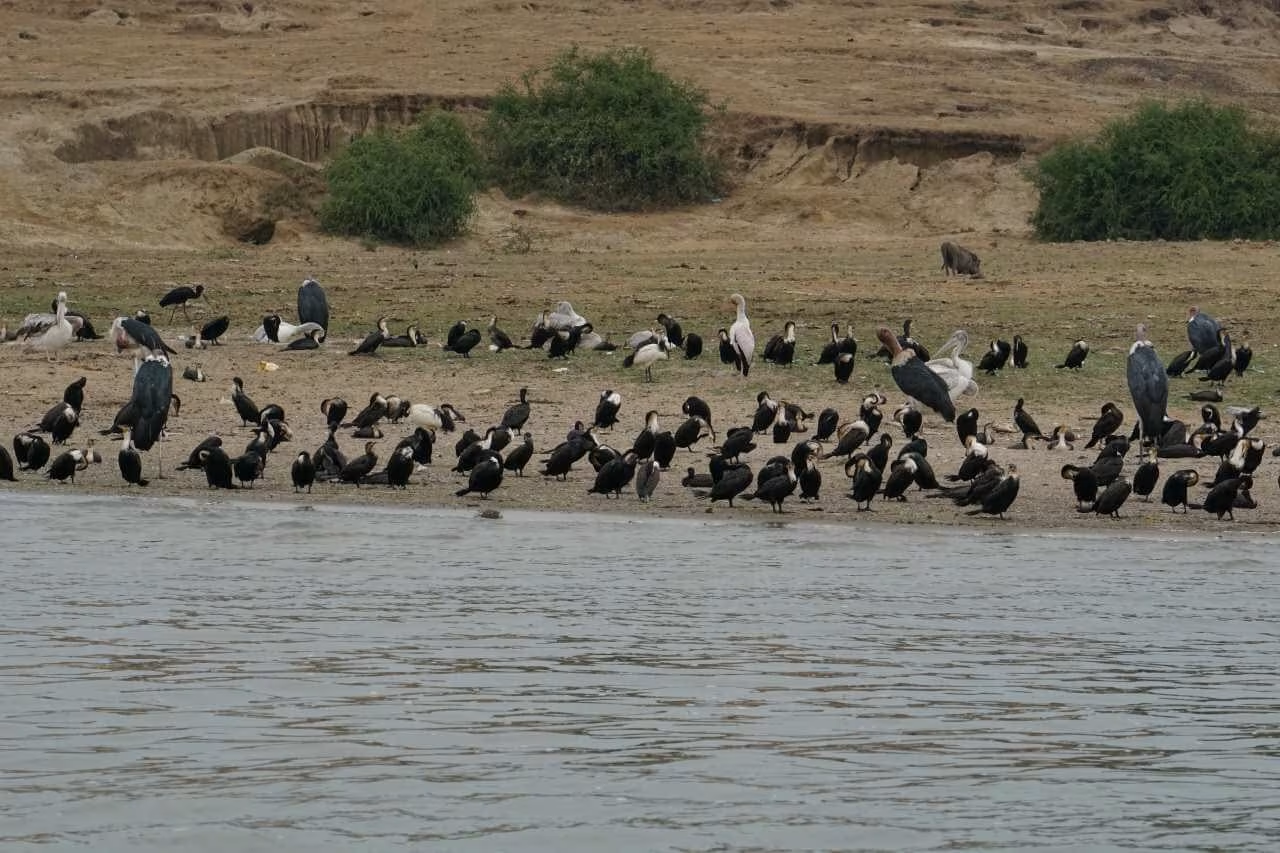
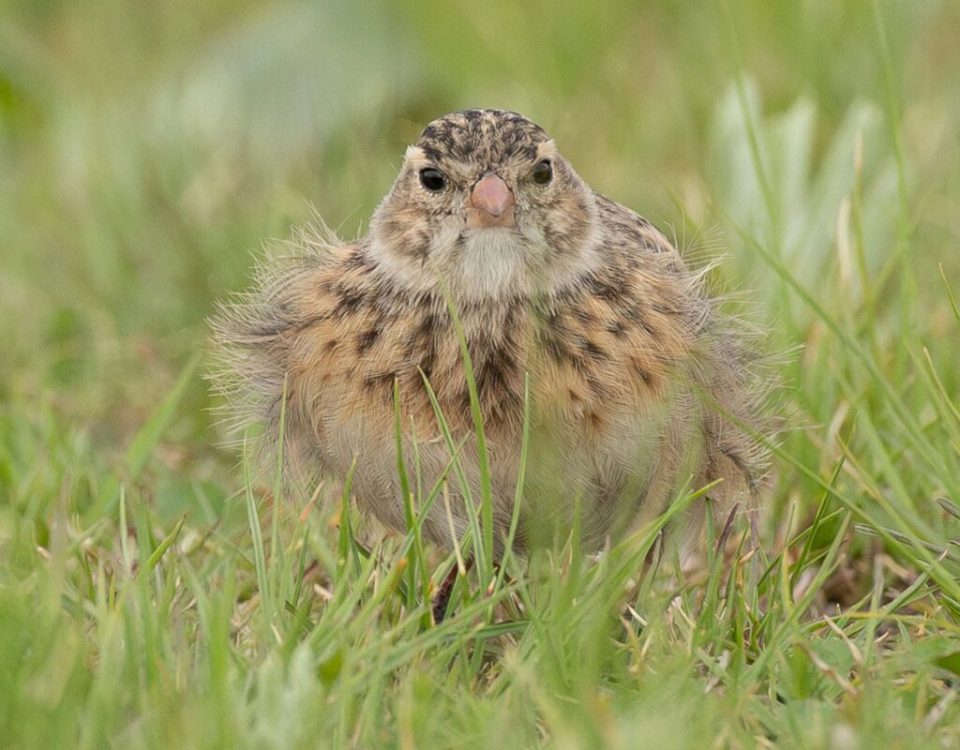
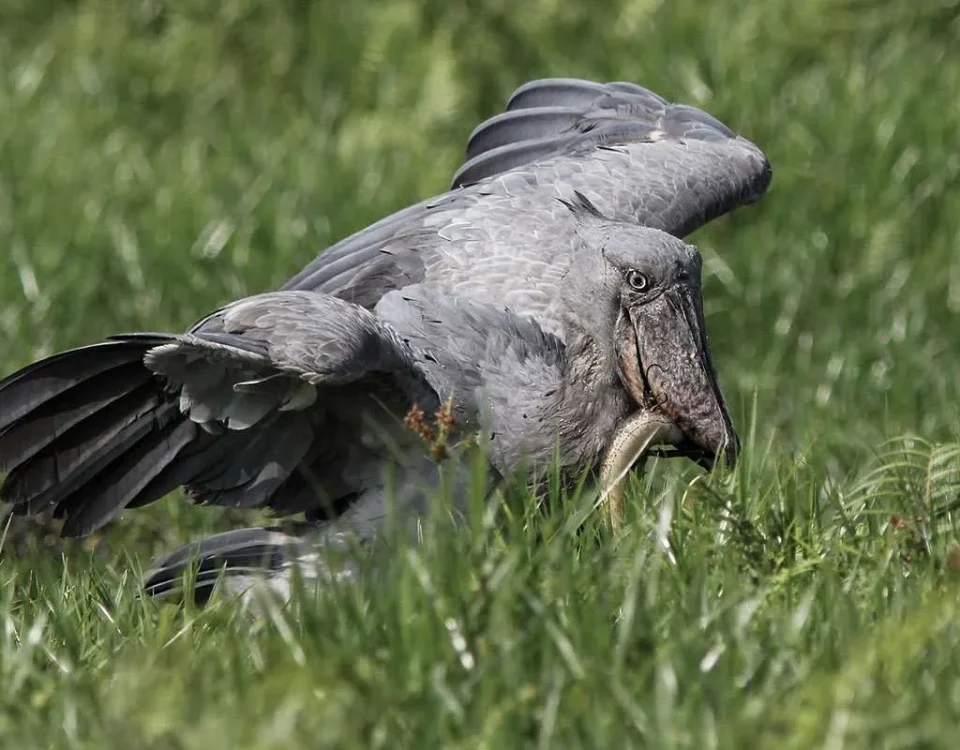
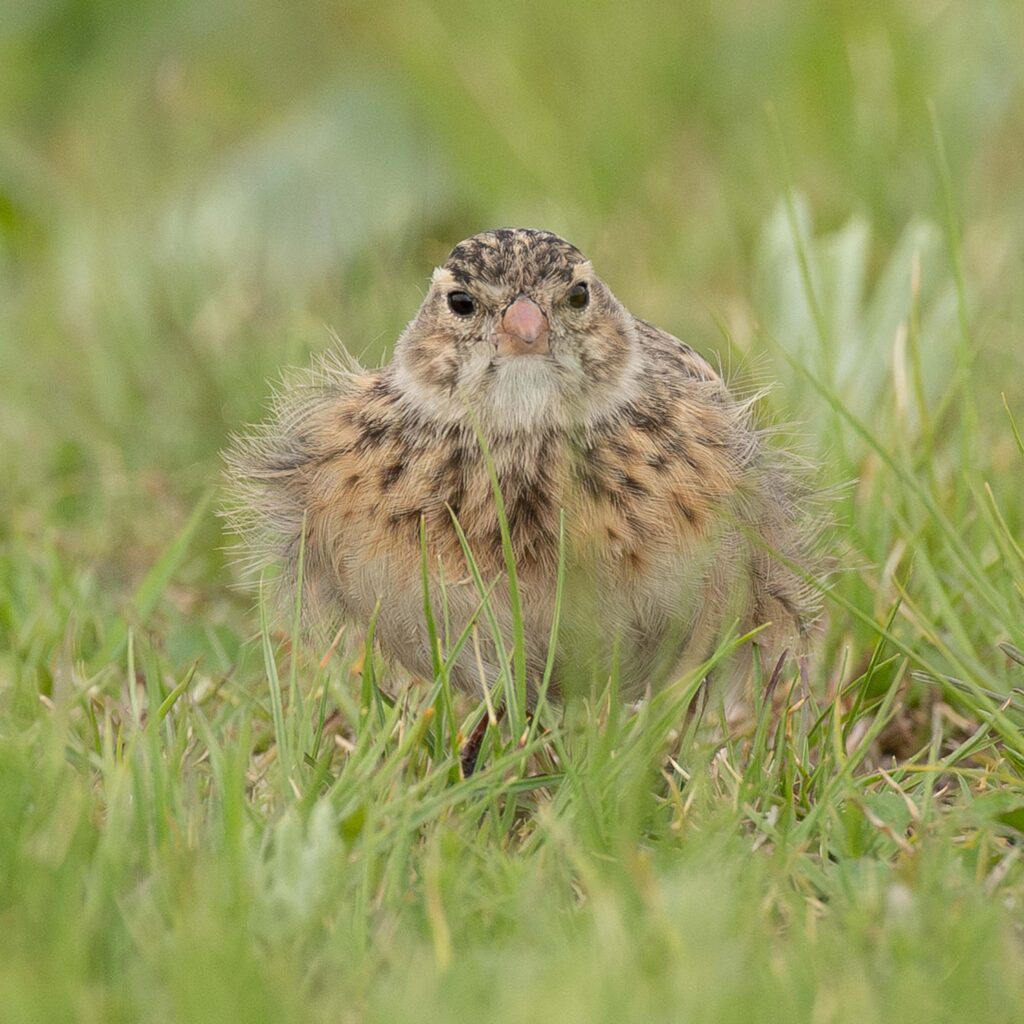
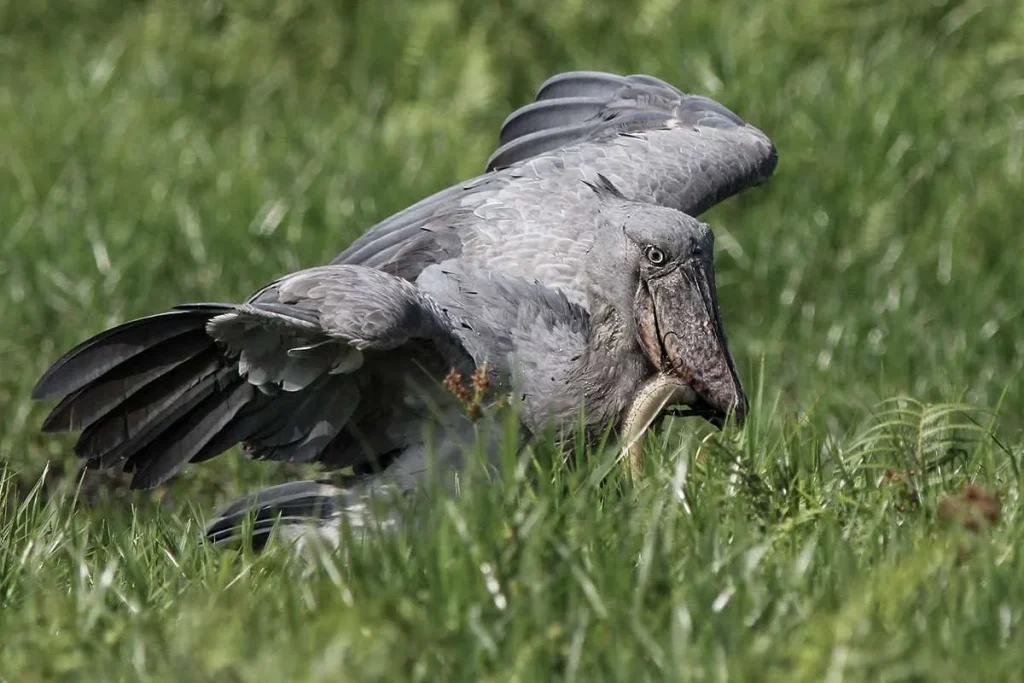
The Usangu Wetlands support an exceptional range of birdlife, drawing both resident wetland species and significant numbers of migratory birds that use the seasonal floodplain as a stopover or wintering ground during their broader regional movements. Wattled cranes, a species of particular conservation concern across much of their African range given wetland habitat loss more broadly, have been recorded within the Usangu system, alongside large concentrations of waterfowl, herons, and other wetland-dependent species that find comparatively little equivalent habitat elsewhere across Tanzania’s more arid southern circuit landscape. This birdlife richness has drawn growing interest from specialist birding tour operators, even as the wetlands themselves remain far less developed for general tourism than Ruaha’s main game-viewing sectors.
A Habitat Distinct From the Rest of Ruaha
The wetland habitat itself, with its seasonal lakes, papyrus stands, and flooded grassland, offers a strikingly different landscape from the baobab-studded dry woodland most visitors associate with Ruaha, giving the park a genuinely dual ecological identity spanning both wetland and dry savanna habitat types within a single protected area.
Water Extraction Pressures and Ecological Decline
Despite its formal protection, the Usangu system has faced significant ecological pressure over recent decades, primarily from upstream water extraction for irrigated rice farming and other agricultural uses across the broader Usangu Basin, activity that occurs largely outside the national park’s own boundaries and therefore beyond the direct control of park management alone. This upstream extraction has been directly linked by hydrologists and Tanzanian water authorities to periods of severely reduced or, in some years, completely halted dry-season flow in the Great Ruaha River downstream within the national park itself, a stark illustration of how conservation success within a park’s formal boundaries can depend heavily on water and land-use decisions made by communities and agricultural interests operating well outside those same boundaries.
Conservation and Water Management Responses
Addressing the Usangu system’s ecological pressures has required a coordinated approach considerably more complex than standard wildlife park management, involving Tanzanian water basin authorities, agricultural extension programs working with upstream farming communities, and conservation organizations focused specifically on river basin management rather than traditional wildlife protection alone. Efforts have included water-use efficiency programs for irrigated rice farming, the basin’s dominant agricultural activity, along with broader river basin management planning aimed at balancing agricultural water needs against the ecological water requirements of the downstream national park ecosystem. Progress has been gradual and the underlying tension between agricultural livelihoods and downstream ecological needs remains an ongoing management challenge rather than a fully resolved issue.
Research and Monitoring Efforts
Scientific research into the Usangu system’s hydrology and ecology has expanded considerably since the wetlands’ incorporation into Ruaha National Park, with Tanzanian and international researchers collaborating on long-term monitoring of both river flow patterns and the wetland’s broader ecological health. This research has proven essential in building the evidence base used to advocate for upstream water management reforms, translating what might otherwise remain an abstract concern about agricultural water use into concrete, measurable data linking specific irrigation practices to specific downstream flow reductions within the national park. Funding for this kind of sustained ecological monitoring remains a persistent challenge, as it does for much conservation research across Tanzania’s protected area network, and continued international research partnerships have played an important role in sustaining the data collection needed to track the system’s condition over time.
Visiting the Usangu Wetlands Today
Tourism infrastructure within the Usangu Wetlands themselves remains minimal compared with Ruaha’s main game-viewing circuit further downstream, and most visitors to Ruaha National Park never venture into this section of the park at all, focusing instead on the more established, more accessible riverine game-viewing areas where camps and roads have been developed over a much longer period. Specialist birding and photography operators occasionally arrange dedicated trips into the Usangu section for travelers with specific interest in the wetland ecosystem and its bird life, though these trips require more advanced planning and typically involve considerably more basic camping arrangements than the established luxury and mid-range camps found in Ruaha’s main tourist areas.
Wildlife Beyond Birds Within the Wetland System
While birdlife draws the most specific attention from specialist visitors, the Usangu Wetlands also support a range of other wildlife adapted to the seasonal floodplain environment, including populations of hippo and various antelope species that make use of the wetland margins during different points in the annual flood and dry cycle. Elephants, too, range into parts of the wetland system seasonally, taking advantage of the extended green vegetation the wetlands sustain even after surrounding drier habitats have browned off considerably, adding another dimension to how the Usangu system supports Ruaha’s broader wildlife populations beyond its primary hydrological function. Predators including lion occasionally follow this prey movement into the wetland fringes, though the deeper, more genuinely marshy sections of the system remain considerably less accessible to large terrestrial predators than the drier grassland and woodland habitats found elsewhere across the park.
The Broader Lesson for African River Conservation
The Usangu story has become something of a case study cited well beyond Tanzania itself in discussions of river basin conservation, illustrating a pattern increasingly recognized across African protected areas: that a park’s formal boundary, however well enforced against poaching and illegal activity within it, cannot alone guarantee the ecological health of a river system whose water originates largely outside that same boundary. Conservation planners studying the Usangu case have drawn broader lessons about the need for basin-wide water governance frameworks that explicitly connect upstream agricultural and community water use with downstream conservation objectives, rather than treating protected areas as ecologically self-contained units insulated from land-use decisions made kilometers away in a different jurisdiction entirely. This broader governance challenge remains far from fully solved in the Usangu Basin specifically, but the ongoing effort to address it has positioned the system as an instructive example for similar river-dependent conservation areas elsewhere on the continent.
Why Understanding Usangu Matters for Any Ruaha Visit
Even travelers with no specific plans to visit the wetlands themselves benefit from understanding the Usangu system’s role in shaping what they will actually see during a standard Ruaha safari, since the Great Ruaha River’s condition in any given year, whether flowing steadily or reduced to isolated pools, traces back directly to rainfall and water management patterns within this upstream catchment. Asking a guide or operator about current river conditions, and understanding that those conditions reflect a much larger basin-wide water story rather than simple seasonal rainfall alone, gives visitors a more complete and accurate picture of the ecological forces shaping their safari experience. For travelers planning a broader southern circuit trip through Ruaha National Park, the Usangu Wetlands represent an essential, if largely unseen, piece of the ecological puzzle sustaining the dramatic dry-season wildlife concentrations the park is famous for.
Travelers with a genuine interest in African conservation policy, rather than purely in wildlife sightings themselves, often find the Usangu story among the more intellectually engaging aspects of a Ruaha visit, since it connects the immediate, visible spectacle of elephants digging for water along the riverbank to a much larger, less visible story about rainfall, agriculture, and the difficult trade-offs involved in managing a shared water resource across competing human and ecological needs within a single river basin.