
A Recovery That Remains Fragile
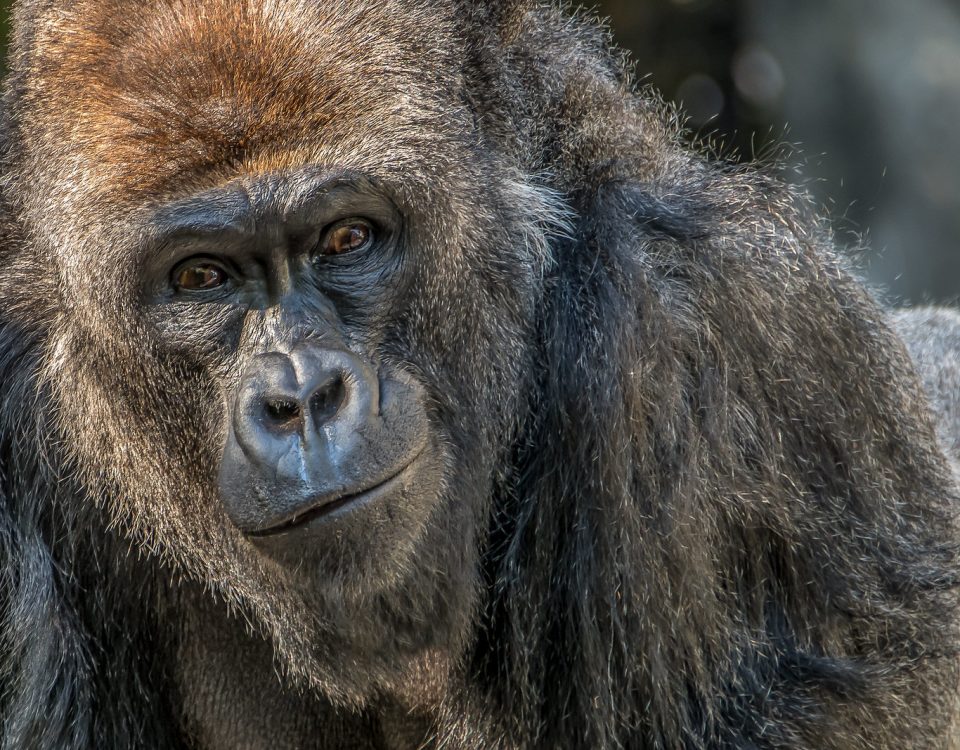
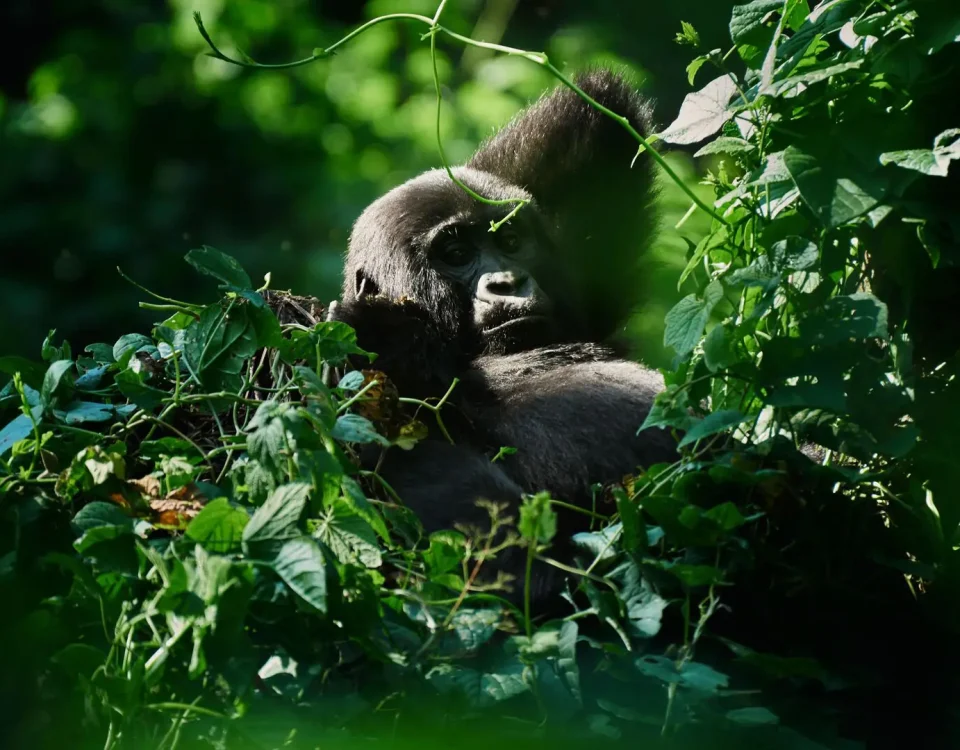
Mountain gorillas represent one of conservation’s genuine success stories, their population climbing from roughly 250 individuals in the 1980s to just over 1,000 today, enough progress that the International Union for Conservation of Nature reclassified the subspecies from Critically Endangered to Endangered in 2018. That progress, however, has not eliminated the threats facing mountain gorillas today, only shifted their nature and, in some cases, their severity. With the entire subspecies confined to two small forest ecosystems in Uganda, Rwanda, and DR Congo, even localized pressures carry outsized risk for a population this small and this concentrated. Understanding these ongoing threats gives real context to why permit fees remain high, why ranger patrols continue every single day, and why conservation organizations describe the recovery as fragile rather than finished.
Habitat Loss and Fragmentation
Mountain gorillas depend entirely on a narrow band of Afromontane forest habitat that has shrunk considerably over the past century, squeezed by growing human populations along nearly every boundary of both Bwindi Impenetrable Forest and the Virunga Massif. Agricultural expansion, driven by some of the highest rural population densities anywhere in Africa, continues to press against park boundaries, leaving almost no buffer zone in many areas between farmland and gorilla habitat. Unlike wider-ranging species that can shift territory as conditions change, mountain gorillas have nowhere left to expand into, since the high-altitude forest they require simply does not exist beyond the current protected area boundaries. This makes existing habitat effectively irreplaceable, a reality that shapes nearly every other conservation decision made across the region.
Disease Transmission From Humans
Because mountain gorillas share close to 98 percent of their DNA with humans, they remain susceptible to many of the same respiratory illnesses that circulate among people, including common colds, influenza, and more serious respiratory infections. Documented disease outbreaks have caused gorilla deaths in the past, and researchers consider disease transmission from tourists, researchers, and nearby communities among the more serious ongoing threats facing mountain gorillas today, precisely because habituated families interact with humans regularly. This risk is managed through strict trekking regulations, including mandatory minimum viewing distances, exclusion of visibly ill visitors, and mask requirements introduced across all three range countries in recent years, but the underlying vulnerability persists as long as habituated gorillas continue sharing forest space with humans on a daily basis.
Snares Set for Other Wildlife
While mountain gorillas are rarely the deliberate target of poaching today, given the risks poachers face and the close monitoring habituated families receive, they remain vulnerable to snares set by hunters targeting antelope, bushpigs, and other forest wildlife for bushmeat. Gorillas, particularly curious juveniles, can become caught in these wire snares, sometimes suffering serious injury or losing a hand or foot before rangers are able to free them. Regular snare-removal patrols form a core part of daily ranger duties across Bwindi and the Virunga parks, and while incidents have declined substantially compared to past decades, they have not been eliminated entirely, particularly in areas bordering communities facing significant food insecurity.
Human-Wildlife Conflict and Crop Raiding
As gorilla families forage near the sharply defined edge between protected forest and cultivated farmland, they occasionally cross into nearby gardens in search of food, damaging crops that represent a meaningful portion of a household’s income in communities already living close to subsistence levels. This friction generates understandable frustration among affected farmers and can, without careful management, undermine local support for gorilla conservation more broadly. Programs addressing this tension through compensation schemes, physical barriers, and community engagement are covered in detail in our article on human-gorilla conflict and managing crop raiding around Bwindi, which looks specifically at how park authorities balance gorilla protection with the legitimate needs of neighboring farmers.
Climate Change and Shifting Habitat Conditions
A newer and less immediately visible threat comes from climate change, which is gradually altering rainfall patterns, temperature ranges, and vegetation composition across the Albertine Rift region that mountain gorillas call home. Shifts in the timing and intensity of rainy seasons can affect the availability of key food plants, while rising temperatures may eventually push suitable habitat conditions to higher elevations than currently protected, a slow-moving pressure that conservationists are only beginning to fully understand. Our dedicated article on how climate change is affecting gorilla habitat in the Albertine Rift explores this emerging threat in greater depth, including the research currently underway to track its long-term implications.
Low Genetic Diversity and Small Population Risk
The severe population bottleneck mountain gorillas experienced through the twentieth century left the subspecies with notably low genetic diversity, a legacy that continues to concern conservation geneticists even as overall numbers recover. A population with limited genetic variation is generally less resilient to novel diseases and less able to adapt to changing environmental conditions, meaning the mountain gorilla’s small numbers remain a structural vulnerability regardless of how effectively other threats are managed. This is part of why ongoing veterinary monitoring and genetic research remain priorities for organizations working across all three range countries, tracking not just population totals but the underlying health of the gene pool itself.
Wildlife Trafficking and Regional Instability
Although direct poaching of adult gorillas has become rare, wildlife trafficking networks operating across the Virunga landscape continue to pose a threat, particularly around the illegal trade in gorilla infants for the exotic pet market, a trade that typically requires killing protective adult family members to capture a single infant. Ongoing conflict and instability in eastern DR Congo compounds this risk considerably, disrupting ranger patrols, complicating cross-border cooperation, and occasionally placing gorilla habitat directly within contested territory. Virunga National Park has lost well over a hundred rangers in the line of duty defending the park and its wildlife, a stark illustration of how serious this threat remains. Our article on the ongoing fight against wildlife trafficking in the Virunga landscape covers the enforcement and intelligence efforts working to counter this trade.
The Ebola Question and Broader Disease Risk
While mountain gorillas have so far been spared the devastating Ebola outbreaks that have killed large numbers of western lowland gorillas in Central Africa, researchers treat this as a matter of exposure and geography rather than immunity, and they continue monitoring closely for any sign of the virus reaching populations in Uganda, Rwanda, or DR Congo. The western lowland gorilla experience offers a sobering reference point: some studies estimate that Ebola outbreaks contributed to population declines of a third or more in affected areas during the worst outbreaks of the 2000s. This history is part of why biosecurity protocols around mountain gorilla trekking remain so strict, treating every potential disease pathway, human or otherwise, as a genuine threat rather than a remote possibility.
Monitoring and Research as a Frontline Defense
Much of the effort to manage these threats happens quietly, through daily ranger patrols, veterinary check-ups on habituated families, and ongoing research tracking everything from group health to genetic diversity. Veterinary teams associated with programs such as Gorilla Doctors conduct regular health monitoring across habituated families in all three range countries, intervening directly when a gorilla is found caught in a snare or showing signs of respiratory illness. Researchers also study gorilla dung and other indirect signs to monitor health and diet without requiring direct physical contact, a non-invasive approach that has become a standard tool in tracking the population’s overall condition over time. This kind of continuous, detailed monitoring allows threats to be identified and addressed quickly, often before they can escalate into a broader crisis for a family or the wider population.
Tourism Pressure and the Balance It Requires
Even gorilla trekking tourism itself, the very activity that funds much of modern conservation, carries a degree of risk if not carefully managed. Overly frequent visits, poorly enforced distance rules, or excessive daily trekking numbers could theoretically stress habituated families or increase disease exposure over time. Wildlife authorities in Uganda, Rwanda, and DR Congo address this by capping daily permits per family, limiting group size to eight visitors, and enforcing a strict one-hour viewing limit, striking a deliberate balance between generating the revenue conservation depends on and protecting the animals that revenue is meant to protect.
Why Continued Vigilance Matters
None of these threats facing mountain gorillas today exist in isolation, and none has been fully eliminated even after decades of dedicated conservation work. Habitat loss, disease risk, snares, climate pressure, low genetic diversity, and regional instability all interact in ways that make the population’s continued recovery dependent on sustained funding, cross-border cooperation, and constant vigilance from rangers, researchers, and the communities living alongside Bwindi Impenetrable National Park and the Virunga Massif. Every trekking permit purchased today helps fund exactly this ongoing work, making the choice to trek responsibly, and to follow every rule guides explain during the pre-trek briefing, a direct contribution to keeping these threats manageable for the next generation of mountain gorillas.
Visitors who leave the forest with a clearer understanding of these pressures often find their trek carries a different kind of weight afterward, less a checklist wildlife sighting and more a firsthand look at a conservation effort still very much in progress. The mountain gorilla’s recovery from the brink of extinction stands as proof that dedicated, well-funded protection can work even for a species with such a small, fragile population, but it also stands as a reminder that the threats facing mountain gorillas today have not disappeared, only changed shape, and require the same sustained commitment that produced the recovery in the first place.