The Top 5 Main Attractions in Rwanda
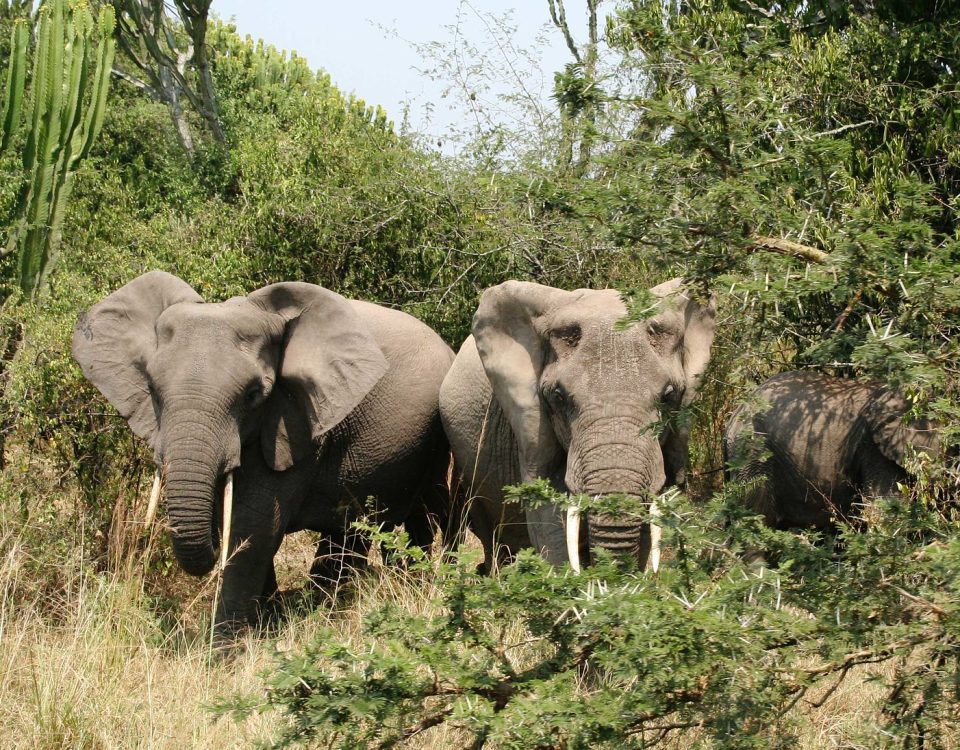
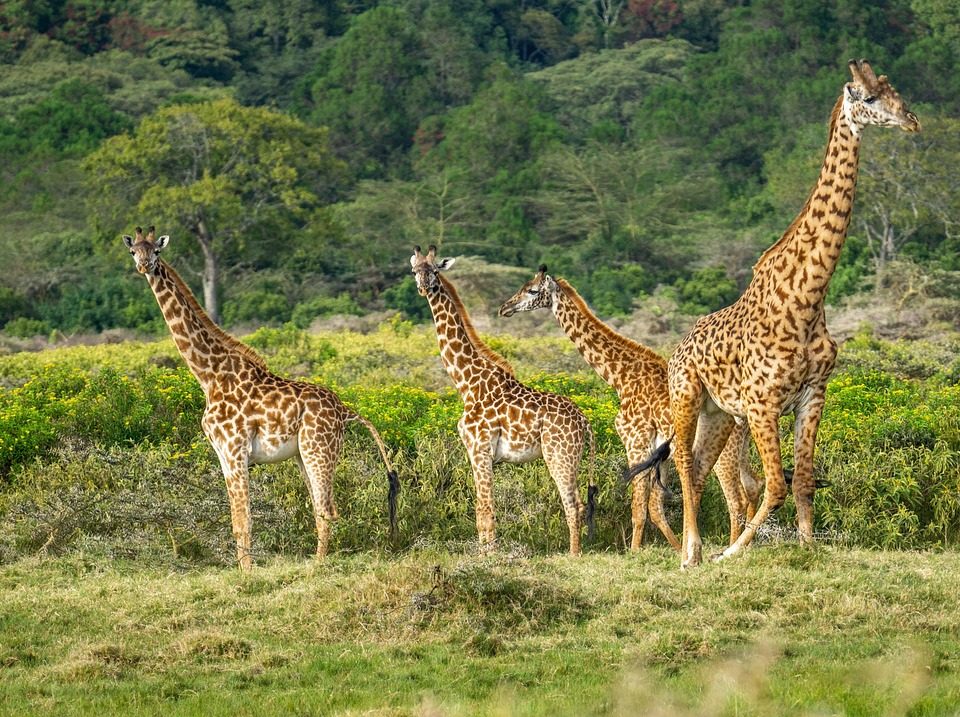
Rwanda is a small country in eastern Africa known for its beautiful landscapes, rich culture, and unique wildlife. Many call it the most peaceful country in the world. It has low crime, a strong education system, and fast-growing infrastructure. The “land of a thousand hills” is also one of the last strongholds of the endangered mountain gorilla. Visitors can see gorillas, golden monkeys, and chimpanzees. Lions, elephants, rhinos, giraffes, and zebras roam its savannah parks. Rwanda is equally known for its coffee, its tea, and the warmth of its people. Here are the top five attractions to know before you visit.
1. Game Parks
Rwanda has four national parks, each offering a different kind of experience.
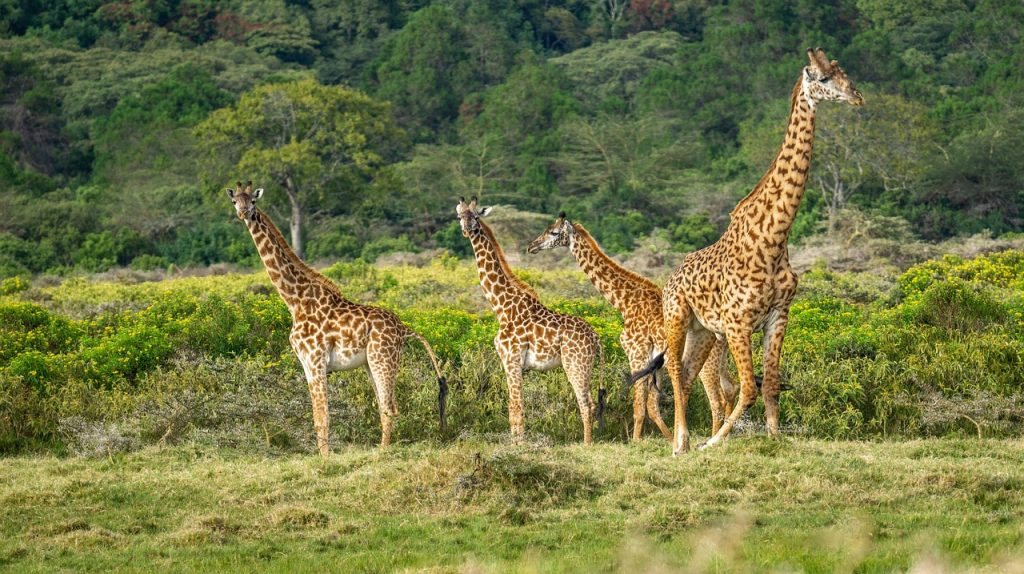
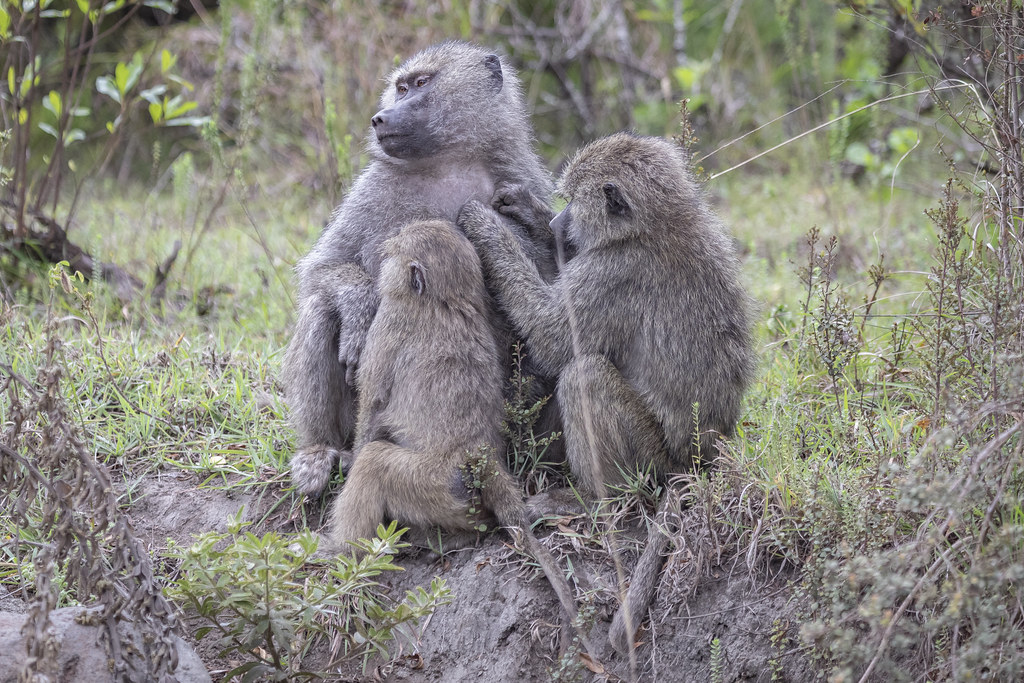
Akagera National Park is one of the oldest parks in the region and the country’s only savannah park. It holds the African Big Five: lion, buffalo, rhino, elephant, and leopard. You’ll also find giraffe, topi, zebra, antelope, hyena, and impala, along with primates like vervet monkeys and olive baboons. Birders come here for the rare shoebill stork, red-faced barbet, and swamp flycatcher.

Volcanoes National Park earns its reputation as the best place in the world for gorilla trekking. Set in the Virunga Mountains, it protects roughly a third of all mountain gorillas left on Earth. Watching a gorilla family in this landscape is an experience most visitors describe as unforgettable. The park also ranks among the only places to see the golden monkey, a rare, brightly colored primate that lives nowhere outside the Virunga range.
Nyungwe Forest National Park is one of Africa’s most biodiverse reserves, home to over 1,000 plant species, 300-plus bird species, and 13 primate species, including chimpanzees and black-and-white colobus monkeys. Beyond primate trekking, the park’s canopy walkway gives visitors a rare view over the forest itself.
2. Genocide Memorial Sites
A genocide memorial visit is a sober, educational part of many Rwanda itineraries. In 1994, the genocide killed over 800,000 people in just 100 days. The memorial sites that followed exist to honor those lost and to make sure the world does not forget what happened.
The Kigali Genocide Memorial, near Gisozi, about ten minutes from the city center, is the largest of these sites and the burial ground for more than 250,000 victims. It opened in 2004 to mark the tenth anniversary of the genocide, and it includes a museum, a memorial garden, and an education center.
The Nyarubuye Memorial, at a former church in eastern Rwanda, keeps much of the original damage visible as part of the historical record. It is a difficult but significant stop for travelers seeking a deeper understanding of this period in Rwanda’s history.
3. Cultural Sites
The King’s Palace Museum was once home to King Mutara III Rudahigwa and offers insight into Rwanda’s monarchy, which ended in the early 1950s under colonial rule. The site includes a traditional thatched royal residence alongside a more modern palace that Belgian colonial administrators added later, plus displays of royal artifacts and the milk hut an unmarried woman of the court traditionally managed.

The Iby’iwacu Cultural Village, just outside Volcanoes National Park, means “the treasure of our home.” Former hunters and Batwa community members founded the village and now work in conservation instead, a shift that began in 2005. Visitors can watch the traditional Intore dance troupe perform and take part in local food preparation, from milking cows to making banana beer. Most travelers visit here after a morning of gorilla trekking.
4. The Musanze Caves
The Musanze Caves sit within Volcanoes National Park, in an area also known for gorilla trekking, golden monkey tracking, hiking, and canoeing on Lake Ruhondo. Local Kinyarwanda communities once used the caves to crown new kings. More recently, they sheltered refugees during the 1994 genocide. Today, visitors find green scenery above ground and views toward the Virunga volcanoes, including Karisimbi, Muhabura, and Gahinga.
5. Museums
The Kandt House Museum, in Kigali’s Nyarugenge district, takes its name from Richard Kandt, the German colonial officer who chose the site as his capital in 1907. Dating to 1908, it is the oldest surviving building from that period. The museum underwent renovation in 2004 and took its current name in 2017, and it now covers Rwanda’s natural history and its story before and during German colonial rule, including live reptile displays featuring Nile crocodiles, black mambas, and pythons.
Three sections make up the museum: Rwandan life before colonization, the natural history of Rwanda’s parks (including displays connected to Nyungwe, Akagera, and Volcanoes), and the country’s traditional music, dance, and art. Additional exhibits cover traditional medicine, farming, and daily life under colonial rule.
Planning Your Visit
These five categories only scratch the surface of what Rwanda offers, but together they capture the country’s core appeal: extraordinary wildlife, a serious commitment to remembering its history, and a living culture that welcomes visitors in rather than simply putting itself on display.
Recommended Tours: 3 Days Rwanda Gorilla Trekking Safari | 5 Days Rwanda Gorilla & Golden Monkey