Nyungwe Forest National Park
Nyungwe Forest National Park, in southwestern Rwanda, ranks among Africa’s oldest and most biologically diverse rainforests. Spanning over 1,000 square kilometers of mountainous terrain, this ancient woodland is a biodiversity hotspot of global significance. Unlike the savannah plains of Akagera or the volcanic peaks of the north, Nyungwe offers a misty, montane experience defined by dense canopy, cascading waterfalls, and the calls of primates echoing through the trees. It stands as the largest remaining tract of montane forest in East and Central Africa, and its estimated age of over a million years has given an extraordinary range of species time to evolve and thrive within its boundaries.
The Primate Wealth of Nyungwe
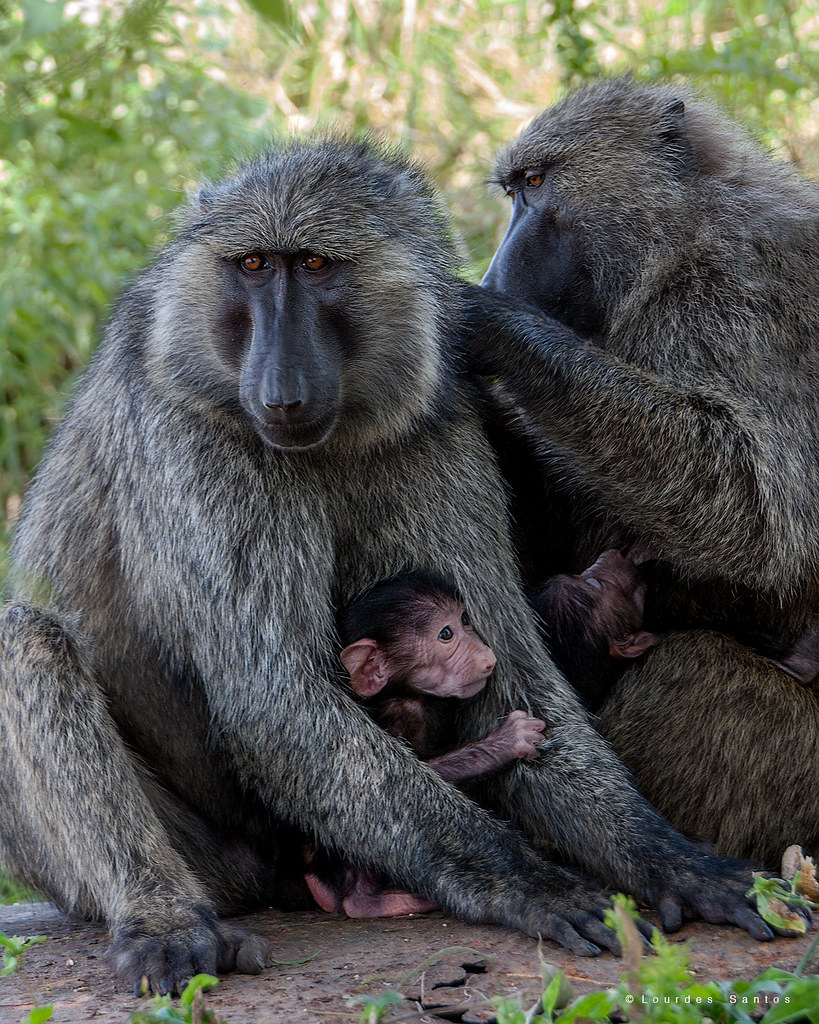
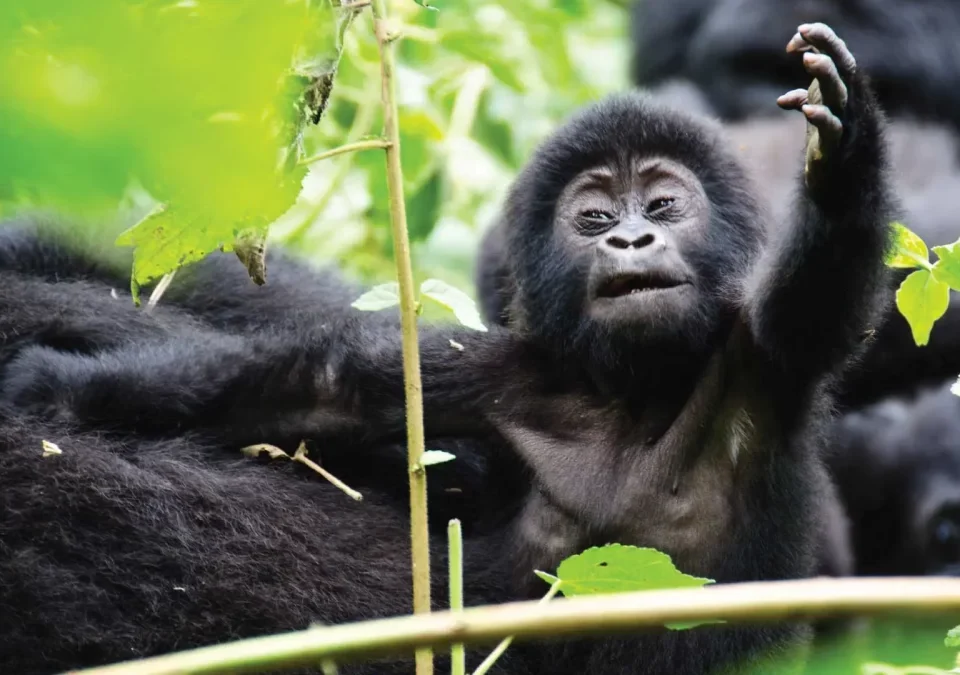
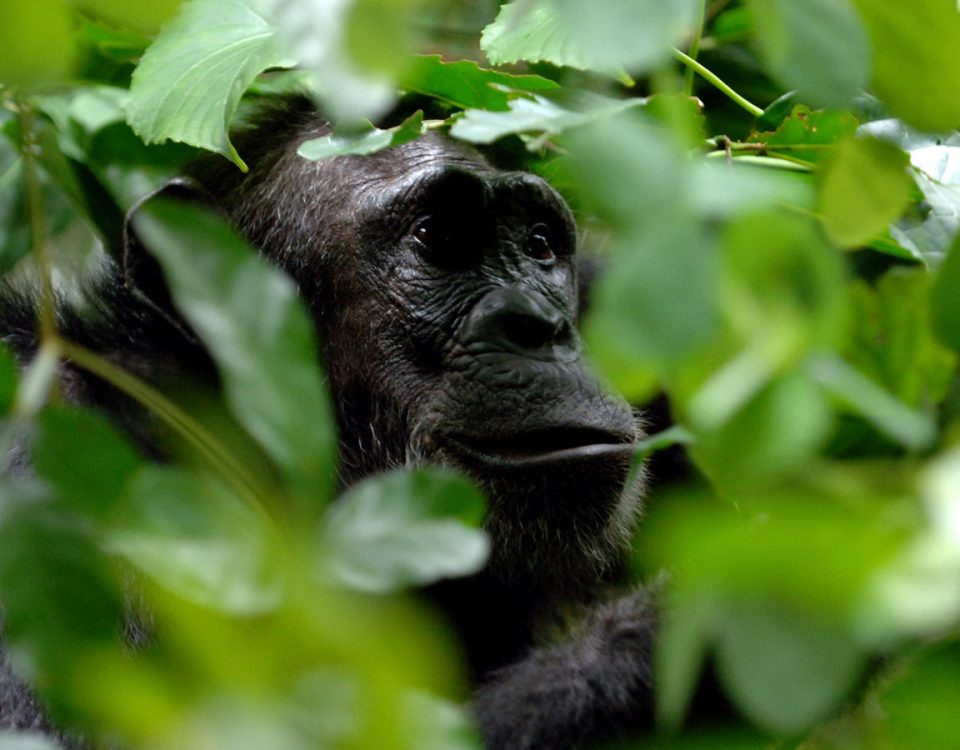
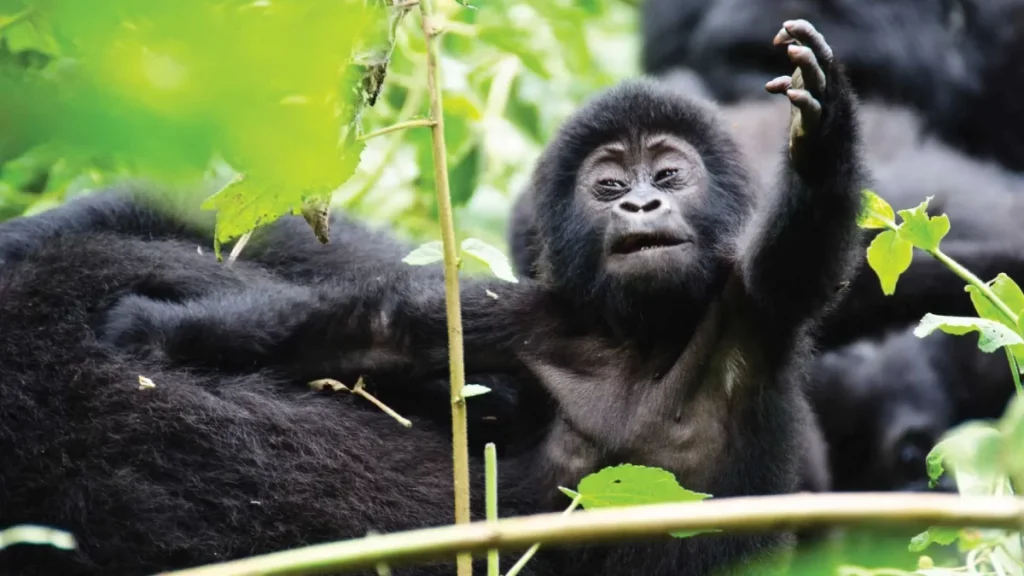
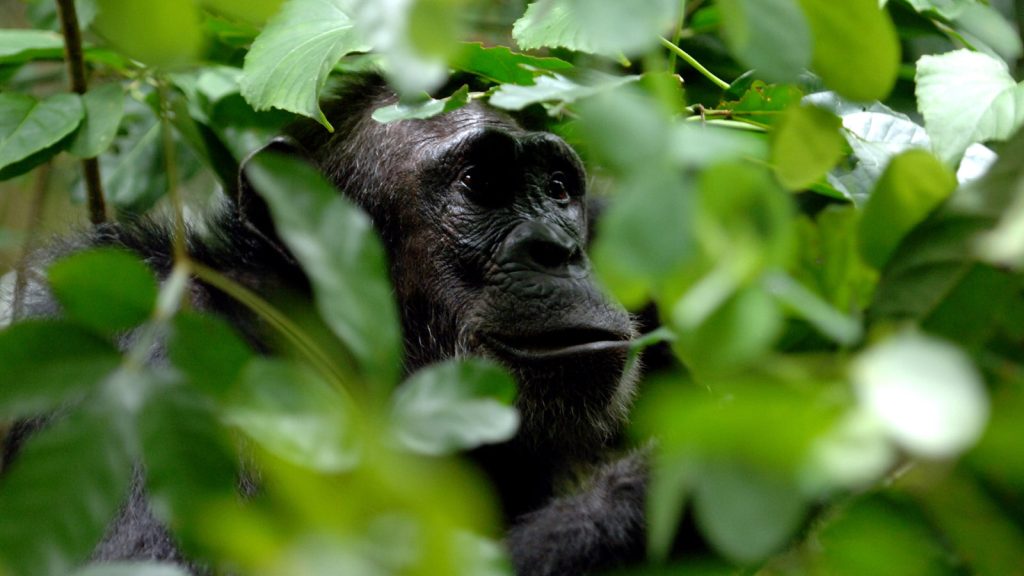
Travelers often describe Nyungwe as a primate paradise, home to thirteen primate species, roughly a third of all primates found on the African continent. The eastern chimpanzee stands as the park’s undisputed star, with a population of over 400 individuals habituated for visitors. Watching these intelligent, social apes in their natural habitat ranks among Africa’s most moving wildlife encounters. The Rwenzori colobus monkey is another highlight, forming troops of up to 400 individuals, among the largest arboreal primate gatherings anywhere in the world; watching these black-and-white monkeys leap through the canopy is unforgettable. The park also holds L’Hoest’s monkeys, silver monkeys, owl-faced monkeys, and the gentle angwantibo, so nearly every forest trail carries the chance of a primate encounter.
The Landscape and Ecosystems
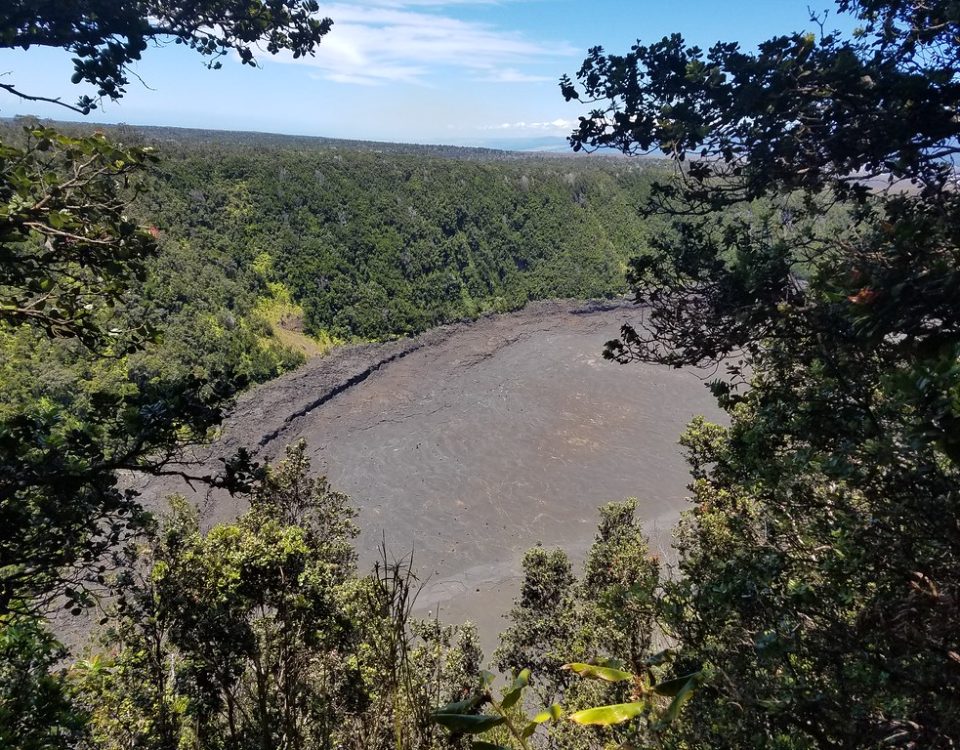
Steep hills, deep valleys, and a high-altitude plateau ranging from 1,600 to nearly 3,000 meters define the park’s terrain. This dramatic topography creates a range of microclimates and habitats, from lowland riverine forest to high-altitude bamboo stands and open swamp. The canopy runs exceptionally dense, its towering trees draped in moss, fern, and orchid. Numerous streams and rivers feed both the Congo and Nile basins here, making Nyungwe a critical water catchment supplying freshwater to millions of people in Rwanda and downstream countries. The interplay of altitude, rainfall, and ancient soils has produced a landscape of striking botanical richness, with over 200 tree species and countless orchids, ferns, and flowering plants.
The Best Time to Visit
Nyungwe holds a humid, tropical climate with rain throughout the year. The main dry seasons, June through September and December through February, offer the most comfortable trekking conditions, with reduced rainfall, drier trails, and better visibility. Chimpanzee trekking tends to be especially productive in these months, since the apes stay lower in the valleys where food is abundant. The wet seasons, March through May and October through November, bring heavy daily downpours that make trails slippery and demanding, but also spectacular greenery, fewer tourists, and lower accommodation prices. The forest looks its most photogenic during the rains, mist swirling through the canopy and waterfalls running at full force.
Getting There and Entry Requirements
Reaching Nyungwe takes planning: it sits roughly five hours by road from Kigali, the route running through the scenic southern province, with unpaved final sections that require a four-wheel-drive vehicle. Many visitors hire a private driver or join an organized tour rather than self-drive. Flying to the nearby Kamembe airstrip, near Rusizi, cuts travel time significantly. Access to Nyungwe stays strictly controlled, and every activity requires an advance-booked permit. Chimpanzee trekking permits cost less than gorilla permits, while standard entry fees cover walking trails and waterfall visits. Confirm current fees directly with the Rwanda Development Board or through a reputable tour operator before traveling.
The Chimpanzee Trekking Experience
Chimpanzee trekking in Nyungwe is rigorous but deeply rewarding. The day starts early, with visitors gathering at park headquarters by 5am for a briefing, since chimpanzees stay most active in the morning. Experienced trackers, who read the forest and the chimpanzees’ feeding patterns, lead each trek, which can run anywhere from two to six hours over steep, often muddy terrain. Once trackers locate the chimpanzees, visitors get a precious hour observing them, an intimate, unfiltered window into feeding, grooming, play, and occasional displays of aggression that reveal the complex social dynamics of our closest living relatives.
The Canopy Walkway and Hiking Trails
The canopy walkway is one of Nyungwe’s signature features and one of very few such structures in Africa. Suspended over a deep valley more than fifty meters up, it consists of a series of bridges stretching across the treetops. Walking the swaying bridges gives a striking view over the forest and its inhabitants from above, with birds, monkeys, and insects visible in the canopy layer. The walk demands a moderate level of fitness and a reasonable head for heights. Beyond the canopy walk, Nyungwe holds an extensive trail network for every fitness level: the Igishigishigi Trail offers a popular short walk, the Kamiranzovu Trail descends into striking marshland, and for the more adventurous, the multi-day Congo-Nile Divide Trail crosses the entire park, with remote wilderness camping far from the main routes.
Birdwatching and Biodiversity
Bird enthusiasts find genuine paradise here, with over 300 recorded species, including 27 endemic to the Albertine Rift. The great blue turaco, with its vivid blue, green, and red plumage, is a common sight, alongside the Rwenzori turaco, red-collared mountain babbler, and handsome francolin. The forest’s varied habitats support a wide range of birdlife, and the early morning chorus makes for an unforgettable listen. Nyungwe’s biodiversity extends well beyond birds and primates, with over 1,000 plant species, countless butterflies, and rare mammals including the giant forest hog and the elusive golden cat.
Accommodation and Practical Considerations
Accommodation in Nyungwe spans luxury lodges to basic guesthouses. Nyungwe House, on a working tea plantation, offers five-star service with panoramic views. One&Only Nyungwe House delivers an ultra-luxury, all-inclusive stay. For mid-range travelers, Nyungwe Top View Hotel offers comfortable rooms with sweeping forest views, while Gisakura Guesthouse provides simple, budget-friendly rooms near park headquarters. Pack carefully: waterproof clothing, sturdy hiking boots, long trousers, and insect repellent are all essential. The forest sits within a malaria zone, so prophylactic medication is strongly advised.
Conservation and the Importance of Your Visit
Nyungwe faces ongoing conservation pressure from surrounding communities’ need for land and resources, and climate change poses a longer-term threat to the forest’s balance. Your visit contributes directly: permit fees and tourism spending fund anti-poaching patrols, ranger salaries, and community development. Choosing to visit Nyungwe supports a model where intact rainforest carries more economic value standing than logged for timber or hunted for bushmeat. This ancient forest, a living record of evolution, continues to hold on against real pressure, and every visit helps ensure Rwanda’s primate paradise remains standing for generations to come.
Recommended Tours: 4 Days Nyungwe & Lake Kivu Nature Safari | 3 Days Chimpanzee Tracking & Canopy Walk Safari