A Term Born From the Hunting Era, Not the Safari Era
Almost every visitor to East Africa arrives already familiar with the phrase Big Five, yet remarkably few know where the term actually originated, or that its meaning has shifted dramatically since it first entered common use. Far from being a modern marketing invention designed to sell safari packages, the Big Five designation dates back to the era of big-game hunting in the nineteenth and early twentieth centuries, and understanding its original context reveals a great deal about how African wildlife tourism evolved from a hunting industry into the photographic conservation economy that now defines it.
Ranking Danger, Not Popularity
The five animals that came to define the term, lion, leopard, elephant, African buffalo, and rhinoceros, were originally selected by professional big-game hunters not for their size, beauty, or rarity, but specifically because they were considered the five most difficult and dangerous animals to hunt on foot. A wounded or cornered member of any of these five species was statistically far more likely to charge, fight back, and kill or seriously injure a hunter than most other African game, and it was precisely this lethal unpredictability, not aesthetic appeal, that earned these five animals their elevated status among hunting professionals working across colonial-era Africa.
Why These Five and Not Others
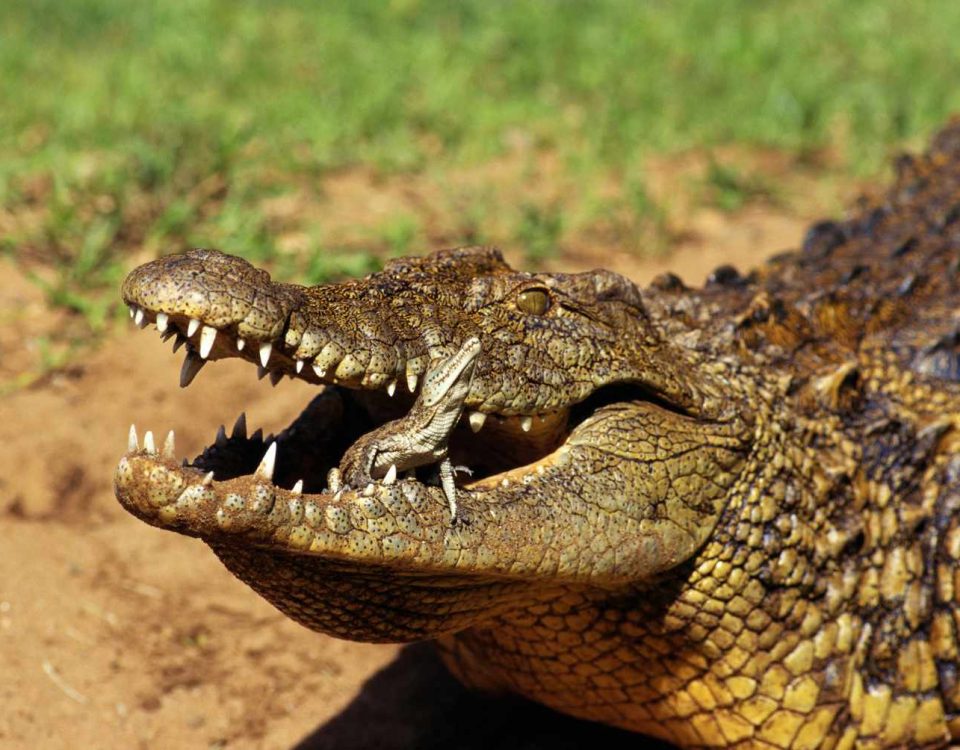
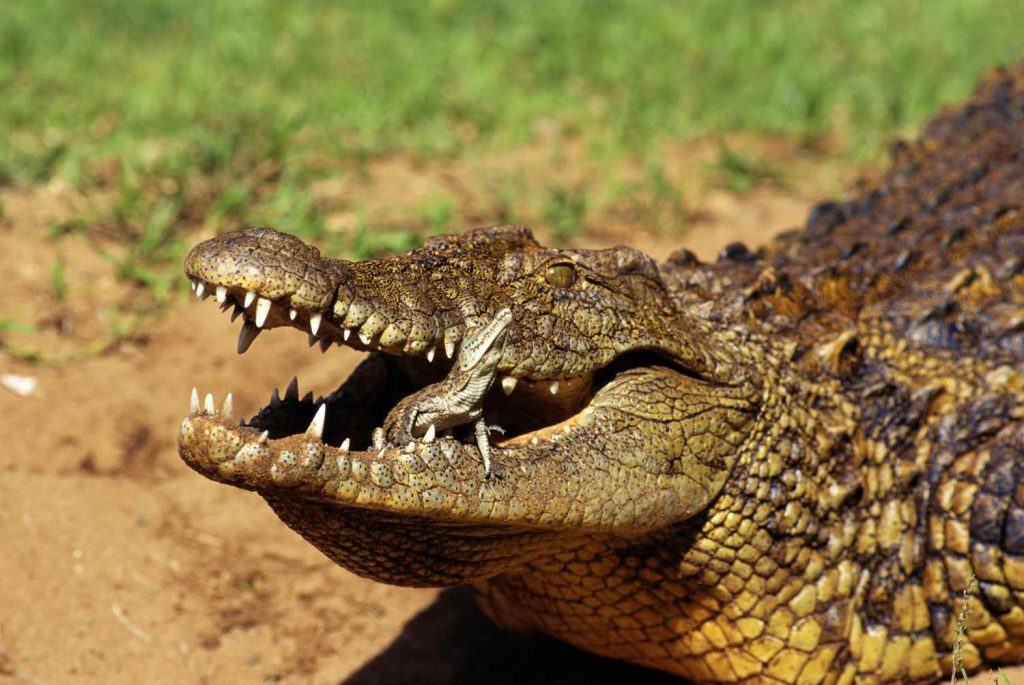
Each member of the original Big Five earned its inclusion through direct hunting experience rather than abstract classification. Elephants, despite their bulk, could turn a hunt fatal in seconds if a shot failed to incapacitate quickly, given their sheer mass and capacity for sustained, determined charges. Cape buffalo, as detailed in our companion piece on why the species is feared more than lions, were notorious among hunters for circling back on a wounded pursuer rather than simply fleeing. Lions and leopards combined speed, power, and the ability to conceal an ambush, while rhinos, despite poor eyesight, could deliver devastating charges when startled or wounded. Notably absent from the list are animals like giraffe, hippo, and crocodile, all of which pose genuine danger to humans but were considered, by the specific standards of big-game hunting on foot, less consistently lethal to a skilled and well-armed hunter than the five species that ultimately claimed the designation.
From Trophy Hunting to Photographic Safari
As organized big-game hunting declined through the mid-twentieth century, giving way to the rise of photographic tourism and, eventually, a much stronger continental conservation ethic, the Big Five terminology survived largely intact, simply migrating from hunting lodges into the marketing language of the emerging safari tourism industry. The five species retained their prestige status, but the underlying reason for that prestige quietly shifted from “hardest to kill” to something closer to “most exciting to photograph,” a transition that occurred so gradually that most modern travelers assume the term has always referred to photographic difficulty or rarity rather than its considerably more dangerous original context.
A Term That Outlived Its Original Purpose
This linguistic survival is somewhat unusual. Most hunting-era terminology faded from common use as trophy hunting became less culturally prominent and more ethically contested across much of the conservation community, yet the Big Five phrase proved remarkably durable, likely because it offered exactly the kind of memorable, achievable checklist that appeals to modern safari marketing, giving first-time visitors a clear, tangible set of sighting goals across a multi-day itinerary. Today, virtually every safari operator across Kenya, Tanzania, and Uganda references the Big Five in some form, even though the overwhelming majority of current safari clients have no interest whatsoever in the hunting context that originally produced the term.
How Guides Use the Term Today
Professional safari guides across East Africa still use Big Five terminology constantly, though largely as a practical shorthand for structuring an itinerary rather than as any genuine reflection of hunting-era danger rankings. A guide planning a multi-day route through the Serengeti or Maasai Mara will often factor Big Five completion directly into route planning, prioritizing areas with recent rhino or leopard sightings on days when a client’s checklist remains incomplete, a logistics-driven use of the term that has little to do with its violent nineteenth-century origins and everything to do with maximizing guest satisfaction within a limited number of game drives. This practical, guest-focused application of the phrase is arguably the primary reason it has remained so entrenched in safari vocabulary long after its original hunting context became culturally distant from the vast majority of modern travelers.
The Modern Meaning Has Genuinely Changed
For today’s traveler, the Big Five functions almost entirely as a photographic bucket list rather than any indication of relative danger, though the underlying behavioral traits that made these species dangerous to hunters, unpredictability, power, and a genuine willingness to defend against a perceived threat, remain exactly the same traits that make sightings so thrilling to witness safely from a vehicle. A tourist photographing a resting lion pride or a grazing buffalo herd is engaging with the same fundamental animal behavior that made these species legendary among hunters a century earlier, simply through a dramatically different and far less destructive lens.
Where to Pursue the Full List Today
East Africa remains one of the most reliable regions on the continent for completing a genuine Big Five sighting within a single trip, with ecosystems like the Serengeti-Mara, Ruaha National Park, and Kenya’s Samburu National Reserve all supporting healthy resident populations of all five species. Rwanda’s Akagera National Park has also rejoined this exclusive group following successful lion and rhino reintroduction programs, restoring the full Big Five to a park where several of these species had been locally extinct for decades, a genuine conservation achievement layered directly onto a piece of hunting-era terminology.
How the Term Shaped Conservation Priorities
The Big Five’s enduring popularity has had consequences that extend well beyond marketing language, shaping which species received the bulk of historical conservation funding, research attention, and park management focus across much of the twentieth century. Because tourism revenue increasingly depended on maintaining healthy, visible populations of these five headline species, park authorities and conservation organizations across Kenya, Tanzania, and Uganda often prioritized their protection above less charismatic but ecologically important species, a pattern conservation biologists now describe using the broader term “flagship species,” animals whose popularity helps generate funding and political support for entire ecosystems rather than for themselves alone. This dynamic cuts both ways: it has undeniably helped fund the anti-poaching and habitat protection efforts that allowed rhino and elephant populations to recover in several East African strongholds, but it has also meant that less visually dramatic species, including many of the antelope, bird, and smaller predator species covered elsewhere in this series, have historically struggled to attract comparable conservation investment despite facing similarly serious threats.
A More Balanced Modern Approach
In recent decades, East Africa’s conservation community has worked deliberately to broaden this narrow focus, promoting concepts like the Little Five, the Ugly Five, and increasingly detailed birding and biodiversity tourism specifically to redirect visitor attention, and by extension conservation funding, toward the fuller ecological picture that a functioning ecosystem actually requires. This shift reflects a growing recognition within the safari industry that an ecosystem’s health depends on far more than its five most famous residents, even as those five animals continue to anchor the marketing language that first draws the majority of international visitors to East Africa in the first place.
A Term Worth Knowing the History Of
Understanding where the Big Five phrase actually comes from adds meaningful depth to a modern safari experience, transforming a simple checklist into a small window onto the complicated, often uncomfortable history connecting today’s conservation-focused tourism industry to the hunting culture that originally shaped so much of how Africa’s wildlife came to be catalogued, valued, and eventually protected. It is worth noting, too, that a companion concept, the Little Five, emerged much later as a deliberately playful counterpoint to the Big Five’s hunting-era gravitas, pairing each large, dangerous animal with a small, harmless namesake and offering travelers an entirely different, more lighthearted way to engage with East Africa’s wildlife checklist culture, a concept explored fully in our companion guide to the Little Five of African safaris.
Whatever a traveler’s personal interest in the history behind the term, encountering all five animals, lion, leopard, elephant, buffalo, and rhino, within a single well-planned itinerary remains one of the most satisfying achievements available on an East African safari, a modern celebration of coexistence built, somewhat improbably, on a foundation originally laid by hunters seeking exactly the opposite outcome.
Organizations such as the African Wildlife Foundation now document the Big Five’s history alongside modern conservation status updates for all five species, offering travelers a useful reference point for understanding how far the term, and the animals behind it, have traveled since their original hunting-era designation. For a first-time visitor assembling a wish list ahead of a Kenya, Tanzania, Uganda, or Rwanda itinerary, that history adds a layer of meaning easily missed amid the excitement of the checklist itself, a reminder that the same five species once hunted for sport are today protected, studied, and celebrated specifically because enough people came to value seeing them alive far more than any trophy could ever be worth.