What Makes the Virunga Volcanoes Different from the Bwindi Rainforest
Given how genuinely often travellers assume all gorilla trekking destinations feel essentially similar, understanding the considerable ecological and experiential differences between the Virunga Volcanoes and Bwindi’s rainforest reveals genuinely distinct trekking environments worth carefully considering. This guide covers exactly what makes these two celebrated habitats so genuinely different.
Understanding the Genuinely Distinct Geological Origins of These Two Habitats
The Virunga Volcanoes formed through genuinely active volcanic processes, creating a chain of eight distinct volcanic peaks straddling Rwanda, Uganda, and the Democratic Republic of Congo, while Bwindi’s terrain formed through considerably older geological processes, producing an ancient, genuinely unrelated rainforest ecosystem entirely.
How Vegetation Structure Genuinely Differs Considerably Between These Two Environments
Vegetation structure genuinely differs considerably between these environments: the Virunga Volcanoes feature more open bamboo forest and Afro-alpine vegetation zones at higher elevations, while Bwindi’s genuinely dense, tangled rainforest canopy creates a considerably thicker, more visually enclosed trekking experience throughout.
Why Elevation Profiles Genuinely Create Different Physical Trekking Experiences
Elevation profiles genuinely create quite different physical trekking experiences, with Virunga treks often climbing toward considerably higher volcanic slopes reaching over three thousand meters, while Bwindi’s trekking occurs across genuinely steep but somewhat lower forested ridges and valleys throughout the park.
How Gorilla Group Behavior Genuinely Varies Somewhat Between These Habitats
Gorilla group behavior genuinely varies somewhat between these habitats, since Virunga’s more open bamboo zones sometimes allow somewhat easier visual tracking and viewing, while Bwindi’s genuinely dense undergrowth often requires trekkers to peer through considerably thicker vegetation for their eventual gorilla sighting.
Why Trail Conditions Genuinely Differ in Character Between These Two Destinations
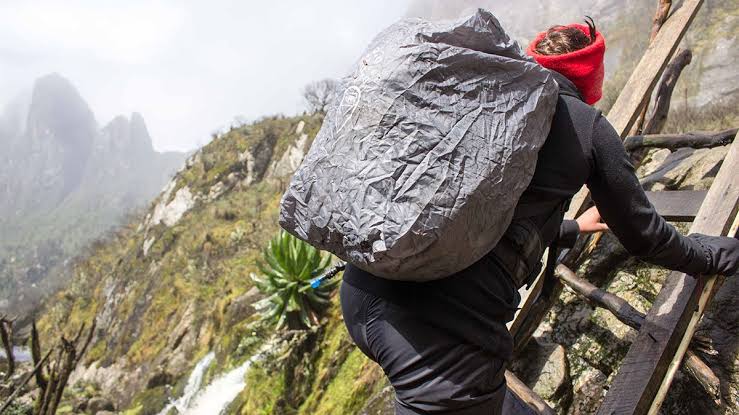
Trail conditions genuinely differ considerably in character: Virunga trails often involve navigating volcanic rock and looser volcanic soil, particularly challenging after rainfall, while Bwindi’s trails genuinely wind through muddy, root-covered rainforest floor requiring somewhat different footing techniques and considerably more careful navigation.
How Biodiversity Genuinely Differs Beyond Gorillas Between These Two Ecosystems
Biodiversity genuinely differs considerably beyond gorillas alone, since Bwindi’s ancient rainforest status, recognized as a UNESCO World Heritage Site partly for its exceptional biodiversity, genuinely hosts a considerably greater variety of bird and plant species than the more volcanically-influenced Virunga ecosystem typically supports.
Why Weather Patterns Genuinely Vary Between These Two Distinct Geological Settings
Weather patterns genuinely vary between these settings, with Virunga’s higher volcanic elevations often producing genuinely cooler temperatures and more frequent mist, while Bwindi’s lower rainforest elevation typically maintains somewhat warmer, more consistently humid conditions throughout most of the year.
How Cross-Border Geography Genuinely Makes Virunga a Genuinely Unique Shared Ecosystem
Virunga’s cross-border geography genuinely makes it a uniquely shared ecosystem, spanning three countries’ national parks that collectively protect the same mountain range, unlike Bwindi, which exists entirely within Uganda’s borders as a genuinely singular, geographically self-contained protected forest.
Why Habituated Family Distribution Genuinely Differs Between These Two Park Systems
Habituated gorilla family distribution genuinely differs between these park systems, with Rwanda’s Volcanoes National Park hosting a somewhat more concentrated number of families within a smaller area, while Bwindi’s larger size spreads its considerably greater number of habituated families across four genuinely distinct sectors.
How Visual Scenery Genuinely Creates Different Emotional Impressions for Trekkers
Visual scenery genuinely creates quite different emotional impressions, with Virunga’s dramatic volcanic peaks and open bamboo slopes offering genuinely striking panoramic views, while Bwindi’s enclosed, mist-shrouded rainforest canopy creates a considerably more intimate, mysterious atmospheric feeling throughout the trekking experience.
Why Conservation History Genuinely Diverged Between These Two Iconic Protected Areas
Conservation history genuinely diverged considerably between these areas, with Virunga’s story genuinely intertwined with Dian Fossey’s pioneering research and the region’s complex political history, while Bwindi’s conservation narrative developed somewhat more recently around its designation as protected rainforest habitat.
Common Questions About Choosing Between These Two Destinations
Travellers often ask which destination offers genuinely easier trekking overall, and while individual experiences vary considerably based on specific gorilla family location that day, Bwindi’s somewhat lower elevation profile generally proves marginally less physically demanding than Virunga’s higher volcanic slopes for most average trekkers. Another common question concerns which destination offers better photography opportunities, and both genuinely excel differently, with Virunga offering dramatic landscape backdrops while Bwindi provides genuinely atmospheric, intimate forest imagery.
Appreciating These Two Genuinely Distinct Gorilla Trekking Environments
Given how genuinely different these two celebrated habitats actually prove upon closer examination, understanding their distinct geological, ecological, and experiential characteristics helps travellers choose more thoughtfully or genuinely appreciate visiting both destinations. Done well, this understanding enriches your overall gorilla trekking journey considerably, regardless of which remarkable habitat you ultimately choose to explore.
How Golden Monkey Trekking Genuinely Distinguishes the Virunga Experience Further
Golden monkey trekking, available as a genuinely popular add-on activity within the Virunga Volcanoes region specifically, further distinguishes this destination’s overall wildlife offering, since Bwindi’s rainforest, while genuinely rich in primate diversity including chimpanzees in nearby forests, doesn’t host this particular endangered golden monkey species within its own boundaries.
Why Access Logistics Genuinely Differ Considerably Between These Two Trekking Regions
Access logistics genuinely differ considerably between these regions, with Rwanda’s Volcanoes National Park sitting genuinely close to Kigali’s international airport for convenient same-day transfers, while Uganda’s Bwindi typically requires a considerably longer overland journey or domestic flight connection from Entebbe to reach the park’s more remote southwestern location.
How Park Infrastructure and Accommodation Style Genuinely Reflect Each Destination’s Character
Park infrastructure and accommodation style genuinely reflect each destination’s distinct character, with Rwanda’s Volcanoes National Park surrounded by genuinely polished, high-end lodges catering toward premium tourism, while Bwindi offers a considerably broader accommodation range spanning budget to luxury across its four genuinely distinct trekking sectors.
Why Trekking Group Sizes and Permit Structures Genuinely Vary Between These Ecosystems
Trekking group sizes and permit structures genuinely vary between these ecosystems in practice, with Rwanda maintaining a genuinely more standardized, premium-positioned permit system, while Uganda’s larger, more distributed sector system creates somewhat more variable group dynamics depending on which particular sector and family trekkers are ultimately assigned.
How Mist and Cloud Cover Genuinely Behave Differently Across These Two Elevation Profiles
Mist and cloud cover genuinely behave somewhat differently across these two elevation profiles, since Virunga’s higher volcanic slopes often generate genuinely dramatic, fast-moving cloud formations around the peaks themselves, while Bwindi’s lower canopy typically holds a more consistent, ground-level misty atmosphere throughout the surrounding forest understory.
Why Understanding These Combined Differences Genuinely Helps Inform a Considered Destination Choice
Understanding these combined geological, ecological, logistical, and experiential differences genuinely helps inform a considerably more thoughtful destination choice, since travellers genuinely benefit from matching their specific preferences regarding scenery, physical demands, and overall trip logistics against what each distinct habitat actually offers.
How Soil Composition Genuinely Shapes Each Ecosystem’s Distinct Plant Communities
Soil composition genuinely shapes each ecosystem’s distinct plant communities considerably, since Virunga’s volcanic slopes feature genuinely mineral-rich, relatively young soil supporting bamboo and Afro-alpine vegetation zones, while Bwindi’s considerably older, more weathered rainforest soil supports an entirely different, genuinely more diverse assemblage of hardwood trees, ferns, and understory vegetation.
Why Temperature Variation With Elevation Genuinely Affects What Trekkers Should Pack
Temperature variation with elevation genuinely affects what trekkers should pack for each destination, since Virunga’s higher volcanic slopes can genuinely turn considerably colder than expected, particularly during early morning ascents, while Bwindi’s lower, more consistent rainforest elevation typically requires somewhat less dramatic temperature-layering preparation overall.
How Silverback Territory Size Genuinely Differs Based on Available Habitat Type
Silverback territory size genuinely differs based on available habitat type, with Virunga’s more open bamboo and Afro-alpine zones sometimes supporting genuinely larger territorial ranges, while Bwindi’s denser rainforest vegetation often concentrates gorilla family territories within somewhat more compact areas relative to available forest resources.
Why Photography Equipment Considerations Genuinely Differ Between These Two Trekking Environments
Photography equipment considerations genuinely differ between these two trekking environments, since Virunga’s more open bamboo zones and dramatic volcanic backdrops often reward wider-angle landscape photography, while Bwindi’s dense, dim rainforest canopy genuinely demands faster lenses and higher ISO settings to capture genuinely usable images in the characteristically low forest light.
How Local Community Involvement Genuinely Varies Between These Two Conservation Areas
Local community involvement in conservation genuinely varies somewhat between these two areas, with Rwanda’s revenue-sharing programs around Volcanoes National Park operating under a genuinely centralized national framework, while Uganda’s community engagement around Bwindi operates through a somewhat more decentralized, sector-specific structure reflecting the park’s broader geographic distribution.
Why Combining Both Destinations Genuinely Offers Trekkers the Most Complete Comparative Experience
Combining both destinations within a single broader itinerary genuinely offers trekkers the most complete comparative experience, allowing genuine firsthand appreciation of how dramatically different two neighboring mountain gorilla habitats can actually feel despite protecting the same genuinely endangered species across a relatively compact regional area.
How This Complete Comparison Genuinely Helps You Decide With Confidence
This complete, genuinely detailed comparison ultimately helps you decide with considerably greater confidence between these two remarkable, genuinely distinct mountain gorilla habitats, or plan a combined journey experiencing both extraordinary ecosystems firsthand.
Recommended Tours: 4 Days Double Gorilla Trekking in Volcanoes National Park | 4 Days Bwindi Gorilla Trekking Safari