
Warthogs: Where and When to See Them in East Africa
Warthogs offer travelers one of East Africa’s most genuinely reliable and endearingly comical safari sightings, a wild pig species instantly recognizable by its distinctive facial warts, curved tusks, and habit of running with tail held straight up like a small flag, behavior that consistently draws smiles from even the most experienced repeat safari travelers. Understanding where these ubiquitous savannah residents concentrate helps travelers appreciate a genuinely dependable, entertaining species. This guide covers where and when to look, along with the behavior that makes them such rewarding company on any game drive.
Queen Elizabeth and Murchison Falls, Uganda
Both major Uganda savannah parks host abundant warthog populations, offering genuinely reliable sightings across nearly every game drive.
Maasai Mara and Serengeti
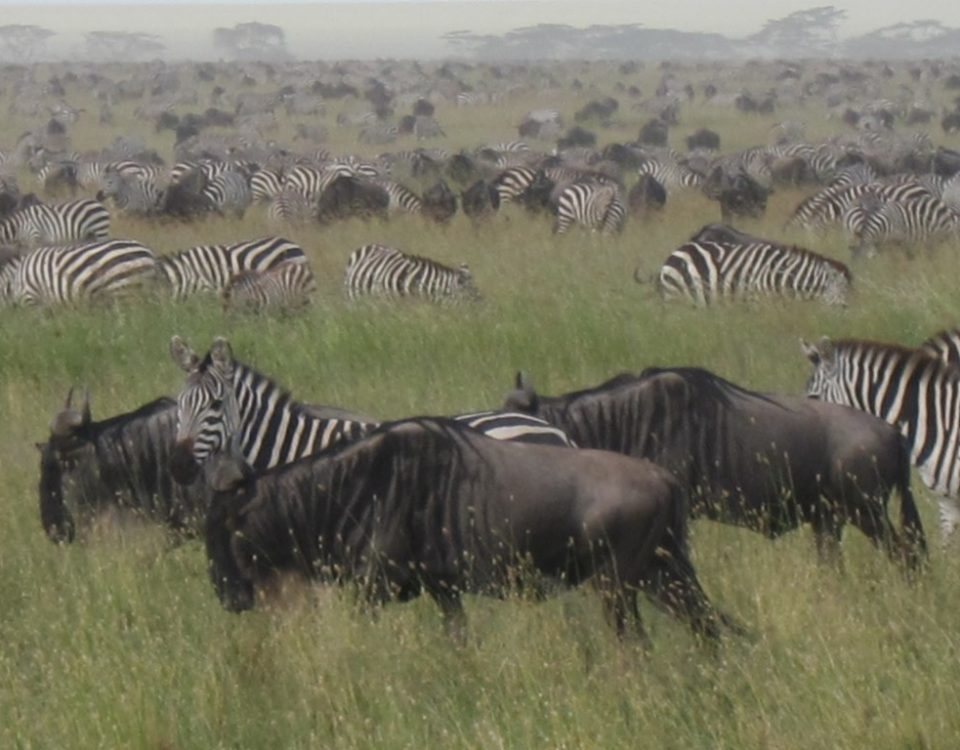
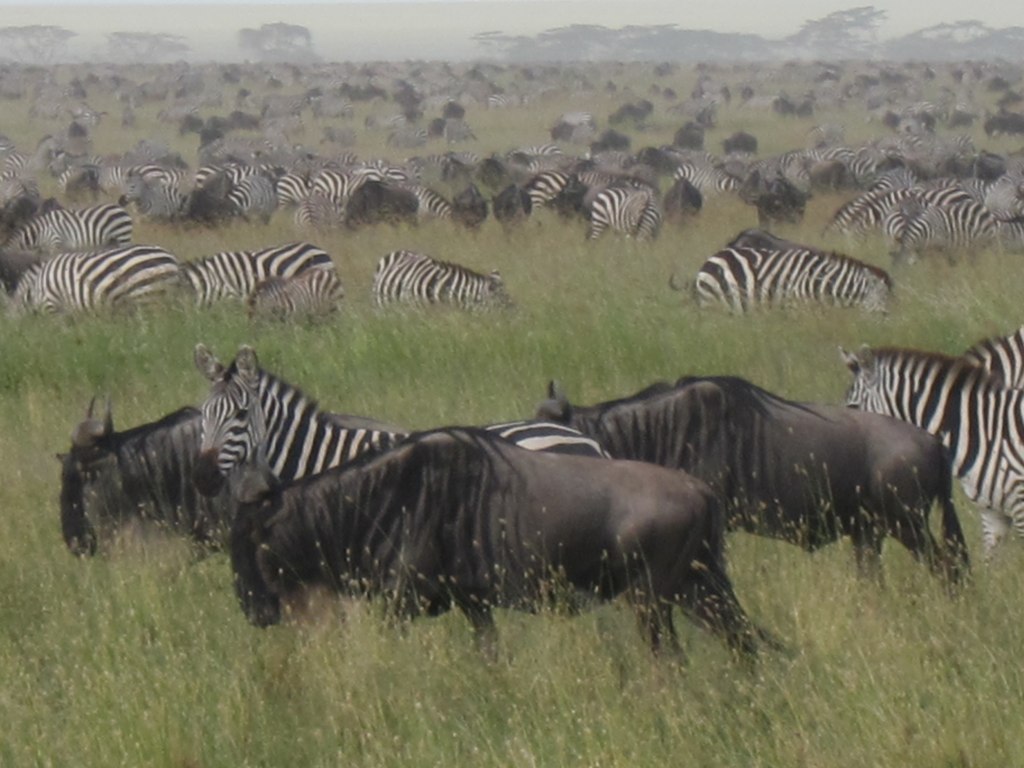
Kenya and Tanzania’s classic plains ecosystems support substantial warthog numbers, making them among the most consistently spotted species across any standard safari itinerary.
Why Warthogs Are So Genuinely Widespread
Warthogs’ adaptability across savannah, woodland, and grassland habitat, combined with their opportunistic omnivorous diet, has made them one of the most reliably encountered mammals across nearly every East Africa protected area.
Why Warthogs Kneel to Graze
Warthogs display a genuinely distinctive kneeling posture while grazing, using specially calloused front knees to get low enough to feed on short grass, a behavior that adds real character to any sighting.
The Tail-Up Running Behavior
When fleeing danger, warthogs run with their tail held straight upright, a genuinely distinctive visual signal that experienced guides sometimes joke serves as a built-in warning flag for following family members.
Warthog Burrow Use
Warthogs shelter in abandoned burrows, often those dug by aardvarks, backing into the burrow entrance defensively, a genuinely clever use of another species’ engineering for their own protection.
Warthogs’ Surprising Speed
Despite their stocky build, warthogs can genuinely reach impressive running speeds when fleeing danger, a physical capability that surprises many first-time observers who assume the animal’s somewhat comical appearance implies limited athleticism.
Warthog Family Structure
Warthog groups, called sounders, typically consist of related females and their young, with males generally more solitary outside of breeding season, a social structure worth understanding when observing group dynamics.
Warthogs and Predator Relationships
Despite their comical appearance, warthogs display genuine defensive capability when cornered, using their tusks against predators, making them a more formidable prey species than their appearance might initially suggest.
Why Warthogs Deserve Real Appreciation
Despite being among the most commonly and reliably seen savannah species, warthogs’ genuinely entertaining behavior and underappreciated resilience reward far more attention than their humble reputation might suggest.
Why Warthogs Reuse Aardvark Burrows So Cleverly
Rather than investing energy digging their own shelters, warthogs genuinely benefit from opportunistically occupying burrows originally excavated by aardvarks, a practical survival strategy that also indirectly links two of the savannah’s most distinctive, if very different, species together within the same ecosystem.
Warthog Tusks and Their Genuine Function
Male warthogs develop genuinely substantial curved tusks used both for digging and, when necessary, defense against predators or rival males, with the upper tusks growing considerably larger and more prominently curved than the lower pair.
Warthog Diet Beyond Grass
While grazing forms the bulk of their diet, warthogs genuinely supplement their feeding with roots, bulbs, bark, and occasionally carrion or small animals when available, an opportunistic feeding strategy that helps sustain them across seasonal fluctuations in food availability.
How Warthogs Communicate Within a Sounder
Warthogs use a genuinely varied range of grunts, snorts, and squeals to communicate within their family group, vocal signals that experienced guides learn to interpret as indicators of alarm, contentment, or simple coordination between members of the sounder.
Breeding Season and Piglet Behavior
Warthog piglets display genuinely endearing behavior from a young age, following closely behind their mother in a tight, coordinated line, a sighting that consistently ranks among safari travelers’ favorite small-mammal moments given how deliberately the piglets mimic the adult tail-up running posture.
Why Warthogs Often Share Space With Other Grazers
Warthogs frequently graze alongside zebras, antelope, and other savannah herbivores, a mutually beneficial arrangement where multiple species’ combined vigilance genuinely improves early predator detection for the whole mixed group.
How Guides Use Warthog Behavior as a Tracking Cue
Experienced guides often watch warthog alarm behavior as an indirect indicator of nearby predator activity, since a sounder’s sudden tail-up flight frequently signals a threat that might otherwise go unnoticed, making warthogs an unexpectedly useful early warning system during a game drive.
Warthogs Compared to Other African Wild Pigs
Unlike the considerably larger, forest-dwelling giant forest hog or the more secretive bushpig, warthogs favor open savannah habitat and daytime activity, making them by far the most visible and easily photographed member of Africa’s wild pig family.
Why Photography of Warthogs Rewards Patience
Capturing a warthog’s genuinely comical kneeling grazing posture or its dramatic tail-up sprint in a single well-timed frame rewards photographers who wait for the right moment rather than simply snapping a static, standing portrait.
Common Questions About Warthog Sightings
Travelers frequently ask whether warthogs are dangerous, and generally no, they typically flee rather than confront threats, though a cornered warthog can genuinely defend itself effectively using its tusks if truly threatened. Visitors also ask why warthogs seem to run in family lines with tails up, and this genuinely serves as a visual tracking cue, helping young warthogs keep pace with the group during a hasty retreat through tall grass.
Why Warthogs Bring Genuine Charm to Every Safari
Beyond their practical ecological role, warthogs’ distinctive kneeling grazing style and comically upright tail while running consistently rank among safari-goers’ favorite small moments of levity, proof that not every memorable sighting needs to be dramatic to be genuinely delightful.
Why Even Repeat Safari Travelers Still Enjoy Warthog Sightings
Unlike some species whose appeal fades after a first encounter, warthogs’ consistently entertaining behavior means even travelers on their fifth or sixth East Africa safari genuinely still smile at a passing sounder, proof that familiarity here breeds affection rather than indifference.
Best Time of Day for Warthog Activity
Warthogs display genuinely strong daytime activity patterns, foraging actively through the cooler morning and late afternoon hours while retreating to burrows or shade during the hottest midday period, a rhythm that makes early and late game drives the most productive windows for observing their full range of natural behavior.
How Seasonal Changes Affect Warthog Sightings
During the dry season, warthogs concentrate more visibly around remaining water sources and green vegetation patches, while the wetter months spread them more widely across the landscape as food and water become genuinely more abundant everywhere, a seasonal shift experienced guides factor into where they expect sightings on any given drive.
Why Warthogs Make Such Rewarding Subjects for New Photographers
Given their genuine tolerance for vehicle proximity and predictable grazing behavior, warthogs offer beginner wildlife photographers a genuinely forgiving subject for practicing composition and timing before attempting more skittish or fast-moving species later in a safari.
How Warthogs Fit Into the Broader Savannah Food Web
As prey for lions, leopards, hyenas, and cheetahs, warthogs play a genuinely important ecological role within the broader savannah predator-prey system, and observing a warthog’s alert, watchful grazing behavior often offers an indirect clue about recent or nearby predator activity.
Why Warthogs Rarely Stray Far From Their Burrow
Warthogs typically forage within a genuinely limited radius of their chosen burrow, a practical strategy that allows a rapid retreat to safety if a predator appears suddenly, meaning a sounder spotted in one location often reappears in roughly the same area across consecutive game drives.
What Makes a Warthog Sighting Feel Genuinely Different From Other Species
Unlike the tension and anticipation that often accompanies predator sightings, warthog encounters carry a genuinely lighter, more amusing quality, and many guides deliberately use these moments to help nervous or fatigued travelers relax between more intense wildlife encounters.
How Warthogs Interact With Tourist Vehicles
Having grown genuinely accustomed to regular vehicle traffic across popular safari circuits, warthogs typically continue grazing calmly at reasonably close range, offering considerably better and more relaxed photographic opportunities than more easily startled species found in the same habitat.
Why Guides Often Highlight Warthogs for First-Time Safari Travelers
Given their reliability, comical behavior, and genuine tolerance for observation, guides frequently use warthog sightings as an accessible, low-pressure introduction to safari wildlife viewing for travelers still adjusting to the pace and patience that game drives require.
Why Warthogs Remain a Consistent Safari Favorite Year After Year
Long after the excitement of a first lion or elephant sighting settles into familiarity, warthogs continue delivering genuine, reliable entertainment on nearly every drive, a quiet consistency that keeps them firmly among the most fondly remembered small moments from any East Africa trip.
Planning Your Safari With Warthog Sightings in Mind
Given their genuine ubiquity, warthog sightings require no special planning beyond a standard East Africa safari itinerary through any major savannah park, though a guide who points out the finer details of their behavior turns an otherwise routine sighting into a genuinely memorable one.
Recommended Tours: 10 Days Ultimate Uganda Gorilla & Big Five Safari | 5 Days Uganda Wildlife and Gorilla Trekking Tour