Uganda’s weather is one of the most fascinating and inspiring aspects of this beautiful East African nation. Known as the “Pearl of Africa,” Uganda boasts a tropical climate that is as diverse as its landscapes, wildlife, and people. The country’s weather patterns play a crucial role in shaping its lush greenery, fertile farmlands, and vibrant ecosystems. But beyond the meteorological facts, Uganda’s weather teaches us profound life lessons—resilience, adaptability, and the beauty of balance.
In this article, we will explore Uganda’s weather in depth, uncovering how its seasons, temperatures, and rainfall patterns contribute to the nation’s charm. More importantly, we’ll draw inspiration from the way Uganda’s weather mirrors life’s unpredictability and how we can learn from nature’s rhythms to thrive in our own journeys.
The Tropical Climate: A Gift of Balance
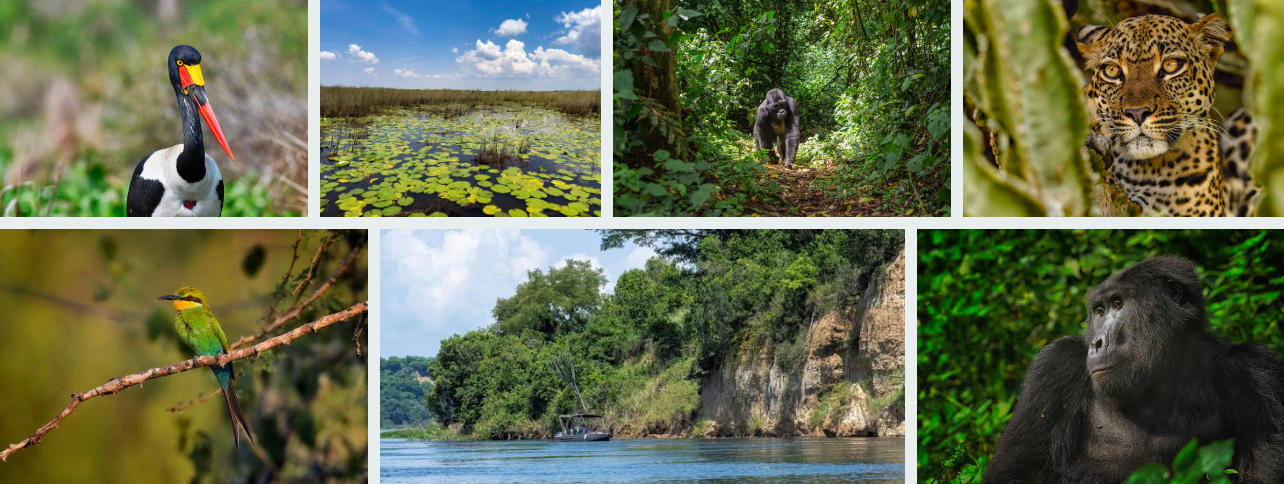
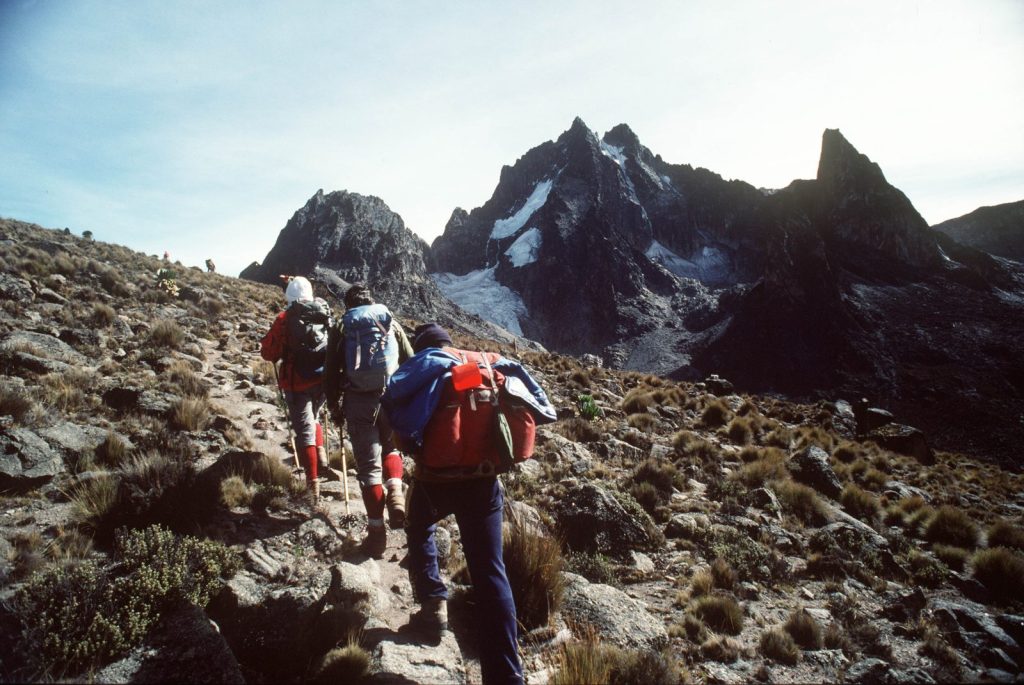
Uganda’s weather is predominantly tropical, characterized by warm temperatures throughout the year, with moderate variations due to altitude. The country sits near the equator, which means it experiences relatively stable temperatures ranging between 21°C (70°F) and 28°C (82°F). However, regions with higher elevations, such as the Rwenzori Mountains and Mount Elgon, can be much cooler, sometimes even experiencing frost.
This balance between warmth and coolness is a reminder that life, too, requires equilibrium. Just as Uganda’s weather doesn’t swing to extremes, we must strive for stability in our emotions, work, and relationships. The equatorial climate teaches us that consistency—not erratic highs and lows—is the key to sustainable growth.
The Two Rainy Seasons: Lessons in Renewal
Unlike many countries with four distinct seasons, Uganda’s weather follows a bimodal rainfall pattern, meaning it has two rainy seasons:
-
March to May (Long rains)
-
September to November (Short rains)
These rainy seasons are essential for agriculture, which forms the backbone of Uganda’s economy. The rains bring life—refilling rivers, nourishing crops, and sustaining wildlife. Farmers eagerly await these periods, knowing that without them, harvests would fail.
Inspiration from the Rain
Rain is often seen as an inconvenience, but in Uganda, it’s a blessing. Similarly, in life, challenges (our personal “rainy seasons”) are necessary for growth. They water our resilience, cleanse our perspectives, and prepare us for new beginnings. Just as crops flourish after a downpour, we too emerge stronger after hardships.
The regularity of Uganda’s rains also teaches us about timing. Nature doesn’t rush, nor does it delay—it follows a divine schedule. When we trust the process and embrace life’s seasons, we find that every phase has a purpose.
The Dry Seasons: A Time for Reaping and Reflection
Between the rains, Uganda experiences two dry seasons:
-
December to February
-
June to August
These periods are marked by sunshine, cooler nights, and clear skies—perfect for outdoor activities like safaris, hiking, and exploring Uganda’s national parks. The dry seasons remind us that after every storm comes clarity.
Inspiration from the Sun
The sun in Uganda is vibrant, energizing, and life-giving. It symbolizes hope, vision, and the rewards of patience. Farmers harvest their crops during the dry season, reaping what they sowed in the rain. Likewise, in our lives, perseverance during tough times leads to moments of triumph.
The dry season also teaches us about preparation. Just as Ugandans store food and water in anticipation of droughts, we must plan ahead, save resources, and build resilience for life’s uncertainties.
Uganda’s Microclimates: Embracing Diversity
One of the most remarkable aspects of Uganda’s weather is its microclimates. Due to varying altitudes and landscapes, weather conditions can differ drastically within short distances. For example:
-
Kampala (the capital) is often humid with frequent afternoon showers.
-
Karamoja in the northeast is semi-arid, with hotter, drier conditions.
-
Kisoro in the southwest is cooler, with misty mornings reminiscent of temperate climates.
Inspiration from Microclimates
Uganda’s diverse weather teaches us that uniformity isn’t necessary for harmony. Just as different regions coexist under one sky, people from various backgrounds can thrive together by embracing their uniqueness.
Life, too, has its “microclimates”—phases where we feel on top of the world (like the cool highlands) and others where we endure heat (like the arid plains). The key is to adapt, just as Ugandans do, wearing light clothes in the heat and bundling up in the highlands. Flexibility is survival.
Weathering Life’s Storms: Uganda’s Resilience
Uganda’s weather isn’t always gentle. Occasionally, it brings challenges:
-
Heavy rains causing floods in low-lying areas.
-
Prolonged droughts affecting crops and water supply.
-
Unpredictable shifts due to climate change.
Yet, Ugandans persevere. They innovate—using irrigation during droughts, building stronger homes to withstand floods, and reforesting to combat climate change.
Inspiration from Resilience
Life, like Uganda’s weather, will test us. But storms don’t last forever. The people of Uganda show us that resilience isn’t about avoiding hardship but about adapting and moving forward. When floods come, they rebuild. When droughts strike, they find new ways to sustain themselves.
We, too, can adopt this mindset. Instead of fearing challenges, we can see them as opportunities to grow stronger, wiser, and more compassionate.
The Beauty of Uganda’s Weather—and Life
Uganda’s weather is more than just a meteorological phenomenon—it’s a metaphor for life. Its balance, seasons, diversity, and resilience offer profound lessons:
-
Balance is key – Avoid extremes; seek stability.
-
Embrace all seasons – Challenges (rain) and triumphs (sunshine) are both necessary.
-
Adaptability ensures survival – Like Uganda’s microclimates, flexibility helps us thrive in different circumstances.
-
Resilience turns obstacles into opportunities – Storms pass, but strength remains.
So, the next time someone asks, “What’s Uganda’s weather like?”—you can say it’s a powerful teacher. Just as the country’s climate nurtures its breathtaking landscapes, we too can learn from its rhythms to cultivate a life of growth, gratitude, and unshakable resilience.
Uganda’s weather is not just a forecast; it’s an inspiration. And perhaps, if we listen closely, nature’s wisdom can guide us through our own seasons of life.
Uganda Travel Guide — The Pearl of Africa
Uganda is one of Africa’s most rewarding and underrated destinations. Winston Churchill’s description of Uganda as the “Pearl of Africa” — inspired by its extraordinary combination of landscapes, wildlife, and people — remains as apt today as when he coined it in 1908. The country packs an astonishing range of experiences into a relatively compact area: snow-capped mountains, vast savannahs, dense tropical rainforests, the source of the Nile, and some of the world’s most remarkable wildlife.
Uganda shares borders with Kenya, Tanzania, Rwanda, the Democratic Republic of Congo, and South Sudan, and sits astride the equator in East-Central Africa. The capital, Kampala, is a vibrant, growing city that serves as the gateway to Uganda’s national parks. Most wildlife safaris begin and end in Kampala or at Entebbe International Airport, 45 minutes south of the city.
Uganda’s Key National Parks and Wildlife Areas
- Bwindi Impenetrable Forest: UNESCO World Heritage Site and home to over half the world’s mountain gorillas. Four trekking sectors: Buhoma, Ruhija, Rushaga, and Nkuringo.
- Queen Elizabeth National Park: Uganda’s most visited park, famous for tree-climbing lions in the Ishasha sector, boat cruises on the Kazinga Channel, and diverse savannah and forest habitats.
- Murchison Falls National Park: Uganda’s largest park, home to the world’s most powerful waterfall. Excellent for elephants, giraffes, buffalo, hippos, crocodiles, and shoebill storks on the Nile.
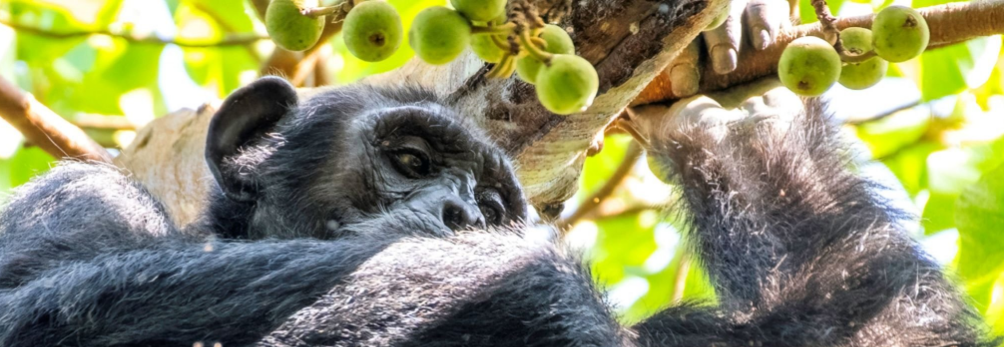
- Kibale Forest National Park: The world’s best chimpanzee trekking destination, also home to 12 other primate species and superb birdwatching.
- Kidepo Valley National Park: Uganda’s most remote and arguably most spectacular park, bordering South Sudan. Wild, untouched, and home to species found nowhere else in Uganda including cheetahs and caracals.
- Mgahinga Gorilla National Park: In the Virunga Mountains, offering gorilla trekking, golden monkey trekking, and volcano hiking in a compact, accessible park.
Practical Uganda Travel Information
Visa and entry requirements
Uganda offers an e-visa for most nationalities, applied online at visas.immigration.go.ug. East African Community citizens are exempt. The East Africa Tourist Visa (covering Uganda, Kenya, and Rwanda) is available at the point of entry. A yellow fever vaccination certificate is mandatory for entry.
Currency and costs
The Ugandan Shilling (UGX) is the local currency. USD is widely accepted in tourist areas. Mid-range safari lodges cost USD 150–350 per person per night. Budget accommodation in Kampala starts from USD 20–40. Gorilla permits (USD 800) are the single largest expense for most visitors.
Getting around Uganda
Most visitors use private safari vehicles (included in tour packages) or hire a driver-guide. Public minibus taxis (matatus) connect major towns but are not suitable for wildlife areas. Charter flights from Entebbe to Kihihi, Kisoro, Kasese, or Pakuba significantly reduce overland travel times on longer itineraries.
Recommended Tours: 9 Days Uganda Wildlife Safari | 7 Days Uganda Safari