
Wi-Fi at Safari Lodges: What to Expect and How to Prepare
Staying connected during an African safari can be important, especially when you want to communicate with family, check travel arrangements or share photographs from your wildlife adventures. However, internet access at safari lodges differs considerably from what you may experience in major cities.
Understanding Wi-Fi at safari lodges helps you prepare for limited connectivity while travelling through Uganda, Kenya, Tanzania and Rwanda.
Many safari lodges provide wireless internet, but connection speed, reliability and availability depend on the location and infrastructure.
Some luxury lodges offer internet access throughout their properties, while smaller camps provide Wi-Fi only in reception areas, restaurants or communal lounges.
Remote destinations may experience slow connections, power interruptions or temporary internet outages.
Is Wi-Fi Available at Safari Lodges?
Yes, many established safari lodges offer Wi-Fi services.
However, availability varies according to the property’s location, accommodation category and internet provider.
Hotels in Kampala, Entebbe, Nairobi, Arusha and Kigali generally have better internet access than remote wilderness camps.
Safari lodges located inside national parks may depend on mobile networks, satellite connections or fixed wireless systems.
Some properties provide complimentary internet, while others charge additional fees.
You should confirm internet availability directly with your accommodation provider before booking.
How Does Wi-Fi Work at Remote Safari Lodges?
Remote safari lodges often operate far from major telecommunications infrastructure.
Unlike city hotels, they may have limited access to fibre-optic internet connections.
Instead, they may use alternative systems.
1. Mobile Network Internet
Some lodges use mobile network connections to provide Wi-Fi.
These systems depend on signal coverage from local telecommunications providers.
For example, a lodge near a major town may receive a reliable 4G connection.
However, another property located deep inside a national park may experience weak mobile reception.
2. Satellite Internet
Some remote lodges use satellite internet systems.
Satellite connections can provide internet access in locations without reliable mobile networks.
However, performance depends on equipment, service arrangements, weather conditions and the number of connected users.
Satellite internet is increasingly useful for isolated accommodation properties.
3. Fixed Wireless Connections
Some safari lodges receive internet through wireless equipment connected to nearby telecommunications infrastructure.
Connection quality depends on distance, signal conditions and available bandwidth.
These systems can work well but may experience interruptions during severe weather or equipment problems.
Wi-Fi Availability in East Africa’s Safari Destinations
Internet access varies between national parks and accommodation properties.
The following table provides general expectations.
| Safari Destination | Typical Wi-Fi Expectations |
|---|---|
| Bwindi Impenetrable National Park | Available at selected lodges; speeds vary |
| Queen Elizabeth National Park | Many established lodges offer Wi-Fi |
| Murchison Falls National Park | Available at selected properties |
| Kibale National Park | Wi-Fi at several lodges and accommodation facilities |
| Lake Mburo National Park | Depends on lodge location and network |
| Kidepo Valley National Park | Limited or variable internet access |
| Serengeti National Park | Selected lodges and camps provide internet |
| Maasai Mara National Reserve | Many camps offer Wi-Fi |
| Volcanoes National Park | Available at several established lodges |
| Akagera National Park | Depends on the accommodation property |
These are general expectations, not guarantees.
Always confirm the facilities offered by your chosen lodge.
Wi-Fi at Uganda Safari Lodges
Uganda has several wildlife destinations where internet connectivity varies.
Wi-Fi in Bwindi Impenetrable National Park
Bwindi is famous for mountain gorilla trekking.
The park’s mountainous terrain and dense forests can affect mobile network coverage.
Some lodges around Buhoma, Rushaga, Ruhija and Nkuringo provide Wi-Fi.
However, internet access may be limited to specific areas.
Visitors should download important documents before travelling to Bwindi.
During gorilla trekking, you should not expect a reliable internet connection.
Wi-Fi in Queen Elizabeth National Park
Queen Elizabeth National Park has several established accommodation facilities.
Some lodges provide wireless internet through mobile or other connections.
However, network strength can vary depending on the property’s location.
Remote areas may experience interruptions.
Wi-Fi in Murchison Falls National Park
Murchison Falls National Park covers a large area with different landscapes.
Internet availability differs between accommodation properties.
Some established lodges provide Wi-Fi in guest rooms or shared areas.
Others have limited connection hours or slower speeds.
Wi-Fi in Kidepo Valley National Park
Kidepo is one of Uganda’s most remote safari destinations.
Internet access may be limited because of distance from major towns and telecommunications infrastructure.
Travellers should prepare for possible periods without connectivity.
Is Wi-Fi Free at Safari Lodges?
Many safari lodges include Wi-Fi in their accommodation rates.
However, complimentary internet does not necessarily mean unlimited high-speed access.
Some properties restrict connectivity to reception areas or shared lounges.
Others may limit bandwidth to prevent excessive use.
A few lodges charge for additional internet services.
Before booking, ask whether Wi-Fi is complimentary and where it can be accessed.
How Fast Is Safari Lodge Wi-Fi?
Safari lodge internet speeds vary considerably.
Connection speed depends on:
-
Internet service provider.
-
Network technology.
-
Number of connected guests.
-
Weather conditions.
-
Available electricity.
-
Lodge location.
-
Bandwidth restrictions.
Some lodges provide sufficient speeds for messaging, email and ordinary browsing.
However, uploading large videos or joining extended video meetings may be difficult.
Do not assume that a lodge advertising Wi-Fi can support remote working.
What Can You Do With Lodge Wi-Fi?
| Online Activity | Typical Reliability |
|---|---|
| WhatsApp messages | Often possible |
| Checking emails | Usually manageable |
| Browsing travel information | Depends on connection |
| Voice calls | May work with sufficient bandwidth |
| Video calls | Can be unreliable |
| Uploading photographs | Depends on file size |
| Streaming films | Often unsuitable on slower connections |
| Large file transfers | May take considerable time |
Actual performance depends on the individual property.
Can You Work Remotely From a Safari Lodge?
Remote working is possible at some safari lodges, but it requires careful preparation.
If you need reliable internet for professional activities, ask specific questions before booking.
Do not rely entirely on general descriptions such as “Wi-Fi available”.
Instead, ask:
-
Is Wi-Fi available inside guest rooms?
-
What connection speeds are normally available?
-
Does the lodge have backup electricity?
-
Are video meetings supported?
-
Is mobile network coverage available?
-
Does the internet operate overnight?
-
Are there daily data restrictions?
If internet access is essential for your work, consider scheduling important meetings while staying in larger towns.
How to Prepare for Limited Internet Access
Preparing before your safari can prevent unnecessary difficulties.
Download Important Travel Documents
Save digital copies of:
-
Passport identification pages.
-
Visa or entry documents.
-
Safari booking confirmations.
-
Accommodation reservations.
-
Travel insurance information.
-
Flight tickets.
-
Emergency contacts.
Keep important documents available offline.
Protect sensitive files with suitable device security.
Download Offline Maps
Offline maps are useful when mobile internet becomes unavailable.
Download maps covering your intended destinations before leaving major towns.
However, maps should not replace professional safari guides or official park directions.
Save Entertainment Before Travelling
If you enjoy music, podcasts or films during long journeys, download them before leaving your accommodation.
This reduces dependence on mobile data.
Avoid downloading large files over limited lodge connections.
Using Local SIM Cards as Backup Internet
A local SIM card can provide an alternative when lodge Wi-Fi is unavailable.
MTN Uganda and Airtel Uganda offer mobile internet services in many parts of the country.
However, coverage varies between destinations.
A local SIM card does not guarantee internet access inside remote national parks.
Mobile Hotspot Sharing
Many smartphones allow you to share mobile data with other devices.
This can be useful when connecting a laptop or tablet.
However, hotspot sharing may drain your telephone battery quickly.
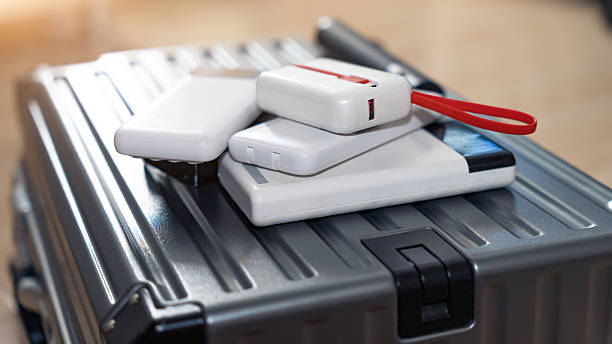
Carry a suitable power bank and monitor your mobile data usage.
Should You Buy a Travel eSIM?
A travel eSIM may be convenient if your smartphone supports digital SIM technology.
Some providers offer prepaid internet packages for Uganda and neighbouring countries.
Before purchasing, confirm:
-
Which local mobile network the eSIM uses.
-
Whether your device is compatible.
-
The available data allowance.
-
The package validity period.
-
Whether hotspot sharing is supported.
-
Whether the service includes calls or data only.
Remember that an eSIM depends on local network coverage.
It cannot provide a connection where the underlying network is unavailable.
Charging Devices at Safari Lodges
Reliable internet is less useful when your telephone or laptop has no power.
Some remote safari lodges operate using solar energy or generators.
Electricity may therefore be available only during certain hours.
Charge your devices whenever power is available.
Carry suitable charging cables and a compatible travel adapter.
A power bank can provide additional charging capacity during game drives.
Is Public Wi-Fi Safe at Safari Lodges?
Public Wi-Fi networks may expose users to privacy and security risks.
Although many lodges provide legitimate connections, you should take precautions.
Use password-protected networks where possible.
Confirm the official Wi-Fi network name with lodge staff.
Avoid connecting to unfamiliar networks with similar names.
Do not share banking passwords or personal information with other guests.
Keep your devices updated and use secure connections for sensitive activities.
Consider using mobile data for important financial transactions.
Wi-Fi Etiquette at Safari Lodges
Internet access may be shared among several guests.
Responsible usage helps maintain connection quality.
Avoid downloading very large files when bandwidth is limited.
Keep video streaming to a minimum if the lodge requests this.
Use headphones for online calls in shared spaces.
Respect quiet hours, particularly in communal lounges.
Some travellers visit remote safari lodges specifically to enjoy time away from constant communication.
Be considerate of their experience.
What to Do When Wi-Fi Stops Working
Occasional connectivity interruptions are possible.
If your internet connection fails:
-
Check whether your device is connected to the correct network.
-
Move closer to the designated Wi-Fi area.
-
Ask staff whether the connection is temporarily unavailable.
-
Check your mobile data connection.
-
Use downloaded documents and offline maps.
-
Wait for the service to return.
Avoid repeatedly resetting lodge equipment without permission.
If you have an urgent communication need, ask the management team about available alternatives.
Frequently Asked Questions
Do All Safari Lodges in Uganda Have Wi-Fi?
No. Many established lodges provide Wi-Fi, but remote accommodation properties may have limited or unavailable internet access.
Is Wi-Fi Available During Gorilla Trekking?
You should not expect Wi-Fi during gorilla trekking. Mobile network signals may also be unreliable inside the forest.
Can I Make Video Calls From Safari Lodges?
Some lodges provide sufficient bandwidth, but video calls may be unreliable in remote locations.
Is Safari Lodge Wi-Fi Usually Free?
Many lodges include Wi-Fi in accommodation rates, although some may charge additional fees or restrict access.
Should I Carry a Local SIM Card?
A local SIM card is useful as a backup, particularly when travelling between towns and safari destinations.
Wi-Fi at safari lodges is increasingly available across Uganda, Kenya, Tanzania and Rwanda.
However, internet quality varies according to location, infrastructure and accommodation standards.
Before travelling, confirm whether your lodge provides Wi-Fi, where it is available and whether the connection can support your needs.
Download important documents, carry suitable charging equipment and consider mobile data as a backup.
With proper preparation, you can remain connected when necessary while enjoying your wildlife safari.