4-Day Kidepo Valley Fly-In Safari Itinerary
Tucked into Uganda’s remote northeastern corner along the borders of South Sudan and Kenya, Kidepo Valley National Park remains one of Africa’s least-visited but most rewarding wildlife destinations, a genuinely wild savanna landscape that many seasoned safari-goers rank among the continent’s finest despite its relative obscurity. The park’s remoteness has historically deterred road-based visitors, but a fly-in itinerary makes this exceptional destination accessible within a manageable four-day trip. This guide walks through a realistic fly-in route to Kidepo, covering what makes this far-flung park worth the journey and how to experience it efficiently by air rather than the long overland alternative.
Day 1: Fly from Entebbe to Kidepo
The trip begins with a scheduled or chartered flight from Entebbe International Airport directly into Kidepo’s airstrip, a journey of roughly ninety minutes that replaces what would otherwise be a gruelling ten-to-twelve-hour overland drive across rough northern Uganda roads. Arriving by early afternoon leaves time for an introductory game drive on the very first day, making immediate use of the time saved by flying rather than driving.
Day 2: Full Day Exploring Kidepo’s Narus Valley
The Narus Valley, Kidepo’s primary wildlife-viewing area, holds healthy populations of lion, elephant, buffalo, and a remarkable variety of antelope species found nowhere else in Uganda, including the striking greater kudu and the endemic-to-this-region cheetah population, Uganda’s only viable cheetah stronghold. A full day of morning and afternoon game drives here reveals why so many visitors who make the effort to reach Kidepo consider it the finest game viewing anywhere in the country.
Day 3: Kanangorok Hot Springs and Kidepo Valley
The park’s namesake Kidepo Valley, drier and more rugged than the Narus, offers a genuinely different landscape and the chance to visit the Kanangorok hot springs near the South Sudan border, a full-day excursion that showcases the park’s remarkable geographic diversity within a single protected area, moving from grassy plains into a considerably harsher, more arid terrain within a few hours’ drive. This more remote section of the park sees even fewer visitors than the already quiet Narus Valley, delivering a profound sense of isolation increasingly rare anywhere on the African safari circuit.
Day 4: Final Game Drive and Fly Back to Entebbe
A final morning game drive through the Narus Valley makes the most of Kidepo’s peak wildlife activity before an afternoon flight back to Entebbe, closing out a compact but genuinely rich four-day introduction to one of Africa’s most underrated parks.
Why Fly Rather Than Drive to Kidepo
Kidepo’s remoteness is precisely what has kept it so wonderfully uncrowded, but that same remoteness makes the overland journey a genuinely significant undertaking, ten to twelve hours each way across roads that vary considerably in quality depending on recent weather and maintenance. Flying transforms Kidepo from a multi-day overland expedition into an accessible four-day trip, opening up this exceptional park to travellers who simply don’t have the time for the full road journey.
What Makes Kidepo’s Wildlife Distinctive
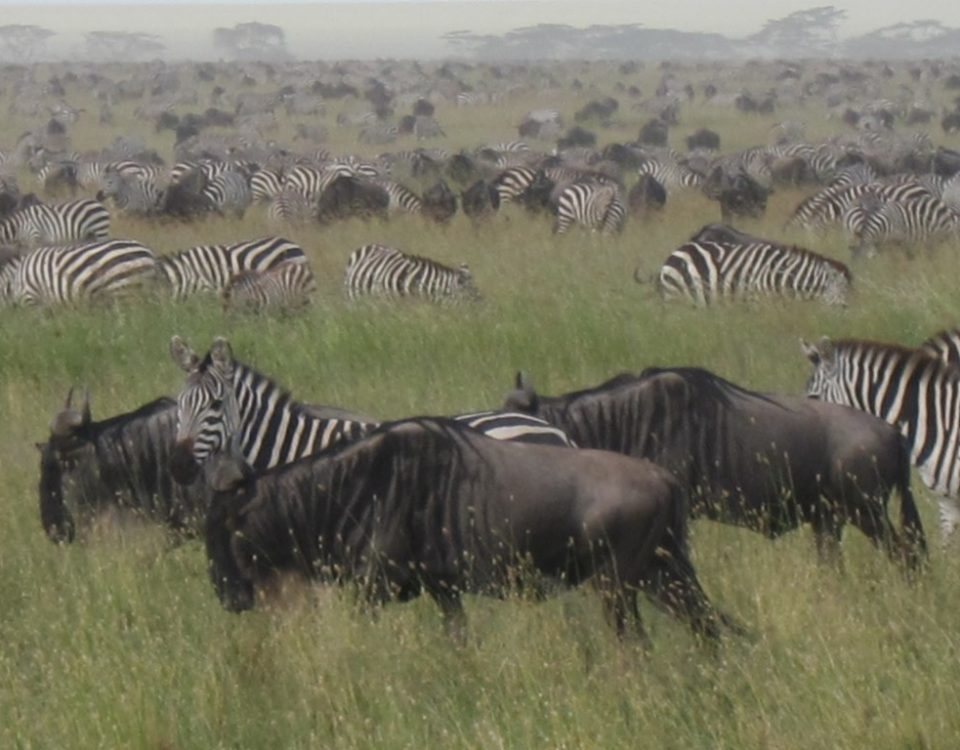
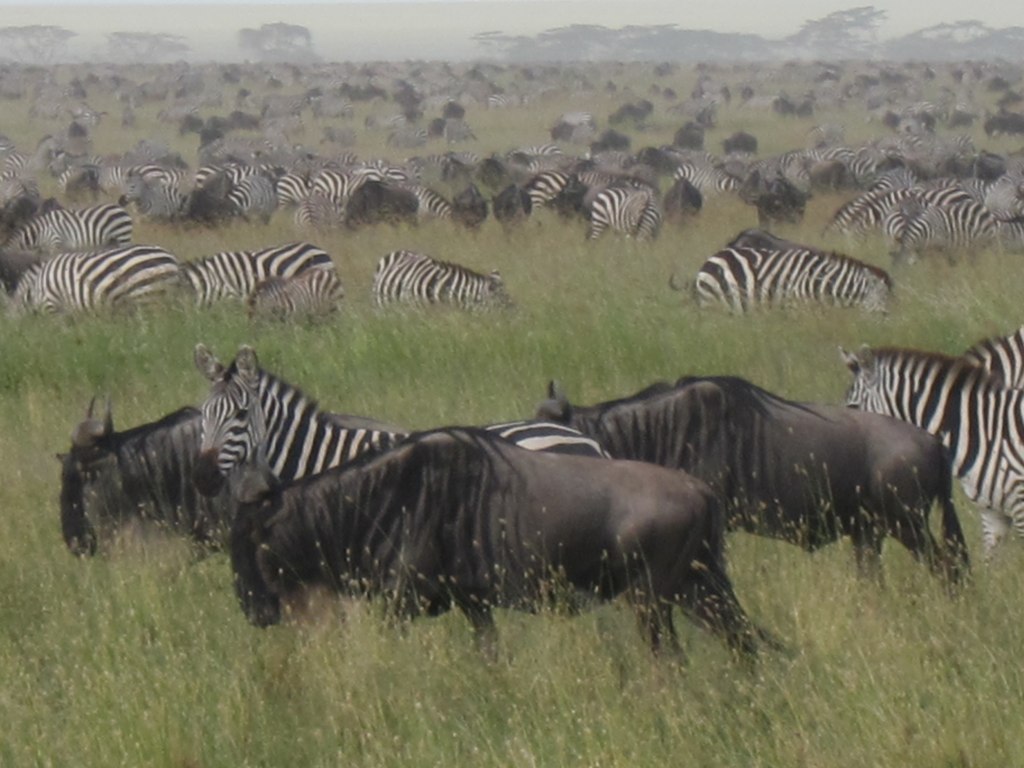
Kidepo’s ecosystem shares more in common with East Africa’s classic savanna parks in Kenya and Tanzania than with Uganda’s more forested southern parks, supporting species found nowhere else in the country, cheetah, ostrich, and greater and lesser kudu among them, alongside a backdrop of dramatic mountain ranges that give the park a genuinely different visual character from Uganda’s other major wildlife destinations.
The Karamojong People and Cultural Encounters
Kidepo’s surrounding region is home to the Karamojong people, semi-nomadic pastoralists whose traditional way of life has remained relatively intact given the area’s historic isolation, and many itineraries include a visit to a local Karamojong community, offering genuine cultural insight into traditions, cattle-herding practices, and daily life rarely available in more heavily touristed parts of Uganda.
Best Time of Year to Visit Kidepo
The dry season, from roughly September through March, concentrates wildlife most heavily around Kidepo’s remaining water sources in the Narus Valley, delivering the strongest game viewing of the year, while the wetter months bring lush green scenery but more dispersed, harder-to-locate wildlife across the park’s wider range.
Accommodation Options Within Kidepo
Kidepo’s lodge scene remains genuinely limited compared to Uganda’s busier parks, a handful of camps offering comfortable, well-run accommodation within or near the park, meaning advance booking matters considerably given how few total beds exist across the entire destination, particularly during the dry season peak when demand for Kidepo’s limited accommodation is at its highest.
Combining Kidepo With Other Uganda Destinations
Travellers with additional time occasionally combine a Kidepo fly-in with a broader northern Uganda circuit including Murchison Falls National Park, though the distance and flight logistics involved mean most itineraries treat Kidepo as either a standalone add-on to a longer Uganda trip or a dedicated short excursion in its own right, rather than a stop easily woven into a standard southern Uganda circuit.
Budgeting for a Kidepo Fly-In Safari
Chartered or scheduled flights to Kidepo add meaningful cost compared to a road-based itinerary elsewhere in Uganda, a trade-off most travellers who make it to this remote park consider entirely justified given the dramatic reduction in travel time and the exceptional, uncrowded wildlife viewing waiting on arrival.
Kidepo’s Bird Life and Scenic Backdrop
Beyond its mammal populations, Kidepo holds an impressive bird checklist exceeding 400 species, including several found nowhere else in Uganda given the park’s ecological overlap with the drier landscapes of Kenya and South Sudan. The Morungole and Napore mountain ranges framing the park add a genuinely dramatic scenic backdrop rarely matched elsewhere in Uganda, giving Kidepo a visual character that many photographers consider among the most striking in the country.
Why Cheetahs Make Kidepo Genuinely Unique in Uganda
Kidepo holds Uganda’s only viable population of cheetah, a species entirely absent from every other Ugandan national park, making this remote destination the sole realistic option for travellers hoping to see this species without extending their trip into Kenya or Tanzania. Sightings remain genuinely special even here, since cheetah numbers stay naturally low, but Kidepo’s open Narus Valley terrain suits the species’ hunting style far better than Uganda’s denser, more forested parks elsewhere.
What a Typical Game Drive Day Looks Like
Game drives in Kidepo typically depart early to make the most of cooler morning temperatures and peak wildlife activity, with a midday break at camp before a second drive in the late afternoon as temperatures ease and animals become active again near remaining water sources. Given the park’s low visitor numbers, sightings here often feel considerably more exclusive than equivalent moments in Uganda’s busier southern parks, sometimes with not another vehicle in sight for the entire duration of a game drive.
Flight Logistics and What to Expect
Scheduled flights to Kidepo generally operate a few times per week depending on demand and season, while chartered flights offer more flexible timing at additional cost, and travellers should confirm current flight schedules well ahead of finalising other trip arrangements given how infrequent scheduled service to this genuinely remote airstrip can be, particularly outside the peak dry season months. Light aircraft used on this route typically carry limited luggage allowances, meaning packing efficiently matters more for a Kidepo fly-in than for a standard road-based Uganda itinerary.
Common Questions About Visiting Kidepo
Travellers often ask why such an exceptional park remains so lightly visited, and the honest answer comes down almost entirely to its remote location relative to Uganda’s other major attractions, a genuine accessibility challenge rather than any shortfall in the park’s wildlife or scenery. Another common question concerns whether four days is enough time to properly experience Kidepo, and for travellers specifically prioritising game viewing over an extended stay, this itinerary’s two full days of dedicated exploration across both the Narus and Kidepo Valleys delivers a genuinely satisfying introduction to the park, though travellers with an extra day to spare can always extend the trip for deeper exploration of either valley.
Who This Itinerary Suits Best
Kidepo’s fly-in itinerary appeals particularly to experienced safari travellers who have already covered Uganda’s more accessible southern parks and are specifically seeking a genuinely remote, uncrowded alternative, as well as dedicated birders and photographers drawn by the park’s distinctive species checklist and dramatic mountain scenery. First-time visitors to Uganda are equally welcome, though those with only a single trip’s worth of time available often prioritise Bwindi and Queen Elizabeth first before adding Kidepo on a future visit.
Planning Your Kidepo Fly-In Safari
Given Kidepo’s remote location and limited flight schedules, working with an experienced Uganda operator who can coordinate charter or scheduled flight bookings well in advance makes a genuine difference to how smoothly this itinerary comes together. Done well, four days in Kidepo delivers one of the most rewarding and genuinely uncrowded safari experiences available anywhere in East Africa, a destination that consistently exceeds the expectations of the relatively small number of travellers who make the journey, and one that frequently ranks among the most memorable single stops on an otherwise well-travelled Uganda itinerary.
Recommended Tours: 4 Days Kidepo Wildlife Tour | 6 Days in Kidepo and Murchison Falls