7-Day Kenya and Tanzania Combined Migration Safari
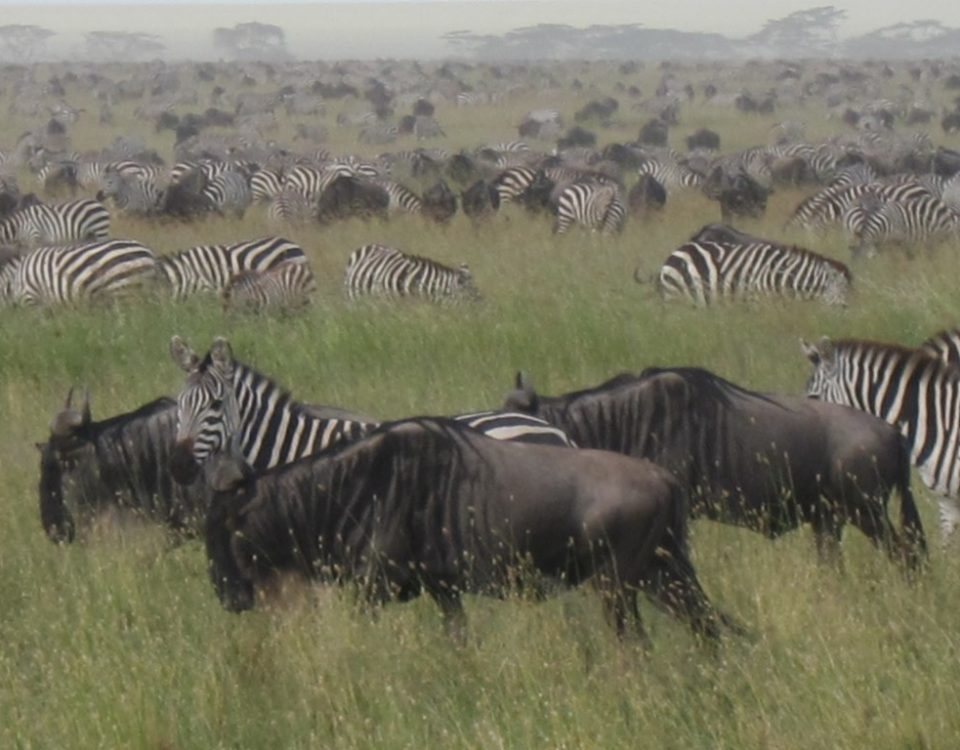
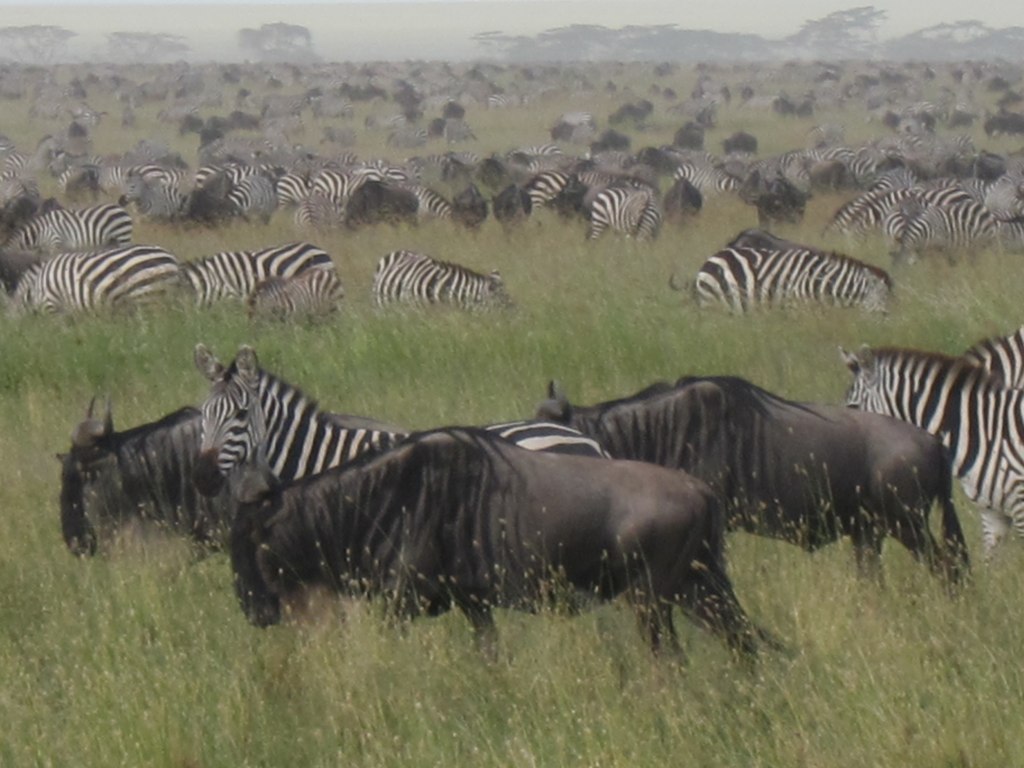
The Great Migration’s enormous wildebeest and zebra herds move continuously between Kenya’s Maasai Mara and Tanzania’s Serengeti ecosystem in a single connected annual cycle, and a well-timed seven-day itinerary crossing both countries gives travellers the best possible chance of intersecting this spectacle regardless of exactly where the herds happen to be during a given month. This itinerary combines the two countries’ shared ecosystem into a single coherent trip rather than treating them as separate destinations. Here is a realistic seven-day route linking Kenya and Tanzania around the Great Migration.
Day 1: Arrival in Nairobi
Most itineraries of this kind begin with a flight into Nairobi and an overnight stay before the safari properly begins, giving travellers time to recover from long-haul flights and, for those with a spare afternoon, visit a nearby giraffe centre or elephant orphanage.
Days 2-3: Maasai Mara National Reserve
The drive or short flight from Nairobi into the Maasai Mara delivers travellers into one of Africa’s most celebrated wildlife ecosystems, with two full days allowing for multiple game drives across different sections of the reserve, tracking the migration’s current position and taking in the Mara’s excellent year-round resident predator population.
Day 4: Cross the Border to Tanzania
The route from the Mara into Tanzania typically involves a flight connection through Nairobi to the Serengeti’s northern airstrips, or in some cases a direct cross-border transfer for travellers using specific overland routes, arriving in the Serengeti’s northern Mara River region in time for an afternoon game drive.
Days 5-6: Serengeti National Park
Two full days in the Serengeti, positioned according to current migration activity, whether that means the northern Mara River crossings, the central Seronera plains, or the southern short-grass plains during calving season, deliver some of the most spectacular open-plains game viewing available anywhere on the continent, with morning and afternoon drives split by a restful midday break at camp.
Day 7: Final Game Drive and Departure
A final morning game drive makes the most of the Serengeti’s peak wildlife activity before transferring to an airstrip for the return flight to Kilimanjaro or Arusha and onward international connections, closing out a trip that has followed the migration across both countries within a single coherent journey rather than an artificially divided pair of separate national visits.
Why Cross Both Countries for One Ecosystem
The Mara-Serengeti ecosystem doesn’t respect the Kenya-Tanzania border, and the migrating herds move between both countries throughout the year based on rainfall and grazing conditions rather than any political boundary, meaning travellers focused purely on witnessing the migration benefit from an itinerary flexible enough to follow the herds wherever they currently are rather than committing to a single country regardless of the specific travel dates chosen.
Understanding Migration Timing Across Both Countries
The migration follows a broadly predictable annual pattern, herds calving on the Serengeti’s southern plains from roughly December through March, moving north through the central Serengeti by May and June, and reaching the Mara River crossings between July and October, before beginning the return journey south. An itinerary built around this pattern positions each leg of the trip according to where the herds are most likely to be during the specific travel dates.
Choosing Which Country to Visit First
Starting in Kenya’s Maasai Mara before continuing to Tanzania’s Serengeti, as this itinerary does, generally suits travellers visiting during the July through October window when herds are concentrated in the Mara, while travellers visiting during the December through June period often find it more efficient to reverse the order and begin in Tanzania instead.
Flight Logistics Between the Two Ecosystems
Moving between the Mara and Serengeti typically requires routing through Nairobi given the current state of direct cross-border flight connections, adding a travel day to the itinerary that should be planned for rather than treated as an inconvenience, since this connection is what makes the whole combined itinerary logistically possible.
Photography Considerations for a Migration-Focused Trip
Both the Mara and Serengeti reward photographers with a versatile telephoto zoom lens, though the specific subject matter shifts depending on season, dramatic river crossings during the Mara leg versus vast herd landscapes and predator action during a Serengeti visit timed around the calving season or general migration transit.
Accommodation Strategy Across Two Countries
Selecting camps in both the Mara and Serengeti with strong daily tracking networks and good relationships with local guides genuinely improves the odds of intersecting peak migration activity during a trip of this length, since positioning matters as much as timing when it comes to witnessing the migration’s more dramatic moments.
Budgeting for a Cross-Border Migration Safari
This itinerary’s flight connection through Nairobi and entry fees across two countries’ park systems add meaningful cost compared to a single-country migration trip, a trade-off most serious migration-focused travellers consider worthwhile given the improved flexibility around timing and positioning that a two-country itinerary provides.
What to Pack for a Two-Country Migration Trip
Standard safari essentials, neutral-coloured clothing, sun protection, and a good pair of binoculars, serve this itinerary well across both countries, though travellers should pack a versatile layering system given the temperature swings common on early morning game drives regardless of which specific park the day’s activities take place in.
Visa Requirements for Kenya and Tanzania
Travellers should confirm current visa requirements for both countries well ahead of departure, and while Kenya and Tanzania are not currently part of the same joint tourist visa arrangement used by Rwanda, Uganda, and Kenya, standard e-visa applications for both countries are generally straightforward to arrange in advance, provided travellers apply with enough lead time well before departure to account for standard processing windows on both applications.
Wildlife Beyond the Migration in Both Countries
Even outside the migration’s peak moments, both the Mara and Serengeti hold excellent year-round resident wildlife, healthy lion prides, good numbers of leopard and cheetah, and substantial elephant and buffalo populations, meaning this itinerary delivers strong game viewing regardless of exactly where the migrating herds happen to be during the specific travel window.
Working With Guides Who Track Migration Movement
Guides and camps embedded in both ecosystems typically maintain close daily communication networks sharing information on herd positioning and recent crossing activity, and choosing camps with strong reputations for this kind of tracking knowledge meaningfully improves a trip’s odds of intersecting the migration’s most dramatic moments during a relatively short seven-day window.
Balancing Flexibility With a Fixed Itinerary
While this itinerary follows a set structure, building in some flexibility around exact game drive routes and timing within each park, rather than locking in a rigid hour-by-hour schedule, allows guides to respond to real-time information about herd movement and recent sightings rather than sticking mechanically to a predetermined plan.
What Makes This Itinerary Different From a Single-Country Trip
Travellers who have previously visited only the Mara or only the Serengeti individually often find that experiencing both within the same trip provides a genuinely more complete understanding of the migration as a continuous ecological process rather than a phenomenon confined to one park, since the same herds that graze the Serengeti’s plains in January are very often the same animals crossing the Mara River by August.
Common Questions About This Combined Migration Trip
Travellers frequently ask whether crossing two countries risks missing the migration if timing goes wrong, and the honest answer is that no itinerary can guarantee a specific sighting given how much herd movement depends on rainfall, though a flexible two-country itinerary genuinely improves overall odds compared to committing entirely to one single location. Another common question concerns whether the additional flight connection is worth the added cost and complexity, and for travellers whose primary goal is the migration specifically, the improved positioning flexibility this itinerary provides is generally considered worth the trade-off compared to the narrower odds of a single-country, single-park approach.
Alternative Sequencing for Different Travel Dates
Travellers visiting between December and June, when the herds are concentrated in the Serengeti’s calving grounds or moving through the central plains, generally benefit from reversing this itinerary’s order, beginning in Tanzania and closing in Kenya, since positioning the trip’s later days closer to where the herds are likely to remain longest improves the odds of a strong finish rather than an anticlimactic final leg spent chasing herds that have already moved on.
Planning Your Seven-Day Migration Safari
Given how much this itinerary depends on precise timing and current herd positioning across two countries, working with an operator who tracks migration movements closely across both the Mara and Serengeti makes a genuine difference to the trip’s overall success. Done well, this seven-day route delivers one of the most spectacular and dynamic wildlife events on the planet, followed intelligently across the full ecosystem it actually occupies rather than artificially confined to a single country’s borders, a genuinely more coherent way to experience a phenomenon that has never recognised international boundaries in the first place.
Recommended Tours: 5 Days Great Migration River Crossing Safari | 10 Days Rwanda, Kenya and Tanzania Wildlife Safari